Hypnosis can give people living with chronic pain practical ways to suffer less and feel more resourced, even when pain is still present. In skilled practice, hypnotic tools help shift how sensations are processed, where attention goes, and what meaning gets attached—so life can start to feel spacious again.
Across cultures, practitioners have long used focused attention, breath, and imagery to ease distress. Today, many programs describe hypnosis as a learnable state of focused attention with increased responsiveness to suggestion—conditions that can help the nervous system re-prioritize signals. Publicly available reviews report significant decreases in pain intensity and pain days across varied conditions, and many people maintain benefits for months. As Mark P. Jensen puts it, “Hypnosis interventions consistently produce significant decreases in pain associated with a variety of chronic-pain problems.”
This is also echoed in broader evidence summaries. A meta-analysis of controlled studies reports medium-to-large analgesic effects across multiple outcomes. Neuroimaging adds a helpful lens: hypnosis can alter activity in brain regions tied to pain perception, which fits what many clients notice—inner experience can change even when the body’s history hasn’t.
At Naturalistico, the boundary stays clear: this work is about realistic relief and reframing—helping people feel safer, steadier, and more able to choose their next step—without promising total elimination on command.
Key Takeaway: Hypnosis-based pain support works best in a practical sequence: first establish calm, then reshape sensation with targeted suggestions, and finally make relief portable with anchors clients can use during flares. With consistent practice, these skills can reduce distress and help pain take up less space.
3 Hypnosis-Based Coping Strategies for Chronic Pain
- Progressive relaxation and guided imagery to soften pain
- Direct suggestions and a “pain dial” to recode sensations
- Gentle dissociation, ego-strengthening, and a calm anchor for daily life
Strategy 1: Progressive Relaxation & Guided Imagery to Soften Chronic Pain
Start with calm; everything else builds more easily from there. Progressive relaxation paired with gentle imagery can reduce reactivity and make room for new sensory experiences.
Many effective approaches begin by softening the body in sequence or counting down into calm. Once attention steadies, suggestions tend to land more deeply. This is well established in professional settings; many pain-focused protocols start with progressive relaxation to cultivate a receptive state.
From there, imagery does what imagery has always done in traditional work: it speaks directly to the sensing mind through symbol, place, and story. Modern programs echo this by combining sessions with home recordings, so clients can repeatedly return to a calming inner scene and make pain feel less central.
One professional summary notes hypnosis can decrease activity in brain regions linked with pain processing. Put simply, calming images—cool water, warm sunlight, wide open space—can change the “tone” of the experience for many people.
Step-by-step: A 10–15 minute relaxation and imagery sequence
- Arrival and intention (1 minute): Invite a comfortable posture. Ask, “What would you like more of today—ease, steadiness, or spaciousness?” Reflect it back in their words.
- Breath and gaze (1 minute): Guide slow, even breaths. Soften the eyes or close them. Suggest, “Each exhale tells the body it is safe enough to soften.”
- Progressive release (4 minutes): Move from head to feet. “Jaw loosens… shoulders hang… hands rest heavy… belly floats.” You can add a gentle count from 5 to 1, linking each number to deeper ease.
- Set a calm marker (30 seconds): “Notice a ‘click’ of calm somewhere—perhaps the chest, the hands, or the space behind the eyes.” This becomes a reference point later.
- Guided imagery (5–6 minutes): Invite a soothing scene linked to their intention. Offer elemental options: cool breeze, warm sunlight, gentle waves. Suggest sensory modifiers: “As the breeze moves through, the body feels softer, safer, quieter.”
- One clear suggestion (30–60 seconds): Anchor the theme: “Each breath invites ten percent more ease around the sensation.” Keep it simple and repeatable.
- Return and orient (1 minute): Count up from 1 to 5, orienting to the room, the ground, and a small positive shift they can name.
Repeatability matters more than perfection. Community-facing organizations often describe benefit within 4–10 sessions as people learn to relax and redirect attention. And when clients commit to a simple 10-minute daily practice, many notice pain feels less intrusive and fear around pain begins to loosen.
That’s often the first meaningful shift: calm becomes accessible, and pain stops taking over the whole field of awareness. From here, you can start shaping sensations more directly.
Strategy 2: Direct Suggestions and a “Pain Dial” to Recode Sensations
When calm is reasonably reliable, focused sensory suggestions can be layered in. The aim isn’t to fight pain; it’s to renegotiate it—shifting intensity, quality, and the emotional charge around it.
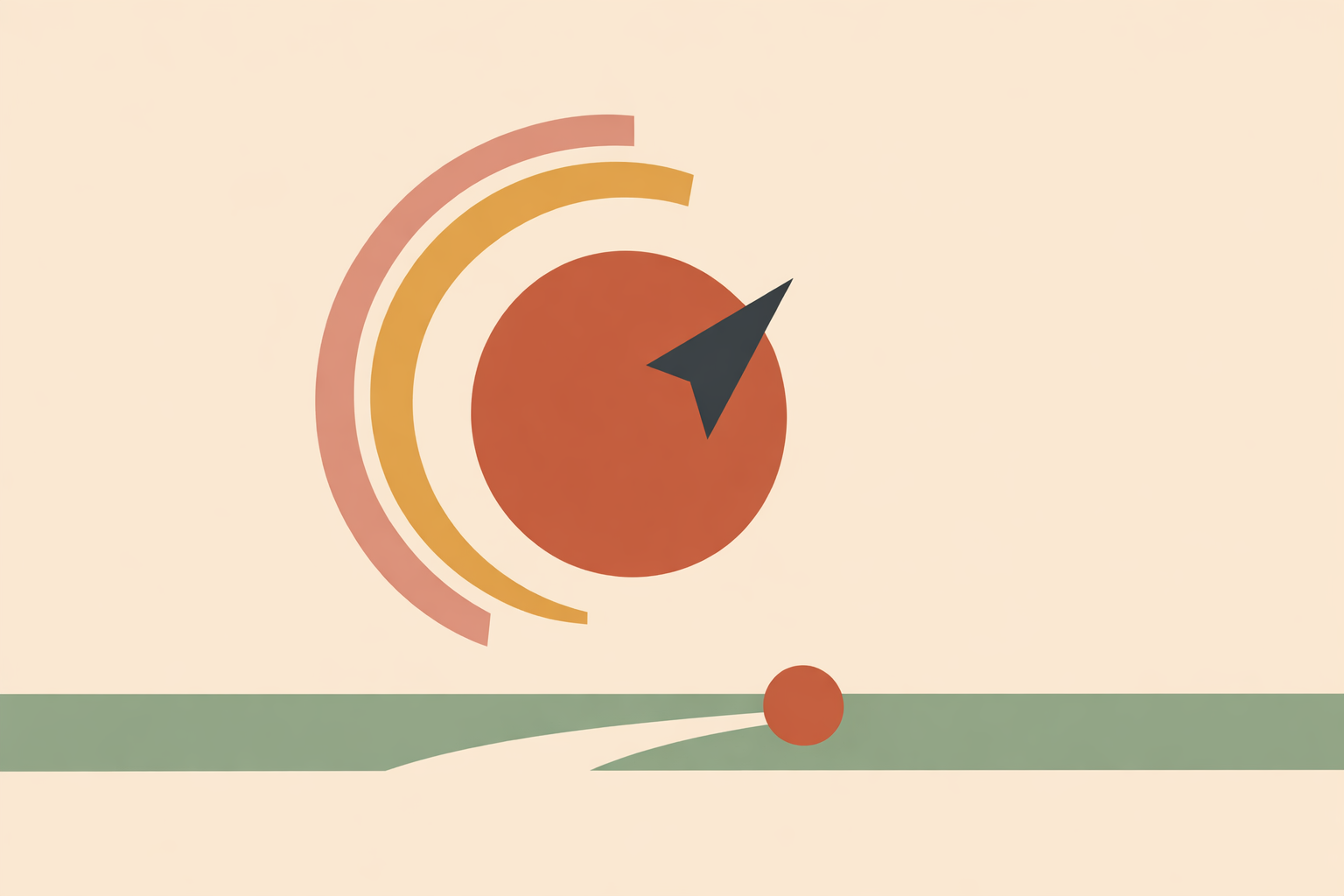
Direct suggestions give the mind something specific to organize around: cooling, numbing, softening, widening, brightening. Professional guidance notes direct suggestions aimed at sensation can be more effective than relaxation alone. The “pain dial” is a classic because it’s simple: clients imagine a dial, slider, or dimmer and gently turn the volume down.
Evidence summaries support this emphasis. Controlled studies show consistent reductions in pain across diverse conditions, and Trevor Thompson and colleagues report clinically meaningful reductions when direct analgesic suggestion is included.
Metaphor helps the nervous system cooperate. Many programs encourage noticing pain as something that can shift in shape, color, texture, or temperature—think of it like weather rather than a fixed verdict. That mindset often frees energy for choice and self-care instead of constant struggle.
Step-by-step: Layering sensory suggestions once your client is deeply relaxed
- Re-enter calm (2 minutes): Use your preferred induction from Strategy 1. Reconnect with the “click” of calm.
- Introduce the dial (1 minute): “Imagine a dial with numbers 0 to 10. Notice where it is now. Just observe—no pressure to change.”
- Calibrate with breath (2 minutes): “As you exhale, imagine the dial easing down by a quarter turn—about ten percent softer. The muscles around the area step back.”
- Add sensory modifiers (3 minutes): Offer two or three: “A cool blue light… a gentle numbness… more space around the area.” Invite them to choose what their body welcomes.
- Weave acceptance (1 minute): “Even as the dial lowers, any remaining sensation is allowed. The body is learning new choices.” This reduces struggle and rebounds.
- Install self-direction (2 minutes): “When you place a palm on your heart and exhale, the dial can lower one step. You can use this anytime.”
- Return with a win (1 minute): Invite a measurable shift: “Before we finish, notice one small change you can name—intensity, texture, or mood.”
Keep the scope clear and empowering: the intention is to reduce distress, expand movement and choice, and bring steadiness back into daily rhythms. Sometimes intensity drops quickly; other times the earliest gain is that fear loosens its grip. Both are real progress.
Once sensation feels more malleable, the next step is helping clients strengthen identity, create healthy distance, and carry calm into real-life moments.
Strategy 3: Gentle Dissociation, Ego-Strengthening & a Calm Anchor
Relief often deepens when people can step back from pain and stand in a steadier sense of self. Here, you teach respectful distance, reinforce inner resources, and link the state to a cue they can use throughout the day.
Dissociation in hypnosis isn’t about denial; it’s about repositioning. Contemporary guidance describes gentle dissociation such as watching the body on a screen, placing sensation in a container, or letting it hover a little farther away. As Herbert and David Spiegel put it, “Hypnotic techniques promote the person’s controlled use of imagination, dissociation and distraction… This helps people filter the hurt out of their pain and suffer less.”
Then comes ego-strengthening—reminding clients they are more than their condition. Simple present-tense statements (“I am capable,” “I can be kind to myself,” “I have tools”) help shift identity from “I am my pain” to “I am a whole person who experiences pain.” Essentially, you’re restoring the person to the center, with pain moving to the edges.
Portability matters. Research-informed models list learnable strategies such as distraction, distortion, displacement, and dissociation—skills clients can apply as flares arise. Many programs also teach post-hypnotic cues so calm becomes something clients can “switch on” during daily life, not only in session.
Step-by-step: From stepping back from pain to installing a daily-use anchor
- Induce calm (2 minutes): Use Strategy 1 to settle attention and reconnect with the body’s “click” of calm.
- Create safe distance (3 minutes): “Imagine placing the sensation on a small screen two meters away. You can adjust brightness and volume. Notice how your chest and face soften as it steps back.”
- Resource the self (3 minutes): Offer ego-strengthening: “You are steady. You have learned skills. You can choose how to relate to this.” Invite them to recall a time they handled something hard with grace.
- Install an anchor (2 minutes): Choose a cue together—hand over heart, a finger–thumb press, or a whispered word like “soft.” Pair three slow breaths with the cue while they feel distance and steadiness.
- Stress test and rehearse (3 minutes): “Imagine a mild flare tomorrow. You pause, use the cue, and feel the screen step two feet farther away. Your breath stays slow. Your shoulders remain soft.” Repetition builds confidence.
- Plan daily use (1 minute): Decide when to practice: after brushing teeth, on lunch break, or before bed. Link the cue to existing routines.
- Reflect and record (1 minute): Invite one sentence in a journal: “Today, my anchor helped me ______.” Naming even small shifts builds momentum.
Keep everything invitational: distance is gentle, not forced; anchors are reminders, not commands. Encourage clients to track micro-wins and patterns. Naturalistico often recommends journaling wins so progress is visible even when changes are subtle.
Conclusion: Integrating Hypnosis into Chronic Pain Support
Together, these strategies create a simple arc: first calm, then reshaping sensation, then carrying steadiness into everyday life. When clients practice in this order, skills tend to feel more dependable and self-directed.
Many programs find that 4–10 guided sessions paired with brief daily self-practice can build real traction. Over time, people commonly report improvements that hold when mind–body practice continues, including better sleep and more ease around daily activities.
Durability matters, and the pattern is encouraging: public reviews note benefits often persisted at 3–6 months when people kept practicing. Nursing summaries also report ongoing relief for more than 73% of participants, which aligns with what many experienced practitioners observe—consistent, compassionate repetition tends to compound gains.
It also helps to see hypnosis as part of a wider picture. Modern biopsychosocial models place it alongside sleep support, mood steadiness, meaning-making, movement, and connection. Hypnosis can turn down the volume and soften the edges, while other supports help clients rebuild a satisfying life around this changed relationship with sensation.
As you integrate these strategies, stay close to Naturalistico’s stance: aim for gradual relief, set honest expectations, and celebrate functional gains. Traditional roots—trance, breathwork, imagery, and skilled suggestion—deserve respect in their own right, and modern research can sit alongside that lived lineage without diminishing it.
Recommended next steps for practitioners
- Choose one script from Strategy 1 and record a 10-minute audio your clients can use daily.
- Introduce a pain dial in session three or four, and track changes with a simple 0–10 scale.
- Install a personal anchor by week three and link it to a daily routine.
- Use a short “wins” tracker to reinforce progress and adjust suggestions based on what resonates.
To close with a grounded note of care: hypnosis is generally taught as a skill for self-regulation and comfort, and it works best when clients feel safe, respected, and in control of the process. Encourage steady practice, collaborative language, and appropriate referrals when pain changes suddenly or raises broader concerns.
Advance Pain Hypnosis Skills
Build on these strategies with Treating Physical Pain with Hypnosis for structured, practice-ready pain support sessions.
Explore Treating Physical Pain with Hypnosis →