Most couple practitioners know the moment a session stops being workable: one partner raises a concern, the other hears attack, and the room hardens. Facts get debated, tone gets sharper, and any plan for the hour dissolves. In those moments, better phrasing isn’t enough—the pattern is running the session. The most helpful pivot is shifting the unit of work from “who’s right” to “what happens to us.”
Blue Therapy offers a practical, repeatable way to de-escalate high-conflict couples by putting process before content. The flow is simple: externalise the cycle, interrupt it early, use structured pauses, regulate the body, then coach repair language. The goal isn’t to quiet the room for ten minutes—it’s to give partners a shared map and micro-skills they can reach for before conflict crests.
Key Takeaway: De-escalation works best when you treat the conflict cycle—not the argument—as the problem. Map the pattern in shared language, interrupt escalation early, use time-bound pauses to prevent abandonment, support brief body-based regulation, and then coach reflective listening and validation so partners can practise repair instead of reactivity.
Technique 1: Map the Conflict Tide (Externalise the Cycle First)
Start by naming the pattern, not judging the latest argument. With high-conflict couples, the fastest way to soften the room is often to help both partners see the repeating tide they keep getting pulled into.
High-conflict relationships are rarely defined by one topic alone. More often, what keeps hurting connection is a repetitive pattern couples “lapse back into… most commonly in the middle of a fight.” When the cycle becomes the problem (rather than either person), the question naturally shifts from “Who started it?” to “What happens to us when this tide comes in?”
This is why many experienced practitioners prioritise changing patterns in communication rather than ruling on who’s right. One partner raises a concern, the other hears criticism, self-protection kicks in, and the original fear of “I’m not being heard” gets confirmed—again.
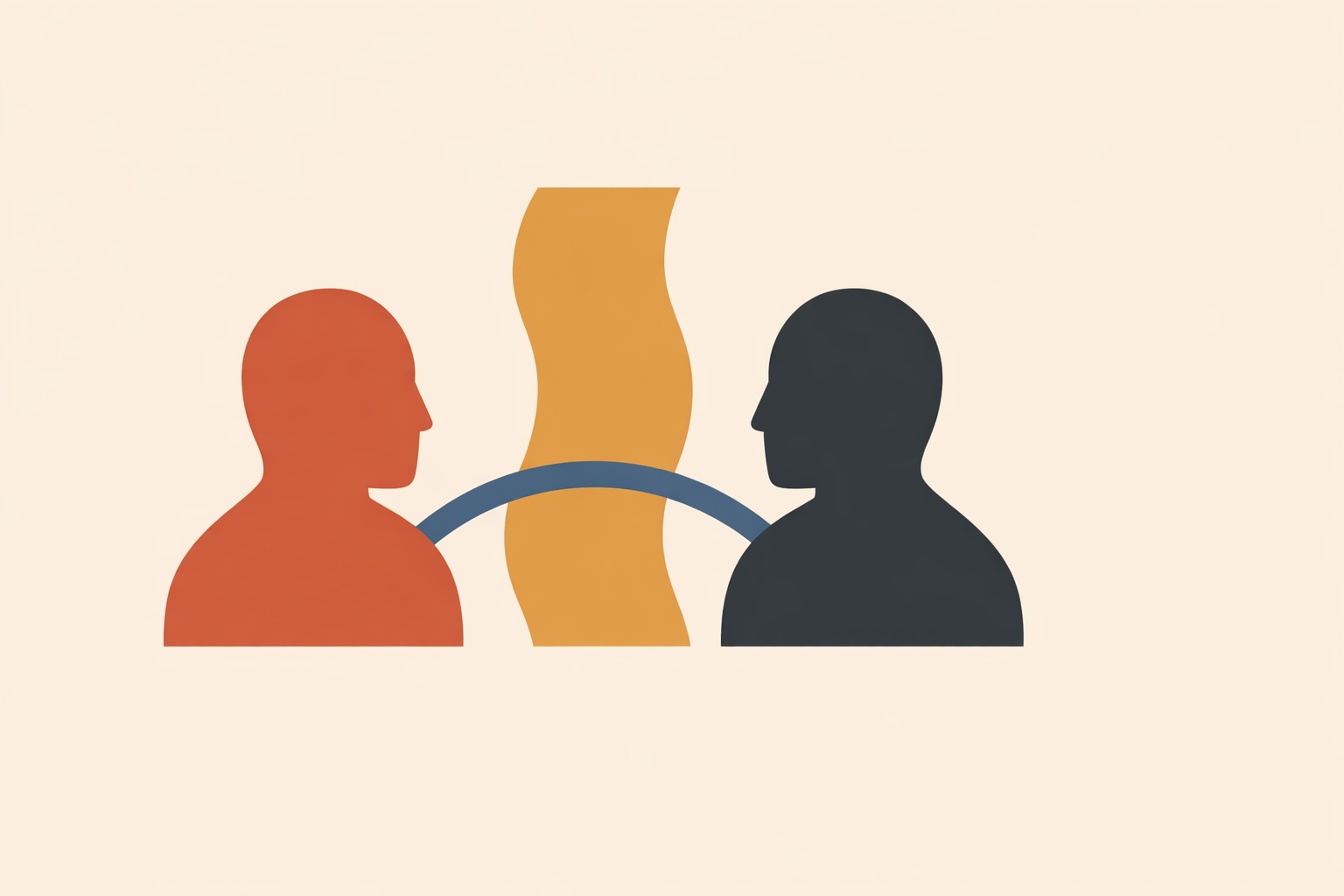
A simple visual can do a surprising amount of work. Sketch a tide line or circular current and note each partner’s usual moves: pursue, defend, go quiet, intensify, withdraw, re-approach. The map helps partners experience the cycle as a shared challenge instead of a personal defect, which reduces shame and makes collaboration more realistic.
That’s very much in harmony with Blue Therapy language. Naturalistico’s Blue Therapy framework encourages imagery like tides, currents, and storms so conflict can be experienced as a shifting pattern rather than a fixed flaw. Many couples instantly recognise what it feels like to be caught in weather.
“Communication alone does not repair relationships.”
This captures the point cleanly: communication skills alone don’t help much if the escalation pattern stays in place. Better wording can’t compete with an undertow that keeps pulling both people back into threat and protection.
Once the tide is mapped, the couple has something precious: shared language for what happens before things fall apart. Next comes learning how to interrupt the wave before it breaks over the session.
Technique 2: Break the Wave Early (Gentle, Non‑Shaming Interruptions)
Early interruption isn’t controlling the couple; it’s protecting the space. The best de-escalation often happens in the first moments of tension—while both partners are still reachable.
Once you’ve mapped the pattern, you can start catching it in real time. This is where gentle, process-focused interruption becomes essential. The aim isn’t to silence emotion; it’s to lower the temperature so both people can stay engaged. If the core work is shifting patterns toward more trust and respect, escalation has to be contained early.
In practice, that usually means stepping in sooner than newer practitioners expect. Guidance consistently points to earlier intervention as the easier path; once voices sharpen and bodies lock up, recovery takes far more effort.
How you interrupt matters as much as when. A steady pace and short orienting phrases can lower aggravation enough for listening to come back online. Abrupt correction can feel like another attack—and then you’ve simply joined the storm.
Think of it as redirecting the current. Language like this tends to work well:
- “I want to pause the pace here so we don’t lose each other.”
- “We’re moving back into the loop we just named.”
- “Let’s slow this before either of you gets overwhelmed.”
- “I’m not taking sides; I’m protecting the conversation.”
These phrases protect dignity because they address process, not blame. They also help partners recognise flooding as a temporary state—when activation spikes, even neutral words can land as hostile. That’s why small, early course-corrections are powerful.
It’s worth remembering that couples can let “small issues… escalate into larger conflicts.” Small interruptions, done well, prevent repeated moments of “you don’t get me” from hardening into resentment.
Once you’ve interrupted effectively, the next step is giving the pause somewhere safe to land. That’s where structured time-outs become more than a break—they become a harbour.
Technique 3: Time‑Outs as Safe Harbours (Structured Pauses Without Abandonment)
A good time-out creates safety without disconnection. When it’s mutual, clear, and time-bound, a pause helps partners settle rather than spiral.
After you break the wave, couples need structure. If you simply stop the exchange, both partners may stay activated—rehearsing arguments internally or bracing for the next blow. That’s why many practitioners find time-outs work best when they’re designed collaboratively, not improvised in the heat of the moment.
A strong time-out includes a shared signal, a settling period, and a clear return point. A clear plan helps partners step away without widening the rupture. “I need 30 minutes and I’ll come back at 7:30” lands very differently than disappearing.
Many couples also benefit from a realistic window for settling. Gottman-informed guidance often points to 20–30 minutes as enough time for activation to come down after a heated interaction—long enough to shift state, not so long it becomes avoidance.
Most importantly, give the pause a job. Encourage partners to regulate rather than prepare their next argument. Tools like slower breathing, mindfulness, and reframing can help manage emotional responses so the return is softer.
You can make it concrete with a few quick questions:
- “What will you say when you need a pause?”
- “How long is enough for your system to settle?”
- “How will you show you’re returning, not withdrawing?”
- “What helps you come back softer?”
This protects the pause from turning into emotional distance. Over time, unworked frustration can slide into emotional withdrawal. A structured time-out interrupts that slide by keeping space tethered to reconnection.
Once couples can pause without panic or punishment, they’re ready for the next stabiliser: body-based regulation, supported by water practices that speak to rhythm, return, and steadiness.
Technique 4: Body‑Based Regulation with Water Practices (Keep Partners Below Flood Level)
Before partners can truly hear each other, their bodies need to feel less under threat. Regulation isn’t an add-on in high-conflict work; it’s the foundation that makes every communication skill usable.
By the time escalation is visible, the body is already steering the interaction—attention narrows, defensiveness rises, and meaning gets distorted. Evidence-informed guidance highlights that regulation helps people engage in more effective problem-solving and communication. Put simply: steadier bodies make steadier conversations.
This is why body-based practices belong naturally in relationship sessions. Conflict shows up in breath, posture, jaw tension, pacing, tone, and the impulse to strike, defend, or disappear. Practices such as breathing and mindfulness, grounding, and sensory orientation can restore enough steadiness to continue without capsizing.
Traditional water wisdom offers especially helpful language here. Water doesn’t force calm; it teaches rhythm and return. In Blue Therapy, practitioners might invite partners to imagine waves lengthening on the exhale, picture strong feelings passing like weather, or reconnect through shoreline walking and water-focused meditation. Naturalistico’s training supports these water-based practices as companions to relational skill-building.
Here’s why that matters: elevated arousal is associated with patterns like harsh criticism, contempt, shutdown, and stonewalling. Supporting regulation isn’t avoidance—it’s what makes constructive engagement possible.
Keep practices short and repeatable, so couples will actually use them between sessions:
- 3 minutes of paced breathing
- a quick 5-sense grounding check
- feet-on-floor orientation before replying
- a hand-on-heart pause before re-entering a hard topic
- a brief walk near water (when accessible and meaningful)
This practical simplicity aligns with everyday tools like mindfulness and reframing. Couples don’t need elaborate rituals mid-conflict—they need something doable when their system is already under strain.
It also helps prevent the slow build of resentment, which rarely appears suddenly. Regulation interrupts the accumulation of “we never get back to safety.”
Once the body is steadier, language can change. Now the work moves from surviving the storm to practising repair.
Technique 5: Reflective Listening and Validation (Turn Conflict into Repair Practice)
When the nervous system settles, couples can practise a different kind of conversation. Reflective listening, validation, and gentle boundary language turn conflict into a place where repair becomes possible.
After regulation, the task isn’t to rush into solutions. It’s to help each partner feel accurately received. Reflective listening supports this by slowing the pace and helping partners become “less reactive and more reflective.”
Keep it simple: one partner speaks briefly, the other reflects the essence before responding, and the speaker confirms or refines. Essentially, it trades assumption for accuracy—and that alone can change the emotional weather in the room.
Validation deepens the shift. Many escalations intensify because someone feels dismissed or morally judged. When you empathize and reflect understanding, even a brief, accurate line can soften reactivity: “I can hear that this felt lonely for you.” Validation isn’t agreement; it’s acknowledging the reality of the other person’s experience.
From there, guide ownership through “I” statements. “You never listen” becomes “I feel shut out when I don’t sense a response.” The content may be similar, but the delivery is far easier to receive.
Another strong move is detoxifying language—translating the sharp statement into the need underneath. This kind of translation keeps the truth while removing unnecessary fire. Think of it like taking salt out of seawater: you still have the ocean, but it’s easier to drink.
As one commentator notes, “A partner may raise the same concern multiple times, hoping to be understood, only to feel dismissed or criticised.” Reflective listening gives that repeated concern a new landing place.
Helpful in-session scripts include:
- “What I hear you saying is…”
- “Did I get that right?”
- “The feeling underneath that seems to be…”
- “What makes sense to me about your experience is…”
- “Can we start over more gently?”
Repair is often built through small moments: a softer tone, a brief apology, a little shared humour, a simple request to begin again. When practitioners notice and reinforce these attempts, couples learn they don’t have to do conflict perfectly to move toward reconnection.
Seen this way, Blue Therapy isn’t just about calming conflict. It teaches couples to recognise the tide, pause before drowning in it, regulate their bodies, and then speak from the deeper waters beneath the reaction.
Conclusion: Weaving Blue Therapy into High‑Conflict Work
These five techniques work best as one flowing process. Map the tide, interrupt early, create safe pauses, support regulation, then guide the couple into listening and repair.
That sequence reflects what many practitioners know through experience: sustainable de-escalation rarely comes from one clever line in the moment. It comes from structure plus repair—steady steps from intensity back to connection. Contemporary guidance continues to emphasise emotional regulation before problem-solving, especially when emotions run hot.
What makes Blue Therapy distinctive is how it weaves this skills-based work with water wisdom. Tides, currents, storms, and harbours aren’t decorative metaphors; they offer a felt sense of pacing, change, and return. They also honour an older understanding: well-being grows through attunement and rhythm, not force.
For practitioners, the invitation is to stay practical and ethically grounded. Visual tools, simple scripts, and repeatable exercises reduce cognitive load when couples are under strain—making it more likely the skills will be used outside the session.
Cautions belong at the edges of good practice, too: where there is coercion, severe volatility, or destabilising substance use, couples work is not recommended, and any skills-based approach needs careful pacing and safety-focused support.
Explore Blue Therapy Skills
Deepen your process-first couples work with the Blue Therapy Certification.
Explore Blue Therapy →