Perimenopause clients rarely arrive with one neat coaching goal. More often, they’re navigating multiple symptoms alongside work pressure, family responsibilities, changing energy, and a body that no longer responds predictably to familiar routines. That variability matters: perimenopause often involves variable hormones and shifting patterns over time, which is exactly why standard, one-size plans can start to feel brittle.
When a plan can’t flex, sessions turn into endless troubleshooting. Coaches reach for isolated tips, clients feel like they’re failing the plan, and the underlying pattern stays hidden. A steadier approach is pattern-first: organize complexity, expect fluctuation, and focus on a few levers that improve several things at once.
Key Takeaway: Perimenopause coaching stabilizes when you design for the client’s whole system, not isolated symptoms. Map life patterns, build high/medium/low-capacity options, and prioritize sleep and regulation so strength, nourishment, and consistency remain doable—even when hormones, stress, and energy fluctuate.
Coaching tweak 1: Map the whole life before setting the plan
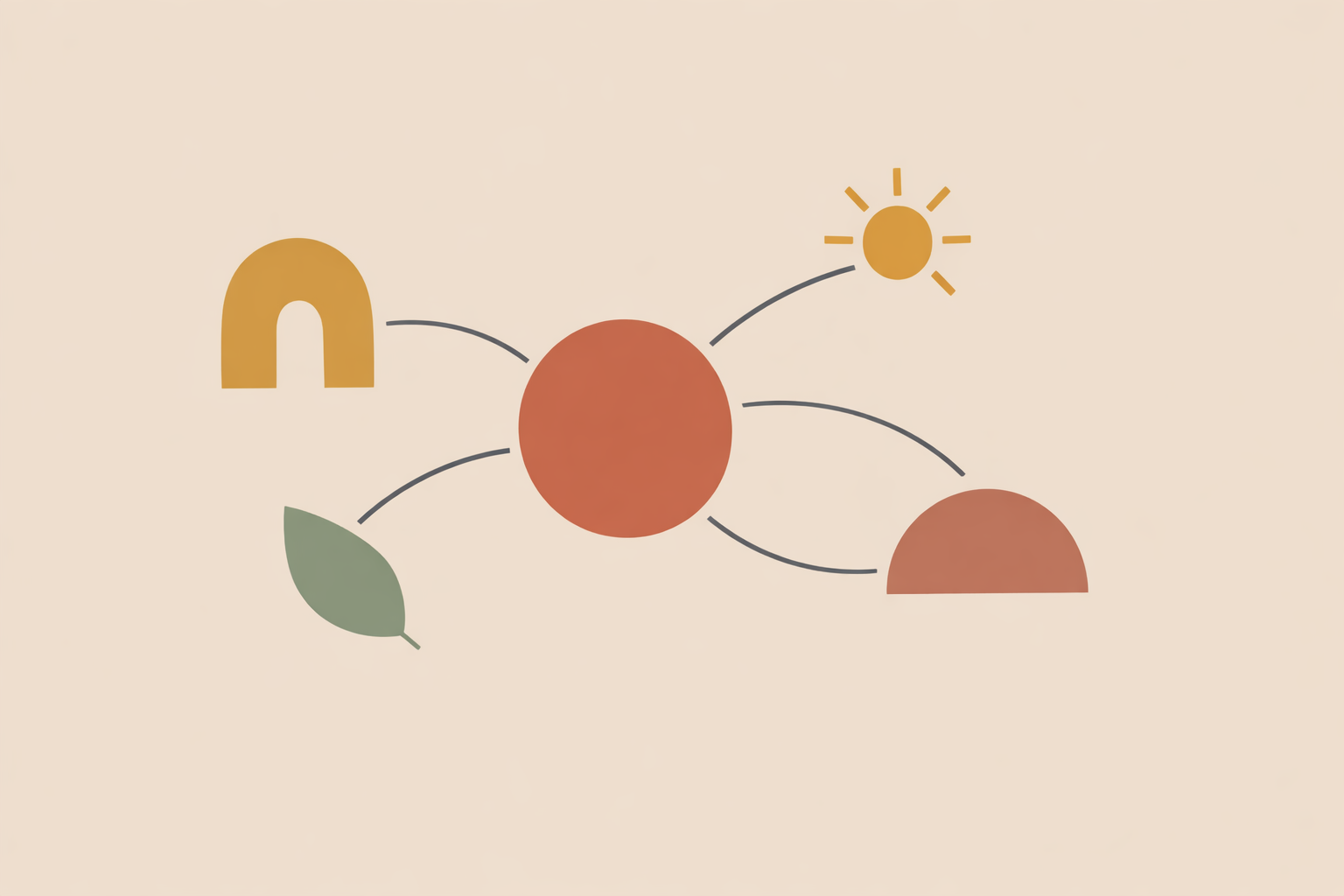
If the client’s life is complex, the plan has to reflect the whole picture. A simple visual map can turn a tangled story into something workable—without collapsing it into “one main problem.”
Perimenopause isn’t a short, linear phase. A client may feel steady for weeks, then suddenly notice sleep, mood, motivation, or confidence shift again—often with several concerns overlapping at once. When you only address one piece, another part of the system tends to pull them right back into the same loop.
Whole-life mapping changes the coaching question from “What do we fix first?” to “What is this person living inside every day?” Map routines, responsibilities, food rhythm, movement, work structure, care roles, relationship pressures, recovery windows, and sources of meaning. Once the client can see the system, the system becomes coachable.
Use whatever format fits: a one-page timeline, a life wheel, a stress map, or a cycle-related pattern sketch. It reduces overwhelm and makes connections visible—while staying cleanly within coaching scope, because you’re helping the client observe lived patterns rather than labeling what their body “means.”
Keep tracking lean. Three to five variables is usually enough: sleep, energy, mood, movement, and one priority symptom will often tell you more than an elaborate spreadsheet. Programs pairing self-monitoring with peer support have shown improved sleep, which matches what many practitioners see: when clients learn to notice their patterns, better choices tend to follow.
“Pattern‑based work invites clients into collaborative sense‑making,” as Naturalistico’s editorial team puts it, “strengthening self‑trust and agency rather than dependence on an external expert.”
That collaborative stance is especially valuable in complex seasons. The client doesn’t need a perfect protocol as much as a clearer relationship with their own signals and rhythms.
- Try this in session: Co-draw a simple map of weekdays versus weekends, energy peaks and dips, meals, movement, care roles, work demands, and wind-down time.
- Circle friction points: Identify two or three moments where the day reliably unravels.
- Circle supports: Note two or three things that already help, even a little.
- Start there: Your first levers usually live where friction and support meet.
Coaching tweak 2: Build for fluctuating capacity, not ideal weeks
Rigid plans tend to fail when capacity changes. Tiered plans hold up because they’re built for real life, not imaginary “perfect weeks.”
Many midlife clients are carrying a lot. Among adults aged 45 to 64, nearly one in four are caregivers, often while also managing work and household demands. Add interrupted nights or emotionally intense seasons, and available energy can change fast.
So when “perfect week planning” breaks, it’s rarely a discipline problem—it’s a design problem. The plan assumes stable capacity, while the client is living through fluctuating capacity.
Capacity-based planning solves that by creating three versions of the same week: high-, medium-, and low-capacity. On strong days, the client does the fuller version. On middling days, they protect the essentials. On low days, they keep a few meaningful anchors alive. Continuity stays intact, and the client stays out of all-or-nothing thinking.
It also softens shame. Instead of “I blew it,” the client learns to say, “This is a low-capacity day, so I’m using the low-capacity plan.” That shift often improves follow-through and steadies the tone of the whole coaching relationship.
- High-capacity day: Strength session, balanced meal prep, morning outdoor light, and a little planning for an upcoming stressor.
- Medium-capacity day: Brisk walk, one simple nourishing meal, a short mobility sequence, and a few minutes of slow breathing before bed.
- Low-capacity day: Hydration, a gentle stretch, three minutes of extended exhales, and an earlier lights-out time.
Anchor these actions to rhythms that already exist: after the first coffee, after school drop-off, after logging off work, before getting into bed. Think of it like laying stepping stones across a muddy path—the easier it is to take the first step, the more likely the client will cross on messy days.
Agree on a compassionate fallback script, too. Something as simple as: “If I can only do two things today, I will hydrate and breathe slowly for three minutes.” It keeps the client in relationship with their own care, even when capacity dips.
Coaching tweak 3: Put sleep and regulation at the center
When sleep and regulation improve, many other coaching outcomes become easier to access—energy, food choices, training consistency, emotional steadiness, and confidence.
By midlife, many people aren’t only responding to present-day stress; they’re also carrying years of accumulated strain. Higher stress is associated with more severe vasomotor symptoms, along with worse sleep and mood. So it makes sense to put regulation close to the center rather than treating it like an optional “nice-to-have.”
Sleep deserves special attention because it touches so many areas at once. Sleep restriction has been linked to negative mood, appetite disruption, lower cognitive performance, greater pain sensitivity, and less resilience under pressure. Put simply: poor sleep can make an otherwise reasonable plan feel impossible.
That’s why simple sleep supports are rarely “too basic.” Consistent guidance includes morning light, repeatable wind-down routines, earlier caffeine and alcohol cutoffs, and a cool, quiet bedroom. Small adjustments, repeated consistently, often outperform ambitious overhauls.
Breathwork and meditative movement can be valuable here as well. Paced breathing has been linked to reduced hot flashes and less symptom distress, and reviews suggest yoga and similar practices can bring small–moderate improvements in sleep and perceived stress. Where insomnia is a major part of the picture, better sleep can also support reduced depressive symptoms and a lighter overall symptom burden.
Traditional calming rituals belong here too. Shared tea, quiet prayer or bead practice, chanting, evening storytelling, or time outdoors can offer a reliable sense of settling. These practices aren’t “extra”—they’re time-tested ways of creating rhythm, signaling safety, and reconnecting clients with what steadies them.
“Contemporary approaches emphasize stress repertoire rather than stress management”—we’re not trying to remove all stress, we’re expanding the number of ways a client can meet it.
Here’s why that matters: the goal isn’t a perfectly calm life. It’s a wider menu of responses, so stress doesn’t automatically run the day.
- Keep a daily menu of micro-practices: slow exhales between meetings, a short walk after lunch, a sensory reset with cool water, or a brief pause before opening a difficult email.
- Create an evening ritual: dim lights, reduce stimulation, stretch or breathe, and repeat the same lights-out cues most nights.
- Track impact simply: ask what helps the client feel more settled, what supports sleep onset, and what makes the next morning easier.
Coaching tweak 4: Reframe body composition around strength and nourishment
In perimenopause, body-composition coaching tends to work better when strength and steadiness lead the conversation—because they build capacity, not just compliance.
Many clients notice a shift toward abdominal weight gain even when their habits haven’t changed much. Longitudinal research suggests menopause is associated with increased central fat, which helps explain why familiar strategies can suddenly feel less effective.
This is often the moment when restriction or punishing exercise starts to look tempting. But for depleted, stressed clients, those tactics commonly backfire. Severe restriction and excessive exercise are associated with weight cycling, lean-mass loss, and compensatory overeating—and they often increase stress while reducing body trust.
A steadier approach emphasizes strength training, regular nourishment, and body respect. Broad guidance for older adults recommends muscle-strengthening work on 2+ days per week, which fits well with what many coaches see as sustainable in midlife. Two or three sessions built around pushing, pulling, hinging, squatting, and carrying can do a lot when done consistently.
Pair that with meals that genuinely support energy: enough protein, fiber-rich plants, satisfying carbohydrates, and foods the client can imagine eating repeatedly without resentment. Warm, familiar, culturally rooted meals often work especially well because they feel like care rather than a “plan to follow.” Essentially, meaning is a compliance strategy.
It also helps to widen the definition of progress. Instead of fixating only on weight, track energy steadiness, strength gains, sleep quality, recovery, confidence with movement, and how the client feels in their clothes. That keeps the work grounded in lived well-being rather than urgency.
- Reframe the metric: Track strength built, steadier energy, and consistency alongside body metrics.
- Use body-respect guardrails: Skip shame-triggering practices for sensitive clients, including unnecessary daily weigh-ins.
- Ask better check-in questions: “What nourishment helped you feel steadier?” “Where did you feel strong?” “What made follow-through easier this week?”
Bringing it together in complex perimenopause coaching
Complex cases become far more workable when you stop trying to solve everything at once. Map the whole life, look for patterns rather than isolated problems, and build plans that flex with real capacity. Keep sleep and regulation near the center, and support strength and nourishment without sliding into shame-based body management.
Done well, the work starts to feel steadier. Visual maps reduce overwhelm. Tiered plans preserve momentum on low-capacity days. Micro-practices and traditional rituals create rhythm and reassurance. Strength-focused support gives clients something solid to build, even when other parts of life feel less predictable.
To close, keep collaboration and scope in view. If questions arise that sit outside coaching, encourage the client to connect with their chosen licensed providers or community supports. Within coaching, stay practical, respectful, and consistent—this transition is significant, and clients often thrive with structure that’s flexible enough to honor real life.
Master Menopause Coaching
Apply these pattern-first strategies with scope-aware tools in the Menopause Coaching Certification.
Explore Menopause Coaching →