Every practitioner recognizes the moment a session shifts from steady to activated—and the room suddenly feels smaller. In those moments, technique matters less than steadiness. If safety, scope, and pacing are being improvised while someone is already near their edge, trust can thin quickly. First minutes can widen trust or close it. Mid-session, unclear boundaries and rushed agendas often heighten activation. And when endings are hurried, continuity can be lost by the next appointment.
Key Takeaway: Trustworthy trauma-informed coaching depends on a repeatable session rhythm: prepare for safety, create choice and clarity early, track capacity in real time, keep consent and scope active, and close with steady integration so clients can carry the work forward between sessions.
Safety Check 1: Prepare yourself and the space before every session
Safety starts before anyone speaks. A well-prepared session reduces reactivity, protects continuity, and helps the client arrive into a space that already feels held.
Begin with continuity. Reviewing notes isn’t bureaucracy; it’s respect. It helps you pick up the thread without inviting a client to re-tell something tender from the beginning. Using non-pathologizing language in records also keeps the bridge into the next session more human.
Next, scan for likely pressure points: what felt unfinished, what supported steadiness last time, and where capacity seemed strongest. If you have a pre-agreed plan to pause, ground, or reschedule, bring it to mind. A simple protocol means you don’t have to invent safety in the middle of intensity.
As Janina Fisher reminds us, “No recovery from trauma is possible without attending to issues of safety, care for the self, reparative connections… and a renewed faith in the future.”
Finally, check your own state. Hurried state shows up in tone, pacing, and attention before a single question is asked. A few longer exhales, a sip of something warm, feet on the floor—small acts that help your nervous system set the tempo.
- Space check: privacy, light, water, seating, minimal distractions.
- Continuity check: review the client’s words, themes, and agreed next steps.
- Protocol check: know how you will pause, ground, or reschedule if needed.
- Self-check: notice your breath, tempo, and focus before opening the session.
Prepared this way, you meet the client as a steady companion rather than a fixer—and that difference is usually felt immediately.
Safety Check 2: Use the first five minutes to create safety, choice, and direction
The opening shapes the whole session. A predictable beginning helps the client orient, understand the frame, and feel genuine choice in what happens next.
Opening rituals are soothing because familiarity cues safety. Keep it simple: greeting by name, settling into the room, one breath together, then a quick check-in on what feels most important today.
Make the frame explicit: this is a coaching space for reflection, regulation skills, and meaningful next steps within the agreed scope. Clear edges reduce confusion—and often reduce activation.
If there’s a felt power difference, name it with care. Inviting feedback makes it easier for clients to disagree, correct, or slow things down in real time.
As Danielle Bernock says, “Trauma is personal… When someone enters the pain and hears the screams healing can begin.” The first minutes are where that quality of listening begins—steady, respectful, and unhurried.
Then co-create direction. Agenda-setting helps clarify purpose and strengthens the working alliance. Try questions like:
- What would feel most useful to focus on today?
- What feels possible without becoming too much?
- Is there anything you do not want to touch today?
- If something intense comes up, would you like me to ask before offering a pause?
Cultural humility belongs here, too. Cultural definitions of support increase dignity, choice, and felt safety. A small question can shift everything: “Are there words, values, or practices that would help this space feel more true to you?”
Safety Check 3: Track the nervous system and adjust pacing in real time
Once you’re underway, the goal isn’t depth for its own sake. It’s capacity. When you notice activation early, you can slow, simplify, or redirect before choice disappears.
The guiding map is the window of tolerance—the zone where feeling, thinking, and relating can happen together. Outside it, people tend to swing toward high activation or shutdown.
Often, the shift shows up before the story does. Early cues can appear in gaze, posture, voice, breathing, or tempo. Gentle reflection helps the client stay oriented: “Your voice got quieter just then,” or “I’m noticing things speeding up—would it help to slow down together?”
Bessel van der Kolk’s reminder that healing deepens when we “befriend sensations” fits well here. Think of it like staying close enough to the shoreline to keep your footing: you don’t force disclosure; you support connection and choice.
When activation rises, brief orienting tools can bring attention back to the present:
- Orienting: naming colors, sounds, or objects in the room.
- Breath: longer exhales to support settling.
- Contact: feet on floor, hands on the chair, or holding a warm mug.
- Pacing language: “Let’s take this in smaller pieces.”
- Resourcing: an image, place, prayer, or memory of steadiness—only if it’s culturally resonant and genuinely welcome.
Sometimes the most supportive move is to shift from story to the present moment. Shift to sensation—or simple orientation—can reduce overwhelm and restore choice. That might mean less eye contact, fewer details, or thirty seconds of noticing the support under the body.
Gabor Maté points to the possibility that strong emotion can carry deep wisdom. Your role isn’t to push intensity; it’s to make the path more walkable.
Safety Check 4: Keep boundaries, consent, and scope active throughout
Trust grows when the frame stays clear. Boundaries don’t need to feel cold or bureaucratic; they can feel understandable, reliable, and kind.
Transparent boundaries and ongoing consent build trust because the client knows what’s happening, what choices they have, and where the edges are. Clear scope protects both client and coach by keeping the work honest about what this space is for—and what it isn’t.
Keep procedures visible: how you’ll handle overwhelm, what happens if you need to slow down, and what communication looks like between sessions. Clear expectations around response times are part of safety, so asynchronous contact isn’t mistaken for real-time support.
Power deserves direct attention. Naming differences in role, experience, race, class, gender, disability, or other social realities can make the space feel more truthful. When people don’t have to pretend those realities are absent, they’re more likely to speak freely.
Consent should stay alive throughout. Before an exercise or guided reflection, ask. During it, check in. After it, ask again.
- Would you like to try this for thirty seconds?
- Do you want reflection, a tool, or simply witness right now?
- Would you prefer to explore this thread or stay with steadiness today?
- We have ten minutes left—shall we begin closing so you can leave feeling more grounded?
Michelle Rosenthal captures the spirit of this well: “Change you choose.” Consent protects that choice, moment by moment.
Safety Check 5: Close with enough steadiness that the work can continue
How a session ends matters as much as how it begins. A rushed ending can leave both people unsettled; a well-contained ending supports integration, continuity, and trust.
Trauma often involves abrupt endings, so deliberate closure can be quietly reparative. Grounded endings support better closure over time. Practically, that means leaving enough space to settle, name what matters, and choose the next doable step.
One simple closing arc:
- Settle: one to two minutes of orienting, breath, or noticing support in the room.
- Name meaning: what feels most important from today, in the client’s own words.
- Choose a micro-step: one small, realistic action that supports continuity rather than pressure.
“Healing from trauma can also mean strength and joy,” writes Catherine Woodiwiss. Good endings help clients walk out with more of that felt sense still available.
Continuity between sessions matters, too. When you carry forward prior-session language, the next meeting starts with less repetition and more dignity. If recap notes are shared, keep them respectful, concise, and grounded in the client’s own wording where possible.
After-care deserves care as well. Many lineages hold strong traditions around integration after intense emotional or spiritual work. Post-ritual integration often includes rest, nourishing food, storytelling, and time on the land. When clients choose after-care that feels culturally resonant and genuinely supportive, the session’s benefits are more likely to ripple outward without becoming overwhelming.
- What do you want to remember from today?
- What would help your body settle after we end?
- What is one step that feels supportive, not demanding?
- What kind of care will help this session land well in the rest of your day?
Steady endings leave clients more centered—and make it more likely they return trusting that safety is something you practice together.
Bring the five checks into one dependable rhythm
Prepare, open with care, track capacity, keep boundaries and consent active, and close with integration—together, these create a rhythm clients can feel. The strength isn’t complexity; it’s repeatability.
Trust is built through small consistencies: your pace, your language, your respect for choice, your commitment to scope, and your care with endings. Traditional wisdom has long taught that safety is relational, rhythmic, and embodied. Modern research supports parts of that picture, and many practitioners recognize the rest through lived practice: people settle when the space is clear, collaborative, and humane.
Peter Levine once called trauma “perhaps the most avoided” source of suffering. There’s another option: neither avoiding nor forcing, but meeting what arises with steadiness, humility, and a structure strong enough to hold choice.
Ready to deepen your trauma-informed coaching practice?
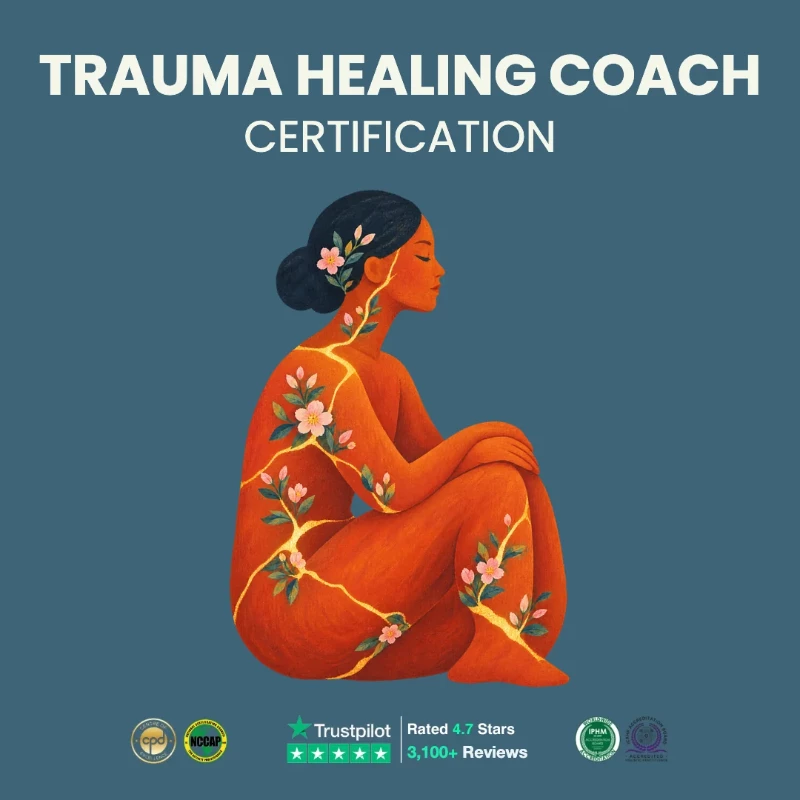
Explore the Trauma Healing Coach Certification to build stronger skills in scope, pacing, consent, regulation, and ethical session flow.
Explore Trauma Healing Coach Certification
Build a steadier, consent-led session flow with the Trauma healing coach certification.
Explore Trauma Healing →