


When practitioners use art to support stress relief, the same practical questions tend to surface: which group format fits the moment, how much sharing to invite, how to hold clear consent without drifting beyond scope, and how to grow an offer without losing warmth. Drop-ins can feel too open-ended, workshops can take real energy to produce, and ongoing circles need stronger agreements than many people expect. With varied access needs and mixed experience levels, one “perfect” model rarely works.
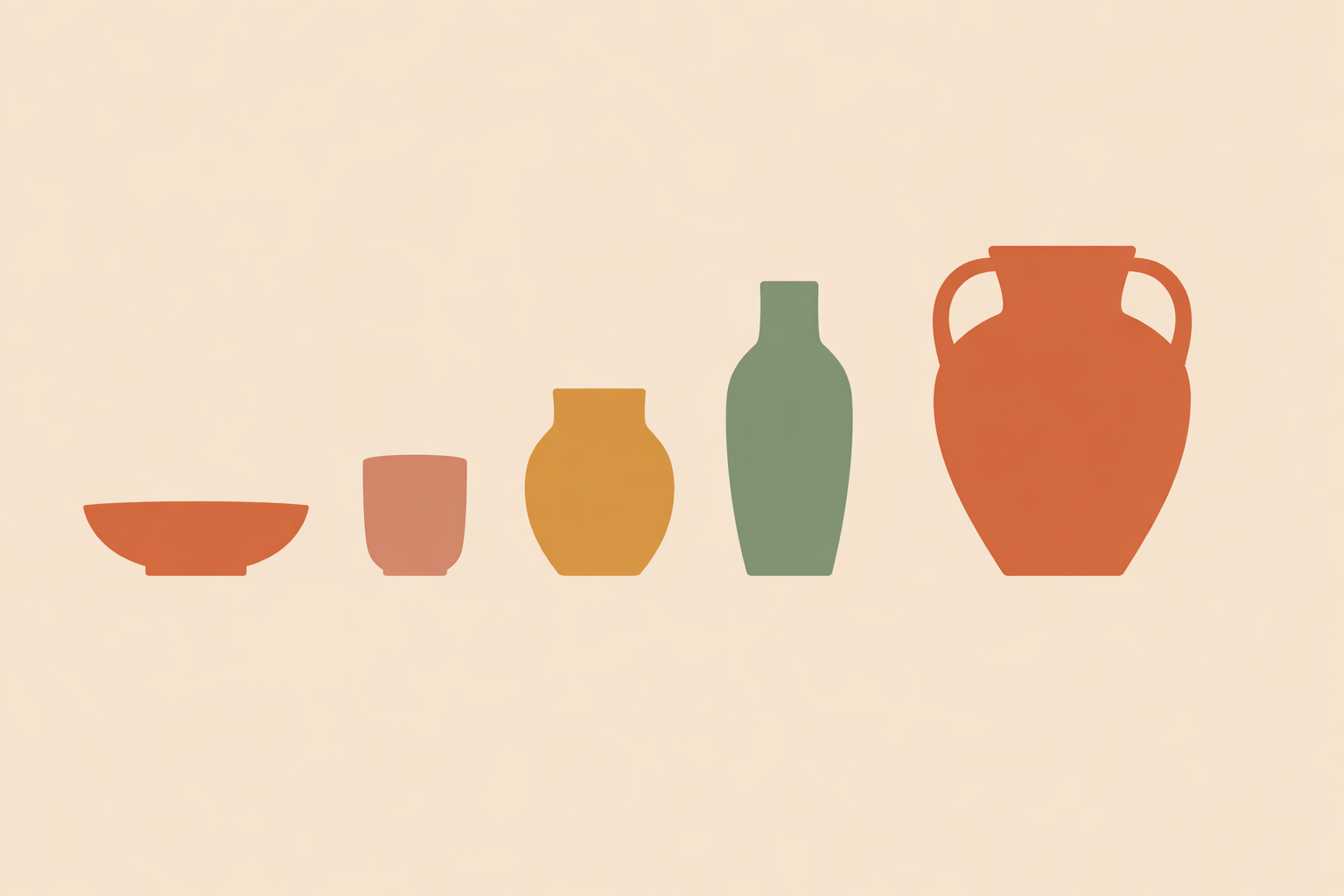
A five-tier pathway offers a simpler way forward: match depth to container. Brief studios create quick settling, small circles build gentle continuity, themed workshops hold a focused journey, multi-week programs support practice and follow-through, and longer cohorts offer rhythm and belonging. It’s not a rigid formula—it’s a progression that helps you meet people where they are, then deepen with intention.
Key Takeaway: Art-based group support is most effective when you match the depth of creative and reflective work to a clearly defined container. As you move from drop-ins to cohorts, stronger agreements, consent practices, and pacing protect safety while helping participants build sustainable creative regulation habits.
Tier 1: Micro Drop-In Art Studios
Micro drop-ins are the lightest container: low-pressure art spaces that usually run 20 to 60 minutes. People often arrive scattered or tired and leave more settled—less caught in mental noise, more back in their bodies.
Even a single session can make a difference. One Drexel study found that a 45-minute art-making session reduced cortisol for many participants. Review literature also suggests that brief, structured engagement can support immediate relaxation, especially when the task is sensory and easy to enter.
That’s why Tier 1 tends to work best when it prioritizes color, texture, rhythm, and hand movement over storytelling. Think of it like giving the nervous system something simple and steady to hold. Repetitive mark-making, loose watercolor, tearing and arranging paper, or basic collage can gently shift attention away from looping thoughts and into direct experience—no deep disclosure required.
“the process of creating art naturally reduces stress and minimizes anxiety because it requires the individual to remain present and focused on the task at hand.”
What makes Tier 1 effective
- Short duration lowers the threshold to join.
- Sensory prompts move attention from rumination into making.
- Optional reflection preserves agency and reduces social pressure.
- Predictable opening and closing rituals help people orient quickly.
Simple design choices for low-barrier studios
- Use one prompt and one main material.
- Timebox clearly: 20, 30, 45, or 60 minutes.
- Make quiet participation a normal option.
- Close with a brief check-out: a color, a breath, or one word.
Start here when you want a welcoming first step—low commitment, low disclosure, and just enough structure to help people reconnect through their hands.
Tier 2: Small Creative Circles for Gentle Witnessing
Where drop-ins offer quick settling, small recurring circles add continuity. Familiar faces return, the rhythm becomes dependable, and belonging starts to become part of the support.
Trust tends to grow through repetition. A review of ongoing group art work noted that regular sessions can foster trust over time, supporting steadier participation. In real rooms, you often see the same thing: once people understand the pace and know they won’t be pushed, their creative range naturally widens.
The heart of Tier 2 is gentle witnessing. Participants aren’t required to explain what they make, and facilitators don’t assign meaning. Sharing stays invitational: someone speaks if they want to, and someone stays quiet if that’s what support looks like today. That kind of respectful presence can be profoundly steadying.
Rituals that help a small circle feel safe
- Begin with the same arrival pattern each time.
- Name the rhythm up front: make, pause, optional sharing, close.
- Ask permission before commenting on anyone’s work.
- Use invitational language such as “What are you noticing?”
This tier also reflects something old and deeply human: communal making. Across cultures, people have long woven, mended, carved, stitched, and crafted side by side—letting the hands work while life settles. Often, people don’t need analysis; they need rhythm, company, and a place where expression is welcomed without pressure.
Tier 3: Themed Art Workshops for Focused Exploration
Themed workshops sit in the middle of the pathway: more shaped than a drop-in, more contained than a long program. With one clear focus, the experience feels cohesive, and participants often leave with language for what shifted.
This format shines when you want to offer a distinct journey without asking for ongoing commitment. Themes like rest, boundaries, release, transition, and renewal give the making process direction while leaving room for personal meaning. Essentially, the theme becomes a gentle map—participants can follow it in their own way.
Workshops also allow a slower arrival and a more intentional closing, which helps people gather the experience instead of snapping back to “real life.” Many facilitators notice a tangible felt sense of movement from start to finish, while staying fully within a coaching-oriented, non-clinical frame.
Traditional rhythms can offer rich themes here, too, when held with cultural humility. Seasonal turning points, harvest time, periods of rest, and life thresholds have shaped communal creativity for centuries. Used respectfully, they add symbolic depth without pushing any belief system.
“emotional resilience”
Grounded workshop themes
- Rest: soft palettes, slow strokes, spacious pacing.
- Letting go: tearing, layering, repetitive mark-making.
- Boundaries: edges, containers, contrast, masking.
- Renewal: seasonal color stories, collage, symbols of emergence.
A simple five-part workshop arc
- Opening: name scope, choice, and consent.
- Arrival: a brief grounding or sensory warm-up.
- Making: one or two core prompts with enough time to stay with them.
- Reflection: optional noticing and self-named meaning.
- Closing: one small integration step to carry forward.
This tier is often where practitioners find their signature: clear structure, accessible entry, and enough depth to feel truly memorable.
Tier 4: Multi-Session Art Programs for Practice and Follow-Through
Multi-week programs turn a helpful experience into a repeatable practice. Over four to eight sessions, participants don’t just feel better in the moment—they learn what creative regulation works for them and how to bring it into everyday life.
That longer arc matters. Reviews of creative arts interventions suggest multi-session formats can be linked with sustained improvements in stress management. Review literature also points to carryover beyond the sessions—something many facilitators recognize when participants start using simple art rituals for difficult mornings, transitions, overstimulation, or end-of-day decompression.
Here’s why that matters: repetition turns “nice ideas” into reliable tools. Someone learns that broad charcoal strokes discharge tension, that collage helps when words feel too sharp, or that two minutes of color work creates a bridge into rest. Over time, the practice becomes usable, not just inspiring.
As trust deepens, boundaries need to deepen too. Long-term facilitation guidance consistently emphasizes clear boundaries as the container becomes more relational. Put simply, stronger agreements protect the group’s steadiness.
What a 4- to 8-session arc can include
- Orientation to materials, pacing, and group agreements.
- Exploring personal calming cues through color, pressure, and rhythm.
- Practicing containing techniques like layering, framing, or weaving.
- Noticing what feels supportive and repeatable at home.
- Closing by shaping learning into a realistic personal routine.
Boundary essentials at this tier
- Use plain-language participation and confidentiality agreements.
- Separate consent for attendance, image sharing, and between-session contact.
- Normalize pausing, opting out, and requesting adjustments.
- Be clear about when someone needs a different kind of support.
Tier 4 often creates the most durable change: not dramatic revelation, but consistency—participants returning to creativity because they now know how to use it.
Tier 5: Ongoing Creative Cohorts and Membership Circles
The deepest container is the ongoing cohort: a longer-running community of practice shaped by creative rhythm, shared agreements, and cumulative trust. Here, art becomes more than an activity—it becomes part of how the group relates, steadies, and grows together.
Over time, people build identity as well as skill. They start to see themselves as someone who makes, notices, reflects, and returns. Shared rituals and seasonal patterns emerge, and the group develops a creative “culture” that one-off events rarely create.
The cohort itself can become stabilizing. Participants borrow one another’s courage and pacing, and they learn what it feels like to belong without having to perform. For neurodivergent and marginalized participants especially, identity-affirming cohorts can offer space to practice voice, consent, adaptation, and presence with less pressure to mask.
This tier also asks the most of the facilitator. The longer the arc, the more explicit your role, agreements, and community expectations need to be. Written charters, regular review of norms, and consistent attention to access, consent, and cultural respect keep the space healthy as it evolves.
What helps long-running cohorts stay healthy
- Set a steady cadence with planned pauses and seasonal touchpoints.
- Co-create rituals rather than imposing them.
- Review agreements regularly as the group evolves.
- Make room for different communication styles and sensory needs.
- Keep facilitation grounded in support, reflection, and creative process.
Long circles can echo older communal traditions without copying them. Craft guilds, making circles, shared song, and seasonal gatherings all remind us that creativity has long been social as well as personal. The aim isn’t to borrow symbols carelessly—it’s to honor the timeless strength of people making alongside one another.
How to Choose the Right Tier
The best starting point is usually the simplest format you can hold with confidence. If you’re building your facilitation muscles, begin with Tier 1. If your community is asking for continuity, Tier 2 or Tier 3 may fit better. If you can support clearer agreements and steadier follow-through, Tier 4 opens the door to habit-building. Tier 5 works best when your boundaries and community care are already strong enough for a long arc.
A useful rule: don’t deepen the container faster than you can deepen the clarity around it. As your offers grow, the essentials stay the same:
- clear purpose
- clear consent
- clear pacing
- clear opt-outs
- clear scope
From there, you can expand with integrity. Art-based support doesn’t need to be grand to be meaningful. Simple materials, respectful structure, and steady facilitation are often enough to help people reconnect with calm, expression, and community.
Train in Art Life Coaching
Deepen your group facilitation skills with the Art Life Coach Certification and build ethical, well-structured creative containers.
Explore Art Life Coach →










