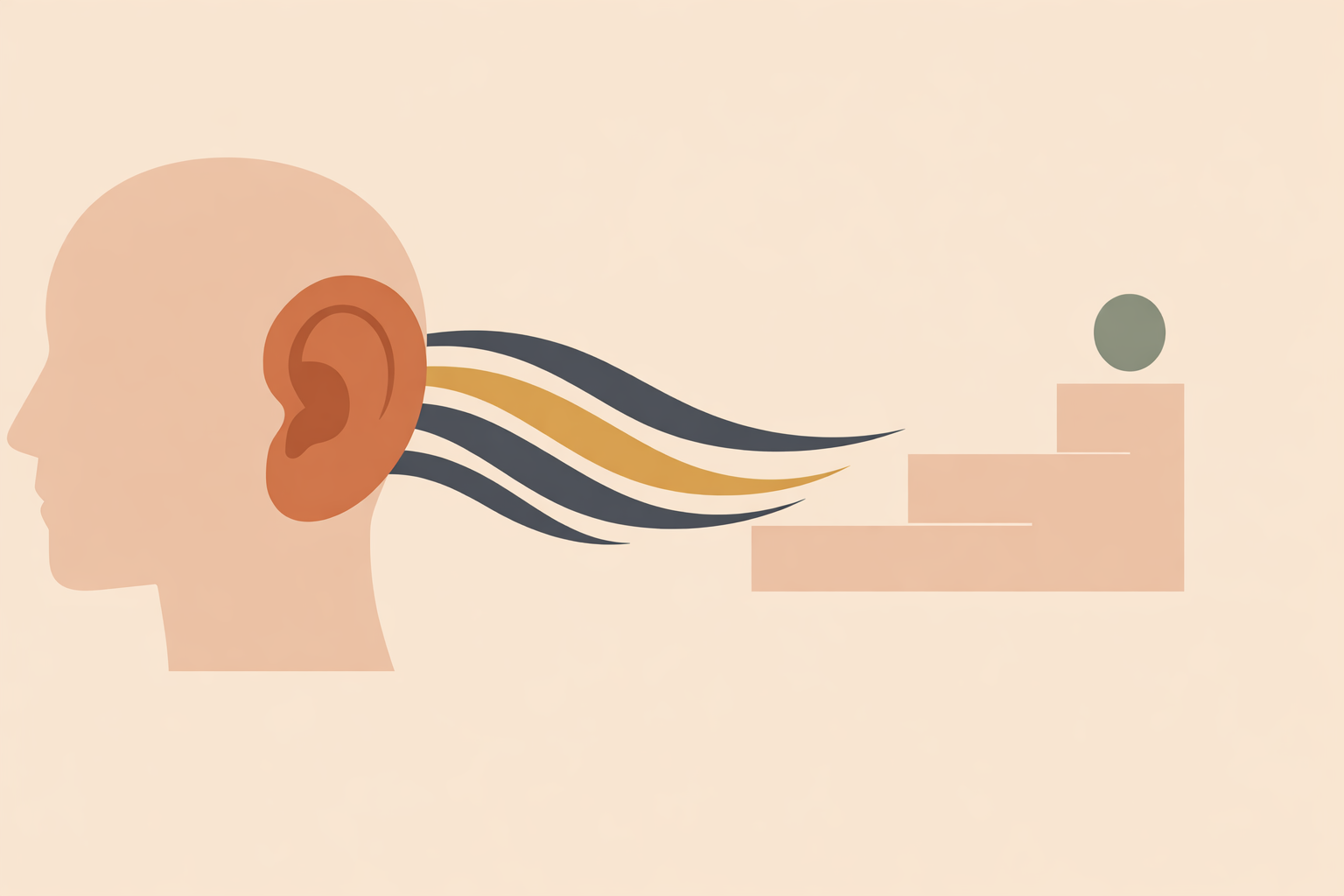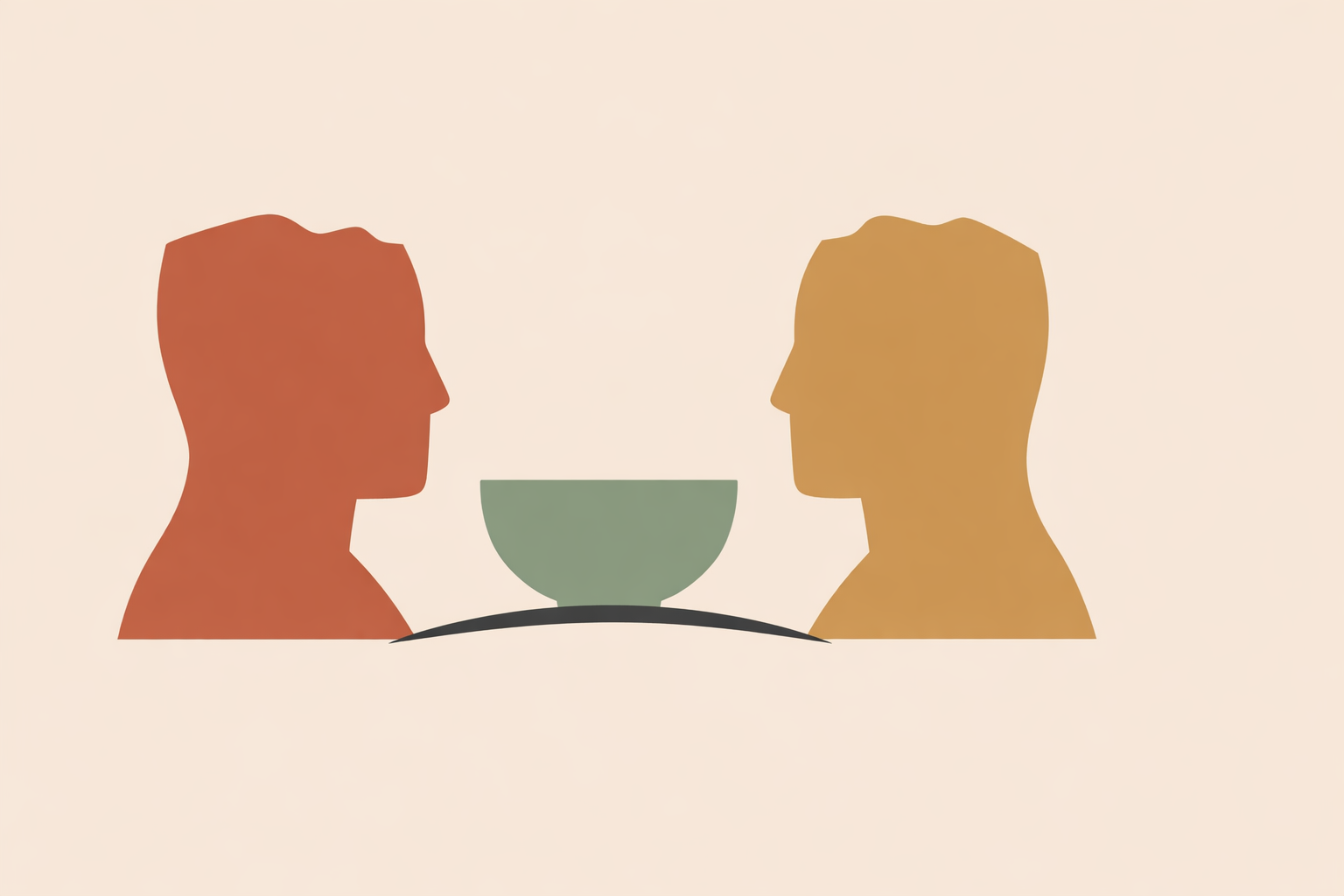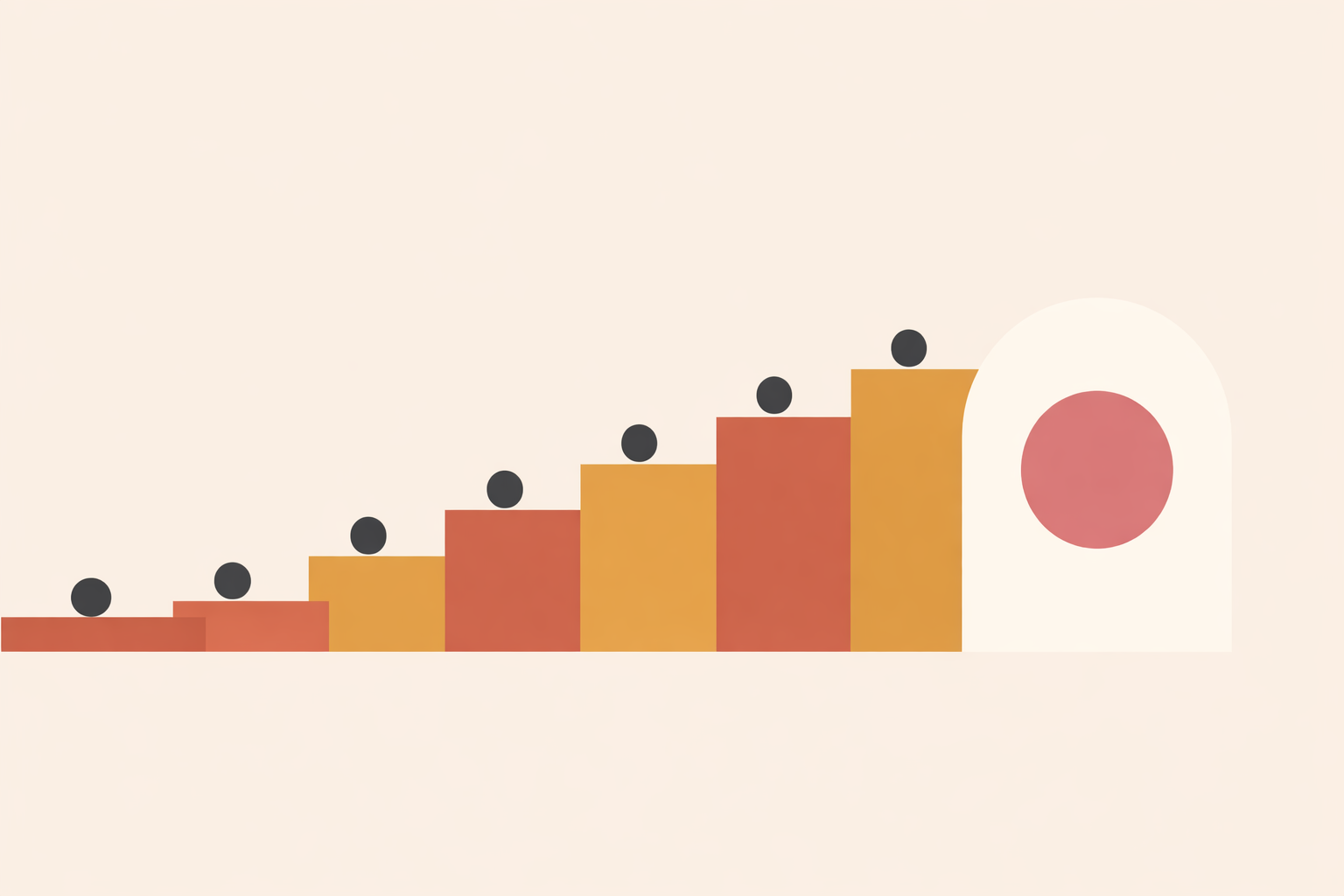
These seven applied neuroscience moves are practical, session-ready, and grounded in both brain science and time-tested ancestral practice—so you can support awareness, choice, and sustainable change while staying firmly inside the coaching frame.
If neuroscience-informed coaching has felt like a lot to hold, think of this as a simple translation: core brain principles (like Kandel’s principles) turned into repeatable steps, aligned with Naturalistico’s emphasis on boundaries and cultural respect.
Traditional breath and contemplative lineages have long taught what modern coaching language now echoes: a regulated system supports wiser action. As Keith Webb put it, “The purpose of coaching is to close the gap between potential and performance.”
Key Takeaway: Start by regulating state, then use emotion, imagery, and repetition to build new neural pathways without forcing change. When you treat resistance as information and lean on relationship and micro-experiments, clients gain more choice, follow-through, and sustainable progress within ethical coaching boundaries.
Move 1: Begin Every Session with a Nervous-System State Check (SAFE: State)
Start where change actually begins: the body’s state. A quick check-in—the first step of the SAFE Loop—helps you and your client access clarity before you touch goals, plans, or problem-solving.
This is where traditional practice and neuroscience naturally meet. Cues of safety and co-regulation support access to executive function (the brain’s “planning and choice” capacity), so the conversation becomes more workable. Many lineages teach what polyvagal-informed approaches now describe: orient to the room, lengthen the exhale, feel the ground—then thinking follows.
“Until it feels safe, performance is off the table.”
Even a short practice—especially slow exhales—can reduce reactivity and create more space for choice.
3-Step Guided State Check You Can Reuse
- Name a number: “On a 1–10 scale (10 = calm/focused), where are you now?”
- Locate sensations: “Where do you feel activation or tightness?” Frame sensations as signals of threat, not personal failure.
- Shift 1 point: Offer two options: orienting (look slowly around the room) or extended exhale (in 4, out 8). Aim for a one-point shift.
Now you’re working with a more resourced system, not pushing against overload.
Move 2: Activate Neuroplasticity with a 5-Minute Daily Visualization
Once the state is steadier, prime change with a short visualization that carries real feeling. You’re using how emotion and repetition shape pathways in the brain.
Invite clients to imagine a specific habit vividly for five minutes a day—seeing, hearing, and feeling it as if it’s happening now. This kind of “neural rehearsal” mirrors long-standing imagery practices found in ritual and martial traditions: the mind practices so the body can follow.
What matters most is consistency. Repeated activation supports consolidation through LTP (long-term potentiation—essentially “the brain wiring what it repeats”). With attention-rich practice—often across 8–12 weeks—clients commonly report more resilience as regulation and emotion skills strengthen. As one neuroscience educator notes, “Considerable evidence supports LTP as a key cellular mechanism that underlies learning and memory…”
From Intention to Neural Rehearsal in a Few Minutes
- Pick one scene: A precise moment (e.g., closing the laptop at 6 p.m.).
- Amplify emotion: Evoke pride, gratitude, or relief while imagining the action.
- Rehearse daily: Five minutes, same cues, same setting—like a ritual. Use a 5-minute visualization as a simple daily anchor.
Emotion tells the brain, “This matters.” Repetition teaches it, “This is who we are now.”
Move 3: Run a Friction Audit to Surface Hidden “No’s” (SAFE: Friction)
After envisioning change, expect some resistance—and welcome it as useful information. A friction audit honors the reality that unconscious processes shape decisions, and they respond better to curiosity than force.
This step of the SAFE Loop looks for where the client drifts, what success might threaten (identity, belonging, expectations), and what quiet “reward” the old pattern provides (relief, predictability, control). When threat is high, the nervous system can clamp down on breath and cognition—often experienced as procrastination, fog, or “I don’t know.”
“Just because you have a thought doesn’t make it true,” as Jeffrey Schwartz reminds us.
Support clients in noticing earlier body signals. Interoception (the ability to sense internal signals) helps people catch tension and shutdown before autopilot takes the wheel.
Three Questions to Reveal Unconscious Pulls and Body-Based Clues
- Where do you drift? “When does the plan slide off? What happens right before?”
- What’s the fear of success? “If this change worked, what might get harder?”
- What’s the old reward? “What does the current pattern give you—relief, control, belonging?”
Name the “no” with compassion. You’re mapping the terrain, not trying to overpower it.
Move 4: Anchor New Habits in Emotion, Not Willpower
If you want a habit to stick, connect it to felt meaning. Strong emotion helps the brain tag memories as important, which makes the new behavior easier to remember and choose.
Practically, you rehearse the habit while evoking a peak feeling—pride, gratitude, or calm relief. This can strengthen encoding and make recall easier under pressure (think: “muscle memory,” but emotional) (peak feelings). In supportive coaching conversations, people show patterns linked to motivation and safety when they focus on strengths and future possibilities.
Over time, repeatedly orienting to possibility can support more resilient patterns. Traditional communities have long understood this: song, rhythm, dance, and story encode values through shared emotion—paralleling modern coaching approaches that use rhythm and repetition to make new ways feel natural.
Design Peak Emotional Moments the Brain Remembers
- Before action: Recall a time you felt proud; hold the feeling for 20–30 seconds.
- During action: Do the tiny habit while naming three sensations of that emotion.
- After action: Share with someone supportive—social connection can strengthen learning signals.
Willpower is a spark. Emotion is the fuel.
Move 5: Use the Social Brain—Change Through Relationship and Community
The brain is wired for connection. Relationship engages reward pathways and supports follow-through—an essential part of the social brain principle.
Warm, encouraging conversations activate regions linked to empathy, imagery, and proactive planning—exactly the stance that supports change (supportive conversations). When you tailor examples to someone’s background, you also strengthen belonging, which increases engagement.
Guided social practice can shift patterns, too. Structured programs show improvements in communication, awareness, and confidence—evidence that skillful interaction reshapes what feels possible. Traditional circles and communal rituals reflect the same wisdom: people change better together.
Turn Rapport, Groups, and Culture into Active Ingredients
- Engineer belonging: Use inclusive language, shared rituals, and simple check-ins.
- Normalize community: Offer buddy systems or small group pods for accountability.
- Honor culture: Invite symbols, stories, or settings that feel like home to the client.
Connection isn’t decoration—it’s part of the mechanism of change.
Move 6: Rehearse Real Moments with Guided Imagery
Next, bring the work into a real-life scene. Imagining an action activates many of the same regions as doing it, which makes guided imagery a powerful bridge between insight and execution.
Walk through the exact sequence of an upcoming challenge—what the client will say, how they’ll breathe, where they’ll pause, and how they’ll repair if it goes imperfectly. That mental simulation builds readiness, especially when you include culturally resonant details that strengthen belonging cues.
Future-focused imagery can also activate perceptual and goal networks (future imagery). Many contemplative and martial lineages have long used scenario rehearsal to turn inner steadiness into outer skill.
Guide the Next Difficult Conversation or Choice
- Set the scene: Time of day, room layout, who’s present.
- State check: Two extended exhales; feel feet, soften jaw.
- First move: Visualize your opener in your own words.
- Friction moment: See the hard part arrive; rehearse your pause, breath, and clear boundary.
- Repair or close: Imagine a respectful close, even if imperfect.
Rehearsal lowers surprise—and surprise is what most often knocks people off track.
Move 7: Close with a Repetition Loop and Micro-Experiment (SAFE: Experiment)
Close each session with a tiny, low-risk experiment so insight becomes behavior through repetition. This completes SAFE’s Experiment step.
Keep it “minimum effective”—so small it feels easy to start. Over time, repetition strengthens pathways, and many people notice early shifts around 21 days when emotion and social support are part of the loop. Frame results as learning, not pass/fail; data framing supports motivation by keeping the focus on growth. Pair the action with interoceptive cues (a body “signal”) so the client can catch drift early.
Turn Insight into a 7-Day Minimum-Effective Plan
- One micro-step: “After I pour coffee, I stretch my chest for 30 seconds.”
- One emotional tag: Recall one proud moment as you stretch.
- One social touch: Share a daily checkmark with a buddy or group.
- One review ritual: End of week: What worked? What to tweak?
As John Whitmore said, coaching is about unlocking potential—micro-experiments are the key turning in the lock.
Conclusion: Weaving Neuroscience, Ancestral Wisdom, and Ethics
Together, these seven moves create a clean arc: regulate state, prime plasticity, surface friction, anchor habits in emotion, engage the social brain, rehearse real moments, then close with a micro-experiment. It’s a braid of traditional wisdom and modern neuroscience—held by clear ethical boundaries.
Keep the work consent-led and culturally respectful, using non-leading prompts like “What did you notice?”—a hallmark of consent-based practice. Both ancestral breath traditions and modern nervous-system models point to the same sequencing: regulation first, performance second. The aim is never to “fix” anyone—it’s to help capacity come online through respectful inputs, always within the coaching frame.
Carl Rogers’ gentle wisdom still applies: “accept myself just as I am, then I can change.” That’s the spirit these seven moves invite into every session.
Train in neuroscience coaching
Apply these session-ready moves with confidence in the Neuroscience Coach Certification.
Explore the Certification →