Most teens don’t grow in a one-size-fits-all room. Generic “show up and talk” formats often miss the mark because they don’t match the real pressures teens are carrying—or the way teens actually learn.
Adolescence is a full neurological rebuild. The frontal cortex is still reshaping, which affects impulse control, planning, and social judgment. Add digital overload, academic intensity, and post-pandemic “social rust,” and it’s easy to see why many teens do better with a clear container than a free-form discussion.
Groups that work tend to feel practical: repetition, play, and real-life rehearsal. Structured role-play, games, home practice, and simple rituals help teens move from “I know what to do” to “I can actually do it.” When programs lean into structure, they often create more substantial progress than relying on open conversation alone.
Below are seven niches that translate timeless, community-rooted ways of guiding adolescents into modern group formats that teens can genuinely use.
Key Takeaway: Teen social skills groups tend to work best when they’re niche-specific and structured around repeated, low-stakes practice. By matching the format to teens’ real pressures—sensory needs, neurotype, online life, and transitions—you create safer containers where social confidence can actually generalize into daily relationships.
Niche 1: Ancestral-Style Social Circles for Teens Who Crave Real Conversation
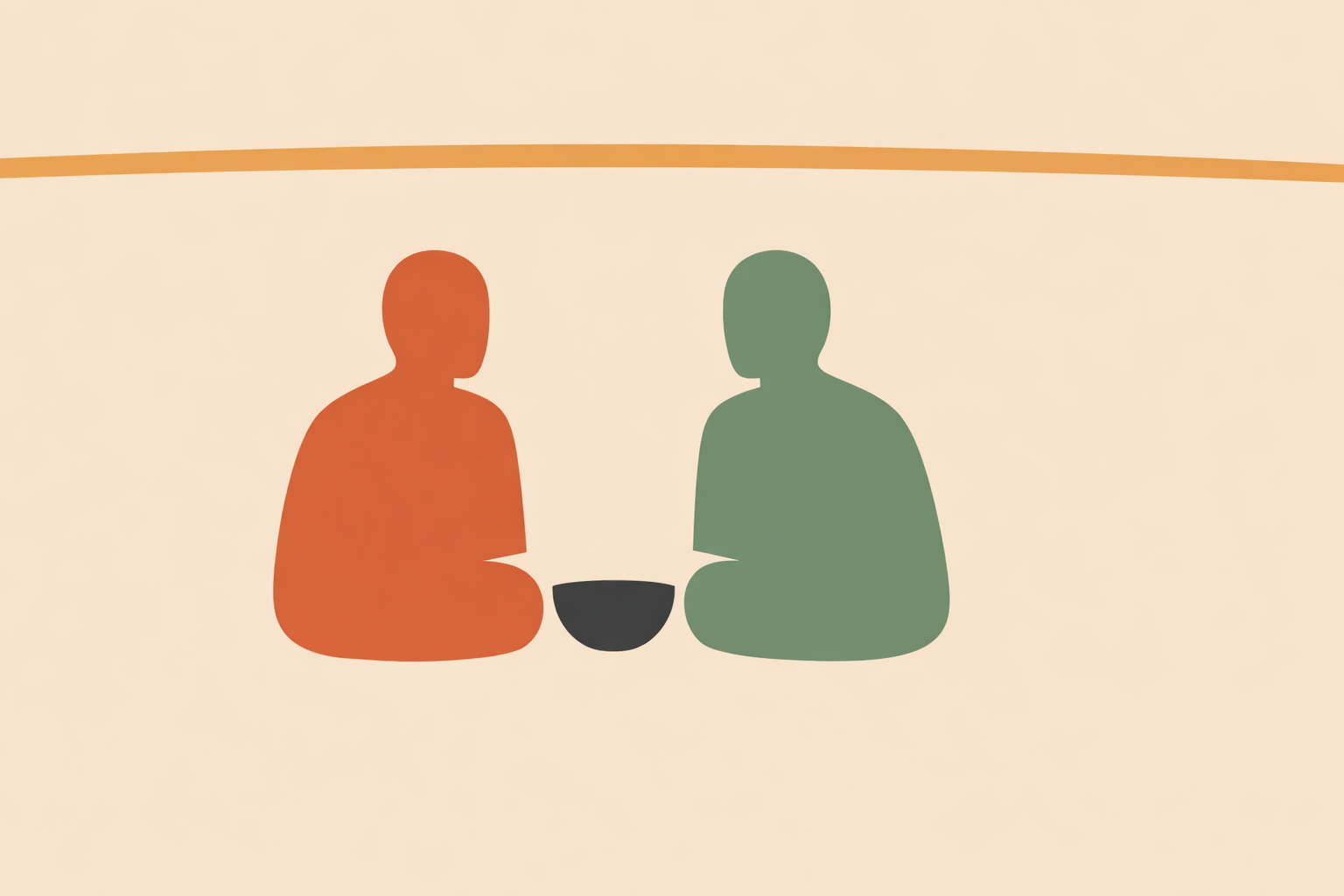
Circle work brings something many teens quietly crave: a respectful place where listening is real and sharing isn’t a performance. In community settings, circles have long functioned as rites of passage and shared problem-solving—steady structures that help young people feel witnessed.
Across cultures, intentional dialogue has been used to mark transitions, especially around adolescence. A modern talking circle carries the same message in contemporary language: you belong here, and your voice matters.
In practice, it’s simple but not casual: teens sit as equals; one person speaks at a time; everyone practices active listening. Themes stay close to teen reality—friendships, identity, family friction, anxiety—using familiar group themes as entry points. The group reflects rather than “fixes,” while the facilitator protects dignity and keeps the rhythm steady.
“If puberty is on the physical side a transition from an infantile to an adult state, there is also, on the psychological side, a transition from the child who has to live in a family, to the adult who has to live in society.”
Maria Montessori’s reflection on the puberty transition is exactly what circles support: social apprenticeship—learning how to be with others without losing oneself.
Designing respectful, non-appropriative talking circles
- Open and close with intention: A breath, a moment of silence, or a check-in round. Keep it simple and secular unless your group explicitly opts into cultural or spiritual elements.
- Use a talking piece: Passing an object lowers interruption and supports turn-taking, especially helpful for neurodivergent teens who prefer clear cues.
- Normalize pace: Teens can pass, use written notes, or draw while listening. No one is forced to speak.
- Set agreements: Confidentiality, consent for feedback, “no fixing,” and the right to take a break.
- Close the loop: Invite each teen to name one takeaway or next step they’ll try with peers this week.
Adolescence is when “the very worst and best impulses…struggle against each other.”
G. Stanley Hall’s observation about this adolescence struggle is why a ritualized, predictable circle can feel so grounding: it gives intensity somewhere safe to land.
Niche 2: Improv-Based Social Labs for Anxious and Neurodivergent Teens
Improv helps teens reframe social fear. Instead of “What if I mess up?” the room becomes, “Let’s run an experiment.” Laughter and movement make it easier to try, adjust, and try again.
Rather than lecturing social rules, improv trains flexible response in real time. Short, well-held activities—mirroring, quick role-switches, group storytelling—teach teens to track cues and adapt. Simple improv exercises work because the “right” move changes moment to moment, just like real conversations.
It also supports nonverbal skills: posture, voice, timing, and shared rhythm. Many drama-based programs report growth in reading nonverbal cues, which often matters most for teens who mask, withdraw, or feel unsure of what others “mean.”
Keep the stakes low and the reps high. Everyday scenarios—joining a lunch table, ordering food, handling a disagreement—become rehearsals for the moments that usually trigger freezing or rumination. That’s why structured role-playing and performance-style practice can steadily build ease and enjoyment in social connection.
In a growth mindset, challenges are chances to grow.
Carol Dweck’s growth mindset becomes tangible in improv: the group catches missed cues, and the attempt itself gets celebrated.
Turning “I might mess up” into “this is a safe experiment”
- Session flow: 10-minute warm-up (mirrors, name games), 20-minute skill game (yes/and chains, status switch), 20-minute scenario practice, 10-minute debrief.
- Safety levers: Let teens opt for “observer” or “director” roles; use short turns; celebrate “good fails.”
- Coaching moves: Coach to the micro-skill (eye gaze, pausing, humor) rather than critiquing the person.
- Take-home: One real-life micro-challenge (e.g., “ask a classmate a follow-up question before the bell”).
Niche 3: Escape-Room Style Quest Groups for Collaborative Problem-Solving
Not every teen connects through small talk. Many open up when there’s a shared mission. Quest-style groups build communication, planning, and emotional steadiness under pressure—without forcing constant conversation.
Done well, escape-room formats can even feel calming. In one educational study, participants reported an anxiety drop in the escape-room condition compared to more traditional simulations. The difference is thoughtful design: scaffold the tasks, rotate roles, and reward teamwork over speed.
Some teens are sensitive to time limits or “trapped” feelings, so adaptation is part of the craft. Guides recommend adjusting time limits and pressure levels for anxious or neurodivergent participants, and that’s good practice in coaching settings too.
Clear roles can also support equal participation, including for autistic teens. When facilitators actively build psychological safety, even nervous first-timers often surprise themselves. Virtual versions show similar boosts in teamwork and confidence when the challenge is paced and supported.
Coaching is about unlocking potential.
Timothy Gallwey’s phrase on unlocking potential fits perfectly here: quests reveal hidden strengths—quiet strategists, detail-spotters, steady communicators—then give those strengths a respected place in the group.
Designing low-pressure quests for different neurotypes
- Role cards: Communicator, Navigator, Clue Keeper, Calm Captain. Rotate each round.
- Pressure dials: Visible but flexible timers, “ask for a hint anytime,” and optional exits.
- Outcome focus: Reward clear requests, reflective listening, and check-ins, not just escape speed.
- Debrief arc: What worked, what we’d do differently, and a two-sentence gratitude share per teammate.
Niche 4: Art, Craft, and Story Studios for Quiet or Highly Sensitive Teens
For many teens, connection arrives sideways: through doing, not talking. Art, craft, and story studios give a gentle bridge into relationship—especially for introverted, highly sensitive, or masked neurodivergent teens.
These spaces lower the volume. Quiet making time supports co-regulation without forcing eye contact or constant dialogue. Creative settings offer low-pressure self-expression, and that confidence often comes first—conversation follows.
A little structure helps the social learning “stick.” Try opt-in share rounds, micro-galleries, or zine swaps so teens rehearse speaking clearly and receiving feedback with consent. Presenting work is a natural practice rep for voice and pacing, often recommended through creative presenting activities. Pairing studios with interest-based clubs (art, robotics, gaming) also helps, because shared passion makes conversation feel less like a test.
To build emotional literacy in a light way, weave in games like feeling charades to support emotion recognition and empathy.
“Children have real understanding only of that which they invent themselves.”
Jean Piaget’s insight on reinventing knowledge is a strong guiding principle for studios: teens learn socially by discovering it from the inside, not by being over-instructed.
Using creative output as the social bridge
- Session flow: 25 minutes quiet making, 10-minute share (opt-in), 10-minute feedback script, 5-minute closing ritual.
- Sensory respect: Low lighting, low scent, soft seating; clear options to step outside or wear headphones.
- Feedback training: “I noticed… I wondered… Would you like suggestions?” Consent before advice.
- Portfolio power: Teens track small wins across weeks—evidence of growth they can feel and see.
Niche 5: Peer Mentoring Pods for Leadership and Transition Years
Peer mentoring pods let older teens practice leadership in a real, supported way, while younger teens receive guidance from someone who genuinely “gets it.” With a simple structure, both sides learn empathy, planning, and follow-through.
In pairs or trios, mentors practice check-ins, planning hangouts, and modeling small social risks. Mentees gain a relatable guide, which can make starting high school feel far less overwhelming.
For many neurodivergent teens—especially those with ADHD—there can be fewer models of effective “social choreography.” Pods make it visible through scripts, shared calendars, and gentle rehearsal. Over time, initiating plans and navigating small conflicts can build confidence on both sides. And because teens often trust peers in a way they don’t always trust adults, the learning can land quickly when the container is clear.
Mentoring is not making someone in your image; it’s giving them the chance to create themselves.
Steven Spielberg’s line about creating themselves is the heart of pods: clear guardrails, then real room for teens to discover their own style.
Building teen-led structures with clear guardrails
- Pod structure: One senior mentor + one or two juniors. Weekly 45–60 minutes with a simple agenda.
- Agenda script: Feelings check-in, calendar look-ahead, one skill focus (e.g., invitations), plan a small social action.
- Guardrails: Clear boundaries, an escalation path to the coach, opt-out language, and a rotating “scribe.”
- Show the growth: Monthly reflection: “What did I try? What changed? What will I repeat?”
Niche 6: Digital Communication and Online Safety Coaching for Screen-Saturated Teens
Teens live online, and their relationships do too. When you teach texting, DMs, group chats, and boundaries as real social skills, you help teens translate their values into everyday choices.
Neurodivergent teens can face unique risks in text-first spaces, including increased risk for grooming or cyberbullying. Unstructured screen time is also associated with higher anxiety, lower mood, and fewer offline social habits—especially for neurodivergent youth.
One practical lens: contact matters as much as content. The Child Mind Institute highlights contact risk and supports explicit digital coaching for starting and ending conversations, navigating group chats, and setting boundaries. Essentially, you’re coaching relationship discernment, not just “screen limits.”
Developmentally, this fits: teens are still building the inhibition and judgment needed for consistent self-regulation. Robert Sapolsky points to delayed maturation in the frontal cortex, so scripts and accountability can be genuinely supportive. This is similar to structured environments that support time management and follow-through—clear expectations, repeated practice, and doable steps.
Teaching texting, DMs, and boundaries as real social skills
- Micro-skills: Opening lines, reply timing, tone checks, emoji as context cues, and “graceful exit” phrases.
- Group chat hygiene: Muting, leaving, or spinning off; consent before adding; “vent vs. ask” tags.
- Safety practices: Privacy defaults, screenshot awareness, and a “three flags and out” rule for sketchy contacts.
- Offline integration: Convert one online exchange each week into a real-world check-in or hangout.
Niche 7: Hybrid Parent–Teen Programs Modeled on PEERS® With Mindfulness and Identity-Affirming Practice
Some teens benefit most from a longer, more consistent scaffold. Hybrid parent–teen programs can provide that steadiness, using the backbone of structured models like PEERS® while adding regulation and identity-affirming practices.
PEERS® for Teens is known for a clear stepwise structure—typically 14 weeks—with instruction, demonstrations, structured activities, and in-the-moment coaching. A defining feature is parallel parent sessions so adults can support home practice and widen real-world opportunities.
From a holistic lens, the structure stays, and the tools expand. Many adaptations weave in mindfulness, breath and movement for arousal regulation, and identity-affirming support for autistic, ADHD, LGBTQ+, and other often-marginalized teens. For executive function challenges, consistent step-by-step sequencing can be the difference between “understanding” and actually following through.
Across online, in-person, or hybrid formats, the heartbeat is predictable: routines, repeated practice, compassionate feedback, and visible progress. Programs like this tend to increase confidence and peer connection over time, especially for teens who start out feeling stuck.
Coaching is helping people maximise performance by learning, not lecturing.
John Whitmore’s framing of maximising performance matches the spirit here: teach a little, practise a lot, and let teens integrate the skill through doing.
Translating an evidence-informed structure into your holistic style
- Weekly arc: Teach one micro-skill; demonstrate; small-group practice; assign one real-world action.
- Parent track: Brief skill review, troubleshooting, and agreements for gentle coaching at home.
- Regulation toolkit: Breath ladders, sensory maps, movement breaks, and interoception check-ins before social reps.
- Identity-affirming ground rules: Use preferred names and pronouns, opt-in to eye contact, and normalize stimming and sensory supports.
- Progress markers: Track attempts, not perfection—initiations made, replies sent, hangouts planned, boundaries set.
Bringing These 7 Teen Social Skills Coaching Niches to Life
You don’t need to build all seven. Pick one or two that fit your strengths and the teens in front of you, then pilot small and refine as you learn.
When groups blend structure with repeated real or simulated practice, teens often build stronger connection over time. Long-form formats have been linked with stronger peer relationships, and structured interventions have shown significant improvements in social skills.
At the same time, it’s worth staying rooted. Traditional containers—rites of passage, circles, apprenticeships, and the arts—have guided adolescents into community life for generations. That wisdom translates beautifully into modern spaces when it’s held with context and respect, echoing Montessori’s focus on the adolescent entry into society.
If you want a clean starting plan:
- Pick a lane: Circles for facilitation, improv/quests for play, studios for quiet connection, pods for leadership, or a hybrid track for sustained scaffolding.
- Define 3 outcomes: For example: “Initiate one conversation/week,” “Use two boundary phrases online,” “Plan one hangout/month.”
- Write the scripts: Openers, invitations, boundary lines, and closings—ideally co-written with teens.
- Plan the rep scheme: 8–14 weeks; one micro-skill per week; one real-world action between sessions.
- Measure what matters: Track attempts and courage, not only smooth outcomes.
When you act on what you truly want and why, magical things can follow.
Emma-Louise Elsey’s line about magical things captures what happens when teens practise skills that match their values and identity. The work isn’t about perfect small talk; it’s about dignity, belonging, and the confidence to participate in life.
In closing, a few grounded cautions: keep agreements clear, design for sensory and neurotype differences, and build in opt-outs so the group stays emotionally safe. Honor cultural roots without borrowing rituals out of context, and stay within coaching scope by focusing on skills, support, and wellbeing.
Start simple. Build with integrity. Let ancestral wisdom and modern insights meet in the room—and let teens surprise you with what they’re ready to become.
Train as a Teen Life Coach
Build structured, ethical teen programs with Naturalistico’s Teen Life Coach course.
Explore Teen Life Coach →