Most trainee yoga instructors discover what “teaching-ready” really means the first time their practicum is observed. Personal flow no longer suffices; every transition, cue, and adjustment needs to be clear enough for a diverse room to follow in real time.
Under pressure, even solid practitioners can over-talk, rush the build, or miss the quiet signs that the group is confused or working too hard. Assessors aren’t grading charisma—they’re watching whether the class has a sensible arc and whether students feel guided from arrival to rest. When silence feels risky, words pile up and the class shape can start to blur.
What reliably helps is integration: seven practical skills that link sequencing, communication, observation, inclusion, alignment, breath, and leadership into one teachable class. When these pieces work together, your plan stops looking improvised and starts reading as professional craft.
Key Takeaway: Passing practicum depends on integrating seven core skills—sequencing, clear cueing, observation, inclusive options, functional alignment, breath-led pacing, and professional presence—so students can follow the class arc in real time. When these elements work together, your teaching becomes legible, adaptable, and assessable without over-talking or rushing.
Practicum Skill 1: Sequencing a Coherent Class Arc
A strong practicum class feels like a journey, not a pile of poses. Assessors want to see a clear beginning, an intelligent build, a meaningful high point, and a grounded close—because that’s what helps students feel held from first breath to final rest.
This is often where trainees realize personal practice and professional teaching are different arts. In your own practice, you can move intuitively. In practicum, you’re asked to make that intuition legible—one reason many qualification pathways include observed teaching as part of credentialing.
The heart of it is coherence: each stage should prepare for the next, so students feel why they’re going where they’re going. When assessors look for a clear opening, build, peak, and close, they’re really looking for your ability to guide with purpose, not perform.
Coherence also has to match the room. A beginner class, a mixed-level evening group, and a short lunchtime session shouldn’t feel identical. Strong teachers shape the sequence around level, time, and intention so the experience feels intentional.
In practice, a coherent class arc often follows a simple logic:
- Arrive: settle attention, establish theme, and connect students to breath
- Prepare: mobilize key areas needed later in class
- Build: increase complexity, steadiness, or heat progressively
- Integrate: offer the central posture or energetic focus
- Resolve: downshift gradually so the nervous system can land
Traditional lineages have always taught practice as an intentional arc—preparation, effort, integration—transmitted as lived experience rather than random shapes. Modern training simply asks you to show that arc clearly. As one training team notes, teacher education deepens “alignment, sequencing, and anatomy in a way that most public classes simply don’t have time for.” That deepening is what turns a sequence into a message your students can feel.
Coherence also isn’t rigidity. A practicum-ready teacher can adjust pacing without losing the thread. Training resources often highlight the ability to adapt in real time as a marker of teaching maturity.
Once your class has a meaningful shape, the next question is simple: can people follow it? That’s cueing.
Practicum Skill 2: Clear, Simple Cueing People Can Follow
Good cueing is simple enough to follow in the moment and precise enough to create meaningful action. In practicum, your voice is the bridge between your plan and your students’ lived experience.
A beautiful sequence only works if students can move through it without getting lost. That’s why assessors often look for concise instruction. Under stress, many trainees try to say everything they know—and the room stops moving with confidence.
Think action first: name the most important thing, let it land, then refine. Across teaching settings, guidance on delivery tends to favor short explanations, clear emphasis, and pauses over dense language.
That might sound like this:
- “Step your right foot forward.”
- “Ground through the back heel.”
- “On your inhale, rise.”
- “Soften your shoulders.”
Each cue gives one job at a time. Put simply, students don’t need all your knowledge—they need what matters most right now. Teaching guidance often recommends cueing the top priority first so learners can stay with you.
Your teaching voice matters here, too—not a “performance voice,” just a useful one. Educators often refine delivery by reviewing different voice modes (instruction, explanation, management). Yoga teaching benefits from the same clarity and restraint.
One graduate said “learning to cue breath and alignment for others” helped her listen to her own internal signals more clearly alignment. In practicum, that inner listening shows up as better timing, fewer words, and a steadier class rhythm.
And as your words get cleaner, you earn back something invaluable: attention for the room itself.
Practicum Skill 3: Observation and Real-Time Responsiveness
Presence is not a vague quality in practicum; it is the practical skill of noticing and responding. Strong teachers don’t simply deliver cues—they watch, listen, and adjust as the class unfolds.
You can start with a solid plan, but the students will quickly show you whether it fits. Assessors often look for teachers who scan the room, notice when effort is mismatched to the moment, and respond without derailing the arc.
Sometimes the room is asking you to slow down, repeat once more, or simplify a transition. And you can often read that without anyone speaking. Research on classroom communication supports that teachers can detect confusion, fatigue, and engagement through nonverbal cues.
Traditional teaching has always valued this kind of attention: practice is transmitted person to person, breath to breath. Many mentors describe grounded presence as the quality that helps you pace, repeat, and simplify at exactly the right moments.
Real-time responsiveness often comes down to small habits:
- Look at the whole room, not only your strongest student
- Listen for breath quality, not just visible form
- Watch transitions, where confusion usually appears first
- Change one variable at a time so your adjustment stays clear
Responsiveness also begins before movement. Asking a couple of respectful questions and listening well makes teaching more ethical and accurate. Communication-competence resources emphasize active listening as central to effective teaching relationships.
As one faculty team observed, many trainees leave with “a completely different relationship” to their own body and habits relationship. That inner observation supports outer observation—so you can truly include the whole room.
Practicum Skill 4: Inclusive Modifications and Options
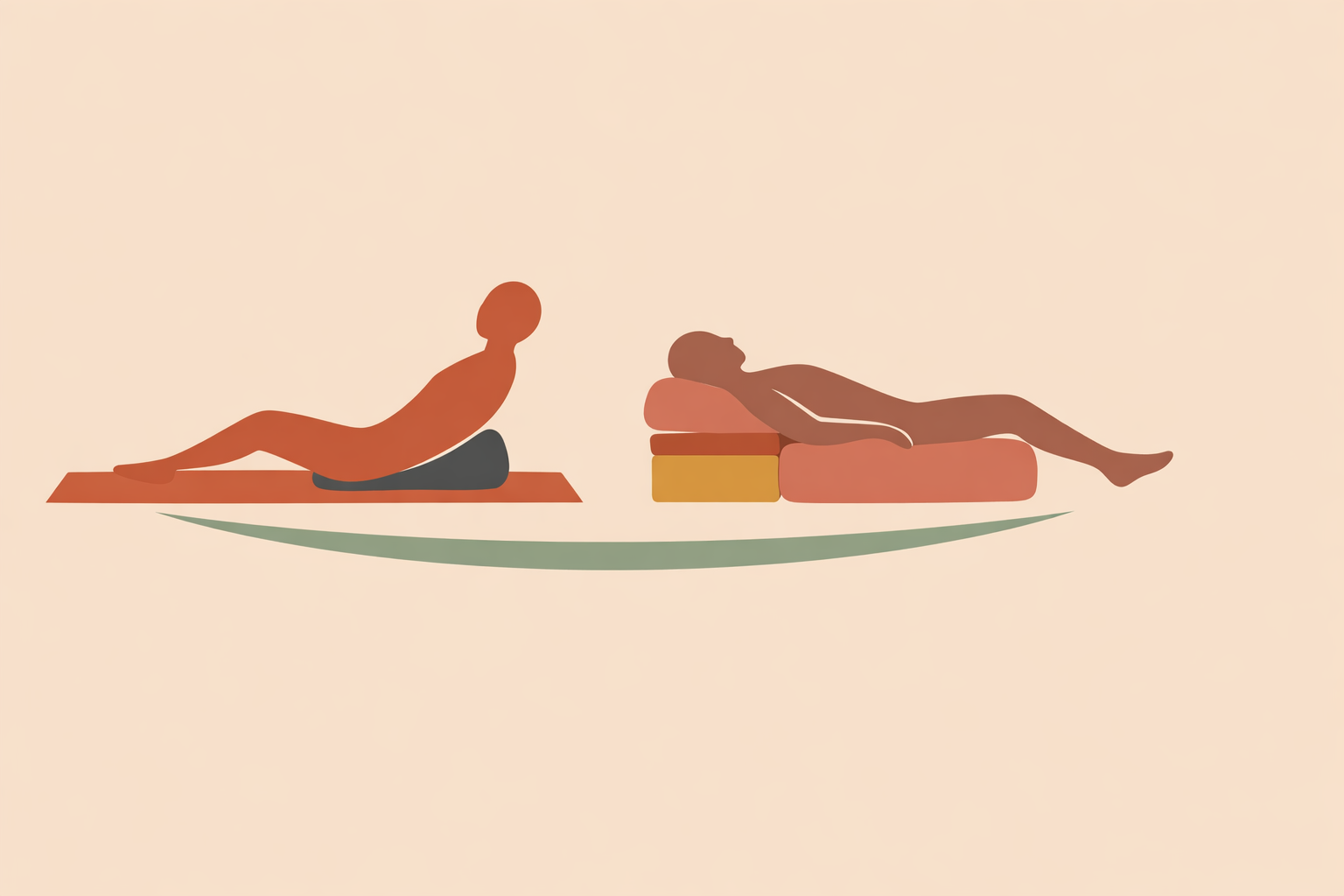
Inclusive teaching means giving different bodies and experience levels a shared pathway through class. The goal isn’t to run multiple classes at once, but to offer options that preserve the intention of the practice.
This is observation in motion: you notice who needs less load, less range, more support, or a simpler step—and you respond without losing the sequence thread. Assessors value strong modifications because they prove you’re teaching real people, not idealized shapes.
The best options don’t abandon the pose’s purpose. They keep the intention while changing the pathway—shortening a stance, lowering a knee, using the wall, reducing depth—so students can still access the core intention.
For mixed levels, it helps to teach one clear base version first, then layer choices. Broader teaching advice often recommends a shared base task with variations, so the room stays unified.
Language carries your inclusivity as much as the shapes do. Phrases like “one option is…” or “you might stay here” tend to create dignity and choice. Educational communication research links autonomy-supportive language with stronger student dignity and engagement.
One trainee described learning everything from philosophy to “trauma-sensitive teaching” as beyond measure trauma-sensitive. When students feel respected rather than managed, they can stay connected to themselves. Studies on empathic, respectful teacher communication also link it with deeper engagement over time.
A simple formula can help:
- Name the base shape
- Offer one lighter option
- Offer one stronger option if appropriate
- Remind students what the pose is for, not just what it looks like
Once options are on the table, students need help organizing them well. That’s functional alignment.
Practicum Skill 5: Functional Alignment for Real Bodies
Functional alignment helps students organize movement with clarity and steadiness instead of chasing a single ideal shape. It shows you understand the purpose of a posture and can communicate it in a way real bodies can use.
Many new teachers start with alignment as a list of rules. But real teaching quickly reveals variety: proportions, bone structure, mobility, and capacity differ widely. So alignment becomes less about appearance and more about efficient movement and appropriate load.
That doesn’t mean “anything goes.” It means your cues help students create organization that supports the pose’s intention. Assessors often reward teachers who understand joints, movement patterns, and weight-bearing choices well enough to guide with confidence.
For example, in Warrior II, you might be aiming for steadiness through the legs, spaciousness through the chest, and sustainable effort through breath. If a stance is too long to breathe steadily, shortening it can improve the pose—even if it looks less dramatic. That’s functional alignment: organizing for purpose and steadiness.
The art is keeping cues brief so the class stays embodied. Think of it like seasoning: enough to bring out what matters, not so much that you can’t taste the dish. Teaching resources often emphasize clear explanation and selective detail over constant correction.
Training educators also note that learning anatomy and common strain patterns can change how you teach for life. Even without getting overly technical, it helps you spot when someone is collapsing, gripping, or forcing—so your cues can be both kinder and more effective.
At its best, functional alignment supports a foundational yogic principle: practice cultivates awareness, not ego-performance. From there, breath can return to the center.
Practicum Skill 6: Breath-Led, Tradition-Honouring Teaching
Breath-led teaching turns a sequence of movements into yoga. In practicum, it shows you can guide pacing, attention, and effort through the thread that has always sat at the heart of the practice.
Once movement is organized, breath gives it timing and meaning—when to enter, how long to stay, when to ease back. Many training descriptions highlight breath-led guidance as a core part of integrated teaching because it weaves attention and movement together.
Traditional frameworks treat breath as a regulating principle, not decorative language. Modern teachers may talk about pacing and regulation, but the lived experience is simple: when breath is steady, the room tends to settle.
Practically, this means anchoring breath to action: “Inhale, lengthen.” “Exhale, fold.” “Stay for three easy breaths.” Teachers who consistently connect breath with movement often create classes that feel more coherent and grounded.
Breath cues land best when they serve the moment, not when they clutter it. In practicum, strong breath instruction helps students move through entries, stays, and transitions with steadiness.
One graduate reflected that daily practice made her stronger and more flexible, but the biggest change was learning to “focus on my breath and stay present” present. That’s exactly why breath belongs at the center of practicum: it makes presence teachable.
A few breath-led habits can transform a class:
- Begin with simple, natural breath awareness
- Use breath to organize transitions, especially standing sequences
- When breath becomes strained, simplify the shape or pace
- Let brief stillness be part of instruction, not “dead air”
When breath leads, teaching often becomes less forceful and more trustworthy. That trust is a big part of professional presence—the final skill that gathers everything else.
Practicum Skill 7: Professional Presence and Classroom Leadership
Professional presence is the ability to hold a room with steadiness, clarity, and respect. It’s what allows sequencing, cueing, observation, modifications, alignment, and breath work to land as one integrated craft.
Students can feel the difference between performed authority and lived steadiness. Strong leadership doesn’t dominate the space—it organizes it. That’s why effective instructors are often described as calmly confident, with the ability to hold attention without overpowering the room.
A lot of leadership is practical: starting on time, settling the room with your opening words, keeping transitions smooth, and leaving enough space to close without rushing. Assessors notice these details because they reflect real teaching reliability, including time management.
Professional presence also includes ethics. Many credentialing frameworks list ethics as central to responsible teaching—clear standards for conduct, honesty, and appropriate boundaries. In practice, that looks like fair treatment and respect for students’ autonomy.
For yoga teachers, cultural respect matters just as much as logistics. Yoga doesn’t become more accessible by erasing its roots; it becomes more meaningful when teachers approach those roots with humility and learning. Many programs now emphasize cultural literacy, including awareness of yoga’s South Asian origins, as a sign of maturity.
And, like any craft, presence grows through repetition and feedback. Professional-development literature often points to the value of teaching experience over time—so your job in practicum isn’t to look advanced, but to teach responsibly.
One graduate shared that the confidence gained in speaking, holding space, and planning classes ended up changing how she led teams at work confidence. That spillover makes sense: steady leadership in yoga is, at heart, clear and ethical human leadership.
And that’s what practicum is really testing. Not perfection—integration.
Conclusion: Integrating the 7 Practicum Skills to Pass Assessments
Passing practicum comes from integration, not from mastering each skill in isolation. When sequencing, cueing, observation, options, alignment, breath, and leadership work together, your teaching becomes coherent enough to assess—and real enough to trust.
Many certification pathways combine written work, supervised teaching, and practical evaluation, keeping embodied skills at the center. That structure fits the tradition: yoga is transmitted through experience, so readiness shows in how you guide a room, not only in what you can explain.
Across university-based and independent programs, the emphasis often includes embodied skill, clear communication, philosophical grounding, and compassionate guidance as interconnected elements of teaching craft.
Preparation works best when it mirrors how teachers actually grow: teach aloud, record yourself, practice with classmates or community, refine sequencing, and simplify cues. Professional-learning guidance consistently emphasizes ongoing practice, reflection, and feedback over one-off efforts.
Over time, sustainable development comes through continued learning and real teaching experience continuous learning. Increasingly, it also includes stronger digital communication skills—clear audio, camera presence, and concise messaging—for online or hybrid classes.
Just don’t try to do it alone. One graduate described training as the source of a community of colleagues and mentors who kept her accountable to her practice. In education more broadly, community support is widely recognized as a driver of growth beyond basic competence.
If you approach practicum with respect for tradition, openness to feedback, and the willingness to refine one class at a time, confidence doesn’t need to be performed. It gets built.
If you’re ready to deepen your own practice while developing these seven practicum skills in a structured, supportive way, explore Naturalistico’s Yoga Teacher Certification pathway. It blends traditional roots with modern, real-world teaching skills so you can confidently guide others and grow your practice over time.
Teach-Ready Yoga Skills
Build practicum-ready integration with Naturalistico’s Yoga Teacher Certification.
Explore Yoga Teacher Certification →