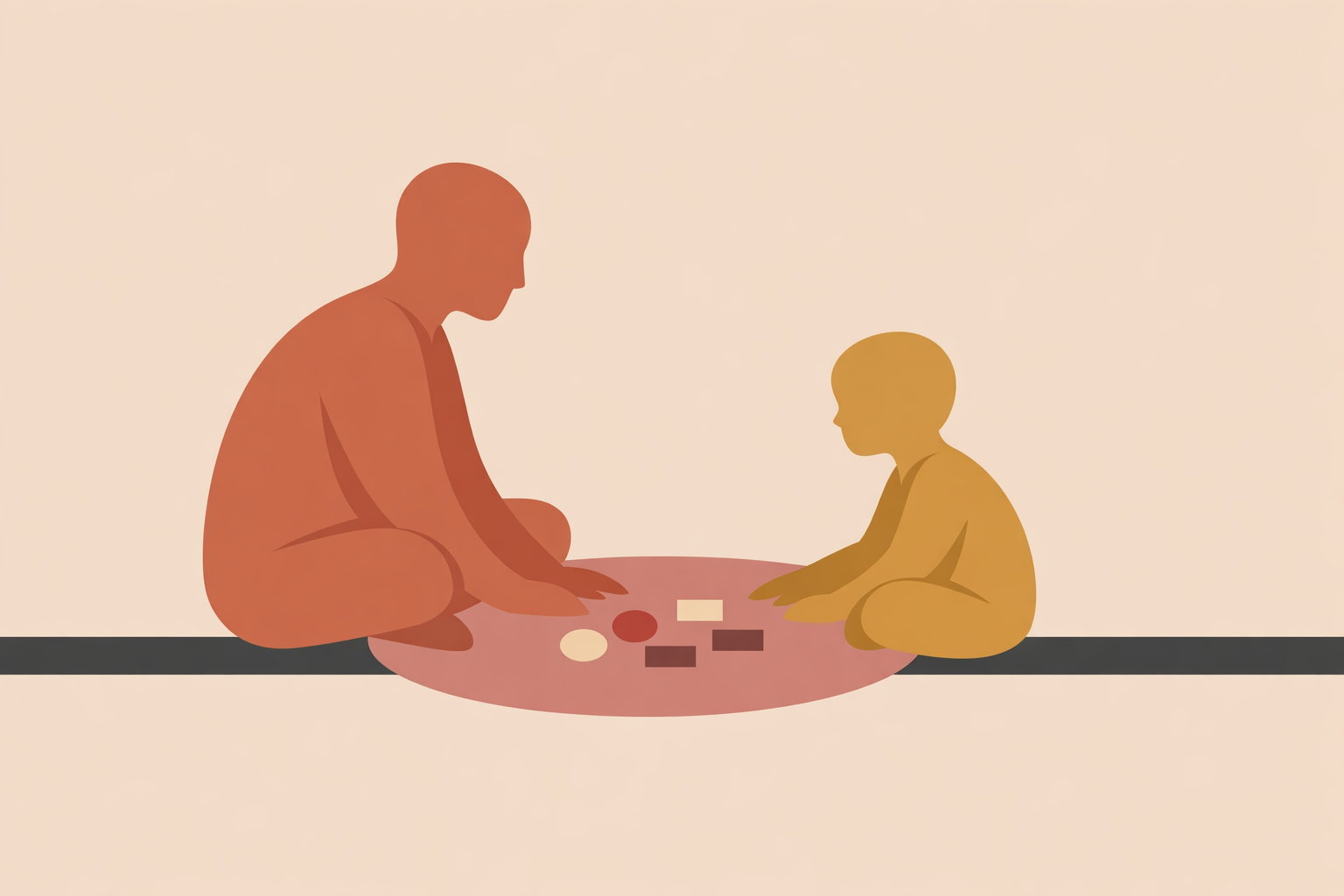
Scope is the quiet structure that keeps child-focused coaching safe, ethical, and genuinely helpful. For a new child psychology coach, clear scope rules act like a compass—so you can support children deeply without sliding into roles you were never meant to hold.
Because coaching is an unregulated field, strong practitioners define boundaries on purpose, not by accident. Many coaches lean on time-tested principles—beneficence, non-maleficence, integrity, justice, and respect for dignity—as a steady guide for everyday choices.
Child-centered coaching also means protecting the child’s well-being and autonomy, not simply meeting the preferences of nearby adults or institutions. Strength-based child welfare coaching emphasizes ongoing, relationship-led support—so growth can actually hold in the child’s real life (relational support).
In practice, the most effective work often blends ancestral approaches—mindfulness, breathwork, storytelling, art, and movement—with modern insights like plasticity. Traditional wisdom brings depth and cultural grounding; contemporary research offers helpful language and tools. The seven scope rules below follow that same spirit: honor dignity, respect community knowledge, and use evidence as an ally—not a boss.
Key Takeaway: Clear scope rules keep child-focused coaching ethical by centering the child’s voice, matching developmental readiness, and holding firm boundaries around consent, confidentiality, and competence. When coaches collaborate, practice cultural humility, and refer when needed, children get safer support that can actually last in real life.
Scope Rule 1: Start With the Child’s Voice, Not the Adults’ Agenda
Ethical scope begins by centering the child’s autonomy and lived experience. When the child’s voice leads, goals stay aligned with their values and context—not just adult expectations.
Every child carries inherent dignity and deserves age-appropriate self-direction (dignity). Put simply, ask what matters to them, reflect it back, and build goals that fit the rhythms of their day. Many child-coaching frameworks also encourage treating the child as the expert in their own story and building on what already works (child expert).
Context is part of the child’s voice. Developmental ethics reminds us to consider culture, language, community expectations, and stressors—so we don’t shrink complex realities into “behavior problems” (social factors). And when there’s tension between the child’s interests and system demands, beneficence points us back to the child’s welfare.
“Children are not things to be molded, but are people to be unfolded.” – Jess Lair
Here’s why that matters: when a child feels seen and has real say, they bring more energy to practice, try new strategies, and notice their own progress. Ownership is often what makes growth sustainable.
Putting children in the expert seat
- Begin with “What would feel better for you this week?” instead of “Here’s what we’re going to fix.”
- Mirror their words: “You want mornings to be calmer and art time to stay.”
- Co-author goals: “What’s one small step that fits your day?”
Scope Rule 2: Coach the Child You See, Not the Adult You Imagine
Your scope stays safe when your expectations match the child’s developmental reality. Let readiness—not adult impatience—set the pace.
To support meaningful participation, first gauge the child’s capacity to understand options and consequences, then adapt your language accordingly. From a nervous system and development lens, key executive skills (like impulse control, planning, and emotional regulation) are still developing through childhood and adolescence. Expecting adult-level self-management from a growing brain often creates friction, not growth.
For younger children, warmth, predictability, and playful practice are often the fastest route to real skills. Early childhood approaches like the Pyramid Model emphasize connection and simple, repeatable steps for building social-emotional capacity. As Jerome Singer put it, “The activities that are the easiest, cheapest, and most fun…are also the best for child development.” And in the spirit of discovery, Piaget reminds us, “Every time we teach a child something, we prevent him from inventing it himself.”
Think of development like stepping stones: the right challenge builds confidence, while too-big leaps can trigger shutdown. Match the moment, and children tend to lean in.
Let development—not impatience—set the pace
- Early childhood: 5-minute practices, visual choices, songs, and movement.
- Middle years: playful planning, checklists, role-plays, small ownership tasks.
- Teens: values mapping, peer scenarios, time-blocking, reflective journaling.
Scope Rule 3: Stay in Your Lane—Coaching, Not Correcting or Controlling
Scope clarity protects children and builds trust. Coaches focus on empowerment, skill-building, and collaborative goals—not labeling, policing behavior, or promising outcomes that belong to other professions.
Ethical guidance emphasizes staying within scope limits and avoiding activities tied to regulated roles. Practically, that means no clinical labels, no medical advice, and no prescriptive claims—plus clear, upfront communication about what you do offer. Because coaching has limits, families deserve transparency.
Ethical principles also call us to represent our competence accurately and seek support when needed (competence). In child-centered coaching, that naturally includes ongoing learning and reflective practice, so your work stays grounded in both evidence and lived community wisdom.
“Mindset change is not about picking up a few pointers… It’s about seeing things in a new way.” – Carol Dweck
Coaching support looks different from controlling behavior. As Ross Greene notes, “Challenging behavior occurs when the demands placed on a child outstrip the skills they have.” Your lane is helping build those skills—step by steady step—so the child can meet real-life demands with more ease.
Defining what you do (and don’t) offer
- Offer: strength-spotting, emotional literacy, routines, communication tools, values-aligned choices.
- Don’t offer: health assessments, labels, medical guidance, or promises of outcomes outside your training.
- Be clear: “I support skills and habits. When specialized support is needed, I’ll help you connect to the right professional.”
Scope Rule 4: Make Consent, Clarity, and Confidentiality Non-Negotiable
Children trust coaching when they understand the “rules of the room.” Informed assent, caregiver awareness, and clear confidentiality—explained in child-friendly language—belong at the start.
Ethics guidance recommends explaining purpose, structure, possible benefits, and limits in child-friendly consent language. Confidentiality supports honesty, but it has limits tied to safety and appropriate adult involvement.
School-aligned ethics also highlight discreet, professional family communication that keeps the child’s best interests at the center. Coaching toolkits recommend clarifying information sharing from day one—what gets shared, with whom, and why—and revisiting it through ongoing assent as circumstances evolve.
“Clear is kind.”
When children know what to expect and what’s private, they tend to open up. That openness supports real growth, not just surface-level compliance.
Explaining the “rules of the room” in child-friendly language
- “My job is to help you build skills that make life feel better for you.”
- “Most of what you share stays here. If I’m worried about safety, I’ll tell you and we’ll bring in an adult together.”
- “Your grownups know we’re meeting and what our goals are. We’ll share progress without sharing every detail.”
Scope Rule 5: Hold Firm, Kind Boundaries in Every Relationship
Boundaries aren’t barriers; they’re safety rails. Clear agreements around time, roles, and closeness protect children, families, and your integrity.
Child-focused ethical guidance warns against dual relationships and conflicts of interest, especially when power differences and trust are involved. Broader professional ethics emphasize responsibility and avoiding relationships that impair objectivity or create harm. Other applied ethics codes also discourage entanglements—romantic, financial, or otherwise inappropriate—with young clients.
Predictability is soothing for children, so explicit agreements matter: session length and location, contact outside sessions, and what counts as self-disclosure. Relationship-centered guidance also points to consistent limits as the foundation of a safe space.
As David Erickson notes, trust and connection are what let us influence children for years to come. Kind boundaries create a steady rhythm; when children can count on you to be the same person each time—grounded and reliable—they relax enough to grow.
Being the steady adult in the room
- Time: Start and end on time; give 5-minute warnings; honor transitions.
- Contact: Keep communication within agreed channels and hours; respond consistently.
- Closeness: Share sparingly and purposefully about yourself; keep the focus on the child.
Scope Rule 6: Practice Cultural Humility and Honor Ancestral Roots
Scope isn’t only about what you avoid—it’s also about how you show up with culture, history, and tradition. Cultural humility and respect for ancestral practices are non-negotiable in child-focused coaching.
Culturally humble practice recognizes the cultural contexts shaping a child’s life, and avoids treating one worldview as the default. Many families already carry long-standing ways of supporting calm and resilience—song, breath, movement, prayer, nature time, and ritual. These practices deserve credit, context, and consent when they’re welcomed into coaching.
Indigenous leaders have cautioned that appropriation—misusing or commercializing traditional practices—harms source communities. Others also describe how gatekeeping and power dynamics can strip origin stories and exclude marginalized groups. In practical terms, the responsibility is simple: use traditional practices without taking them.
Strengths-based coaching invites families to bring their own wisdom forward, naming it as family strengths rather than treating difference as a deficit. As Jane Nelsen reminds us, every child longs for belonging and significance—and cultural resonance can support both.
Using traditional practices without taking them
- Ask permission: “Would you like to include your family’s practice of…?”
- Give credit: Name the people and places these practices come from.
- Compensate and reciprocate: Support origin communities and teachers.
- Keep context: Share the story and purpose, not just the technique.
Scope Rule 7: Don’t Coach Alone—Collaborate, Refer, and Keep Learning
Scope is a living practice. Collaborate with families and communities, refer in a timely way, seek supervision, and keep learning—so no child’s story rests on one pair of shoulders.
Child welfare coaching resources emphasize partnering with caregivers, educators, and community supports so plans are coherent and realistic. Early childhood frameworks also emphasize layered supports across home, school, and community. When situations become complex, developmental ethics encourages consultation rather than trying to carry it alone.
There’s also a hopeful reason to collaborate: supportive relationships can reshape brain pathways over time. School-aligned ethical guidance highlights consultations that stay professional and keep the child’s interests central, and coaching ethics emphasizes supervision that protects confidentiality while strengthening practice.
“The art of teaching is the art of assisting discovery.” – Mark Van Doren
The same is true of coaching. When you refer, make it warm: offer options, explain your reasoning, and—when possible—connect families to real people, not just a list of links.
Turning a single session into a circle of support
- Collaborate: Align simple strategies with caregivers and teachers to reduce friction.
- Refer: When needs exceed your scope, connect families to specialized support and follow up.
- Learn: Commit to ongoing study—both research and ancestral wisdom—and regular supervision.
Living the 7 Scope Rules in Everyday Child Coaching
Imagine a coach a few months in: sessions feel steadier, children understand the “rules of the room,” and families feel respected. That’s scope lived daily—center the child’s voice, match development, stay in your lane, clarify consent, hold kind boundaries, honor ancestry, and build a circle around each child.
Scope isn’t a one-time checklist; it’s a reflective cycle. Ethical frameworks encourage ongoing self-reflection, consultation, and adjustment as a child’s story evolves. Strengths-based coaching also offers practical language—like DARN CAT—to spot motivation and change that aligns with the child’s values.
From a neuroscience-informed lens, consistency over time is what tends to create the most durable growth. And ethical guidance asks us to keep revisiting our own limits and bias, staying anchored in non-maleficence—the commitment to avoid harm and keep the child’s best interests central.
Train as a Child Psychology Coach
Build child-safe coaching boundaries with Naturalistico’s Child Psychology Coach Certification.
Explore Child Psychology Coach →