Your final practice class concentrates every pressure of teaching into a single hour. You’re in front of peers, assessors, and mixed-level students; the clock is visible; small missteps feel amplified. The predictable failure modes show up fast: packing in too many poses, over-talking to manage nerves, chasing a “peak” that outpaces the room, using touch without clear consent, or burning the last minutes and rushing rest. The result can look busy but land unevenly—coherence slips, student choice narrows, and your leadership feels tentative.
What works on assessment day is the same approach that sustains a long-term teaching path: repeatable class architecture rooted in clarity, simplicity, and ethics. When you rely on structure instead of spectacle, pressure turns into steady guidance—and you teach the same way you’ll teach once the certificate is issued.
Key Takeaway: Under assessment pressure, your best asset is a repeatable class structure that prioritizes clarity, consent, and pacing. Open with a simple plan and choice, build a coherent arc from warm-up to rest with scalable options, cue with precision, and protect unhurried cool-down and reflection so the class lands evenly.
Move 1: Open a Clear, Grounded Container
Your opening minutes set the tone—keep them simple, steady, and consent-forward. A brief check-in, a clear plan, and trauma-aware language can shift nerves into leadership.
Arrive early, breathe with the room, and start with a concise welcome that honors tradition without performance. A short silence, an optional centering breath, and an accessible intention works well—something like, “Let this practice support clarity and kindness.”
Then establish choice and clarity. A quick check-in—“Any sensitivities I should know about today?”—signals care and invites self-responsibility. In supportive yoga settings, this kind of student-led pacing shows up in programs associated with reduced pain and distress, and it helps you set the right intensity from the start.
Name the plan in plain language: “We’ll warm up on the floor, stand for about 15 minutes, then land with breathwork and rest.” For anxious or newer practitioners, knowing what’s coming can ease anticipatory anxiety and build trust.
Finally, be explicit about consent and pacing. Use opt-in touch only (with visible indicators when available) and normalize rest right away: “You’re welcome to pause or skip anything.” That single sentence widens choice—and choice is a powerful container.
Move 2: Sequence with Simplicity and a Clear Arc
Choose coherence over complexity. A steady arc—warm-up, standing, floor, rest—helps bodies settle, focus, and actually receive the practice.
Supportive yoga programs often succeed with moderate variety and thoughtful pacing, leaving room for repetition and breath instead of constant novelty. That approach aligns with formats linked to reduced discomfort and steadier attention.
- Warm-up: Floor-based mobilization, gentle core engagement, and easy range to wake up joints and breath.
- Standing phase: Familiar standing poses, balances, and simple flows to build heat without overwhelm.
- Floor integration: Grounded shapes, simpler coordination, breath-led transitions.
- Rest: Stillness and integration with enough time to register the work.
Keep the middle smart, not showy. Many students struggle more with repetitive chaturanga and deep backbending than teachers expect, so build progressive strength and range. A practical example: hinge and fold with bent knees early, then deepen only once tissues feel awake—an approach that echoes guidance to slow yoga down and respect joints.
As you build toward a “peak,” think peak experience rather than peak pose. A balanced standing flow, a supported backbend, or a calm, organized sequence can feel just as powerful. Then downshift to floor-based shapes and breath so the nervous system can catch up.
Move 3: Cue Less, Say More – Refine Your Teaching Voice
Speak like a guide, not a narrator. Offer one clear direction at a time, then let people feel it.
Over-cueing increases cognitive load and keeps students in their heads. Many teachers find that choosing one or two key alignment ideas per pose—and leaving silence between them—improves comprehension. Some even build “minimal-cue” sections to encourage presence, a teaching approach often shared as minimal cues.
Once a shape is set, balance outer form with inner attention. Interoception means sensing what’s happening inside the body; put simply, it’s the “felt sense” you’re training students to notice. In supportive yoga research, practices emphasizing body awareness are associated with improved interoceptive awareness and calmer mood—so prompts like “Notice the weight in your heels,” or “Soften your jaw as you exhale,” can do a lot with very few words.
If you’re teaching online, demonstrate consistently and keep cues sequential. Many students learn best with consistent demonstration and clear audio. And when you offer options, avoid stacking too many choices at once—evidence from audio-only coaching suggests too many options can increase errors, while a single alternative keeps flow intact.
Move 4: Teach to All Levels with a Shared Ladder of Options
Inclusive doesn’t have to mean chaotic. Start with a stable base, then layer challenges so everyone shares the same rhythm at a suitable intensity.
A helpful mindset is “one map, many doors.” You teach a clear baseline, then offer options in a progression. That’s deeply aligned with long-standing lineages that adapt one practice to many bodies through progressive options.
Use language that doesn’t rank people. Instead of “full” versus “modified,” try: “Option A: stay here; Option B: hover the knee; Option C: lift the arm.” Demonstrate props yourself so they feel normal and skillful—teachers who normalize props often find the whole room relaxes.
Time-bound holds with self-regulated effort are another steady tool. Reviews describe yoga practices as broadly safe across ages when participants choose their level. Your job is to keep the tempo kind and consistent so people can listen to their bodies without social pressure.
Move 5: Lead with Ethics, Boundaries, and Cultural Respect
Technique gets you in the door; ethics keep you there. In assessment settings, it’s tempting to overreach—resist it. Protect consent, stay within scope, and hold yoga’s roots with care.
Make consent non-negotiable. Use opt-in touch protocols and keep any physical guidance minimal, clear, and non-invasive. If you aren’t sure touch will genuinely help, don’t use it. Explain your approach briefly at the start so students feel empowered.
Be transparent about your role: education, exploration, and coaching for well-being—never promises or prescriptions. When a student’s needs go beyond what a class can hold, referring them onward is good leadership. This matches the spirit of professional code of conduct frameworks emphasizing safety, consent, and honesty about qualifications.
Respect yoga’s South Asian heritage with real care. If you share mantra, mudra, or chakra frameworks, give context, do your best with pronunciation, and avoid using sacred symbols decoratively. Acknowledge sources. This isn’t performative—it’s relational, and it protects the depth of what you’re offering.
Model boundaries, too: end on time, keep self-disclosure purposeful, and stay steady if emotions surface. Offer grounding options and space to rest, and point to additional support when appropriate.
Move 6: Land the Practice with Cool-Down and Rest
Integration and stillness are part of the practice, not an afterthought. A wise cool-down and unhurried rest help the whole arc complete.
Gradually taper intensity as you move from standing to the floor. Supportive yoga systems often encourage downshifting effort to invite rest-and-digest states—think low-load hip openers, gentle twists, simple prone or supine backbends, and breath-led transitions.
Guard the clock so rest isn’t rushed. Many teachers reserve 5–10 minutes for cool-down plus another 5–10 minutes for final rest in a 60–75 minute format. Late in class, tissues can be more fatigued, so easing away from end-range stretching at the very end often feels kinder.
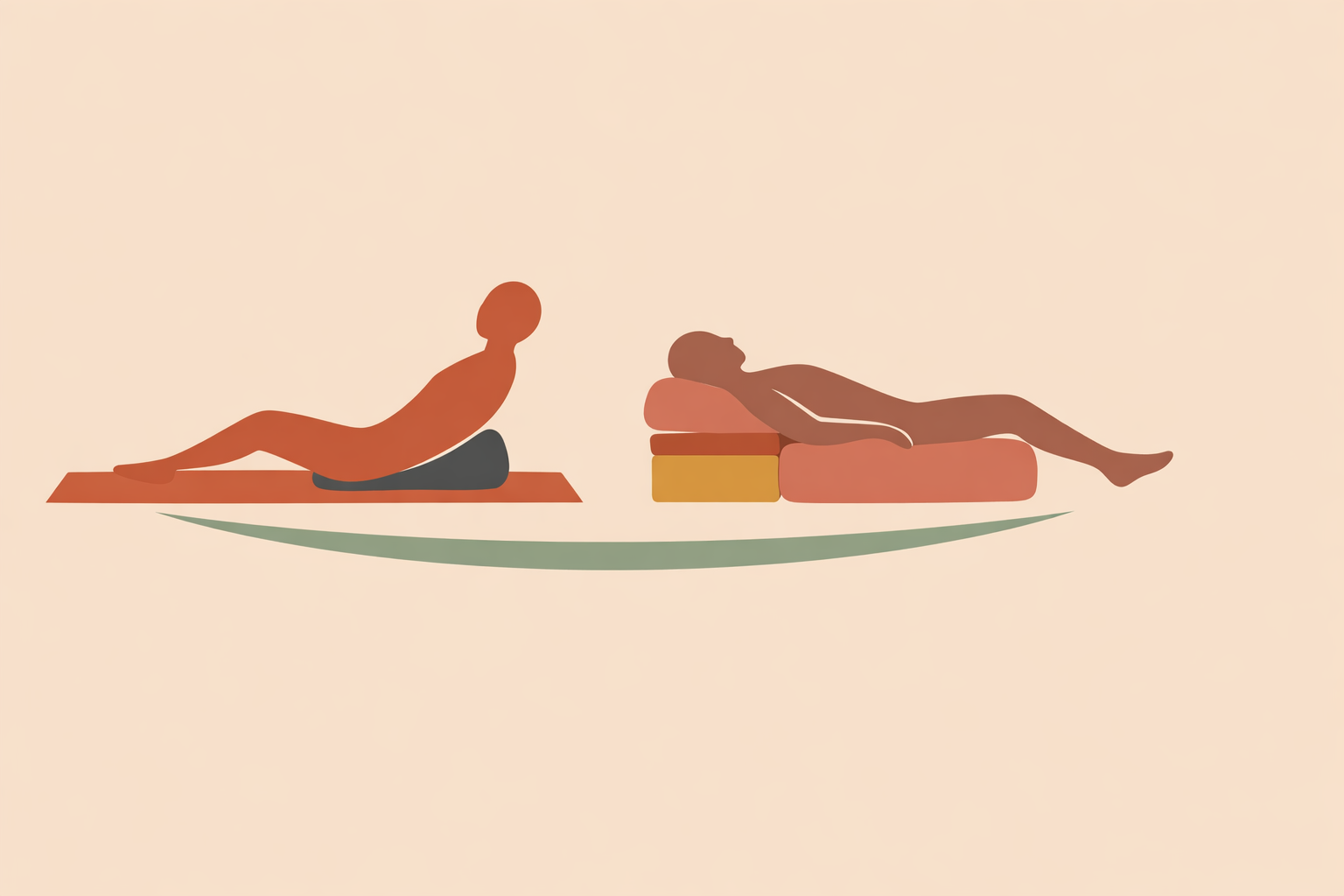
Offer choices in rest. Not everyone feels safe or comfortable on their back, so include side-lying or supported seated rest and normalize eyes-open resting. Then reduce verbal input—many students appreciate a minimal-cue close so the practice can settle without extra thinking.
Move 7: Close the Circle with Reflection and Professionalism
How you finish teaches as much as your sequence. Close with clarity, then offer a small moment of reflection so students leave oriented.
Bring people back slowly—small movements, a seated pause, a few breaths of gratitude or metta—then complete. Offer one short prompt: “What’s one sensation or insight you want to carry into the next hour of your day?” Then let the room have its quiet.
Hold a brief window for questions while keeping boundaries: “I’ll be here for five minutes if you have questions—otherwise, thank you for being here.” If someone needs a private conversation, step aside and bring the same consent and scope clarity you held all class.
As one graduate put it after an immersive training, she had “learned more” than expected about both yoga and life; that kind of growth sticks when you make reflection a habit.
Then do the quiet professional things: tidy props, return the room better than you found it, and jot a few notes—what landed, what felt off, what to refine next time.
Conclusion: Turn Your Final Practice into a Sustainable Path
Mastering your final practice class isn’t about dazzling anyone—it’s about embodying steady moves you can repeat for years. Open a clear container, follow a simple storyline, cue with precision, offer options without pressure, lead with ethics and cultural respect, make rest non-negotiable, and close with calm professionalism.
From here, keep tending your craft: deepen personal practice, study anatomy and philosophy side by side, seek mentorship, and welcome feedback. Many modern communities emphasize that growth is ongoing and supported by shared ethics rather than a single credential—principles echoed in professional code of conduct frameworks.
Train Smarter, Teach Steadier
Apply these seven moves in Naturalistico’s Yoga Teacher Certification with clear structure, consent, and inclusive sequencing.
Explore Yoga Teacher Certification →