Most teen coaches recognize the same pattern: in a calm session, a young person can make a solid plan; later, that plan melts under group chat pressure, late-night emotion, or the pull of a screen. Pushing harder rarely fixes follow-through. What helps is coaching built for real life—those fast choices, social dynamics, and emotional spikes that shape a teen’s day.
Adolescence is a powerful learning window, and the brain is especially socially reward-sensitive. Coaching works best when it turns intention into short, near-term actions, uses relationship as an anchor, and treats self-regulation as a skill that strengthens through practice.
Key Takeaway: Teen coaching holds best when plans are built for “hot” moments, not just calm reflection. Pair short-horizon, teen-led goals with simple regulation tools and real-world rehearsal, and use trusted relationships and peer dynamics to make follow-through easier when emotions and social pressure spike.
Why teens make different choices in calm moments and “hot” moments
Many teens can reason well in calm moments. The challenge is that calm reasoning doesn’t always hold when things get intense—socially or emotionally.
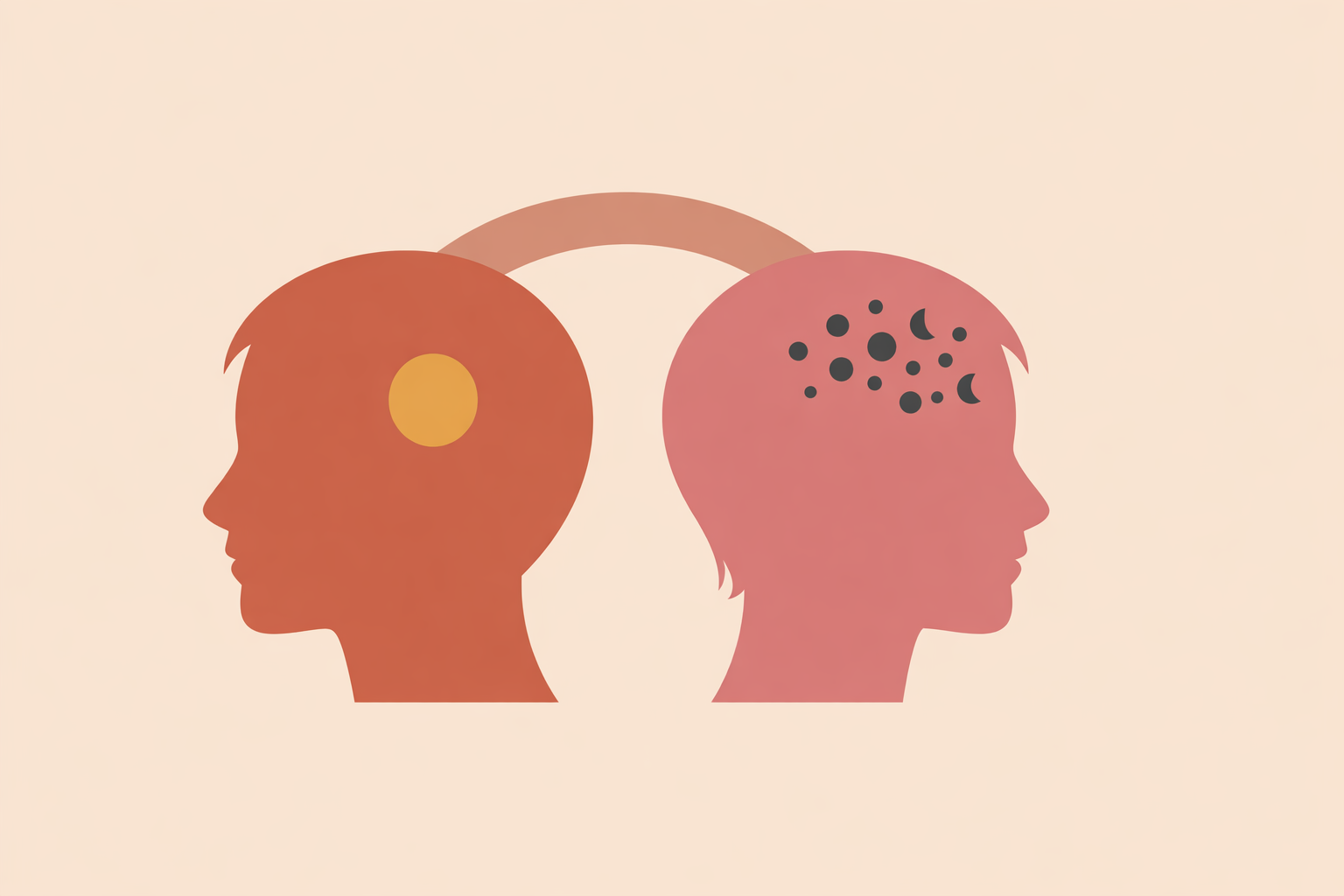
Studies suggest that even when adolescents understand risk, hot contexts shift decisions. Think of it like the brain switching gears: urgency, embarrassment, attraction, fear of missing out, or the need for quick relief can take the wheel.
So it’s rarely about intelligence or “not caring.” It’s state-dependent choice: what seemed easy at 4 p.m. can feel impossible at lunch, during a conflict, or at 11 p.m.
Coaching needs to prepare for the heat, not just the clarity. That can look like:
- Role-playing peer pressure before it happens
- Creating one-line scripts for late-night messages or invitations
- Identifying trigger windows (after school, before bed, during arguments)
- Choosing one easy alternative action a teen can remember under stress
When the coaching plan is designed for the real moment of choice, follow-through becomes far more likely.
How to adapt goals for the teen brain
Classic goal-setting frameworks can help, but teens usually do best with goals that are teen-led, visual, and close to the horizon.
Vague goals like “be more confident” or “get organized” often don’t create traction by themselves. Momentum comes when a goal becomes something a teen can see, track, and try this week—less abstraction, more action.
It also matters that goals are built with teens, not imposed on them. Youth development guidance emphasizes teen-involved goal-setting and using participation and problem-solving to move toward those goals.
In practice, that means translating broad aims into short, observable behaviors with goal-setting that feels collaborative rather than imposed:
- Instead of “study more,” try “20 minutes at the desk after snack on four days this week”
- Instead of “stop arguing,” try “pause before replying once per day”
- Instead of “be healthier,” try “put phone down by 10:30 three nights this week”
Prompts that keep teens engaged without overwhelming them:
- Goal: “If this week went better, what would be different by Friday?”
- Reality: “What usually gets in the way?”
- Options: “What are three tiny things that could help?”
- Way forward: “What will you try in the next 24 hours?”
Keep the structure light but clear. Most teens need enough scaffolding to act, without turning the plan into something that doesn’t feel like theirs.
Coaching emotional regulation without slipping into lecture mode
When feelings surge, logic alone usually can’t carry the moment. A reliable sequence is: validation first, then regulation, then choice.
Youth self-regulation guidance emphasizes noticing and naming feelings, reflecting on them, and building practical strategies—rather than trying to reason emotions away. Essentially, the coach’s job is to help a teen track what’s happening and create a little space for a better next step.
Simple practices often do the most work: slow breathing, sensory grounding, and brief movement. They’re practical, repeatable, and easy to pair with coaching—especially when the teen is already in a “hot” state.
A short session protocol might be:
- Name it: “I’m angry,” “I’m wired,” “I’m embarrassed,” “I’m flat”
- Slow the body: longer exhale than inhale
- Orient: notice a few things you can see or feel
- Choose: pick the smallest next action
Validation keeps the relationship intact. A coach script can be as simple as: “Makes sense that this hit hard. Let’s slow it down enough to choose your next move.”
Over time, repetition builds capacity. Youth guidance notes that identifying emotions and creating regular opportunities for reflection can support self-regulation. That’s where short post-moment debriefs help:
- What were you feeling?
- What did your body do first?
- What helped, even a little?
- What would you like to try next time?
Those cycles of noticing, settling, and reflecting can strengthen self-regulation over time.
Teen procrastination: what is really happening
Procrastination is often less about “laziness” and more about immediate relief beating delayed reward. Once that’s clear, coaching becomes more practical and far less shaming.
Research links procrastination to short-term relief taking priority over future payoff. And because teens often experience “later” differently than adults, the promise of doing it tomorrow can feel genuinely convincing in the moment.
So the job is to reduce the size of the start, make the next step obvious, and add some near-term completion or reward.
Helpful strategies include:
- Micro-steps: make the first action so small it’s hard to resist
- Visual tracking: use a simple checklist, streak, or daily mark
- Predictable timing: anchor effort to the same cue each day
- Short sprints: work in brief windows rather than vague long sessions
Two tools that work well in many coaching settings:
- The two-minute start: do the first slice only
- Reflective debrief: after the sprint, ask what worked, what blocked momentum, and what to adjust tomorrow
Many teens also benefit from external structure—planners, routines, visible lists—while planning skills are still maturing. Done well, these supports build independence rather than replacing it, much like time management coaching that partners with teens instead of policing them.
The social brain: peers, identity, and digital life
Belonging drives behavior in adolescence. Coaching becomes more effective when it works with that truth instead of fighting it.
Adolescence involves heightened social sensitivity, and teens often take bigger risks in group settings. When social reward is immediate, behavior can shift fast.
That shift shows up consistently: studies indicate peer presence increases adolescent risk-taking even when teens understand the downside. So the goal isn’t to remove social motivation—it’s to channel it.
Coaching approaches that often help:
- Narrative coaching: “What kind of person are you becoming in your friendships and online spaces?”
- Values-to-scripts: translate values into short lines a teen can actually say under pressure
- Peer-powered support: use challenge buddies, study groups, or shared commitments where wise choices carry social reward
- Digital friction: add simple barriers during late-night “hot” windows (do-not-disturb, app limits, phone outside the room)
Identity work ties it together. Teens follow through more when an action fits the story they want to live—reliable, grounded, creative, kind, disciplined, independent. Coaching helps connect today’s choices to that deeper sense of self.
Relationships, culture, and wise boundaries
Teen coaching is relational work. Trust isn’t a “nice extra”—it’s the container that makes challenge safe and meaningful.
Adolescents are more reward-sensitive than adults, and accountability needs to reflect that reality. Research suggests teens are more impulsive under pressure, so effective accountability tends to be clear, compassionate, and realistic.
This is also where cultural humility matters. Family rituals, spiritual practices, storytelling, music, time outdoors, movement, and community belonging can be powerful supports. A respectful coach welcomes the teen’s own roots and resources—without romanticizing them, and without borrowing from traditions that aren’t theirs.
For neurodivergent teens, co-regulation, predictable rhythm, and environmental clarity can be especially supportive. Put simply: less ambiguity, more consistency, so strengths are easier to access.
Good boundaries support trust, not distance. Useful foundations include:
- clear session aims
- plain-language agreements about privacy and its limits
- consistent check-ins
- caregiver communication that doesn’t erase the teen’s voice
Coaching also has limits. When distress stays intense despite supportive planning and regulation tools, it may be time to widen the circle of support. Persistent low mood, significant school impairment, or sustained social withdrawal can be warning signs that coaching alone isn’t designed to hold.
In those moments, the most skillful response is calm clarity: continue offering steady support where appropriate, involve the family responsibly, and encourage additional qualified support without shame or drama.
Teen coaching that actually holds in real life
When coaching matches adolescent development, the work becomes more grounded and effective. Instead of expecting teens to live from their calm, reflective self all day, the coach helps build structures that still hold when life gets loud.
That means short-horizon goals, visible plans, and rehearsal for “hot” moments. It means using breath, grounding, movement, and reflection—repeated often enough to become familiar under stress. And it means respecting the power of peers, identity, and belonging, then turning those forces toward growth rather than pretending they don’t matter.
Most of all, it means coaching through relationship. Teens often grow best when trusted adults stand close, expect a lot, and celebrate small wins without condescension. These years are intense, changeable, and full of possibility—and good coaching is steady, flexible, and human enough to meet them there.
Explore Teen Life Coach
Build teen-centered coaching skills that support follow-through in real “hot” moments with Teen Life Coach.
Explore Teen Life Coach →