Feeling comfortable in everyday conversation isn’t the same as being ready for real-world dementia support. Work-ready communication means your words, tone, timing, and presence reliably help someone feel safer, understood, and included—even on the tough days.
Dementia touches people and families in every community. Good intentions matter, but steady support calls for sensitivity, practical skill, and a calm presence you can sustain across ordinary moments—getting dressed, finding words, joining a meal, settling a worry.
That’s why certification-level learning often focuses on what actually transfers into daily life: communication techniques, approaches to changed behaviours, ethical foundations, and teamwork. In one evaluation, staff described training as engaging and valued time to reflect and apply skills between sessions. Broader person-centered overviews also link staff education with reduced agitation and more individualized daily activities.
Use the checkpoints below as a self-check you can return to as your practice evolves.
Key Takeaway: Work-ready dementia communication is less about saying the “right” thing and more about creating safety through steady presence, simplified clarity, emotional attunement, and non-confrontational redirection. When you pair person-centered ethics with ongoing self-care and practice, your support becomes reliable even under stress.
Checkpoint 1: Can You Regulate Your Own Energy and Non‑Verbal Signals?
Your inner state is the first language of dementia communication. Before any words land, your posture, face, and tone are already shaping the moment.
Across many traditional lineages, calm presence—and when welcomed, grounded touch—has long been part of how communities support elders and preserve social harmony. That wisdom translates beautifully here: as verbal reasoning becomes more fragile, non-verbal signals often carry the clearest message.
Essentially, when verbal processing is harder, emotional tone becomes central. Person-centered approaches emphasize relational safety: meeting someone at eye level, pausing before speaking, and using slow breathing to steady the room.
In practice, that can look like:
- Approaching from the front, softening your face, and waiting for eye contact.
- Letting silence do some of the work so the person doesn’t feel rushed.
- Leading with gentle sensory cues—warm tone, relaxed shoulders, an offered hand—before instruction.
Sensory-oriented habits like calm voice, warmth, reassuring touch (when consent is clear), and consistent body language are common in communication skills training. Person-centered reviews link these approaches to less agitation and steadier daily rhythms.
Mini self-check: What does your presence say before you speak?
- When you feel rushed, do you slow your breath and shoulders before approaching?
- Do you make eye contact at the person’s level and wait for a response?
- Can you notice and soften your facial expression when tension rises?
Checkpoint 2: Do You Actively Make Understanding Easier for a Changing Brain?
Clarity is kindness. Work-ready communication respects changing attention and processing by simplifying pacing, language, and the environment.
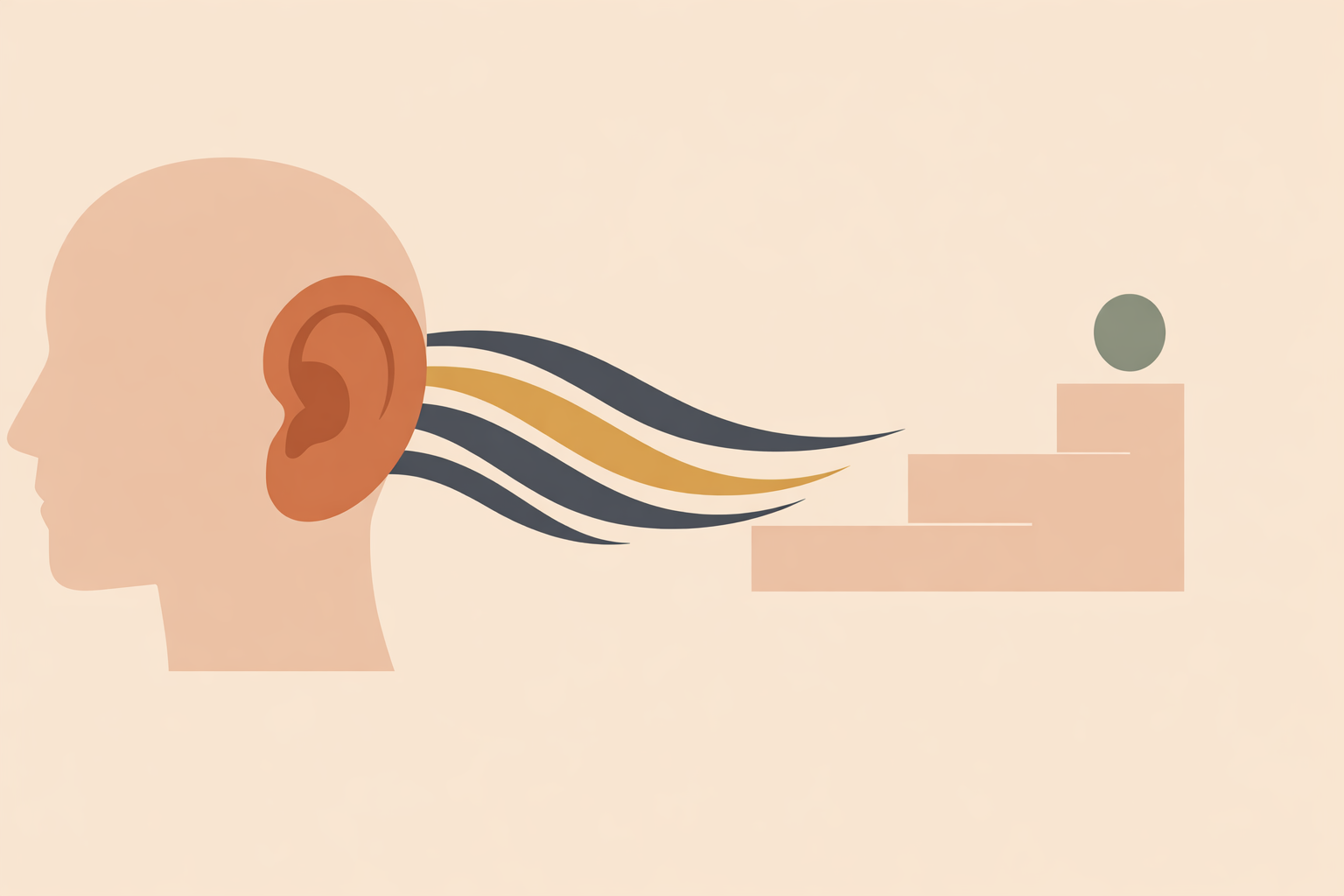
Start with tempo. Slow, warm speech often reduces overwhelm; fast delivery can overload attention and working memory. Put simply, you’re giving the brain time to “catch” each idea.
Then reduce cognitive load. Short sentences, everyday words, and one idea at a time can make conversation far less effortful. Practical guidance repeatedly emphasizes simple language and one-step directions.
Offer instructions the same way: one step, then a pause. This single-focus style can be especially supportive when multitasking becomes difficult—something often described in overviews of vascular dementia.
And remember: environment is part of your message. Lowering the TV, moving to a quieter spot, and reducing side conversations can help attention and comprehension. Many resources recommend reducing background noise for exactly this reason.
“Amy was very knowledgeable and informative in helping me understand the different processes my mom was going through.”
That blend of knowledge and compassion is often what turns communication from a strain into a bridge.
Mini self-check: Are you simplifying, or accidentally overloading?
- Do you keep to one idea per sentence and one direction at a time?
- Can you let a beat of silence follow your words so they have space to land?
- Before giving instructions, do you reduce competing sounds and visual clutter?
Checkpoint 3: Are You Hearing the Feelings Beneath the Words?
When facts get slippery, feelings often speak clearly. Work-ready communication listens beneath words and responds to the emotional truth being expressed.
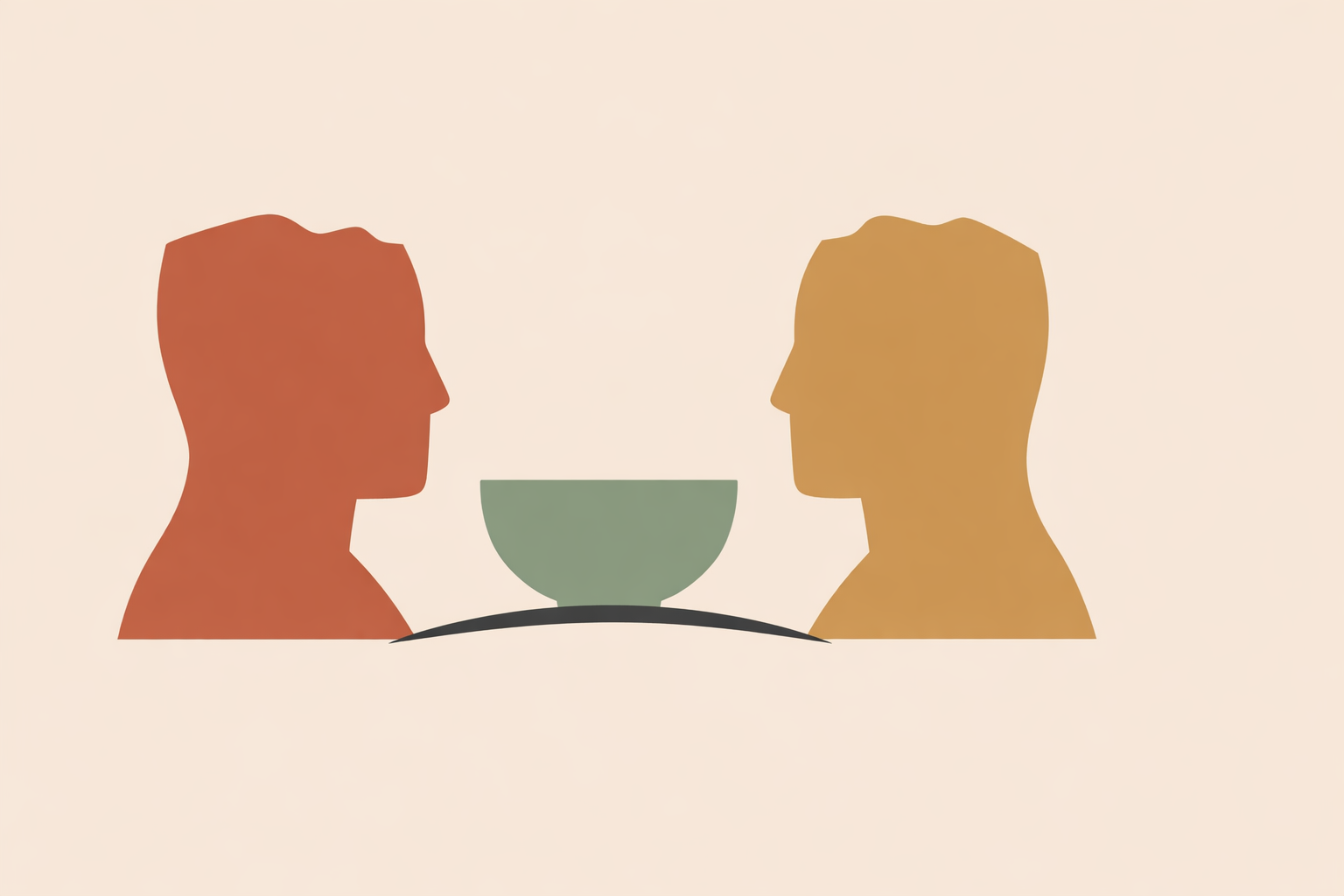
This is where you shift from correction to connection. If someone insists, “I need to go pick up my kids,” a factual correction can intensify distress. A validation-style response meets the feeling first: “You really care about them. Let’s make sure they’re safe, then we can have some tea.” Communication guidance highlights attending to emotional cues—face, posture, tone—alongside the words themselves.
Traditional cultures have long used story, song, and familiar rituals to carry identity across generations. In dementia support, reminiscence and life-story work continue that lineage: an old photo, a favorite melody, a cherished recipe. Syntheses suggest structured reminiscence can support behavioural and cognitive aspects—especially when it’s rooted in the person’s own history rather than used as a test.
Life-story awareness (key relationships, roles, places, and values) helps you respond to the person behind the moment. Reviews of biography-based activities note a meaningful positive effect when daily routines are tailored to personal history rather than offered as generic activities.
“There was always a sense of peace after discussing what to expect in the upcoming weeks and months.”
That peace often arrives when the person—and their family—feel held in their own story, even if the timeline is changing.
Mini self-check: Do you default to correction, or connection?
- When a fact is “wrong,” can you name and meet the feeling underneath?
- Do you know three life-story anchors you can draw on in tense moments?
- Are reminiscence cues—photos, songs, scents—part of your everyday toolkit?
Checkpoint 4: Can You Redirect and De‑Escalate Without Power Struggles?
Work-ready communication can steer a hard moment back to safety without argument. Redirection, modelling, and sensory grounding usually carry more weight than being “right.”
Many people learned debate before de-escalation. In dementia support, insisting and arguing often backfire. Person-centered approaches focused on comfort and relationship can reduce agitation. When tension starts rising, a brief pause to reset your own nervous system can be more effective than pushing through.
Then lean on redirection. For repetitive questions or worry-loops, gently shifting to a different topic or activity—offering a snack, suggesting a short walk, bringing out a familiar song—can change the whole tone. Many guides recommend redirection instead of confrontation.
When words aren’t landing, show rather than tell. Modelling the next step—picking up your fork first, beginning to put your own arm into a sleeve, placing your hand on the door handle—offers a concrete cue without pressure. Training highlights modelling and gesture as respectful alternatives to repeating instructions.
Sensory-based supports—music, rhythm, familiar scents, gentle movement, or a simple environmental reset—can also transform a moment. Reviews suggest these approaches can ease behavioural and psychological symptoms and support engagement when they’re personally meaningful.
“Their ability to adapt to changes in my dad’s behaviour ... has been a lifesaver.”
Mini self-check: What happens in you when things escalate?
- Do you notice escalation early and choose space over argument?
- Is redirection your go-to for repetitive loops?
- When language falters, do you model the next step rather than repeat instructions?
Checkpoint 5: Do You Protect Personhood, Consent, and Culture in Every Interaction?
Supporting a task is important. Protecting personhood is essential. Work-ready communication centers identity, consent, and culture every time you connect.
Person-centered support builds rhythms around the individual—not the timetable. Evidence summaries suggest individualized activities can be more beneficial than generic schedules. Think of it like this: a morning playlist from childhood, a preferred tea ritual, or a predictable afternoon garden walk can be an anchor for identity.
Ethics live in small moments: how you offer choices, how you ask permission, how you include the person in conversation. Commentators emphasize that personhood can persist even in later stages, and everyday communication should reflect that—especially by speaking to the person first, not about them.
Culture matters just as much. Respect language, rituals, spiritual anchors, and family roles—while avoiding appropriation. Ethical guidance often points to cultural humility and collaboration: ask, don’t assume; invite, don’t impose.
“Over the past five months, my dad’s dementia has accelerated quickly ... and [the team] has provided exceptional, responsive care at each stage.”
Mini self-check: Are routines built around the person, or around you?
- Do your daily rhythms reflect the person’s culture, preferences, and history?
- Are choices offered in accessible ways—two options, clear visuals, warm tone?
- Do you always speak to the person first, even when others are in the room?
Checkpoint 6: Are You Looking After Yourself and Your Ongoing Learning?
Sustainable communication requires a sustainable you. Boundaries, reflection, and continuing education help keep your presence steady over the long haul.
This work is meaningful—and demanding. Training can reduce the strain of improvising under pressure. In one hospital evaluation, staff reported improved confidence after focused learning, and valued having time between sessions to apply and reflect.
What helps most is structure you can actually use: templates, practice conversations, and supportive peer learning. The same evaluation noted appreciation for interactive formats as part of an implementation-focused programme, not information alone.
Short self-assessments keep you oriented. Many organizations recommend skills self-reflection to spot strengths and choose the next skill to build.
And growth doesn’t have to be overwhelming. The same evaluation highlights how short, structured formats can support long-term development when they’re broken into manageable pieces and revisited over time.
Mini self-check: How close are you to burnout?
- Do you have predictable times each week to decompress and reflect?
- Are there clear “closing rituals” for your workday so you can truly rest?
- Do you have at least one peer or mentor you can debrief with regularly?
Mini self-check: Do you have a learning path, or are you improvising?
- Have you mapped strengths and gaps across presence, clarity, listening, de-escalation, ethics, and culture?
- Do you have a plan to practice skills—role-play, checklists, case reviews—every month?
- Are you using a structured program such as a certification-level dementia communication course to anchor progress?
From Self-Check Quiz to Truly Work-Ready Dementia Communication
Self-reflection matters most when it becomes action. With your six checkpoint answers, you can build a learning rhythm that blends ancestral wisdom with practical, evidence-informed tools.
Choose two priorities: one inner (like non-verbal presence) and one outer (like one-step instructions). Pair each with one small practice you’ll repeat daily. If overwhelm is common, rehearse steady pacing and a quieter setup before conversations. If emotional loops show up often, keep a short list of reliable redirections and sensory cues that soothe and re-engage.
Then bring meaning back to the center: reminiscence, music, familiar activities, gentle movement, daytime light, and predictable rest. Reviews suggest meaningful activities can support engagement and overall well-being—and they echo long-held traditional ways of honoring elders through story, song, and rhythm.
With consistent practice, kindness, skill, and cultural respect become steady—something you can return to in any moment. Keep your learning simple, keep it lived-in, and aim for communication that helps someone feel they belong—right here, right now—as they are.
Train with Dementia Certification Course
Build work-ready communication habits with the Dementia Certification Course grounded in person-centered, real-world practice.
Explore Dementia Certification Course →