Anyone who’s facilitated arts-and-aging groups knows the common sticking points: attendance can be patchy, sessions can feel like “just another activity,” and even thoughtful projects can move faster than access and consent realistically allow. Elders may arrive with changing mobility, sensory needs, and shrinking circles. In drop-in formats, trust takes longer to grow—and without care, cultural forms can show up without enough lineage, context, or permission.
The most reliable way through is to build community first and let the art serve it. When the structure is predictable, low-pressure, and culturally grounded, creativity stops feeling like a one-off event and starts becoming part of shared life. Over time, circles can move from easing isolation to restoring voice, bridging generations, deepening mutual support, and welcoming elder leadership.
Key Takeaway: Strong arts-and-aging groups start by building predictable, low-pressure circles where access and consent come first. As trust grows, art can deepen from simple connection into life-story visibility, collaboration, mutual support, and elder-led cultural stewardship.
1. Steady art circles help ease isolation
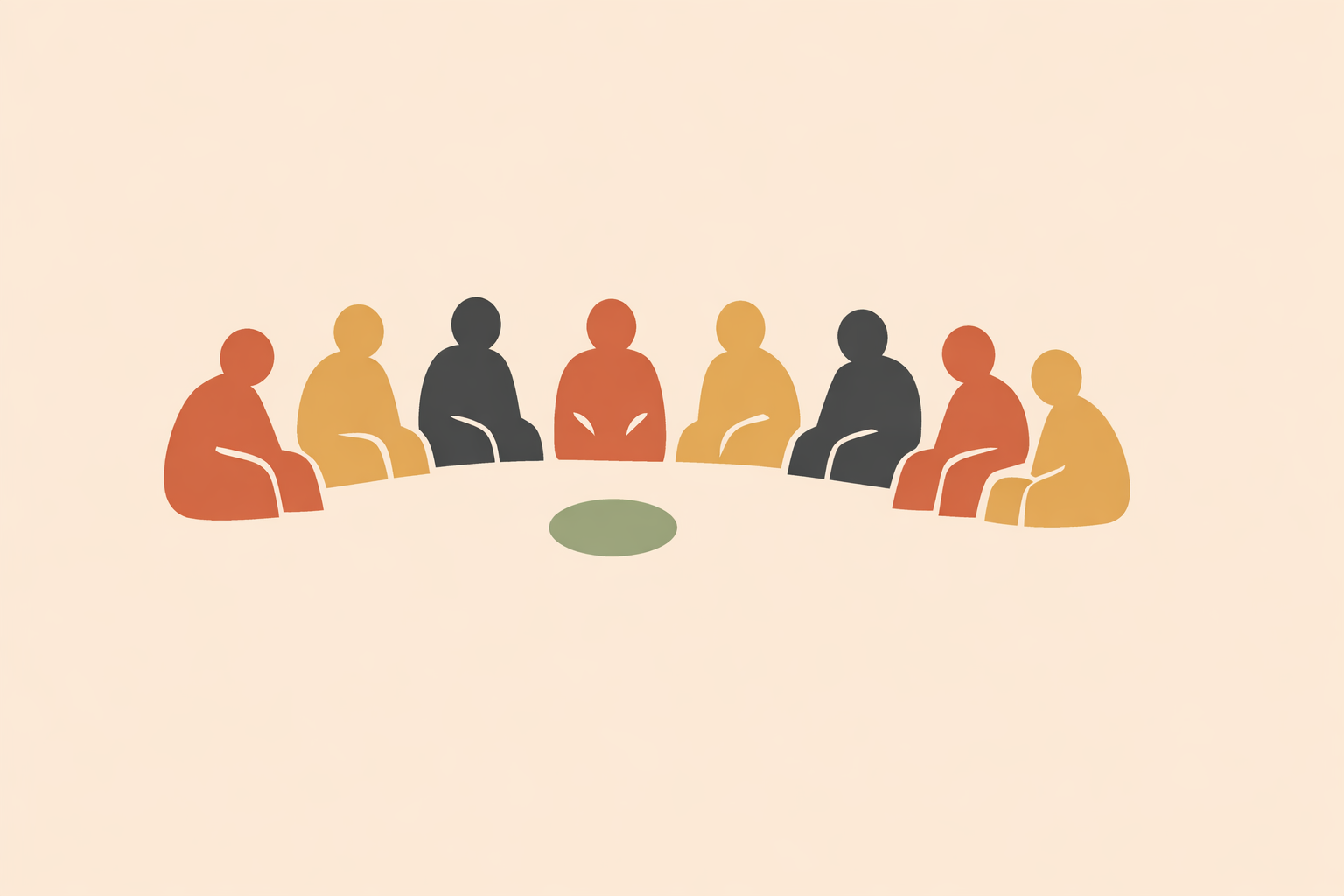
A well-held creative circle can become a weekly anchor—sometimes more valuable than any “big idea” project. People return because they know they’ll be welcomed, included, and not rushed.
That steady rhythm matters, especially when many elders are navigating disconnection. Community arts can offer a gentle, low-barrier path back into belonging, and participatory programs have been linked with reduced loneliness when they’re consistent rather than occasional.
Structure is part of the support. Calm, organized sessions can strengthen social connectedness, particularly when expectations stay light. Think of it like a familiar shoreline: arrival, settling, making, opt-in sharing, and a clear close.
That familiarity also softens social anxiety. When people already know where to sit, what’s on the table, and how much talking is required, it’s simply easier to show up again.
“I finally know where I’ll be on Thursdays.”
Comments like this are the point: the circle has become part of the week’s emotional architecture.
“Art washes from the soul the dust of everyday life.”
Keep the setup welcoming and realistic. Seated options, easy-to-grip materials, quiet pacing, and clear visual cues usually do more than ambitious programming. Access can also expand through online groups with mailed kits for homebound elders, plus phone check-ins for those without internet. Daylight sessions often support comfort and easier travel.
Simple ways to make circles feel steady
- Open with the same welcome each week.
- Stick with familiar materials for a few sessions before adding novelty.
- Make sharing invitational, not expected.
- Keep the tone spacious rather than performative.
2. Life-story art restores identity, voice, and visibility
Once a group feels safe enough to return, a new question often appears: not only “Will I come?” but “How do I want to be seen here?”
Life-story art meets that moment beautifully. Memory collages, timelines, symbolic self-portraits, and family-table imagery help elders gather the threads of a life. Practices of reminiscence and life review have been associated with ego-integrity—a sense of wholeness that can grow when meaningful experiences (including losses) are integrated rather than avoided.
These projects are strongest when process comes before polish. Put simply: when there’s no pressure to impress, expression stays more open—especially as dexterity, confidence, or stamina change.
Visibility, when offered with consent, can also reshape how a wider community sees aging. Older adults in arts programs have reported stronger engagement and participation through public events that share their work. A library wall, a community hall display, an online gallery, or a small audio station of recorded reflections can all support rightful presence.
Cultural memory adds depth when it’s approached with respect. Projects rooted in participants’ own traditions can strengthen identity and belonging. Here’s why that matters: it’s not about borrowing a motif—it’s about asking who carries the form, what context it needs, what should remain private, and how attribution will be handled.
Language can support that dignity, too. “Participant” may be accurate, but “artist” often restores authorship and choice.
“The great power of the arts is to activate, renovate, and transform.”
That transformation often looks ordinary: an elder standing beside a collage while someone says, “I didn’t know that about your life.”
Projects that honor life stories and cultural roots
- Life Threads: fabric and colored yarn to map turning points, migrations, losses, and joys.
- Table Stories: collages built from foods, hands, kitchens, and places that shaped home.
- Ancestral Patterns: a traditional motif shared by an elder, then reinterpreted by the group with attribution and respect.
3. Collaborative art can bridge generations and cultures
Once trust and self-expression are established, collaboration can widen the circle. Shared projects give people a reason to rely on one another, not just sit side by side.
Intergenerational and intercultural work often becomes especially alive here. Collaborative activities have been shown to support relationship-building, and programs tend to be strongest when they use strengths from both age groups—elders’ memory and experience alongside younger people’s tools, energy, or digital confidence.
In practice, that might be storytelling paired with illustration, textile work shared between experienced hands and first-time learners, or memory recording followed by simple video editing. Essentially, the key is reciprocity: each group contributes something real.
Stable cohorts usually deepen bonds more quickly than sporadic drop-ins. Repeated contact lets trust build through small moments—remembering names, continuing a shared piece, following up on last week’s story.
Place-based collaboration can ripple outward, too. Community mural work has been linked with neighborhood pride and a stronger sense of shared belonging. Murals, mosaics, benches, and courtyard installations can become visible markers of collective authorship.
“Art therapy has no discriminatory borders.”
The feeling behind that line is familiar: a proverb shared across generations, a pattern passed from one pair of hands to another, a memory translated into color rather than speech. Difference becomes material for connection.
Collaborative formats that work well
- Shared murals: elders shape symbols and stories; younger collaborators help scale, color, or letter them.
- Textile circles: pair experienced makers with learners and document techniques with permission.
- Digital storytelling: elders record short memories; younger collaborators help edit and share accessibly.
4. Art spaces often grow into mutual-support circles
Given time, many groups become more than scheduled gatherings. People start to notice one another, remember one another, and quietly show care in ways that feel natural.
This kind of evolution is well recognized. Community-based visual arts groups for older adults have been found to foster peer support and friendship networks through regular shared making—the art holds the center, and the relationships deepen around it.
Clear agreements help the room stay steady. Person-centered, choice-led boundaries can strengthen emotional safety: sharing is optional, breaks are welcomed, and quiet participation is fully valid.
Grounding can be built into the creative act itself: a slower breath while blending color, the rhythm of rolling clay, a pause to notice sensation in the hands. Many traditional craft lineages have always known what modern language now calls regulation—making can settle the nervous system without turning the session into a separate “exercise.”
And while medium matters, facilitation matters more. Reviews suggest supportive relationships and caring leadership influence outcomes more strongly than the specific art form used.
Seasonal and ritual structures add continuity: remembrance lanterns, gratitude trees, winter windows, spring weaving, anniversary tables. Repeatable forms help the group mark change together and build shared memory.
“I knew my hands could make beauty long before anyone called it therapy.”
That sentence holds a whole philosophy: creativity isn’t an accessory to support—it’s often the pathway that makes support possible.
Ways to support emotional steadiness in the room
- Offer low-tech sensory supports such as textured paper, warm water bowls, or soft clay.
- Use brief check-ins like “Name a color for how you arrive.”
- Provide adaptive tools such as larger-handle brushes, clipboards, and seated or standing options.
- Keep sharing invitational, never obligatory.
5. Elder leadership turns art-making into cultural stewardship
The deepest shift often comes when elders are no longer framed only as attendees. They become mentors, advisors, co-facilitators, and visible carriers of culture.
Many older adults hold deep expertise in craft traditions, memory-keeping, and local community life. When that expertise is invited, named, and respected, leadership tends to emerge naturally.
Arts-and-aging initiatives increasingly position elders as culture bearers through exhibitions, talks, demonstrations, and published collections. Participatory approaches also show elders can be effective co-designers, shaping programs around their own priorities rather than outside assumptions.
In real groups, leadership can start simply: a seasonal planning circle where elders choose themes, materials, guest collaborators, or sharing formats. It can also mean paid roles—stewarding materials, leading a motif-sharing session, or advising on how cultural content is framed publicly.
From there, leadership often widens into community voice. As confidence and visibility grow, many elders begin advocating for access, comfort, and inclusion in public spaces. Practitioners see it again and again: creative confidence spills into civic confidence.
Pathways into elder leadership
- Create rotating paid roles such as materials steward, welcome host, or exhibit advisor.
- Invite elders to demonstrate a craft, song form, or memory-keeping practice with full credit.
- Form a small advisory circle to help shape public-facing projects.
- Debrief after exhibitions or collaborations and let elders define what felt honoring and what should change.
Bringing arts-and-aging work into your practice
Community grows in layers: steady circles soften isolation; life-story work restores voice and identity; collaboration builds bridges; mutual support takes root; and elder leadership turns the group into cultural stewardship. Each layer depends on the steadiness of the one before it.
A few principles keep proving their worth:
- Design for predictability: keep a steady cadence, familiar openings, and dependable closings.
- Prioritize process: keep expression accessible even as energy, confidence, or dexterity vary.
- Honor cultural roots: ask permission, credit lineages, and avoid using sacred or inherited forms casually.
- Support well-being through art with emotional safety: keep participation flexible, consent-based, and non-pressured.
- Share authorship: involve elders in choosing themes, shaping exhibitions, and guiding next steps.
- Build outward bridges: create collaborations that connect the circle with family, neighborhood, and public life.
Keep the scope clear and the promises grounded. These circles can support connection, confidence, expression, and belonging—no exaggeration required. Practical details like timing, seating, transport awareness, lighting, sensory comfort, and accessible materials are often as important as the creative vision.
To close with a gentle caution: facilitators do best when they move at the pace of consent, stay attentive to access needs, and handle cultural material with explicit permission and clear credit. Start small, choose a simple material set, and invite a few elders you already know. Listen closely, adjust steadily, and let the group teach you what it needs next. With rhythm, respect, and shared authorship, art becomes more than an activity—it becomes a place where community remembers itself.
Explore Therapeutic Arts Certification
Apply these facilitation principles in real groups with culturally respectful methods in the Therapeutic Arts Certification.
Explore Therapeutic Arts →