Eventually, most practitioners hear the same mid-session confession from a high-performing midlife client: “I can’t hold a thought.” She’s losing words in meetings, misplacing essentials, and second‑guessing her competence. You can feel the strain underneath: is this burnout, low mood, early cognitive decline—or a normal transition you can genuinely coach through?
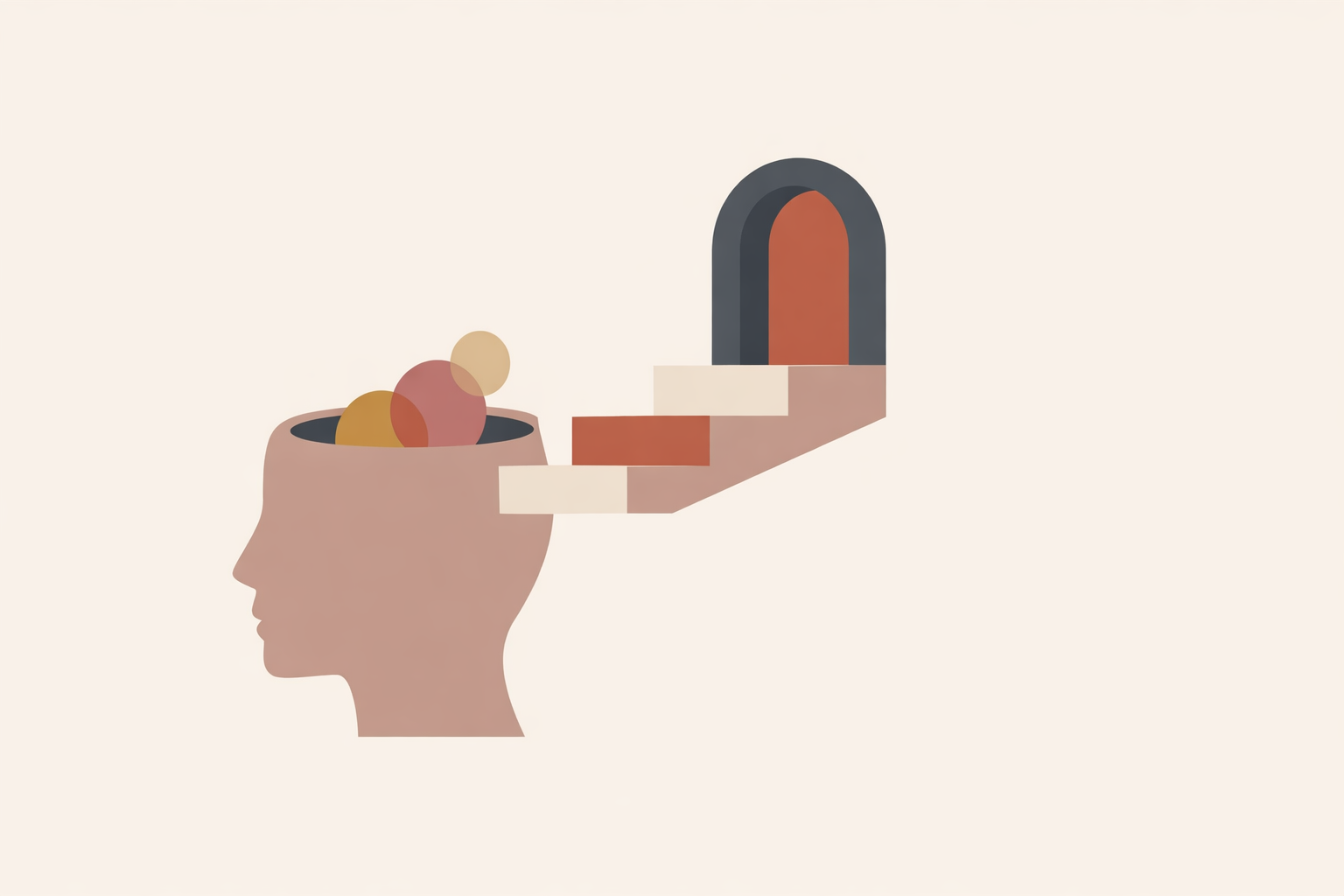
The best first move is neither quick-fix tactics nor fear-based framing. In holistic coaching, perimenopausal brain fog is commonly understood as a temporary season where hormonal flux, sleep disruption, and stress can blur focus and planning. Your role isn’t to “fix” a broken mind—it’s to normalize what’s happening, translate it into practical daily levers, and build a plan that restores function without overwhelming an already stretched nervous system.
Start with story and light tracking so the fog becomes a pattern you can work with. Then anchor physiology, redesign the day around real capacity, layer stress regulation and connection (including traditional wisdom), and keep evolving the plan—with clear collaboration points when the picture looks more complex.
Key Takeaway: Perimenopausal brain fog coaching works best when you normalize the experience, track patterns simply, and stabilize the biggest daily drivers—sleep, stress, nourishment, movement, and workload design. Small, consistent anchors and fog-friendly workflows often restore confidence and clarity, with timely collaboration when red flags suggest more complex sleep or neurological issues.
Why perimenopause triggers brain fog (and why it’s usually reversible)
Perimenopause can shake the brain’s chemistry and sleep architecture, which naturally affects focus. When you help stabilize the main inputs, clarity often returns. Understanding the “why” calms fear—and makes coaching steps feel grounded.
Hormone shifts are a central lever. Dr. Jolene Brighten explains that estradiol fluctuations can influence dopamine, serotonin, and glutamate signaling—systems closely tied to attention and working memory. At the same time, progesterone’s settling influence may fade; Naturalistico also notes declines in allopregnanolone, a neuroactive metabolite that many people associate with steadier mood and calmer edges.
Sleep and stress then stack the deck. When night sweats, tension, or a racing mind fragment rest, that sleep disruption often shows up the next day as slower recall and less mental flexibility. Think of it like trying to run complex software on a device that hasn’t fully recharged.
What this means is: this is often a recalibration, not a collapse. Many women find the fog crests during the transition and improves after menopause. The Pacific Neuroscience Institute distinguishes midlife cognitive shifts from degenerative conditions and highlights room for potential improvement with supportive routines. Naturalistico frames perimenopause as a 7–10 year (sometimes longer) passage that often responds best to steady, compassionate habit-building.
Step 1: Start with story and simple tracking
Before changes come language: listen closely, map the fog, and co-create a shared framework. A little tracking turns “I feel scattered” into patterns you can actually coach.
Start with a contextual intake. Naturalistico encourages a narrative intake that includes work cadence, care responsibilities, cultural roots, and hormonal history. Ask: when does fog hit, what tends to precede it, and what helps even a little?
Then add a one-minute daily log. A simple 1–10 rating for fog, focus, mood, and sleep—aligned with Naturalistico’s 1–10 daily snapshot—helps clients see fluctuation rather than “failure.” Within a couple of weeks, clusters often appear: late bedtime equals worse recall, a walk equals clearer meetings, skipped breakfast equals a mid-morning crash.
Co-create a daily brain fog log
- Track the right levers: bedtime, wake time, night sweats, caffeine, hydration, movement, protein at breakfast, and key stressors.
- Note the “sparks”: moments when clarity returns. What came right before—sunlight, a walk, a snack, a conversation?
- Set tiny goals: Choose one or two collaborative goals weekly to build momentum without overload.
Even naming the experience can reduce pressure. In community education, women often recognize a shared pattern linking anxiety, broken sleep, and fog. Encouraging clients to say recall issues out loud can actually lighten the cognitive load—because they stop spending energy trying to hide it.
“Think of the symptoms as your body’s way of crying out for love, help, and attention.” — Tanith Lee
Once clients feel seen rather than judged, experimentation becomes possible—gentle, consistent, and surprisingly effective.
Step 2: Build daily brain anchors—light, protein, movement, sleep
Next, establish a few steady “anchors” that support energy and attention. These are simple, traditional in spirit (rhythm and routine), and well-aligned with modern understandings of circadian timing and metabolism.
Start with morning light. A short outdoor exposure soon after waking supports circadian timing and daytime alertness—and tends to set up better sleep later. In Naturalistico’s approach, light pairs well with a substantial breakfast, aiming for 30 grams of protein to smooth blood sugar swings that can otherwise pull focus down mid-morning.
Food quality matters, too. Dr. Brighten highlights a protein‑rich breakfast as a practical support for steadier focus in perimenopause. Naturalistico also emphasizes nourishing the brain with omega‑3 fats and B‑vitamins, which many traditions intuitively prioritized through whole foods and consistent meals.
Light–food–movement–rest as a daily rhythm
- Light: 10 minutes outdoors after waking. If indoors, sit by a bright window while you hydrate.
- Food: Aim for 30 grams of protein at breakfast; include fiber-rich carbs and plenty of color.
- Movement: Walk about 30 minutes most days, or break it into short bouts.
- Rest: Keep wake time consistent, add a simple wind-down, and make the room cool and dark.
These basics are more powerful than they look. Moderate aerobic activity can improve memory and may reduce hot flashes that interrupt sleep. Core routines around movement, sleep, and hydration are classic foundations for long-term brain health. And small environment shifts—like a cooler bedroom—often show up the next day as more mental steadiness.
As Kim Cattrall reflects, “Now is a time to ‘tune in’ to our bodies and embrace this new chapter.” Anchors make that practical: not a grand reinvention, but a daily return.
Step 3: Design a “fog-friendly” workday
On foggy days, structure protects confidence. The goal isn’t to force focus—it’s to design the day so attention is supported.
Begin by working with energy patterns. Many clients feel sharpest before noon, so reserve that window for complex work and push admin later. Kostacos specifically recommends protecting mornings for depth tasks to preserve competence and momentum.
Then add rhythm. Naturalistico recommends focus sprints (short protected work blocks) with brief movement breaks. Put simply: less grinding, more pacing—and work still gets done.
Workflows that protect focus and confidence
- Externalize memory: Use checklists, whiteboards, and voice notes. Naturalistico calls this externalizing memory, and it reliably reduces mental clutter.
- Mind your words: Normalize scripts like “Give me a moment to gather my thoughts.” Naming word‑finding pauses can lower pressure and build rapport.
- Protect attention: Reduce multitasking, silence notifications during sprints, and batch messages into set windows.
Designing for the brain you have today—rather than the one you had at 35—isn’t lowering standards. It’s mature strategy. As Helen Mirren says, “Life doesn’t end with menopause; it’s the beginning of a new adventure.”
Step 4: Soothe stress, lean on connection, and honour traditional wisdom
Fog often lifts faster when the nervous system feels steadier and the heart feels held. Pair personal regulation practices with supportive people—and a wider, tradition-respecting perspective on this life passage.
Naturalistico places stress‑regulation alongside sleep and nourishment as a core pillar. The Pause Life describes stress and anxiety as a gateway theme—when the system settles, clearer thinking often follows. Essentially, you’re reducing background “noise” so the mind can do what it already knows how to do.
Connection is equally practical. Naturalistico highlights social connection as a buffer for stress and a support for cognition. Many traditions have long held transitions like this with circles, shared meals, tea rituals, walking together, and intergenerational wisdom—quiet, steady scaffolding that helps people feel less alone.
From nervous system overload to supported transition
- Daily downshifts: Two‑minute long exhales, a hand on the heart, a slow walk, or five minutes with a mantra—small, repeatable signals of safety.
- Circle up: Low-pressure connection you can sustain: one friend check-in weekly, a circle monthly, a regular walk with a neighbour.
- Remember the lineage: Many cultures frame menopause as a life passage into deeper wisdom. That reframe can soften the “I’m failing” story.
- Consider botanicals and nutrients: Some education points to potentially supportive options including saffron extract, citicoline, bacopa, and zinc, alongside omega‑3s and B vitamins. Personalize, go slowly, and observe what the individual actually experiences.
“Think of the symptoms as your body’s way of crying out for love, help, and attention.” — Tanith Lee
When the body feels accompanied and resourced, the mind often has room to clear.
Step 5: Evolve the perimenopause brain fog plan and collaborate wisely
Perimenopause unfolds over years, so the plan should breathe. Keep iterating, celebrate wins, and collaborate when signals suggest a broader lens.
Use the log to guide small experiments—adjusting sleep-wake timing, movement, nourishment, and stress practices as seasons and workload change. Naturalistico teaches this as an ongoing cycle of refine habit and rhythm rather than a one-time “fix.”
Also, pay attention to complexity factors. A history of head injury, for example, can interact with sleep disruption and life stress to make cognition feel more strained. Work on traumatic brain injury notes older age as a factor linked with more persistent challenges, and research also connects sleep disturbance with ongoing difficulties. The coaching takeaway is simple: where there’s added history, earlier collaboration is often kinder and more effective.
Read the patterns and honour your scope
- Sleep‑breathing red flags: Loud snoring, gasping, dry mouth, or unrefreshed mornings. One paper found about 32% had sleep apnea in a veteran group with traumatic brain injury—useful context for encouraging appropriate evaluation when indicated.
- Collaborate early: Invite support from qualified health professionals when patterns exceed coaching scope, especially with neurological history or complex sleep concerns. UPMC emphasizes personalised guidance across the reproductive lifespan.
- Keep the long view: Revisit anchors, adjust workload strategy, and keep tracking what actually improves day-to-day clarity.
As Oprah says, “This is your moment to reinvent yourself.” For many clients, that reinvention begins very practically: steadier sleep, clearer mornings, kinder pacing, and the courage to accept support.
Conclusion
Perimenopausal brain fog isn’t a character flaw or a life sentence. It’s often a sign of recalibration—one that responds well to grounded support: story and tracking to reveal patterns, daily anchors (light, protein, movement, rest), and a fog-friendly workflow that protects confidence. Add stress regulation, real connection, and traditional perspectives that honour this passage, and clients often feel themselves returning—piece by piece.
Keep most cautions for the end: if the pattern looks unusually intense, persistent, or complicated by sleep-breathing concerns or neurological history, collaboration is a strength, not a defeat. The aim is always steady, ethical support that respects scope and puts the client’s long-term wellbeing first.
With consistent support and a few well-chosen practices, many clients do find their way back to clarity—and just as importantly, they meet themselves on the other side with more self-trust.
Coach Menopause With Confidence
Menopause Coaching Certification helps you turn brain fog patterns into supportive, ethical coaching plans clients can sustain.
Explore Menopause Coaching →