Many generalist practitioners notice the same shift: sessions with clients in their 40s and 50s begin to revolve around sleep disruption, mood swings, energy dips, changing body composition, and identity questions. Conversations stretch beyond food and routines into career strain, caregiving load, intimacy, and the sense that “what used to work” no longer does. Hormone questions arrive fast—and symptom-only tips often feel too small for what midlife is really asking of someone.
Hormone health coaching offers a practical foundation for a menopause niche. When hormone literacy is paired with whole-life coaching, you can translate unpredictable changes into understandable patterns, set realistic expectations, and build support that prioritizes steadiness—often starting with sleep—before bigger overhauls. The result is clearer positioning and offers that feel trustworthy, paced, and genuinely relevant to midlife.
Key Takeaway: Hormone-informed coaching helps you turn midlife volatility into clear, workable patterns by pairing hormone literacy with whole-life support. When you start with steadiness (often sleep) and sequence change realistically, your menopause niche becomes more trustworthy, more sustainable, and more aligned with what clients actually need across perimenopause to postmenopause.
Seeing menopause through a hormone-informed, whole-life lens
A strong menopause niche starts with understanding that midlife is both a hormonal shift and a lived experience. Holding both truths at once is what makes your work feel grounded, respectful, and genuinely useful.
On the body level, changing estrogen, progesterone, and relative testosterone can influence sleep and mood, along with cognition, metabolism, tissue comfort, and libido. Clients rarely say it that way. They say, “I don’t feel like myself,” or “Everything feels harder than it used to.”
Unpredictability is often the most unsettling part. Fluctuating hormones and irregular cycles can make people feel as if the ground keeps shifting. A hormone-informed coach helps translate that “randomness” into patterns a client can work with—so she stops assuming she’s failing.
Emotional changes can feel personal, but context helps. Estrogen shifts can affect mood regulation through its relationship with neurotransmitters such as serotonin. Think of it like getting a new internal climate: the same stressors may land differently, and the goal becomes steadier self-understanding rather than self-blame.
Sleep tells a similar story. The WHO lists insomnia as common in the transition. When sleep becomes fragile, everything tends to feel louder—stress, cravings, mental fog, and self-criticism. That’s why hormone-aware coaching so often begins with rhythm and steadiness instead of dramatic overhaul.
Midlife shifts also stack. The WHO notes menopause-related hormonal changes can affect bone density, and can influence broader health patterns over time—including cardiovascular risk and body composition. Clients usually experience this as a layered picture: energy, blood-sugar steadiness, confidence, and body image all interacting at once—exactly where a whole-life lens shines.
Traditional cultures have long recognized menopause as more than discomfort. Many held it as a passage into elderhood—often linked with increased social and spiritual authority—supported through foodways, herbs, ritual, and storytelling. Centuries of lived tradition are not “nothing”; they’re a record of careful observation across generations.
The key is respect. Ancestral perspectives can widen the frame without being treated as universal or borrowed carelessly. Naturalistico reflects that balance by encouraging a practice that weaves ancestral knowledge with modern research—without becoming rigid or overconfident.
As the Naturalistico editorial team notes, “this comprehensive program goes beyond” physiology by integrating coaching, emotional support, and lifestyle tools. That broader view is what makes the niche feel human rather than mechanical.
From knowledge to positioning: how hormone literacy defines your menopause niche
Hormone literacy becomes niche positioning when it makes your message clearer, calmer, and more trustworthy. It’s not just what you know—it’s how well people recognize themselves in what you say.
Many midlife women are swimming in fragmented information. One review noted that poor-quality evidence often shows up in commercial menopause offerings, and social platforms amplify loud claims and one-size-fits-all protocols. In that environment, grounded guidance is a relief.
This is where hormone-informed coaching stands out. When you understand broad midlife patterns, you can deconstruct myths—like “nothing can help,” “everything is hormones,” or “life is over after menopause”—and replace fear with practical orientation.
That orientation sharpens messaging. Instead of “I help women feel better,” you can name what they’re actually trying to understand: disrupted sleep, emotional swings, shifting confidence, changing body composition, or feeling unlike themselves at work and at home. Precision builds trust because it signals, “You’re in the right place.”
It also changes how you sequence support. The WHO emphasizes menopause support that integrates social and psychological needs alongside physical wellbeing. When you understand how sleep disruption and stress sensitivity can make everything harder, you can prioritize sleep and nervous-system steadiness before asking for major changes in food, movement, or productivity. Here’s why that matters: early stability creates momentum.
From a business perspective, clarity becomes strategy. Calling yourself a menopause coach with hormone-informed depth signals both specificity and capability—without forcing you into a narrow box.
From there, you can choose a doorway that fits your strengths: sleep support, emotional resilience, body image, intimacy, or midlife career transition. The goal isn’t restriction; it’s a clearer entry point for the people you most want to serve.
Search behavior already reflects that demand: people look for menopause coaching, mood support, and holistic support in question form. Educational, hormone-literate content serves people well—and helps them find you.
And confidence tends to follow clarity. Naturalistico captures this well: “tools, and confidence” grow from structured learning and real-world application.
Designing hormone-aware client journeys and offers
If hormone literacy shapes your positioning, it should also shape the path clients take through your work. The best menopause offers match the reality of midlife: gradual, uneven, and affecting many areas at once.
Many clients arrive through familiar entry points—brain fog and sleep difficulties, mood swings, body composition shifts, libido changes, and identity questions. Any one of these can become a respectful “start here” moment.
That’s where offer design gets fun and specific. You might create a short foundation program for early “Is this perimenopause?” questions, a group space focused on sleep and emotional steadiness, or a deeper 1:1 journey for clients navigating major life redesign alongside hormonal change.
Tracking often turns overwhelm into traction. Simple tools like sleep logs, mood logs, symptom journals, and cycle tracking help clients notice trends they can’t see day-to-day. Put simply: once patterns are visible, choices feel possible again.
A hormone-aware journey often begins with education because reassurance comes first. The WHO recommends support before, during, and after menopause, which fits naturally with an “orientation first” approach. From there, support can deepen through workshops, webinars, group coaching, and 1:1 sessions where clients test habits, boundaries, and self-observation in real life.
Over time, the focus often matures. Early perimenopause may call for language, tracking, and steadiness; postmenopause may lean toward legacy, creativity, leadership, and a more grounded relationship with self. A strong niche leaves room for that arc.
Multi-tier offers also help you stay sustainable while meeting clients at different levels of readiness.
- Entry level: education, trackers, planners, or workshops
- Core support: small groups or 1:1 coaching
- Expanded reach: workplace sessions or themed group journeys
- Ongoing care: seasonal check-ins, postmenopause support, or community spaces
These layers reflect how trust often grows: someone may start with a simple download and later choose deeper coaching when she feels understood. Tools such as energy audits and guided prompts can become gentle bridges into more meaningful work.
And throughout, the role stays consistent: to “guide women” with steady pacing, practical tools, and respect for the whole person.
Weaving ancestral wisdom, lifestyle levers, and ethical boundaries
A meaningful menopause niche isn’t built on information alone; it’s built on how you hold people through change. That means grounded lifestyle support, genuine respect for traditional wisdom, and clear ethical boundaries.
Many traditions approach menopause as a respected threshold, supported through herbs, foods, rituals, and communal storytelling. Bringing that sensibility into modern coaching can help clients release the story that midlife makes them less relevant—and replace it with dignity, perspective, and agency.
Honoring tradition also means not flattening it. Cultural humility—crediting lineage, avoiding assumption, and resisting “one-size-fits-all spirituality”—keeps ancestral wisdom clean, respectful, and truly supportive.
From there, lifestyle work becomes more than “fixing symptoms.” It becomes rhythm-building. Key levers include stress regulation, enjoyable movement, mindful nourishment, social connection, meaning, and especially sleep.
Sleep is often the wisest place to begin because it influences almost everything else. Simple practices—consistent wake times, morning light exposure, and calming evening rituals—can stabilize internal rhythms that feel more delicate in midlife. Essentially, you’re rebuilding the “container” that helps other changes stick.
Modern evidence also supports taking sleep seriously. Sleep disruption is associated with cardiometabolic strain, and heart health organizations highlight how poor sleep quality aligns with higher cardiometabolic risk over time. Coaching isn’t about making outcomes guarantees—but it’s absolutely reasonable to treat steadier sleep as a foundation for long-term wellbeing.
Clear ethics keep the work trustworthy. Hormone-informed coaching stays grounded in language like “support”, “explore,” and “co-create strategies,” while referring out when needs go beyond coaching. Done well, scope isn’t a limitation—it’s part of the safety and integrity clients can feel.
Naturalistico emphasizes that tone of integrity through cultural humility and respect for body autonomy. In practice, that means you support informed choice, avoid pressure, and collaborate respectfully with whatever wider support a client chooses.
Bringing it together with Naturalistico’s Menopause Coaching Certification
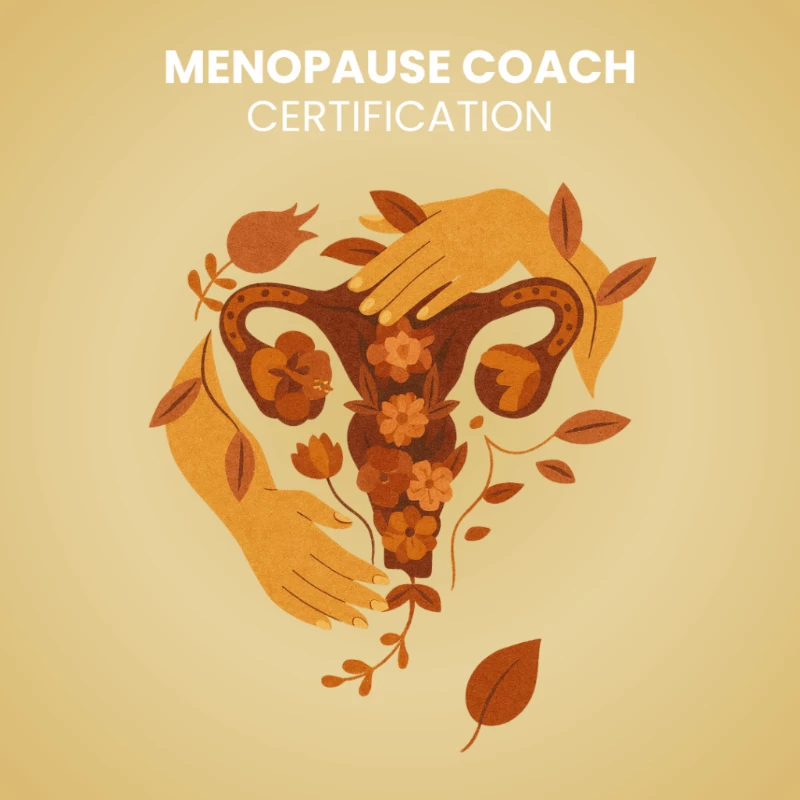
To turn hormone-aware interest into a sustainable niche, structured learning helps you work with confidence and coherence. Naturalistico’s Menopause Coaching Certification is built to support that shift.
The training doesn’t reduce menopause to a single lens. It supports professionals who want to guide women through the transition with education, practical tools, and a client-centered approach—because real midlife support is rarely one-dimensional.
As Naturalistico’s editorial team explains, “This comprehensive program goes beyond” physiology by integrating coaching techniques, emotional support strategies, and lifestyle tools. What this means is you’re supported to connect theory to the lived reality clients bring into sessions.
That connection is strengthened by the wider platform experience, combining self-paced learning, modern UX, community, and ongoing evolution—useful in a space where client questions keep changing as culture, research, and language evolve.
“By completing this course, you will be equipped with the knowledge, tools, and confidence to make a positive impact in the lives of women experiencing menopause.”
For practitioners building a menopause niche, those three elements—knowledge, tools, and confidence—are exactly what makes the work sustainable.
Conclusion: Can hormone health coaching shape your menopause niche strategy?
Hormone health coaching can be a powerful foundation for a menopause niche because it brings both specificity and depth. It anchors your work in a real life phase, a recognizable set of experiences, and a style of support many midlife clients are actively seeking.
This niche is focused without being rigid. You’re speaking to a specific transition while still honoring each person’s individuality, culture, priorities, and pace—one reason menopause-focused work often feels so aligned and alive.
It’s also a sustainable direction. The WHO notes ages 45–55 as the most common window, and the global wave of midlife women continues to grow. When your offers include 1:1 coaching, groups, workplace sessions, and digital tools, you can meet that need in ways that support both impact and stability.
The finishing touch is integrity: clear scope, respectful collaboration with other forms of support clients may choose, and a commitment to ongoing learning. Naturalistico’s culture supports that kind of ongoing refinement.
Explore Menopause Coaching Certification
Ground your menopause niche with structured, hormone-aware coaching skills in the Menopause Coaching Certification.
Explore Menopause Coaching →