Online wellbeing sessions have to do a lot in a short window. You need something participants can do with simple materials, with cameras off if they prefer—something grounding that doesn’t become complicated. In that setting, mindful drawing is often underestimated. Yet brief practices can support attention and emotional balance, and mindful drawing fits the online format beautifully when it’s guided with clarity and warmth.
In real sessions, 10–20 minutes is often enough for people to arrive, settle, and reconnect. This kind of practice draws on long-standing contemplative art principles—steady repetition, simple forms, and focused handwork—and translates them into small prompts that anchor attention, ground the senses, and give emotion somewhere safe to land.
Key Takeaway: A short, well-guided mindful drawing practice can help online participants settle, focus, and feel more present in just 10–20 minutes. By keeping materials simple and prompts repetitive and non-judgmental, it supports grounding, emotional regulation, and brief reflection without requiring “art skill” or a clinical setting.
Why short online mindfulness drawing works so well online
Mindful drawing suits online work because it’s portable and low-pressure. No special materials, no “artistic talent” required—just a page, a pen, and a clear invitation that makes participation feel safe.
Drawing also pairs naturally with mindfulness because the goal isn’t performance—it’s attention. A slow contour line, a spiral, or a field of dots gives the mind something steady to rest on. That’s why “less but often” works so well: it’s easier to return to short practices, and regular mindfulness is associated with lower stress and greater steadiness.
Traditional and contemplative art lineages have understood this for centuries. Across cultures, repeated marks, pattern, and focused handwork have been used to gather attention and create inner quiet. Modern mindful drawing can honour that spirit without borrowing sacred forms out of context—staying with universal shapes, simple repetition, and invitational language rather than stylizing any single tradition.
Creative approaches also support wellbeing in both individual and group contexts, and creative approaches translate especially well online when prompts stay small and the tone stays kind. People may be joining between meetings, from a noisy home, or with low energy. A practice that asks little can still create a real shift.
“The ability to be creative and engage in any type of art is one of the most cost-effective, non-invasive, non-pharmacological techniques we have for reducing negative mental health symptoms.”
That spirit of simplicity is exactly what makes short mindful drawing so effective in digital wellbeing work.
What a 10–20 minute mindful drawing session looks like
The most reliable short sessions follow a simple arc: arrive, draw, integrate. Keeping the structure small is part of what makes it feel doable.
1. Arrive. Help people notice themselves before they notice the page. A few breaths, the contact of feet with the floor, the weight of the pen in the hand. Think of it like letting the dust settle before you look through a window.
2. Draw. Offer one small task and stay with it. For example:
- a continuous line across the page
- filling one shape with dots or parallel lines
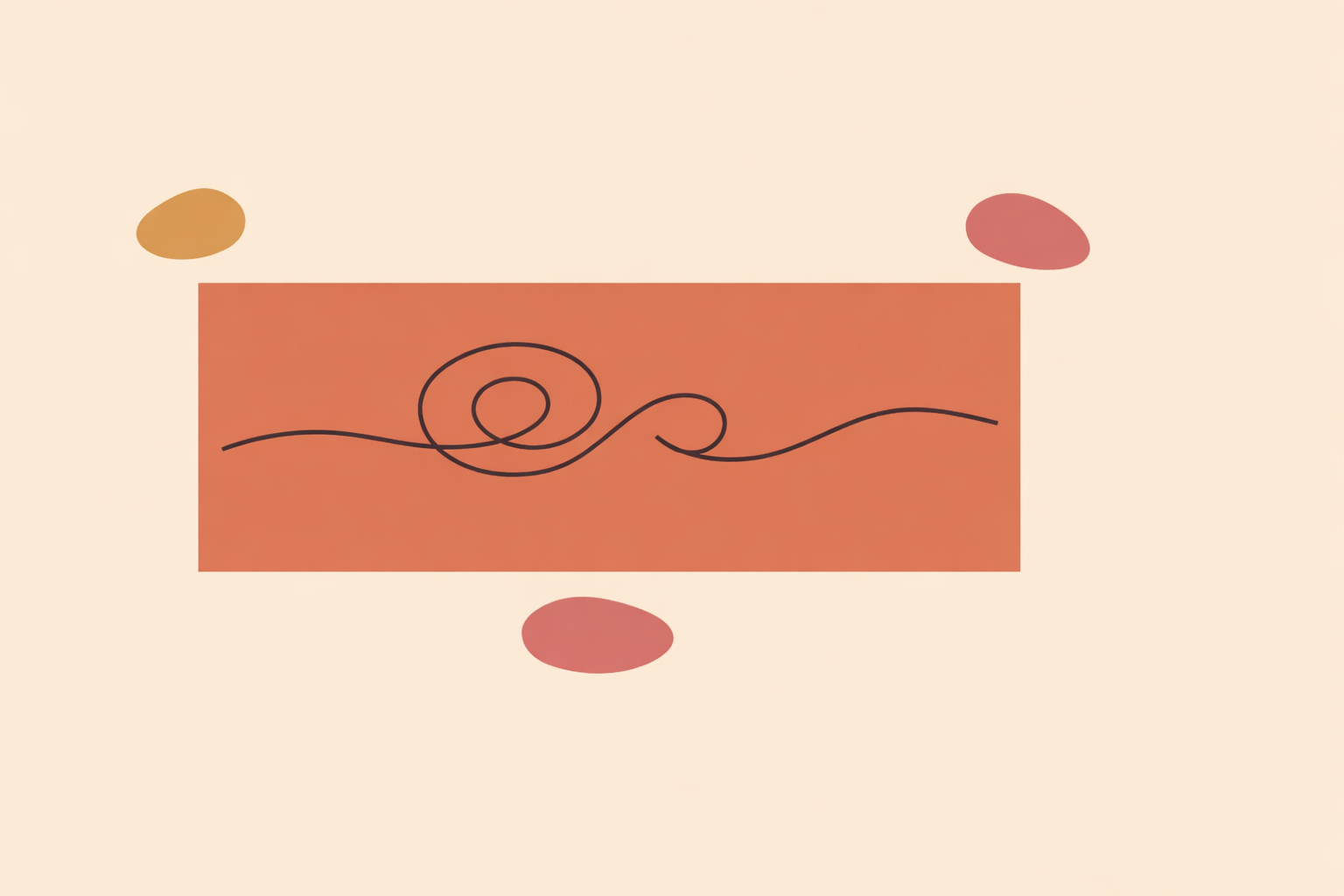
- drawing the breath as a rising and falling mark
- making slow circles while softening the shoulders
The power isn’t in complexity; it’s in repetition and permission to keep going without judging the result.
3. Integrate. Close with a few gentle prompts: What feels different now? What did you notice in your body? If this page had one mood, what would it be? This turns a pleasant activity into a meaningful practice.
That simple arc often feels surprisingly deep. It settles the mind without demanding a long explanation or a polished outcome.
“Art therapy is not about teaching people to make ‘good’ art; it is about using the creative process as a form of problem-solving and meaning-making that often reveals information a standard verbal interview will never access.”
Even in a short, non-clinical wellbeing context, the principle still holds: the page can reveal what words haven’t reached yet.
How mindful drawing creates calm and focus
Mindful drawing may look simple, but several supportive processes can happen at once—often creating a genuine sense of reset.
Attention training. Repetitive mark-making can steady focus. Research on structured colouring and similar visual repetition links it with reduced anxiety and greater mindfulness—very much in line with what practitioners observe with lines, grids, spirals, and dots.
Sensory grounding. The feeling of pen on paper, the sound of the mark, the rhythm of breath—attention comes home to the present moment. Mindfulness works in part through present-moment sensations, supporting emotional steadiness and clearer attention.
Emotion externalization. When an emotion becomes pressure, rhythm, speed, or shape, it has somewhere to go. Put simply: the page can hold feeling without forcing a long verbal story, which often feels gentler and more accessible.
Kinder self-talk. The facilitator’s tone shapes the whole experience. A steady “there’s no right or wrong here” can soften self-criticism. Process-focused creative work helps take the pressure off, especially for people who are hard on themselves.
When these pieces come together, participants often slip into a light flow state—absorbed, calmer, and clearer. Arts engagement has been linked with flow states connected to mindfulness and mental refreshment. In real sessions, this is the moment someone says, “I can breathe again.”
“When we train practitioners in expressive and therapeutic arts, the biggest shift we see is that clients who were ‘stuck’ in talk therapy begin to move again once they have a visual or creative language for their experience.”
Even one small page can become that visual language.
What short sessions can do now, and what repetition builds over time
Ten to twenty minutes can create a meaningful shift in the moment. A short practice doesn’t have to do everything to be valuable—it just needs to help someone return to steadiness.
Related research suggests brief formats can help: mindfulness-based art approaches show anxiety reduction, and guided drawing has been associated with immediate calm after the activity. That matches what facilitators often see online: people become quieter, more present, and less scattered.
With repetition, the benefits tend to deepen. Over time, the practice becomes a familiar route back to the body, the page, and a less reactive state. Longer mindfulness-based art programs show greater benefit than very brief ones, which fits the traditional understanding that consistency builds capacity.
Regular art-making also seems to support stress regulation more broadly, with summaries noting links to lower cortisol. Essentially, small practices become stronger when they become familiar.
This is why micro-practices work best when paired with light reflection. A five-minute drawing can settle the system today; a repeated five-minute drawing, noticed over weeks, can gradually shape habits of attention, self-kindness, and self-awareness.
Who tends to benefit most from brief mindful drawing
Short mindful drawing often supports people navigating everyday stress, self-judgment, or drifting focus. It can also be a relief for anyone who finds verbal processing tiring or simply not their preferred way to explore experience.
- Busy adults: small practices fit full days and still offer a genuine pause.
- Perfectionistic participants: a “no right or wrong” frame can soften self-criticism and make creativity feel safer.
- People under workplace pressure: repetitive drawing can help them unwind between meetings.
- Participants who prefer non-verbal routes: shapes and marks can express what feels hard to say directly.
- Some neurodivergent participants: clear steps and predictable timing can feel more accessible and less ambiguous.
In online spaces especially, giving people something concrete to do often helps them settle more quickly than conversation alone.
How to design online sessions that feel clear, steady, and supportive
Online delivery tends to work best when it’s slower, simpler, and more sensory than you might expect. Small design choices create a sense of safety.
Keep instructions tiny. Guide one mark at a time instead of explaining the whole practice upfront. This reduces overload and steadies attention.
Demonstrate clearly. An overhead camera or shared screen can increase clarity while respecting privacy. Participants can follow the movement without turning their camera on.
Stay with pen and paper. Simple materials reduce friction. Breath-lines, slow spirals, shape-filling, and sensory marks are easy to start and easy to repeat.
Build in off-screen moments. Online spaces can be demanding. Invite lowered gaze, small pauses, or shoulder rolls so attention returns to the page instead of the screen.
Use kind language. Keep the tone invitational rather than corrective. “Just notice,” “let it be simple,” and “you can stop at any point” helps people participate in their own way.
A sample 15-minute arc:
- 2 minutes: notice breath, seat, hands, and page
- 2 minutes: one continuous-line warm-up, eyes open or closed
- 7 minutes: fill one area slowly with repeating dots, lines, or curves
- 3 minutes: reflect on sensations, mood, and what shifted
- 1 minute: close gently and transition back into the day
If you invite between-session practice, keep it light. “Try five minutes after lunch” is often more sustainable than an elaborate routine. Consistency supports both immediate stress reduction and longer arcs of change.
Keeping the work within a clear wellbeing and coaching scope
Mindful drawing can enrich coaching and wellbeing work without overreaching. It works well as an opening ritual, a mid-session reset, a reflective close, or a simple between-session practice.
The key is framing: this is about support, personal development, emotional awareness, attention, and self-reflection. Creative arts approaches are well suited to growth-focused settings when they’re anchored in personal well-being rather than clinical goals.
Clear scope is also part of ethical practice. If something intense arises, the facilitator can slow down, help contain the moment, and, in non-clinical work, signpost onward if appropriate.
It’s equally important to respect the difference between wellbeing-focused arts work and formal clinical art therapy pathways. Clinical art therapy certification requires substantial supervised client contact and formal oversight, so short courses are not substitutes for that level of training. They are for practitioners who want to use creative tools responsibly within a non-clinical scope.
Mindful drawing can be modest and powerful at the same time. Often, a few careful marks are enough to help someone return to themselves.
Conclusion: yes, short online mindful drawing can create real shifts
When it’s simple, intentional, and well-held, short online mindful drawing can support calm, focus, presence, and self-kindness. It works because it asks for very little while engaging a great deal: attention, sensation, rhythm, emotion, and reflection.
Its strength isn’t that it replaces deeper work; it’s that it offers a repeatable doorway into steadiness for people living real lives. A gentle arrival, a small prompt, and a few moments of integration can genuinely change the tone of a day.
“Our Therapeutic Arts certification is specifically designed for coaches, educators, and care workers who want to use drawing, painting, and craft to support emotional wellbeing while staying within their scope of practice.”
Explore Therapeutic Arts Certification
Build mindful drawing and other creative grounding practices with the Therapeutic Arts Certification.
Explore Therapeutic Arts →