Yes—when progress tracking reflects what nature truly shifts, and when it’s done in a way that respects both clear outcomes and the living spirit of the work. Practitioners of forest- and land-based support witness change every week; the skill is turning that lived change into something clients can also see and name.
Forest and land traditions have long been trusted for easing emotional heaviness and restoring balance. Modern voices echo that reality: guided forest experiences can lift mood, and programs that blend nature with mindful attention can reduce depressive symptoms. A UK analysis also found 9–12 weeks of land-engaged programming was associated with meaningful improvements for mild to moderate low mood and anxiety.
What many practitioners want, though, isn’t just “proof.” It’s a way to show progress that matches the natural pace of outdoor work—without flattening it into checkboxes. A simple, seasonal framework that tracks mood, embodiment, and belonging can do exactly that: it respects ancestral rhythms while giving you practical language and tools to describe outcomes in forest work and sylvotherapy.
Key Takeaway: Progress tracking in nature-based depression support works best when it measures what outdoor practice actually changes—mood and rumination, body-based regulation, and belonging. Use a simple seasonal arc (often 9–12 weeks) with a baseline, a few co-created goals, and periodic reviews so clients can see non-linear gains without reducing the work to checkboxes.
Why Tracking Progress in Nature-Based Depression Support Feels So Tricky
Nature work moves in cycles, not straight lines. Clients may feel brighter, steadier, or more human outdoors, yet conventional symptom-only tracking can miss the deeper story unfolding underneath.
Design matters. Reviews suggest that programs with enough time for a real relationship with place—often around 9–12 weeks—and with active engagement (gardening, tending, care farming) tend to show stronger gains than shorter, more passive formats. By contrast, some shorter, craft- or sport-focused offerings show smaller gains. That’s why one-size-fits-all tracking often feels like a mismatch for outdoor coaching: the “dose” is partly time, but it’s also depth of land-relationship.
Place and relationship matter too. Many clients don’t just feel “less low”—they feel less alone. That shift can be easy to overlook if you only count symptoms. As summarized in the same York coverage, group activities in local green spaces can reduce loneliness by creating shared care of surroundings—an outcome that is often central to well-being.
There’s also a simple truth from decades of outcome tracking across talk-based approaches: monitoring and reflecting together can enhance results. And when progress is made visible and interpreted collaboratively, some practice summaries report up to 85% better outcomes. The goal isn’t to imitate clinic-style measurement—it’s to build a nature-wise way to notice change, celebrate it, and adjust course while you’re still on the path.
What Nature-Based Depression Support Actually Shifts
In day-to-day practice, the shifts are familiar: steadier mood, less stress, more presence, and a widening sense of connection. When those are what you track, progress becomes clear without forcing the work.
Sylvotherapy traditions—often practiced with gentle guidance—use breath, mindful walking, and sensory awareness to settle the nervous system and invite presence. In Japan, shinrin-yoku (forest bathing) was introduced as a preventive, stress-reducing well-being practice, and it has inspired related approaches worldwide. Research observing forest immersion has noted decreased pulse rate and lower salivary cortisol, alongside increased positive feelings and reduced negative feelings.
On standard mood profiles, people often report lower tension–anxiety and higher vigor after time among trees. A broader view finds nature plus mindfulness approaches can reduce depressive symptoms while also increasing everyday activity and mindfulness—two foundations that support resilience. In one nature-based program evaluation, participants described improved self-esteem and a stronger sense of nature connection, with personal accounts of more hope and engagement with life.
So the most useful “progress map” usually has three territories: mood and thinking, embodiment and energy, and belonging and meaning. These are deeply aligned with traditional wisdom and they translate well into modern outcome tools—without losing the heart of the work.
Designing a Progress Framework for Nature-Based Depression Support
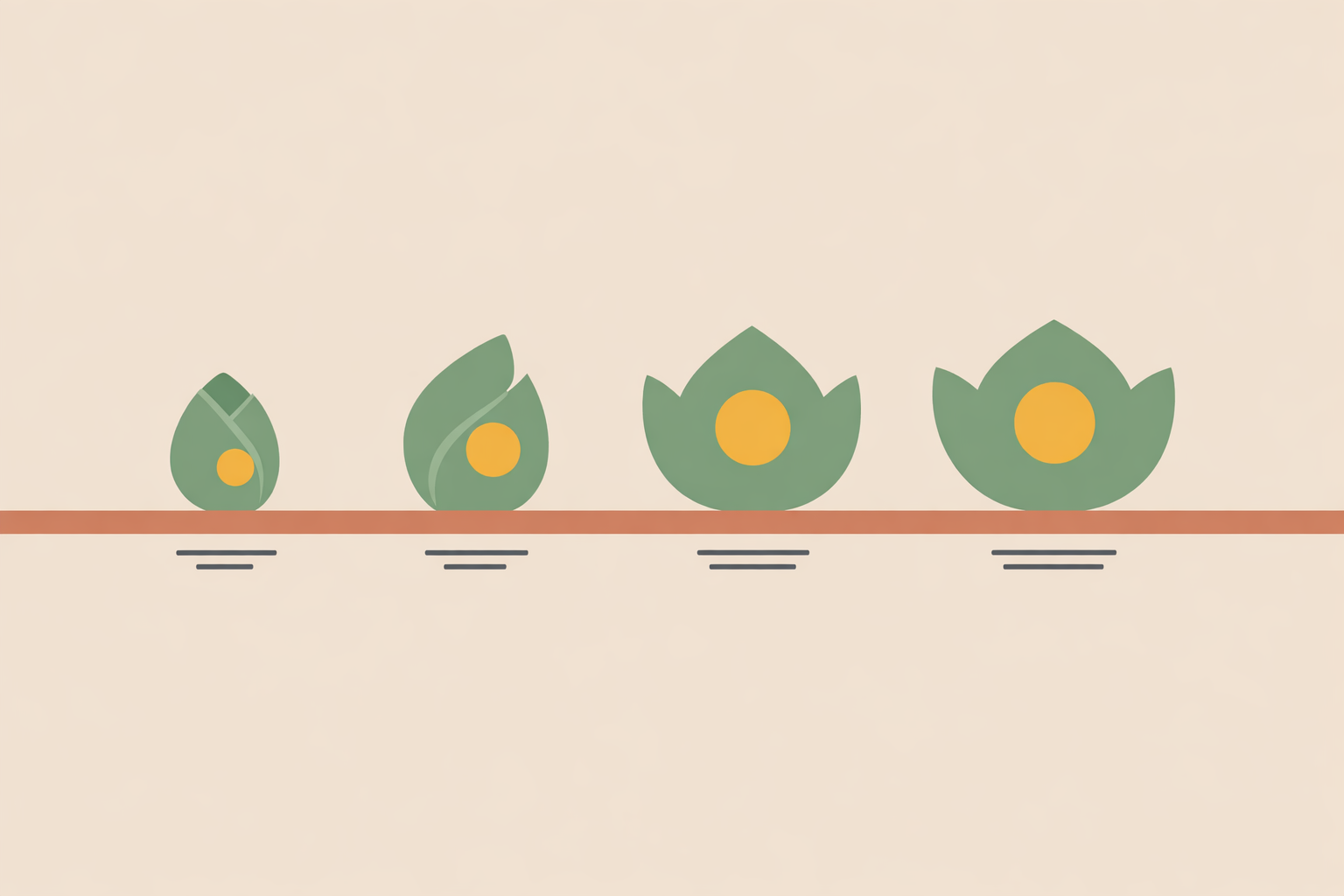
Keep it seasonal and simple: set a baseline, co-create a small set of goals, then review together every few weeks over a 9–12 week arc. That cadence respects nature’s pace and still makes change visible.
Begin with a compassionate baseline. Borrowing from outcome-informed practice, agree a handful of SMART goals that fit the person and the place—like “Morning light walk three days/week,” “Name one grounding sensation each session,” or “Join the community gardening circle twice this month.” Think of it like planting markers along a trail: not to control the walk, but to help you both notice how far you’ve come.
Then build in brief reviews. Many practitioners revisit progress every 4–6 sessions, using quick ratings plus open reflection. That rhythm—check, celebrate, adjust—helps you sense when to deepen, simplify, or add rest. Short tools like ORS/SRS can create a fast feedback loop about overall well-being and session fit, used ethically within a coaching frame.
Finally, match the container to what research and tradition both suggest works well: enough time and enough relationship. Reviews of nature-based programs point to 9–12 weeks with active land engagement as a common “sweet spot.” Build a clear arc—opening (orientation and baseline), middle (practice and review), closing (integration and next steps). Ongoing monitoring with feedback can enhance results, in large part because what gets noticed tends to get nurtured.
Setting baselines and goals that match nature’s pace
- Week 0–1: Gentle baseline and intention-setting; choose 2–3 SMART goals.
- Week 2–4: Build rhythm (forest walks, breathwork, sensory practices); quick weekly check-ins.
- Week 5–6: First review; celebrate wins; revise goals; add group or land-care element.
- Week 7–9: Deepen practices; introduce a personal ritual (e.g., tree gratitude, sit-spot journal).
- Week 10–12: Second review; integrate gains into daily life; plan post-program maintenance.
What to Track #1: Mood, Heaviness, and Repetitive Negative Thinking
Track the “weather of the heart” gently and consistently. A simple 0–10 mood check, a few tailored prompts, and one rumination marker can show real lightening over time—without turning the person into a score.
Evaluations of nature-based programs have reported reduced depressiveness and stress across a program arc, along with increased positive affect and nature connectedness. Standard tools can also help capture the overall direction of change; for example, shifts on the PHQ-9 have been used to reflect improvement over time, while still keeping the focus on the person’s lived experience.
Rumination deserves its own spotlight. Compared with urban walks, time in nature has been found to decreased rumination—those sticky loops that can keep low mood reinforced. Many clients say some version of, “My inner critic quiets here.” You can honor that with one weekly question: “How sticky did negative thoughts feel this week (0–10)?”
Between sessions, keep it light and doable: mood logs, brief journal prompts, or simple daily checkmarks like “got outside,” “noticed breath,” or “connected with someone.” Even simple notes can act as self-report tools. If you want more structure, pair a rating with one or two sentences, reflecting the value of blending quantitative scales with lived description.
Using mood scales and rumination markers with care
- Weekly 0–10: “How heavy has the week felt?”
- Rumination pulse: “How sticky were repetitive thoughts (0–10)?”
- Two-sentence reflection: “A moment I felt lighter was… Because…”
- Optional: a brief, standard mood check-in to mark overall direction, contextualized within a coaching frame.
Forest-immersion findings often mirror what practitioners see: a settling of the system, reflected in lower salivary cortisol, more positive feelings, and fewer negative feelings. When collected gently, mood tracking often becomes a simple reflection of those embodied shifts.
What to Track #2: Motivation, Embodiment, and Everyday Self-Regulation
Often the first bright shoots aren’t dramatic—they’re practical. A walk feels possible again. A breath drops lower in the belly. Morning routines start to return. Track these “quiet wins,” because they’re usually the foundation for everything that follows.
People in nature-based programs frequently describe higher motivation, more social contact, and a setting that supports honest self-reflection. Many report that seasonal exposure and outdoor rhythm support self-regulation and self-acceptance, aligning with observed increases in self-love. Horticultural approaches have also been linked with improved mood and reduced anxiety in evaluations of horticultural programs, alongside themes of personal growth and a steadier sense of self.
These shifts are highly trackable. Use simple activity charts, sleep and light-exposure notes, or a tiny checklist: “out of bed by…,” “10-minute walk,” “gentle stretch,” “joined group,” “prepared one nourishing meal.” This kind of behavioral tracking can show real progress even when mood scores wobble. Nature plus mindfulness programs have also been associated with increased everyday activity and mindful awareness—in other words, more movement and more presence.
Energy, activity levels, and the body’s quiet signals
- Energy dial (0–10): “How available did your energy feel most days?”
- Body anchors: 1–2 sensations that reliably soothe (e.g., cool breeze on cheeks, feet on earth).
- Daily tiny acts: checkmarks for light exposure, movement, hydration, or nature contact.
- Group rhythm: attendance and a brief note on connection or comfort level.
What to Track #3: Belonging, Meaning, and Connection to Nature
Belonging isn’t a side effect—it’s a central outcome. When people feel woven back into land and community, loneliness often loosens, and the whole system can start to reorganize around hope.
Many studies now include measures that capture these subtler gains. Evaluations of nature-based programs have reported increases in connectedness—a shift that symptom lists alone may never fully describe.
Community-based land work adds another layer: rootedness in place. Alongside mood change, shared tending can counter isolation; the York summary notes group activities in local environments can reduce disconnection and loneliness through caring for surroundings together. Reported gains are often strongest when people actively engage with nearby land, suggesting meaning and purpose are part of what drives observed mood improvements.
In practice, sylvotherapy commonly unfolds in a group setting with mindful exercises, poems, and reflective pauses that deepen insight and shared humanity. Track it simply: ask about belonging, meaning, and nature connection, then reflect those answers back over time so clients can recognize their own returning roots.
From loneliness to rootedness as a clear outcome
- Belonging (0–10): “How connected did you feel to people and place this week?”
- Meaning moment: one brief note from the outdoors that felt significant.
- Nature connection: a 1–2 item scale or prompt tailored to your culture and community.
- Place-based participation: attendance and short reflection on group or land-care activities.
Turning Data into a Living Story Clients Can Feel
Data becomes meaningful when it stays in relationship. Bring the numbers to life with simple visuals and small rituals, so clients can feel their own evolution—not just hear about it.
Support daily noticing between sessions with light, client-led tools: mood logs, short journaling, or brief check-ins that capture context. These self-report tools give you texture to reflect back later. Quick check-ins such as the Session Rating Scale can also strengthen responsiveness by creating a real-time feedback loop about session fit and overall experience.
Every few weeks, gather the threads. Plot mood and rumination on a simple graph, list tiny acts of self-regulation, and collect belonging notes into something tangible—a word cloud, a short list, a collage. Combining structure and reflection supports a fuller picture, and planned reviews can improve results when they lead to real adjustments rather than passive record-keeping.
Visual tools can be especially motivating for teens and young adults. Progress bars, skill charts, or a seasonal timeline make inner change easier to grasp and sustain. Some practice summaries suggest clear visuals and shared interpretation can be linked with 85% better outcomes.
“Non-linear progress acknowledged; small wins highlighted to sustain motivation.”
That principle fits the land: growth isn’t linear, it’s seasonal. When you track progress in a way that honors cycles, clients are less likely to feel discouraged by normal dips in energy or mood.
From mood logs to visual timelines and rituals
- One-page dashboard: mood/rumination graphs + weekly tiny-acts checklist + belonging notes.
- Seasonal timeline: key practices, turning points, and photos or sketches from meaningful places.
- Closing ritual: a letter to a favorite tree or trail, naming skills gained and next steps.
- Future anchor: a 2–3 line plan for maintaining contact with land and community supports.
Conclusion: Track What Nature Really Changes
When you track what nature reliably shifts—mood and thinking, embodiment and energy, belonging and meaning—progress becomes easy to share without rushing the work. A seasonal container, a few co-created goals, and periodic reviews are usually enough to make change visible while keeping the experience human.
Modern evidence supports what tradition has long held. Routine monitoring with feedback can enhance results across many helping approaches. Well-designed, land-engaged 9–12 week programs have shown meaningful mood improvement, and some analyses suggest forest-based approaches may be more effective than no intervention or urban alternatives for easing depressive experience. This sits comfortably alongside tradition: shinrin-yoku and related ancestral practices have long emphasized stress relief, presence, and reconnection as foundations for well-being.
As always, ethical practice matters: stay within scope, support well-being, and avoid promises or certainty about outcomes. Keep consent clear, respect cultural roots, and design for accessibility. Then let your tracking evolve as your craft evolves—so clients can both feel and see what’s changing.
Train in Sylvotherapy Practice
Apply these tracking frameworks confidently in client work with the Sylvotherapy Practitioner Certification.
Explore Sylvotherapy Certification →