Yes—Reiki can fit smoothly into corporate life when it’s positioned as practical stress support, delivered with cultural sensitivity, and scheduled around real work rhythms.
In offices, the most successful offerings tend to be simple and workday-friendly: short sessions on-site, small groups, or a quiet corner where staff can step out, reset, and come back with more clarity. One workplace-focused paper describes energy-based approaches as supporting employee well-being alongside productivity and job satisfaction.
From a traditional practitioner’s view, a workplace often feels like a web of high-output “nodes.” Where strain collects, Reiki can direct positive energy toward overload and invite the body-mind into a relaxation response people can actually feel—sometimes within a single break between meetings.
When organizations want something repeatable, brief series tend to land well. Workplace program notes describe sessions that are practical for busy professionals, including those working remotely.
Because Reiki is also a path of personal cultivation, many practitioners experience ongoing practice as supporting chakra balance, strengthening intuition, and clearer personal boundaries. That steadiness becomes your “silent leadership” in fast-paced teams. As Yoko Ono put it, “Healing yourself is connected with healing others,” a sentiment often shared in Reiki circles.
Key Takeaway: Corporate Reiki works best when it’s framed in plain, workplace language and delivered in short, repeatable formats that fit real schedules. With clear consent, boundaries, and cultural sensitivity, sessions can offer a noticeable reset—supporting calmer focus and steadier communication without overpromising.
Why Corporate Teams Are Turning to Reiki for Stress Support
Many teams are carrying more pressure than ever: constant demands, digital overload, and boundaries that blur between work and home. Leaders are looking for humane, scalable ways to help people reset—without making it complicated.
A review of corporate employees in India found roughly 80% showed signs linked with anxiety, and more than half with low mood. Even when the details vary by workplace, the lived pattern is familiar: mental fog, strained communication, and a sense of being constantly “on.”
In practice, repeated sessions often soften these states by restoring inner balance and presence before the next meeting pulls attention outward again. Reiki approaches stress at its roots—attention, energy, and connection—by supporting not only physical and mental well-being but also energetic well-being.
That shift matters culturally, too. When people have reliable access to down-regulation, teams often become steadier and more communicative, and everyday friction can ease over time.
Reiki is also increasingly present in mainstream settings. Overviews note it has been added to workplace wellness programs in healthcare and other industries, often to support burnout prevention and skills like presence and emotional regulation.
Some organizations also see practical ripple effects when offerings are consistent. A workplace study noted daily practice over 21 days produced measurable change in stress reduction.
As one practitioner reflected, “Although most Reiki practitioners are mainly focused on the art of healing, Reiki’s main advantage is its multi-aspect nature… a businessman transforms Qi into money, an artist expresses Qi in art.” This quote from Katya Ki, shared among Reiki practitioners, captures it well: in corporate life, Reiki often becomes a conduit for focus, steadiness, and values-driven action.
How Reiki Supports Stressed Employees (Without Overpromising)
In workplace settings, Reiki is often experienced as a genuine “reset”: deep relaxation, steadier emotions, and clearer attention. Reports from workplace programs describe immediate shifts like slower heart rate, deeper breathing, reduced muscle tension, and a sense of mental clarity.
Traditional lineages describe Reiki as channeling universal life energy to soothe tension and restore balance. Put simply, many recipients describe it as pressure releasing—like the nervous system finally unclenching—and that calm can build with regular sessions.
These lived experiences are echoed in observational summaries of Reiki practice, sitting alongside a gradually expanding research base.
Modern research reviews note Reiki can guide the body toward parasympathetic dominance—the “rest-and-digest” mode linked with restoration. Workplace-focused study summaries also highlight deep relaxation and reduced anxiety compared with placebo touch.
Repeated sessions often matter as much as the first. Research summaries suggest stress markers can improve with repeated sessions, while many practitioners would add that the depth of the experience is not always fully captured by formal measures.
For hybrid and remote teams, distance Reiki is a practical option. Workplace stress research links short series with reduced sadness and increased vitality, and suggests it can be at least as effective as hands-on formats for perceived stress.
From deep relaxation to everyday resilience
In corporate contexts, the throughline is straightforward: many people feel less tension, clearer thinking, and a steadier baseline after sessions—whether in person or remote. These outcomes align with traditional teachings about restoring harmony in practice.
One integrative perspective describes Reiki as supporting the body’s rest-and-digest response and moving the system away from chronic fight-or-flight toward calm. Essentially, it helps people feel more like themselves again—often the exact words you’ll hear after a session.
Or in the words often heard in practitioner communities, “One of the many benefits of Reiki is how it gives us what we need when we need it,” as captured among Reiki quotes. In work life, “what’s needed” might be the steadiness to lead a hard conversation or the clarity to close the laptop at a sensible time.
This is where Reiki shines at work: it offers a calm, respectful pause inside a busy day—supporting regulation and presence without grand promises, just real shifts people can notice.
Translating Reiki into Everyday Office Language
Trust grows faster when your language matches what teams care about: relaxation, focus, communication, and culture. When people recognize their own experience in your words, they’re more likely to engage.
Rather than leading with chakras or aura, many practitioners start with a simple nervous-system frame: “We’ll support your system to shift out of fight-or-flight and into the relaxation response.” Think of it like helping a browser with too many tabs finally close a few. This approach aligns with descriptions of directing balancing energy toward areas of tension to invite calm and clearer thinking.
Before-and-after language also works well: people may arrive with mental fog and leave feeling steadier and more clear. For decision-makers, you can compare a short session to recharging a battery—brief, meaningful, and easier to schedule than longer well-being activities.
Teams often benefit from regulating together, too. Group Reiki—or Reiki paired with sound healing—can create a shared experience of calm. In office language, that’s self-regulation, attention training, and emotional awareness: the same foundations that support leadership development and collaboration.
As Frans Stiene puts it, “The system of Reiki helps us to break free of the image of ourselves… so that we can discover our true selves.” It’s a poetic way of saying stress doesn’t get the final word—a sentiment often shared in Reiki teachings and easy for thoughtful leaders to appreciate.
Corporate-Friendly Reiki Formats That Actually Work
The best workplace offerings honor real calendars. When sessions are easy to say yes to, programs tend to grow naturally.
Here are formats that consistently land well:
On-site, online, and hybrid options
- Chair sessions (15–30 minutes). Individual, clothed sessions in a spare meeting room. People often return to their desks with more ease and clearer focus. This format is common in office programs.
- Lunchtime or end-of-day groups. Gentle group sessions that offer a shared moment of calm—like a mini-retreat without leaving the building. Many teams respond well to lunchtime circles.
- Quiet-room support. Help set up a calm space with simple scheduling, soft lighting, and optional in-person or distance support—an approach described in office case studies.
- Self-practice resources. Short recordings for self-Reiki or meditation, plus simple signage so the space stays respectful and consistent.
- Reiki + sound. Gentle sound textures (like bowls) paired with Reiki to deepen relaxation—an approach often used for stress relief.
- Series and hybrid models. A short series (such as weekly sessions) followed by monthly check-ins, in person or remotely. Workplace research connects structured series with increased vitality and reduced stress over time.
Across every format, the principle is the same: make calm accessible. As Frank Arjava Petter reminds practitioners, “If you want to learn Reiki, then the more you practice, the better it is!” A spirit echoed in many Reiki quotes—and made real when organizations can integrate practice into daily life.
Ethics and Boundaries for Reiki in Corporate Settings
Strong boundaries are what make corporate Reiki inclusive and sustainable. When agreements are clear, people can relax into the experience.
At Naturalistico, we emphasize consent, scope, and language as the foundation of professional practice. That means being explicit about what Reiki offers (stress support and personal growth), what it doesn’t (any clinical role), and how confidentiality is handled. Our guidance on ethical boundaries outlines how to embody this from the inside out.
Personal practice matters, too. A 21-day integration rhythm—daily self-Reiki, journaling, and reflecting on the precepts—helps many practitioners stabilize their own regulation before holding groups, a structure we regularly recommend. What this means is simple: your steadiness sets the tone.
Clear agreements, clean energy
- Scope-of-practice statements: Share a simple one-pager on what you offer and what you don’t, including referral pathways for needs beyond your lane.
- Consent protocols: Use opt-in sign-ups, clear pre-session briefings, and the freedom to pause or stop at any time. Consent is ongoing.
- Cultural sensitivity: Honor roots without appropriation. Avoid imposing beliefs; invite personal experience.
- Group safety: Plan the arc of sessions, set expectations, and close gently. Use checklists to design safe containers with predictable structure.
- Language care: Use plain words—relaxation, clarity, presence—so people from any background feel respected and included.
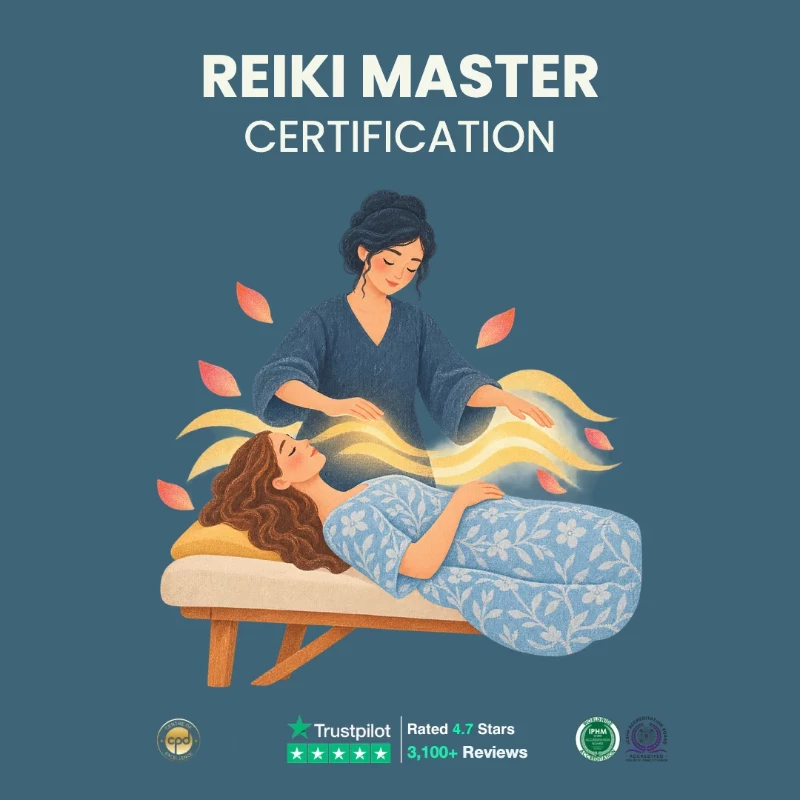
Naturalistico’s training integrates these elements throughout, ensuring that communication and cultural sensitivity sit alongside technique in the Reiki Master Certification. As one teaching puts it, “A healer’s power stems not from any special ability, but from maintaining the courage and awareness to embody and express the universal healing power that every human being naturally possesses,” a sentiment shared among healing quotes that keeps practitioners grounded and aligned.
From Pilot Session to Ongoing Corporate Reiki Partnership
Start small, learn with the team, and grow what works. A clear, low-risk pilot helps organizations say yes—and helps you refine delivery inside their real constraints.
Here’s a simple three-phase approach you can propose.
A simple three-phase pilot you can propose
- Phase 1: Taster day (or two half-days). Offer 15–20 minute chair sessions for a set number of people, with a short group opening and close. This is similar to the tasters many teams appreciate during busy seasons. Price transparently by day-rate, factoring travel, prep, and your level of training.
- Phase 2: Four-week series. Provide weekly on-site or distance sessions plus optional group circles. This mirrors findings where structured series correlated with increased vitality and workplace stress reduction. Add a simple weekly pulse survey (for example, two questions on stress and focus) to make changes visible without overbuilding measurement.
- Phase 3: Monthly maintenance. Transition to monthly group sessions with optional one-to-ones and quiet-room resources. Encourage a 21-day self-practice reset once or twice a year, drawing from integration models many Reiki teachers use.
Keep the relationship at the center. Share what you’re noticing (for example, calmer afternoons after lunch sessions) and invite feedback so the program becomes a shared creation. Many workplace practitioners also find that steady personal practice strengthens their own clarity and efficiency—which everyone benefits from.
Consistency is what builds trust. As Robert N. Fueston reminds us, “No matter what your lineage is, practice! Just practice, practice, practice. That’s gonna take you places.” A message echoed in Reiki and trust, and a reliable compass for long-term workplace partnerships.
Conclusion: Bringing Reiki into Corporate Life with Confidence and Care
Workplaces are asking for human-centered ways to ease stress and help people return to presence. Reiki belongs here—not as a dramatic fix, but as a steady, respectful practice that supports calmer focus and kinder connection.
When the essentials come together—clear language, workday-friendly formats, strong boundaries, and a sensible pilot—Reiki can contribute to calmer workplaces and fewer stress-related absences. These outcomes are described in office programs and echoed in modern summaries noting shifts toward relaxation and enhanced well-being.
Bring your lineage wisdom. Speak plainly. Start small. Keep practicing. That’s how Reiki becomes part of modern work—one calm breath, one clear session, one kinder meeting at a time.
Master Corporate Reiki Practice
Deepen your confidence and boundaries with Naturalistico’s Reiki Master Certification for workplace-ready Reiki support.
Explore Reiki Master Certification →