Better sleep isn’t just something you “get.” It’s a relationship you build—night by night—through signals, habits, and supportive rituals.
Chakra balancing with stones offers a grounded, traditional framework for that work. The seven chakras form a vertical current, “from grounding at the root to spiritual connection at the crown,” a sequence central to chakra teachings. Lithotherapy works with the subtle qualities of stones to harmonize that flow—an approach with deep roots that still fits modern evenings beautifully.
In many homes today, stones sit naturally alongside breathwork, journaling, and intention-setting in evening sleep practices. You’ll also see familiar night-time placements—by the bed, under a pillow, near the doorway—described in contemporary night-time rituals. The format is modern; the instinct is ancient: create a calm field, then rest inside it.
Naturalistico exists to support that bridge between heritage and real-world application—through certification-level learning and tools you can bring into client journeys. As the faculty encourages, “Lithotherapy invites you to work with stones as living allies for balance, rest and evolution.”
Key Takeaway: Restless sleep can be approached as energetic information, often centering on the root (safety), heart (emotional settling), and third eye (mental quiet). A consistent pre-bed ritual using a few well-chosen stones, simple breathwork, and clear intention can help clients create a calmer “sleep sanctuary” and track what truly supports their rest.
What Restless Sleep Reveals About Your Chakras
From an energetic perspective, restless sleep isn’t a personal failure—it’s information. When you read the message through the chakra lens, you can respond with clarity instead of self-criticism.
In chakra-informed traditions, unsettled nights often point to three key hubs: the root (grounding and safety), the heart (emotional settling), and the third eye (mental quiet). If sleep feels anxious or unmoored, many practitioners start with the root and heart. If the mind won’t stop circling, attention naturally turns toward the third eye.
For generations, stones have been kept close at night—on a bedside table, near the bed, or tucked under a pillow—to support harmony and a sense of protection. You still see that carried forward in modern sleep rituals and simple “sleep sanctuary” setups aligned with common sleep sanctuary guidance.
As the Naturalistico faculty often reminds us, “Disturbed sleep patterns often signal interrupted energy flow in key chakras, and stones are used to gently restore that balance.”
This perspective helps clients meet the night with curiosity: sensations become signals, and signals become a compassionate plan.
Mapping Sleeplessness Onto the Chakra System
Once you’ve listened for the message, the next step is choosing a map. The chakra system gives you a practical sequence—root to crown—so stone work becomes focused rather than random.
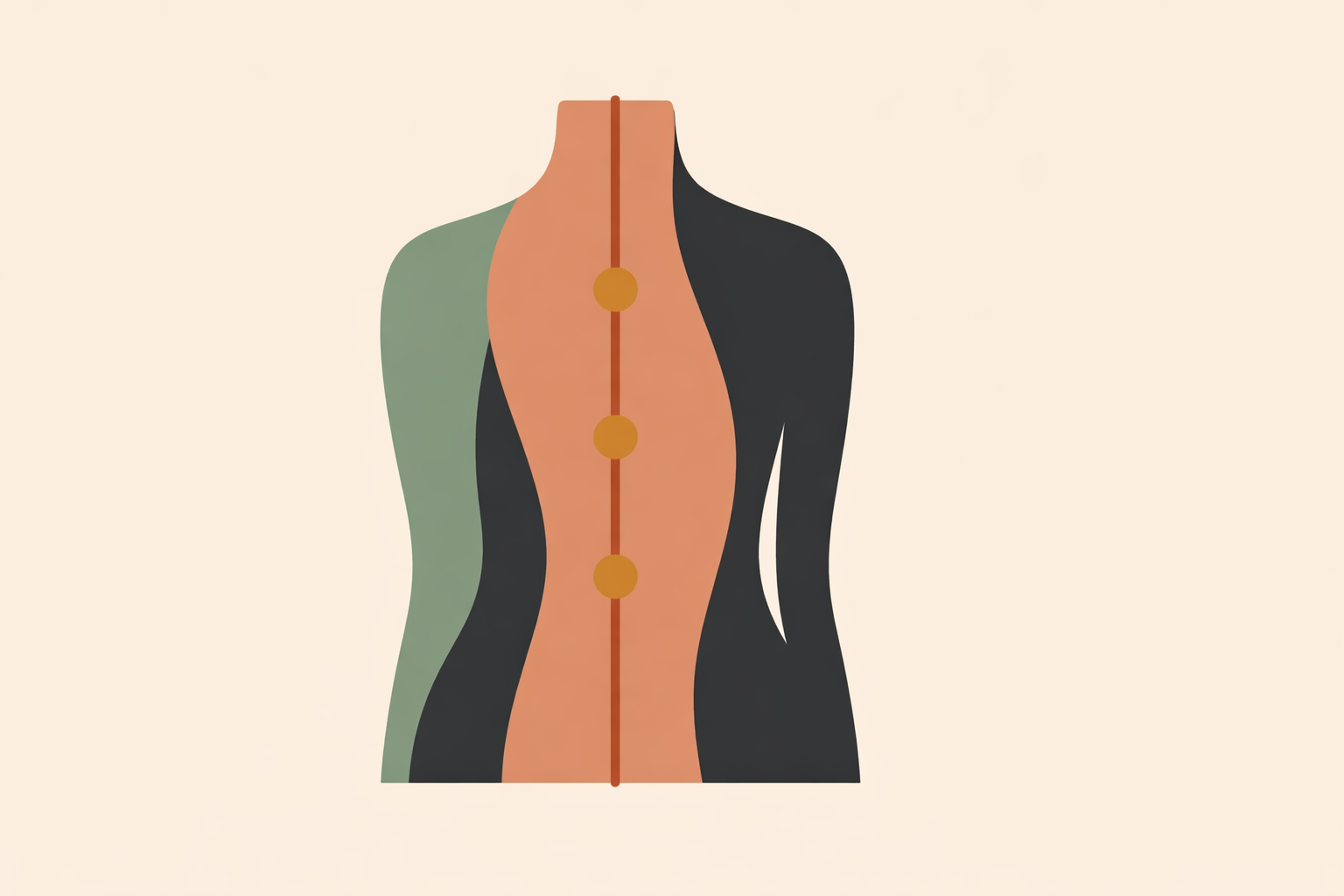
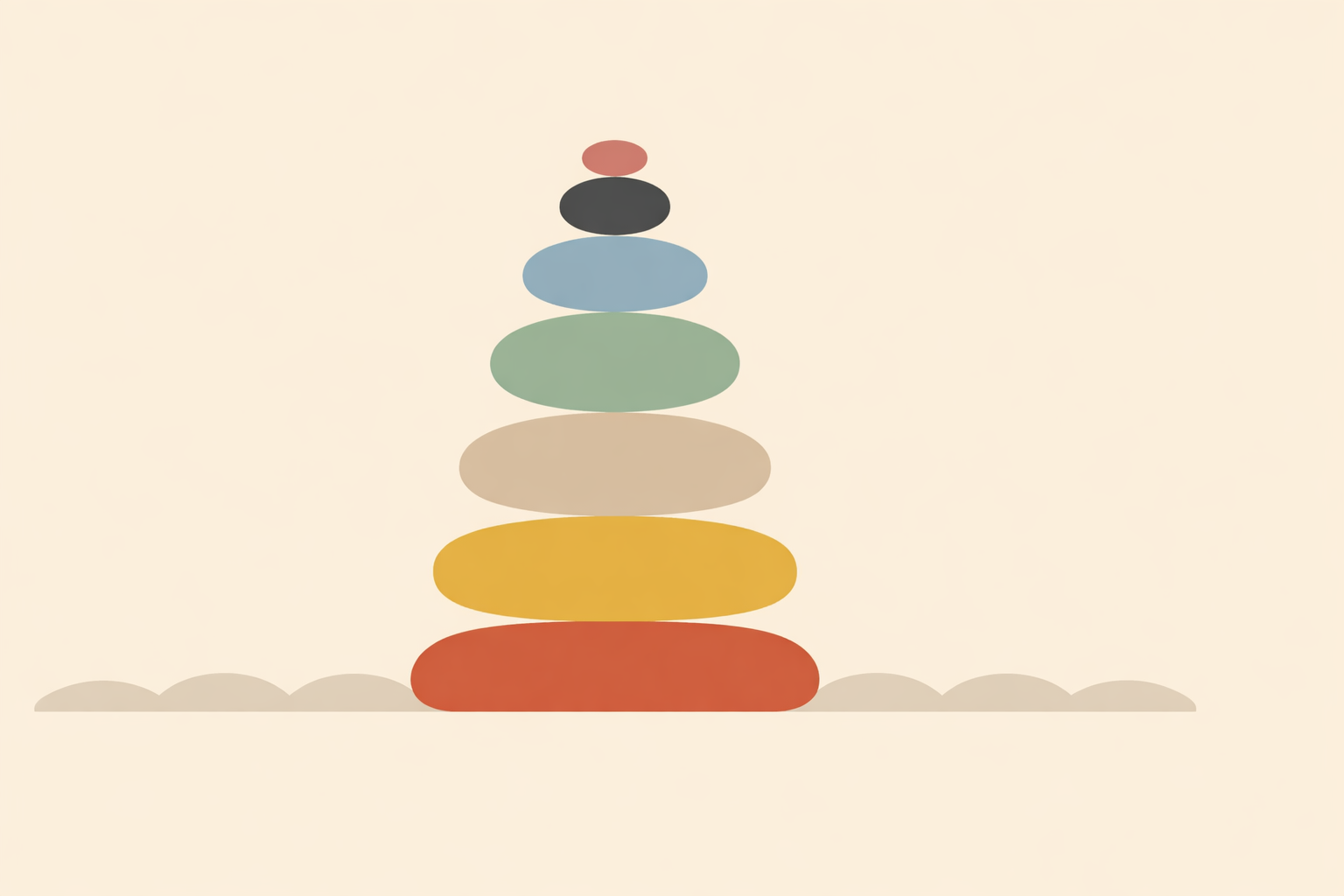
Most practitioners work with seven primary centers: root, sacral, solar plexus, heart, throat, third eye, crown. Naturalistico summarizes this as a vertical map that moves from grounding to spiritual connection. For sleep, the root, heart, and third eye tend to be the main focus, with the crown invited gently to create spacious calm.
Use this quick map in intake and session planning:
- Root (grounding): Restlessness, difficulty “letting go,” frequent wake-ups. Many guides emphasize night grounding and a sense of protection.
- Sacral (flow): Tightness in hips/lower belly, feeling “stuck,” restless creative energy. Think of it like a river that needs gentle movement, not force.
- Solar plexus (settling willpower): Overcontrol, pressure, an inner “engine” that won’t switch off. Support softening and warmth.
- Heart (emotional ease): Lonely nights, grief, looping relationship thoughts. Heart-focused stone choices are common in what practitioners notice in sleep work.
- Throat (release): Replayed conversations, unspoken truths, tension in the jaw/neck. Invite gentle expression and release.
- Third eye (mental quiet): Spinning thoughts, analysis, vivid inner imagery. Mind-calming choices are often prioritized in sleep rituals.
- Crown (spaciousness): Subtle overstimulation or a “buzz” that keeps the system too open. Invite stillness and soft connection.
Some practitioners use full seven-stone collections to support overall coherence, similar to curated sleep sets. Others prefer a focused trio. Either way, a brief pre-bed clearing can help the system feel more receptive—an approach often included in guides to gentle clearing.
Choosing Your Core Sleep Stones: A Simple Chakra Toolkit
Most sleep-focused work can be anchored by a small, reliable toolkit—root, heart, third eye, and crown—then customized as needed. Start with stones you know intimately; consistency often matters more than complexity.
Amethyst (third eye/crown): A classic night ally for quieting mental noise, supporting dreams, and creating a gentle sense of protection. Many practitioners recommend it under a pillow or on a nightstand, echoed in dedicated amethyst guidance. Naturalistico faculty also notes amethyst is often regarded as a master stone for night support.
Rose quartz (heart): When clients can’t sleep because emotions keep looping, rose quartz is commonly used to invite kindness, softness, and reassurance. It’s often paired with breathwork or placed nearby to support emotional harmony.
Black tourmaline (root): A practitioner favorite for grounding and energetic protection. Many place it on the nightstand to help the room feel settled, reflecting common lists of grounding stones relied on at night.
Selenite (crown): Often chosen to create a clear, still atmosphere. A wand or tower by the bed is frequently described as helping “quiet the space,” consistent with accounts of selenite supporting inner stillness.
From there, add modular support as needed: blue lace agate (gentle throat calm), mangano calcite (heart peace), lepidolite (deep relaxation), and moonstone (dream support) often appear in curated sleep sets. Put simply: build a small “night wardrobe” of stones, then choose what fits the evening.
Cleansing, Charging and Intention: Preparing Your Stones for Sleep
Clear stones and a calm room make the work feel smoother. A few minutes of energetic hygiene can turn a nice idea into a dependable ritual.
Cleansing: Refresh stones regularly so they hold your intention cleanly. Common methods include moonlight, smoke, or sound, reflected in many practical cleansing tips used in sleep work.
Charging: Attune stones specifically for night support—often with moonlight or a simple spoken intention. Many contemporary charging practices encourage clear wording such as, “I welcome restorative sleep, gentle dreams, and safe rest.”
Comfort: Bedtime should feel soothing, not fussy. If a stone is sharp-edged or a bracelet feels distracting, use smooth tumbles or place stones nearby—practical night guidance often recommends room placement when direct contact feels too intense.
Sleep sanctuary: Set the tone with 1–3 stones on the nightstand, a few slow breaths, and a simple affirmation—an approach aligned with common sleep sanctuary recommendations. Some practitioners also add a brief pre-bed clearing so body and stones meet in a settled way, similar to guides describing gentle clearing.
As the Naturalistico faculty often says, “Cleanse stones regularly—through moonlight, smoke or sound—to keep their energy bright and truly supportive for sleep work.”
The Step-by-Step Bedtime Chakra Balancing Protocol (15–20 Minutes)
This is a core sequence you can share with clients, adapt for groups, or record as a short voice note. It’s steady, practical, and built for real evenings.
Set up (2 minutes): Dim the lights. Silence the phone. Place stones within reach—often black tourmaline (root), rose quartz (heart), and amethyst or selenite (third eye/crown). If direct placement feels overstimulating, keep stones on the nightstand, reflecting practical placement tips.
1) Grounding the root (3–4 minutes): Hold or place black tourmaline at the lower belly or base of the spine (over clothing), or keep it at hip level on the nightstand. Inhale for 4 counts, exhale for 6. Imagine the exhale moving down the legs into the earth—an approach consistent with root grounding guidance.
2) Softening the heart (3–4 minutes): Hold or place rose quartz over the center of the chest. With each exhale, imagine warmth spreading a few inches around the heart. Choose one feeling to invite—“safety,” “kindness,” “ease”—a pairing commonly used in pre-sleep rituals.
3) Quieting the mind (4–5 minutes): Place amethyst over the brow if comfortable (or hold it / keep it nearby). Breathe in for 4, out for 8. Think of the mind like a night sky—thoughts are clouds that can drift past without being followed. This mirrors themes in amethyst guidance.
4) Spacious finish (2–3 minutes): If using selenite, hold it near the crown or lightly sweep it around the head and shoulders. Sense the room settling into quiet—an approach aligned with selenite’s association with inner stillness.
5) Combine as needed: On nights when both thoughts and feelings are active, hold amethyst in one hand and rose quartz in the other, breathing evenly to invite harmony. This flexible pairing is common in crystal combination practices.
Placement notes: If any stone feels “too much,” scale down: smaller stones, shorter timing, or nightstand placement—advice consistent with practical sleep tips. Even a few minutes per chakra can be meaningful.
As our faculty likes to remind us, “Even a brief meditation with your chosen stone, focusing on the breath and a soothing energy, can become a powerful pre-sleep ritual.”
Deepening the Work: Dreams, Emotions and Subtle Journeys
Once the basic protocol feels familiar, some clients naturally want to explore dreams and emotional release with more nuance—always grounded, and always respectful.
Dream support: Amethyst remains a cornerstone in many traditions for dream connection and gentle night protection, often used under the pillow or held during pre-sleep breathing, as described in amethyst guidance. Celestite is also often associated with a light, floating calm that supports throat and third eye qualities, reflected in discussions of celestite for sleep.
Emotional harmonizing: Lepidolite and moonstone are widely valued for encouraging inner peace and steadying emotional tides at night. You’ll often see them included in curated sleep sets, especially when the goal is to soften rather than suppress emotion.
Advanced exploration: Some practitioners introduce charoite for deeper dream movement and expanded third-eye awareness, especially in quiet evening meditation or under-pillow practice, echoed in charoite-focused notes.
Tracking and integration: A simple one-line morning note—mood, key image, body sensation—helps clients spot patterns over time, a practice often recommended in tracking tips. Here’s why that matters: it turns “maybe it helped” into a clear learning process.
As the Naturalistico team puts it, “Regular use of stones for sleep can foster deeper rest, richer dreams and enhanced self-awareness over time.”
Bringing Chakra Sleep Work With Stones Into Your Practice
Clients tend to do best when the container is clear: simple language, clean boundaries, and an ethical, supportive frame from the very first conversation.
Naturalistico’s lithotherapy learning path emphasizes respectful foundations—lineage awareness, clear communication, and professional boundaries—as presented in the Lithotherapy Certification. Several Naturalistico programs are recognized by bodies such as IPHM and similar organizations, supporting high-quality continuing development for professionals.
In client journeys, practical integration matters: clear intake, a consistent session flow, and aftercare that encourages steady growth without overpromising. Grounding remains a throughline, and Naturalistico’s editorial work regularly highlights black tourmaline among the grounding stones practitioners rely on.
You’ll also notice a market shift toward curated sleep-focused chakra sets and simpler, repeatable protocols—reflected in modern sleep sets. Used well, these aren’t “shortcuts”—they’re structured rituals that help clients practice consistently and track what actually supports their nights.
Conclusion: Keeping Your Chakra Sleep Ritual Consistent and Grounded
Sleep often steadies when it’s met with consistency, kindness, and a clear plan. Chakra balancing with stones isn’t a quick fix; it’s a living practice that deepens as the person practicing it deepens.
Across traditions and in modern homes, regular night use of well-chosen stones is frequently associated (through lived experience and shared practice) with calmer energy, emotional harmony, and a friendlier relationship with rest—themes often celebrated in sleep-focused guidance. Naturalistico holds these traditions with care and high ethical standards, grounded in kindness and integrity and reflected in community reviews. Stone work also sits best alongside other supports; encourage clients to seek appropriate advice when needed.
Above all, let the practice teach. Track experiences, refine stone choices, and keep the ritual simple enough to repeat even on busy nights.
As our faculty loves to say, “When you pair consistent practice with genuine curiosity, chakra balancing with stones becomes less a technique and more a relationship—with your own energy and with the traditions that shaped these tools.”
Go Deeper with Lithotherapy
Apply chakra mapping and sleep-stone protocols with confidence in the Lithotherapy Certification.
Explore Lithotherapy Certification →