Child-centered play therapy (CCPT) is a relationship-led, evidence-informed way of supporting children that trusts play as their native language. Skills tend to land best in stages, so growth can stay steady, ethical, and culturally respectful.
In CCPT, the adult prepares a safe space and follows the child’s lead through self-directed play inside a deeply relationship-based frame. Practitioners also recognize what traditional wisdom has long held: “play is the highest expression of human development in childhood,” as Froebel put it—because it gives the inner world a safe way to become visible.
Modern reviews suggest play therapy can support school-age children navigating behavioral challenges, anxiety, low mood, trauma experiences, and relationship difficulties. In day-to-day practice, many also see how play-focused relationships help children express feelings and build self-regulation—the capacity to steady attention, impulses, and emotion.
At Naturalistico, training is designed as certification-level education that bridges directly into real client work—supported by community, modern learning design, and ongoing evolution.
Below are three practical skill levels that help you build confidence without losing the heart of child-led play.
Key Takeaway: CCPT skills develop best in stages: begin with a person-centered stance and four core skills, then expand expression with inclusive, non-directive options, and finally deepen through supervised practice and cultural reflection. This progression helps you stay child-led, ethical, and steady as complexity grows.
Level 1: Core Child-Centered Play Therapy Skills
Level 1 establishes a person-centered stance and four core skills that make child-led sessions feel safe, clear, and respectful. Think of it like learning the “grammar” of play—so children feel seen, not steered.
Person-centered roots of child-led play
CCPT is grounded in person-centered principles—congruence, unconditional positive regard, and empathic understanding—translated from conversation into lived experience. Instead of pulling children into adult logic, the practitioner steps into the child’s world and stays there with steadiness.
“Play is the child’s natural medium for self-expression.” — Virginia Axline
“Toys are children’s words and play is their language.” — Gary Landreth
When these attitudes are consistent, the room becomes a gentle invitation: “You can be real here.”
Practicing the four basic CCPT skills
Early training focuses on four foundational skills—simple on paper, powerful in practice. They’re often described as Level 1 cornerstone skills:
- Tracking behavior: Describe what the child is doing without judgment or interpretation. Micro-script: “You’re lining up the animals in a row.” This communicates attention without taking control.
- Reflecting feelings: Name the emotion you notice. Micro-script: “That crash sounded big—your face says ‘whoa!’” Helpful reflection supports a child’s ability to integrate sensations, thoughts, and emotions.
- Limit setting: Hold a safe container while protecting choice. Micro-script: “The paint stays on the paper. If paint goes on the wall, the paint will need a break. You choose.” Limits stay few and consistent—safety, respect, and room care.
- Pacing: Match your timing to the child’s energy—slowing with hesitation, softening with overwhelm, widening with curiosity. This kind of pacing functions as co-regulation the child can feel in their body.
Naturalistico’s early learning also emphasizes a holistic play environment and simple session rhythms. Put simply: when the structure is steady but lightly held, the playroom becomes predictable and secure—and children often settle into deeper, more authentic expression.
Level 2: Deepening with Creativity and Inclusive Practice
Level 2 is about fluency. You keep CCPT fidelity while widening options—honoring neurodiversity, sensory needs, and cultural roots without taking the lead away from the child.
Staying true to child-centered play
As confidence grows, a common edge is doing “more” materials-wise while still doing “less” direction-wise. Many practitioners keep simple cheat sheets nearby as a quiet reminder to stay reflective rather than interpretive.
From there, you can broaden the expressive palette. For example, sand trays can be offered as open territory for real-life scenes, imaginative worlds, or symbol play—without prompts or “decoding.” Think of it like giving big feelings a shoreline: they can arrive, take shape, and be witnessed. This also echoes how sensory play can support emotional regulation more generally.
You can also invite expressive arts, nature-based play, and culturally rooted stories in a non-directive way—expanding choice while preserving agency, a core promise of creative modalities. Research on play links it with learning, self-expression, and problem-solving; Level 2 is about protecting that foundation as options widen.
Honouring neurodiversity and culture
Inclusive practice starts with nervous system respect. Neurodivergent children, in particular, may be more prone to fight, flight, freeze, or shutdown states when demands outpace capacity. In CCPT, low demands, high choice, and generous pacing often support steadiness and engagement more effectively than pushing for performance.
Here’s a simple checklist for widening access while staying child-led:
- Sensory-friendly space: Soft lighting, minimal noise, predictable layout. Offer, don’t insist. This aligns with how predictable routines can support felt safety.
- Low-demand invitations: “Would you like to show me with the blocks?” instead of questions that require lots of words.
- Co-regulated timing: Pause often. Mirror breath. Let the child’s tempo set yours, supporting shared regulation.
- Flexible transitions: Use visual timers, songs, or object cues—and honor the child’s preferred closing ritual when possible.
- Choice architecture: Two or three options is often enough for agency without overwhelm, especially when attention and processing capacity vary.
Culture also lives in the playroom through story, symbol, song, and games. With consent, you can invite parents or elders to share traditional games or community stories the child already knows. That keeps ancestral knowledge held in its proper context—respected, not borrowed—while letting the child carry their roots forward in their own way.
Level 3: Supervised Practice and Cultural Depth
Level 3 turns skills into seasoned presence through supervised practice, observation, and culture-centered reflection. The focus shifts from “techniques” to steadiness, consent, and meaning—so your work stays grounded as your pathway evolves.
From techniques to grounded presence
Advanced development often includes accumulating supervised hours with structured reflection on presence, relational safety, and the cultural meaning carried by play themes. Hands-on learning with toys and materials, art, role-play, and case discussions helps bridge theory into confident real-world practice.
A supervision agenda might include:
- Grounding: Breath and intention to stabilize pace and presence.
- Session review: Tracking statements, feeling reflections, limits used—what strengthened safety, what felt sticky.
- Play themes: Exploring symbols as possibility, not proof; checking biases and assumptions.
- Cultural reflection: Noticing how identity, language, and story shaped the session—and what to honor more next time.
- Ethics and scope: Boundaries, consent, and when to seek additional support or refer; collaborating well while staying in-lane.
Over time, this kind of practice grows a calm, trustworthy presence—less “technical,” more human.
As Erikson noted, the playing adult “steps sideward into another reality,” which is exactly what presence must learn to do: make room for the child’s reality without crowding it.
Aligning with evolving play credentials
Naturalistico’s 2026 guidance maps education hours to play-focused pathways, emphasizing child-led, creative modalities and culture-anchored experiences across planned study arcs. The aim is to help you translate hours into wisdom and clean documentation, while reinforcing boundaries, consent, and cultural humility.
This level also leans into play’s social promise. As Patricia Ramsey reminds us, play can invite children to imagine “a more just world where everyone is an equal and valued participant.” In supervision and community practice, the invitation is the same for adults: keep learning, notice blind spots, and grow in public—together.
Choosing Your Next Level in Child-Centered Play Therapy
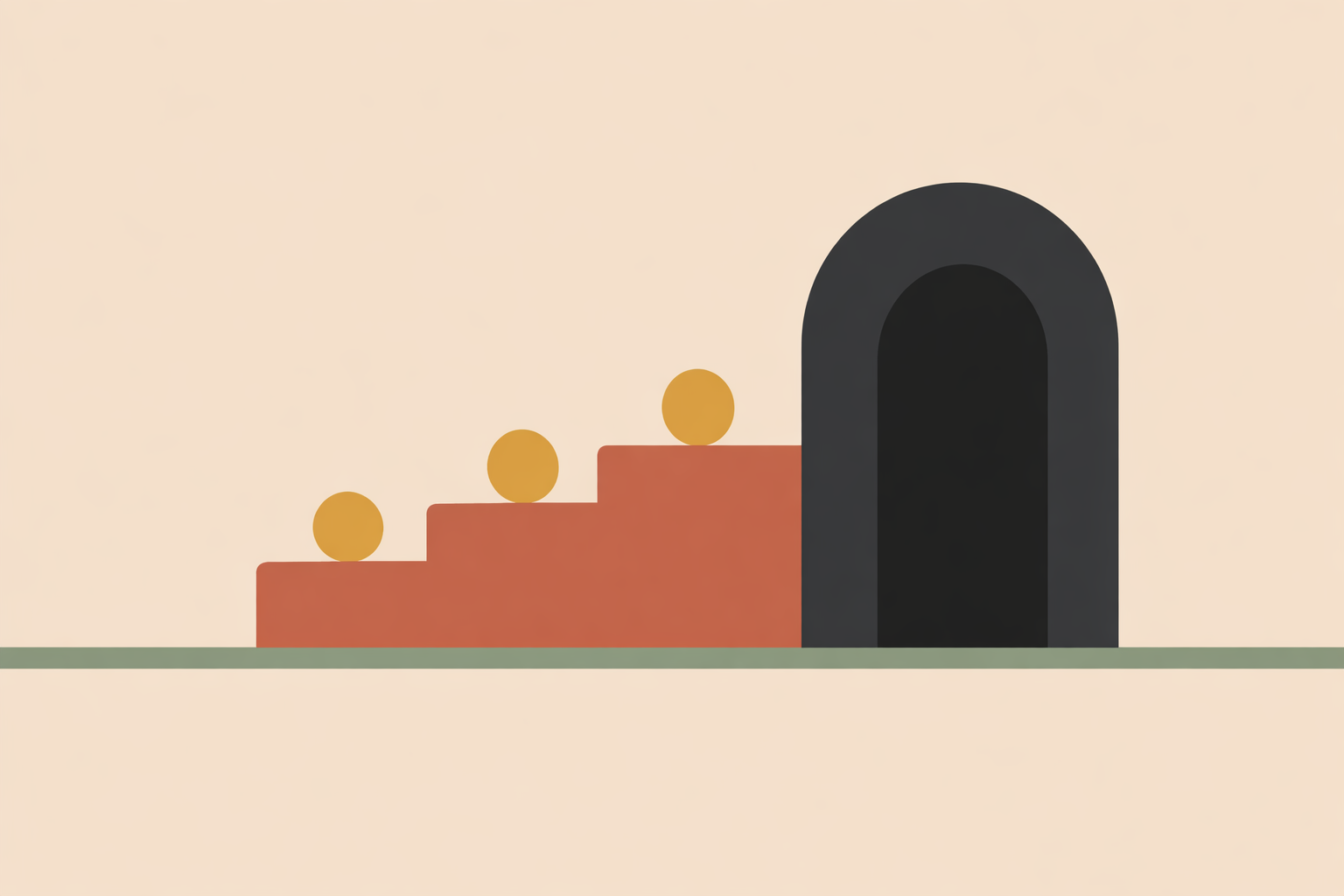
Level 1 establishes stance and core skills. Level 2 widens expression while protecting child-led fidelity and inclusion. Level 3 weaves experience, supervision, and cultural depth into steady presence. The best next step is the one that strengthens your foundation without rushing your pace.
Consider these next moves:
- If you’re new: Practice tracking, reflecting, simple limits, and pacing. Build a basic play space and offer short, consistent sessions. A play therapy certification centered on CCPT can provide structure and practical language you can use right away.
- If you’re practicing Level 1: Add one creative, non-directive modality (such as sand tray or nature play), and refine inclusive routines for sensory comfort and co-regulation. A simple fidelity card can help you stay reflective rather than directive.
- If you’re moving into Level 3: Map your hours, seek supervision that prioritizes presence and cultural meaning, and follow a phased approach to documentation and advanced skills.
Naturalistico’s programs are designed as certificate-level offerings that can also open into deeper, practice-based pathways. Evidence suggests self-regulation through play may buffer children’s stress and offer protection against the impact of toxic stress—and long-standing practice wisdom agrees: a steady, respectful relationship changes what a child believes is possible.
To close, a few essentials keep the work clean and supportive: stay kind, keep consent central, and work within your scope while collaborating and referring when needed. Let culture guide you with respect and permission, and avoid borrowing what isn’t yours to carry. Children will show you the next step—one session, one small moment of choice, at a time.
Explore Play Therapy Certification
Play Therapy Certification helps you build CCPT skills across levels with practical, child-led structure.
Explore Play Therapy →