Corporate meditation work often starts with real enthusiasm—and then quietly loses steam. A session lands beautifully during wellbeing week, a few people subscribe to a recording, and then calendars tighten and leaders ask what’s actually being used. Workplace advisors consistently warn about relying on one‑time events, and they encourage tracking participation so momentum doesn’t depend on hope alone.
At the same time, many HR and L&D teams look for offers that connect directly to attention, stress, and team climate—not isolated classes. Current guidance points to blending leadership work, meditation, micro‑practices, and coaching as part of a broader approach to mindfulness at work. And with distributed teams, a single time slot rarely serves everyone; digital options can provide more convenient access than programs that rely on in‑person delivery alone.
As a practitioner, the depth is often already there. What’s usually missing is a simple structure that helps organizations adopt the work predictably—and keep it alive beyond a launch moment.
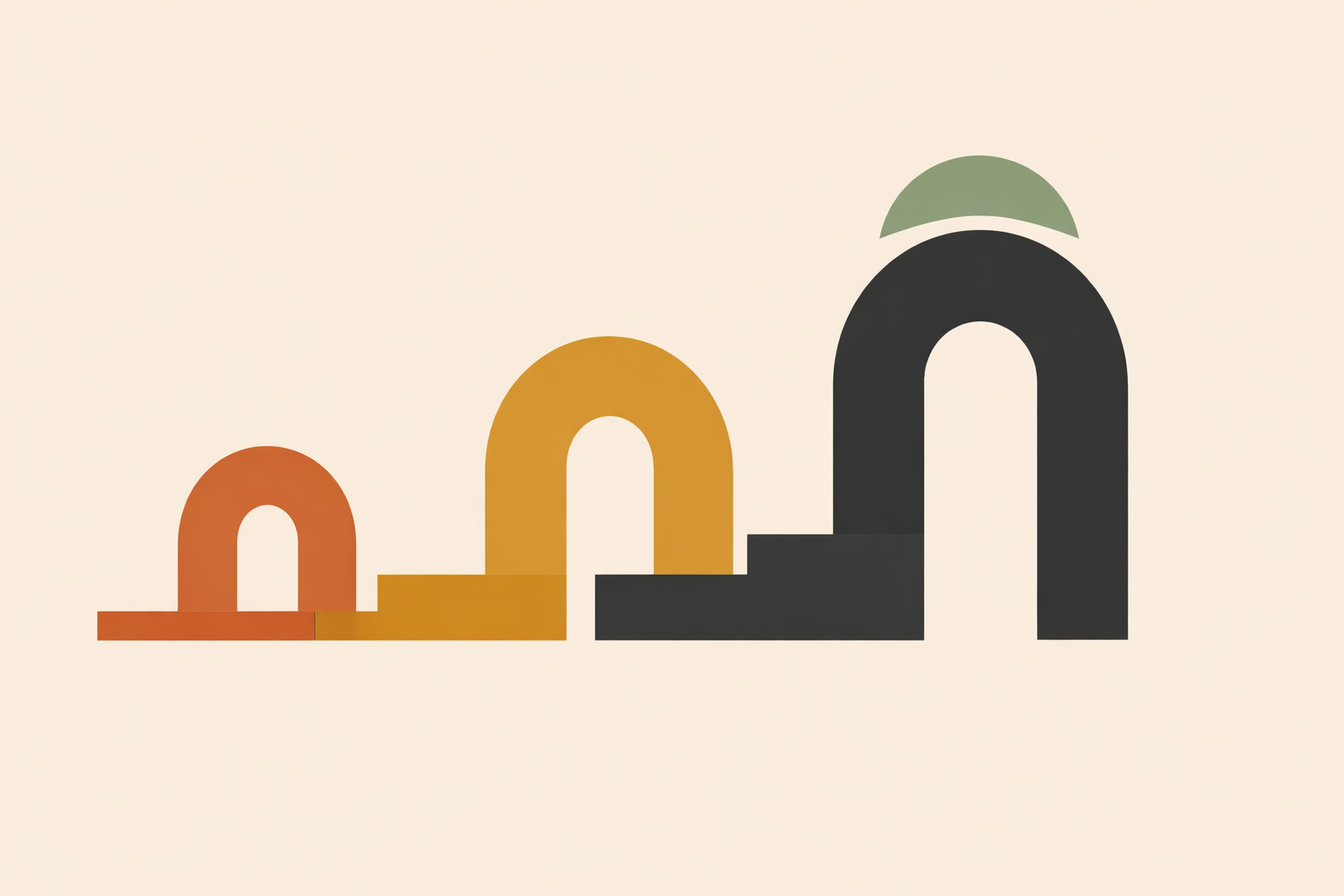
Lasting adoption comes from treating meditation as a strategy, not a perk. A practical way to do that is a three‑phase path—Pitch → Pilot → Scale—that mirrors how organizations decide: make the value clear in workplace language, test it as a low‑risk experiment, then expand what proved useful while protecting quality and cultural respect. When framed this way, meditation shifts from discretionary programming to operational support for focus, steadiness, and healthier collaboration.
This staged approach aligns with common rollout advice: some guides recommend starting with a pilot team, then using light measurement such as participation and short employee surveys. You are not “selling classes”; you are shaping a path organizations can walk with you.
Key Takeaway: Corporate meditation lasts when it’s implemented as a repeatable path—Pitch → Pilot → Scale—rather than a one‑off perk. Translate practice into workplace outcomes, test it with a low‑risk pilot and light measurement, then expand only what people actually use while protecting quality and cultural respect.
Phase 1 – Pitch: translate meditation wisdom into a clear business conversation
A strong pitch connects ancestral practice to present‑day workplace outcomes in language leaders can understand. The goal isn’t to make meditation sound corporate; it’s to show how timeless inner skills support modern working life.
When people teams, founders, or managers hear “meditation,” they may be open—but they’re usually thinking about immediate pressures: scattered attention, rising stress, reactive meetings, or a team that can’t truly switch off. Meet that reality directly, and your work becomes relevant fast.
That’s why the most effective conversations lead with outcomes like improved attention, calmer decision‑making, steadier self‑regulation, and stronger team climate. Put simply, you’re linking practice to what changes in a normal workday.
A useful shift is to speak to observable effects, not just intentions. Instead of “I help people be mindful,” try: “I guide short attention and grounding practices that support focus, steadier communication, and calmer responses under pressure.” Same essence—clearer picture for the decision‑maker.
It also helps to design your language so it travels across roles. In one organization the conversation sits with HR; in another, it may involve People Ops, L&D, wellbeing leads, DEI teams, founders, or line managers. Research on workplace mindfulness notes that organizations often involve multiple stakeholders and may blend leadership work, meditation, micro‑practices, and coaching. A clean pitch gives everyone a shared reference point.
Credibility comes from practicality, not grand promises. Research on structured digital programs suggests they can reduce stress and burnout when people engage consistently, and broader evidence links mindfulness practice to better focus and less worry under stress. These are grounded outcomes you can reference without stretching beyond what the offer can reasonably support.
Debra Kissen’s definition works especially well at work because it’s simple and skill‑based: mindfulness is “paying attention, on purpose, in the present moment, and without judgment.” When leaders hear “skill,” they can imagine how it supports meetings, transitions, and self‑management.
To keep your pitch focused, anchor it around three points:
- The challenge: what workplace pattern or pressure are you addressing?
- The practice: what meditation or contemplative exercise will you guide?
- The outcome: what shifts might participants notice in focus, regulation, or team atmosphere?
This structure builds trust: you know what you’re offering, why it matters here, and how it fits the rhythm of work. Next, make the pitch concrete enough that leaders can picture delivery immediately.
Design the Pitch: formats, language, and structure leaders can say yes to
The best pitch is not only compelling; it’s easy to visualize. Leaders say yes faster when the format, time commitment, and practical fit are clear.
This is where experienced practitioners can get unexpectedly stuck: deep facilitation skills are there, but the offer hasn’t been shaped for time zones, changing schedules, and varying comfort levels. Workplace research highlights that classic in‑person formats “cannot be easily scaled and disseminated,” while smartphone‑based programs can be more flexible. Think of it like water and a vessel: you don’t change the essence; you choose a container that fits the environment.
Many organizations respond best to a hybrid approach combining live sessions and app‑ or web‑based tools, recordings, lightweight reminders, and simple materials for managers. This matters because access drives engagement: when people can join live or practice asynchronously, the work becomes easier to keep up with.
A workable core offer often looks like:
- One live guided session each week
- An optional second session or short drop‑in reset
- Brief recorded practices for between‑session use
- A manager note or team prompt to normalize participation
- A simple participation and feedback check at the end
Duration matters too—and shorter is often stronger. Workplace discussions note that five minutes of breathing or reflection can reduce stress and support productivity. Broader guidance also links 10–20 minute practices (weekly or twice weekly over several weeks) with lower perceived stress and modest gains in focus and wellbeing. The point is consistency and usability, not intensity.
Micro‑practices help the work “land” inside real workflows. Best‑practice guidance recommends brief mindfulness breaks and mindful transitions between tasks. Even 30–120 seconds before a meeting can shift the tone—like wiping a fogged window so people can see clearly again.
Language choice also affects uptake. Some employees welcome “meditation” immediately; others prefer “focus,” “grounding,” “reset,” “attention training,” or “calm under pressure.” Participation guidance emphasizes keeping offerings optional, respectful, and adaptable to different beliefs, which tends to reduce resistance and widen access.
That doesn’t mean erasing the roots. It means naming them respectfully—practices informed by long‑standing contemplative traditions, offered in a workplace‑friendly form—without turning lineage into branding or assuming shared beliefs.
“Meditation can rejuvenate your mind, empowering you to think clearly and fully.”
This kind of phrasing works at work because it stays human while pointing to a practical benefit. Once leaders can picture the format, the next question is natural: can we test it with a real group before expanding?
Phase 2 – Pilot: turn a promising pitch into a low‑risk workplace experiment
A pilot turns interest into evidence. It gives the organization a clear, low‑risk way to try the offer with a defined group, over a defined period, and learn what’s genuinely useful.
Even a strong pitch is still a hypothesis. A pilot answers the questions leaders care about most: Will people join? Will they return? Does the format fit the culture? Do participants actually use the practices in the flow of work?
Workplace guidance recommends treating pilots as low‑risk experiments—often with one team, one department, or a volunteer cohort—before rolling out widely. A set timeframe helps too, because everyone understands this is a learning phase, not an endless commitment.
A pilot tends to run smoothly when you define:
- Audience: who is invited, and why this group makes sense
- Duration: how long the pilot will run
- Format: live, hybrid, recorded, or a mix
- Participation goal: what level of engagement counts as healthy uptake
- Success criteria: what feedback suggests real fit
Keep measurement light. Heavy evaluation adds friction and can reduce engagement. Practical guides suggest a straightforward approach: track participation and use short employee surveys before and after.
For example, you might ask at the start how often participants feel rushed, scattered, or able to reset between tasks. After several weeks, ask what changed: Did they use recordings? Did they pause before reacting in meetings? Did the practices feel realistic inside their day?
Research on digital mindfulness at work suggests that consistent engagement can reduce global stress and signs of burnout, with benefits that can last beyond the program window. A good pilot lets the organization experience that arc without overcommitting upfront.
Just as importantly, a pilot protects the integrity of the practice. Rather than promising organization‑wide transformation, you let people meet the work directly—often through small moments that are deeply convincing, like a two‑minute pause before a hard conversation, or a ten‑minute guided sit after a high‑pressure morning.
Once the pilot is in motion, the next step is to read what it’s actually telling you.
Use the Pilot to learn what fits: participation, feedback, and refinement
A pilot isn’t only there to “prove success.” It’s there to reveal fit. The real win is learning what to keep, what to adjust, and what to simplify so the next version works even better.
Patterns show up quickly. You may find attendance is strongest early morning, or that end‑of‑day resets land better than lunch sessions. One group might prefer breath awareness; another might connect more with body‑based grounding or quiet reflection.
This is valuable because real behavior beats theory. Engagement guidance notes that when organizations make space and time available, employees are more likely to engage with it—so what you learn about scheduling, workload, and access often matters as much as what you teach.
Review the pilot through three lenses:
- Participation: who joined, who returned, and when engagement peaked
- Experience: what felt useful, awkward, calming, or hard to sustain
- Context: what in the organization supported (or limited) uptake
Sometimes the practice lands but timing is wrong. Sometimes people enjoy sessions but need recordings because meetings or shift patterns make attendance inconsistent. Sometimes the language needs to be simpler and more inclusive. None of that is failure; it’s the pilot doing its job.
Organizations value offers that show relevance and real‑world adaptability. A practitioner who can say, “Here’s what we learned, here’s what people used, and here’s how we’ll refine,” builds confidence quickly.
This is also where you gather your most persuasive “evidence”: participant language. When people describe feeling steadier before presentations, less likely to carry tension between meetings, or more able to focus after breaks, you’re capturing how the practice translates into daily working life.
Once that bridge is built—between aspiration and implementation—scaling becomes the natural next step.
Phase 3 – Scale: expand what works without losing the depth of the practice
Scaling a workplace meditation program means repeating what proved useful while protecting quality, consistency, and cultural respect. The pilot should be your compass; growth should follow fit, not pressure.
By now, you know what people actually use: the formats that get traction, the language that feels accessible, the schedules that support attendance, and the level of guidance that keeps depth without becoming too abstract.
The main risk at this stage is expanding too quickly and thinning the experience. Meditation works at work because it creates a felt sense of pause and steadiness; if rollout becomes inconsistent, the value gets diluted. Research also reinforces the scaling challenge: classic in‑person programs “cannot be easily scaled,” which makes thoughtful structure even more important as reach increases.
A solid scale plan usually includes:
- A repeatable session structure so quality stays consistent across groups
- A clear communications rhythm so employees know what’s available and why
- Multiple access points (live sessions, recordings, micro‑practices)
- Simple feedback loops to keep improving experience and uptake
- Facilitator consistency so the work remains grounded and trustworthy
This is where Pitch → Pilot → Scale really pays off: you’re not guessing. You’re repeating what the organization has already experienced as useful.
Scaling also asks you to stay rooted in lineage. Accessibility doesn’t have to mean stripping away all context; it can mean offering the practices in a secular‑friendly way while still honoring where they come from. Mindful workplace case examples describe integrating practice into company culture and everyday work life, not as decoration but as a genuine orientation toward presence and attention.
Practically, that might look like company‑wide sessions plus team‑specific resets, a small library of short guided audios, and a few manager prompts that normalize brief pauses before demanding conversations. Workplace examples describe weaving in mindful moments, speaker sessions, app access, and micro‑practices embedded in the workday. The goal isn’t to place meditation everywhere; it’s to create enough touchpoints that participation feels realistic and self‑directed.
When that happens, meditation stops being an “event” and becomes part of the organization’s rhythm—available, trusted, and easy to return to.
Conclusion
Bringing meditation into modern organizations works best when it’s guided as a thoughtful journey rather than offered as a single experience. Pitch creates clarity, Pilot builds trust through lived experience, and Scale expands what has already shown real value.
This path matters because workplace meditation isn’t just about delivering sessions. It’s about translating deep practice into forms teams can respect and actually use—supporting attention, steadiness, and healthier ways of working together.
It also lets you honor the roots of the practice while meeting organizational realities. You can speak in grounded workplace language, design accessible formats, and remain faithful to the contemplative wisdom that makes this work meaningful.
To close with a few practical guardrails: keep participation clearly optional, keep language inclusive, and scale at a pace that protects quality and cultural respect. With those foundations in place, Pitch → Pilot → Scale becomes a reliable way to help meditation take root and last.
Explore Meditation Coach Certification
Build workplace-ready Pitch → Pilot → Scale programs with the Meditation Coach Certification.
Explore Meditation Coach →