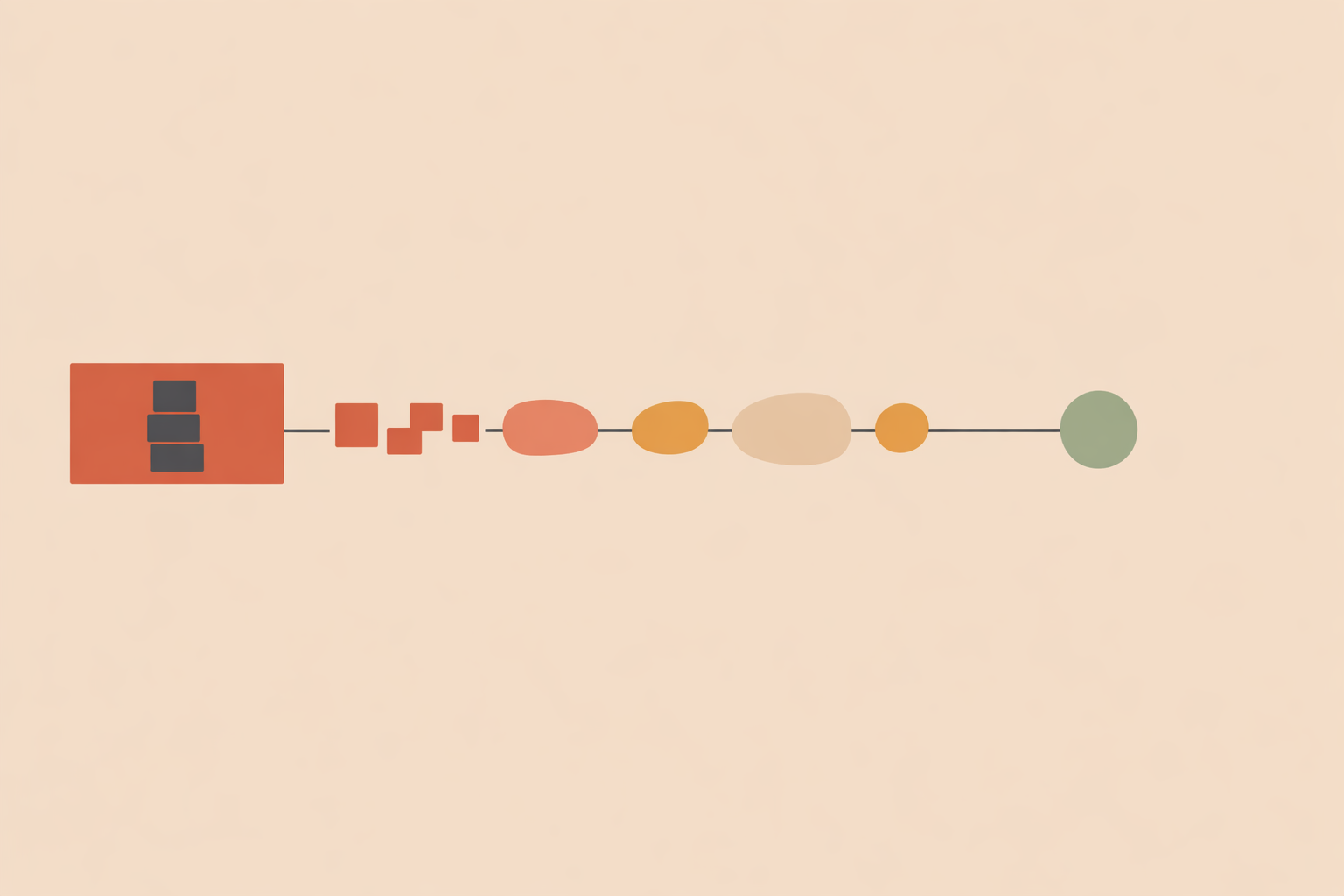
For an overbooked 1:1 coach, scaling doesn’t have to mean diluting the work. The cleanest path is a group built on clear structure, strong boundaries, and a community that keeps learning between sessions.
The mindset shift is simple: treat your group like a designed ecosystem, not a loose set of calls. That ecosystem rests on eight core elements: ideal member clarity, a compelling purpose, a clear coaching model, chosen delivery features, a suitable platform, measurable goals, marketing, and ongoing adaptation.
Cohort-style, time-limited containers add momentum fast. A fixed schedule creates urgency, and time-limited cohorts help people stay engaged long enough to complete real change. Just as importantly, clear entry and exit points reduce procrastination and keep the group’s attention on the shared arc.
By 2026, broad “life coaching” can feel interchangeable. Distinct, values-led niches are easier to remember—and easier to trust—especially when you show a clear journey from concept to demonstration to guided practice. A designed experience arc supports search visibility and helps more of the right people find their way in.
As Sir John Whitmore framed it, coaching is about unlocking potential. A well-held group lets that potential compound: the circle reinforces the work while you protect the structure.
Key Takeaway: Scalable groups fill when you design a time-bound cohort with a clear promise, repeatable session structure, and systems that support peer practice between calls. Combine niche clarity and visible boundaries with simple platforms, accountability pods, and consistent messaging so members can complete a shared change arc.
Shift From 1:1 Helper to Scalable Group Guide
Scaling impact isn’t about pushing harder—it’s about designing a circle that can carry learning and momentum together. Your role becomes guide, steward, and keeper of the agreements that make the space feel safe enough for honest change.
This starts with building for peer learning, not performing 1:1 coaching in public. In strong groups, mutual support becomes a central driver of progress. When members witness peers apply tools in real life, follow-through often rises because accountability is shared, not outsourced to you.
Choose a community-centered platform where growth continues between calls. Simple tools—posts, questions, and peer messaging—help members practice in real time, not just “think about it” once a week.
Why circles scale your impact beyond 1:1
A circle scales because you teach once and the group practices many times—together. Instead of repeating the same lesson all week, you hold one clear container where members model, mirror, and encourage.
In many settings, group formats don’t only match individual work—they can outperform it on important outcomes, precisely because shared language and social accountability are built in.
That’s why distinct niches land so well in 2026: people want to gather around specific aims—energy, resilience, focus, meaning—and build competence in community.
As Vikram Kapoor puts it, coaching is a catalyst for transformation. In a circle, that catalyst multiplies through witnessing and practice.
Remembering the ancestral power of groups
Group work isn’t a modern invention—it’s a return. Across cultures, circles have carried stories, skill-building, and accountability for generations, whether in communal homes, apprenticeships, or seasonal gatherings. When done ethically, contemporary coaching can blend clear frameworks with ancestral practices—with respect, context, and no appropriation.
“Life coaching is about empowerment, personal growth, and positive change.” – Nancy Salamone
In groups, that empowerment gains a community heartbeat—people don’t just learn; they’re witnessed learning.
Clarify Your People and Promise So Your Group Deserves to Fill
Groups fill when the right people instantly recognize themselves, and the promise feels concrete. Clarity earns commitment; vagueness invites “maybe later.”
Begin with your ideal member. If you’re unclear on stage of life, core challenges, and desired outcomes, every decision downstream gets shaky. That’s why ideal member clarity is the foundation of everything else.
Next, name a time-bound promise people can hold in their hands: “In 12 weeks, we’ll build an aligned morning rhythm,” or “Over four months, we’ll create a burnout-resistant weekly plan.” People join for a big purpose, not an open-ended conversation.
Specificity is also cultural protection. When you practice bounded positioning—naming what you do and what you don’t—you attract the right members and keep the group field clean.
From vague “life coaching” to a specific transformation
Translate your craft into one vivid outcome, using grounded language that fits your lineage and real practice. For example: “A four-month circle for mid-career creatives to rebuild energy, establish nourishing rhythms, and complete one focused body of work.” Then map the arc month by month so the journey feels inevitable, not random.
As Tony Robbins reminds us, the work is to clarify goals, recognize obstacles, and choose strategies. Keith Webb adds that coaching helps close the gap between potential and performance. Your promise is the bridge—and your structure helps people walk it.
Turn Your Wisdom Into a Time-Bound Experience Arc
With your people and promise clear, build a journey members can step into and complete together. A shared path creates trust—and trust creates momentum.
Design your cohort with a real beginning and end. Many practitioners find that a few months is long enough for new habits to settle and short enough to stay energized. Clear cohort models help people follow through because milestones and deadlines are shared.
Inside sessions, use a reliable structure. The GROW model (Goal, Reality, Options, Way Forward) gives each meeting a spine: members know what they’re doing and why, even when the topic shifts.
Design a journey from intention to integration
Think in phases rather than disconnected topics:
- Orientation: Agreements, culture, and personal intentions
- Foundation: Core skills and practices, taught through concise demonstrations
- Application: Guided exercises and live practice with structured peer feedback
- Integration: Real-world experiments, reflection, and celebration
Use short videos and checklists so members arrive “warmed up.” This course-style content keeps live time experiential: practice, feedback, and integration rather than long lectures.
Small accountability pods can do wonders for engagement and your capacity. Small learning pods help members support one another consistently, so the group doesn’t rely on you as the only source of momentum.
For your public presence, let prospective members experience your method in sequence—concepts, demonstrations, guided exercises, then invitations to live practice. This experience-arc design makes your work easier to understand and easier to choose.
And keep Marshall Goldsmith’s reminder close: without follow up, even brilliant insights fade. Weekly check-ins, reflection prompts, and a closing ritual turn learning into lived change.
Blend ancestral circles with modern frameworks
Traditional circle practices can open and close the space with meaning—gratitude to teachers, a moment of shared breath, clear intentions—while modern frameworks add repeatable structure. The two coexist well when you’re transparent about what you’re drawing from, why it fits, and how you’ll avoid appropriation.
As Emma-Louise Elsey notes, coaching asks us to take responsibility and become our true selves. A good cohort arc makes that responsibility doable, one step at a time.
Pick Platforms and Systems That Let Groups Scale Smoothly
Your group scales when the back-end is light and the front-end feels effortless. Build a digital home that holds the logistics so you can focus on facilitation and community.
Many coaches thrive with tools that combine scheduling, content, messaging, and reminders. A streamlined all-in-one setup often scales more smoothly than a patchwork of apps and workarounds.
In 2026, features like workspaces, journey builders, automated nudges, and progress dashboards are frequently described as must-have features because they help members stay engaged between sessions and help you spot what’s working.
Build a digital home for your groups
Prioritize:
- Client journey mapping: Define the weekly touchpoints and automate gentle journey reminders so members don’t drift.
- Community space: A feed or forum for check-ins, with a simple resource library and projects—practical community features that keep momentum alive.
- Role-based access: As you add co-facilitators or run multiple cohorts, role-based access prevents confusion and protects member privacy.
- Public presence: Many website builders now connect marketing, scheduling, and delivery so your offer has one clear front door.
Behind the scenes, make each week obvious: one place to click, one action to take. On the front end, keep the program page friendly, focused, and short.
When you connect with what you really want and why—and take action—magical things can happen. – Emma-Louise Elsey
Good systems make that “take action” moment feel natural, not effortful.
Make Ethics, Scope, and Boundaries Clearly Visible
The healthiest groups feel spacious and clearly held. When your scope and boundaries are visible, members relax—and participation becomes more honest.
Anchor your work with practical essentials like scope clarity, strong contracts, data care, appropriate insurance, and clean finances. These legal anchors support stable growth. In groups, clarity matters even more: a clean scope definition helps prevent mission drift and protects member autonomy.
Scope, agreements, and consent culture
Make boundaries visible in four places:
- Program page: Name the promise, limits, time demands, and how to get the most from the circle.
- Welcome email: Reiterate agreements and logistics, and invite access needs and preferences.
- First session: Co-create norms and model consent-led facilitation.
- Systems: Use reminders and reflection prompts that reinforce the culture.
Consent is a living practice. Keep it plain and human while honoring four elements: capacity, voluntariness, knowledge, and the right to withdraw.
Written expectations prevent confusion as you scale. Thoughtful written agreements and boundaries aren’t bureaucracy—they’re how respect is operationalized.
In online spaces, trust grows when limits and pathways are stated clearly. Strong consent practices and referral pathways help members feel held without becoming dependent.
If you use co-facilitation, name roles clearly. The same logic that supports dual facilitation in other contexts can help here too: one person tracks process, one tracks content. These choices often become quiet competitive advantages because they improve the felt quality of the space.
Tom Landry said a coach helps you hear what you don’t want to hear so you can become who you’ve always known you could be. Boundaries help that courage stay grounded.
Message, Price, and Launch Groups That Actually Fill in 2026
Once your structure and agreements are strong, enrollment becomes much simpler: a clear invitation repeated consistently. Aim for short, specific language that stays steady across your site, emails, and conversations.
In 2026, positioning works best when it’s explicit. Say what you do, how you do it, and what you do not do so aligned members can self-select with confidence.
On your site and in your content, show the sequence of your approach—concepts, demos, guided exercises, then live practice. This sequential design helps people understand your method quickly. Then repeat your core promise until it becomes memorable.
Turn your program into a clear, repeatable invitation
Use a simple scaffold:
- Name: Outcome + community (e.g., “Calm Mornings for Creative Leaders”).
- Promise: A time-bound result.
- Method: “Circle practices + GROW + weekly experiments.”
- Proof: Short case notes tied to meaningful milestones.
- Boundaries: What’s included, what’s not, time commitment, and referral pathways.
For pricing, choose fees that respect your time and keep your work sustainable. If you want a structured way in, explore aligned-fee frameworks, set a clear tuition, and use simple enrollment windows so you can plan capacity.
Many coaches find that outcome-led niches support stronger commitment than broad offers—not because they’re trendier, but because they’re clearer. Let integrity and sustainability guide your numbers.
And keep the posture that makes great practitioners great: a growth mindset. Launch, listen, refine—then launch again.
Bring It Together: Launch Your First Scalable Group
Reliable enrollment usually comes from aligned design plus iteration. You don’t need perfection; you need a clear arc, strong agreements, and the willingness to improve in public.
Run your first cohort as a pilot. Time-bound programs are easier to repeat in waves than open-ended formats, and the logic behind closed cohorts applies well here: a fixed container supports focus, engagement, and completion.
Track outcomes simply and celebrate wins. When people finish and feel the shift, they share it—naturally. Clear results documentation also makes word-of-mouth easier because others can describe what actually changed.
Keep feeding your craft through peer circles, mentorship, and ongoing study.
Here’s a clean first-step plan:
- Pick one specific community and one transformation.
- Draft a four-month arc with weekly touchpoints and pods.
- Choose a platform that supports community, reminders, and progress.
- Publish a bounded invitation page with your promise and limits.
- Open 10–16 seats, deliver generously, and document outcomes.
- Refine your message and systems, then open the next cohort.
Your wisdom can hold a bigger room. Design the circle, guard the culture, and let members amplify one another’s growth—that’s how you scale without losing what makes the work meaningful.
Train as a Coach
Build your cohort structure on solid fundamentals with Naturalistico’s Life Coaching Certification.
Explore Life Coaching Certification →