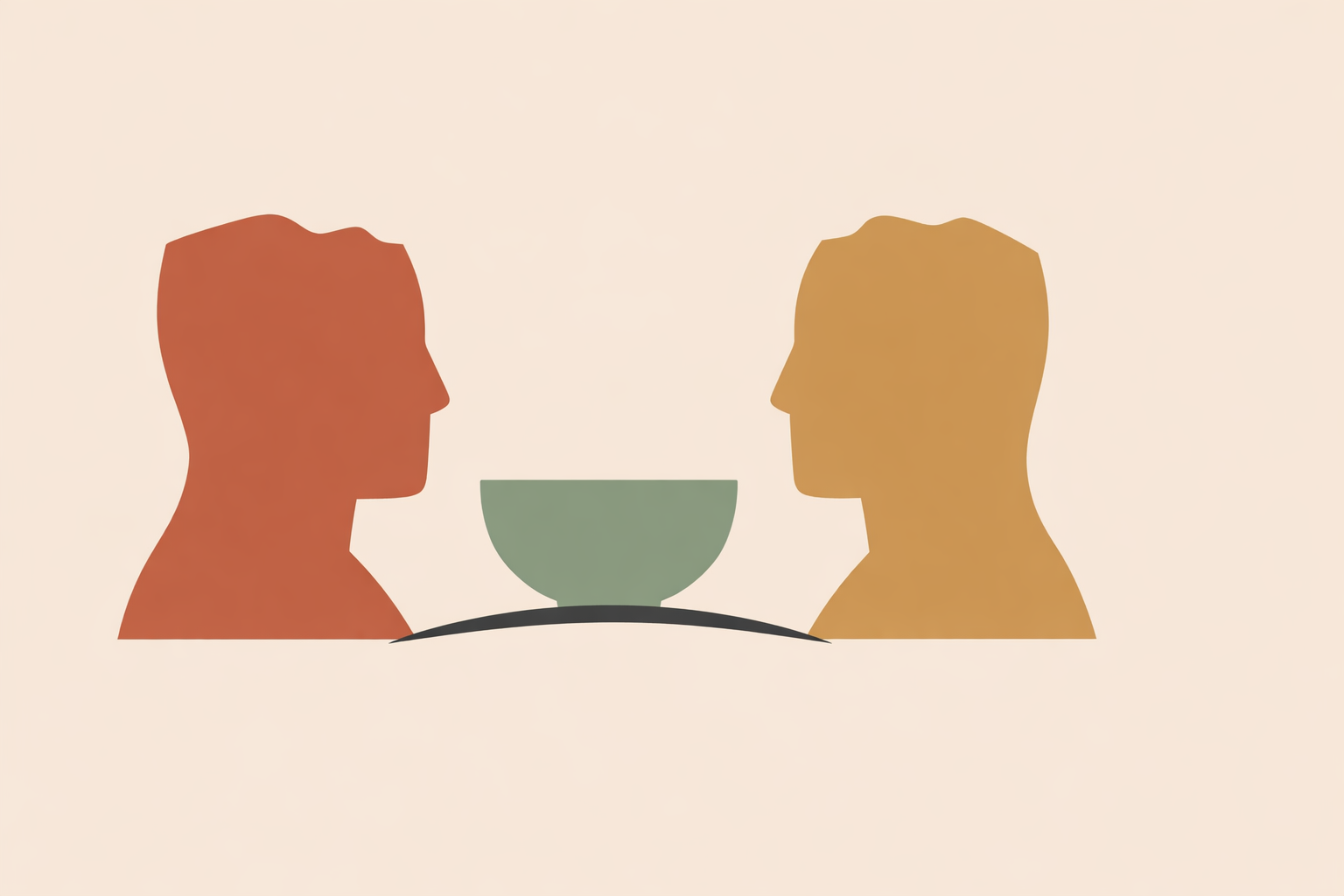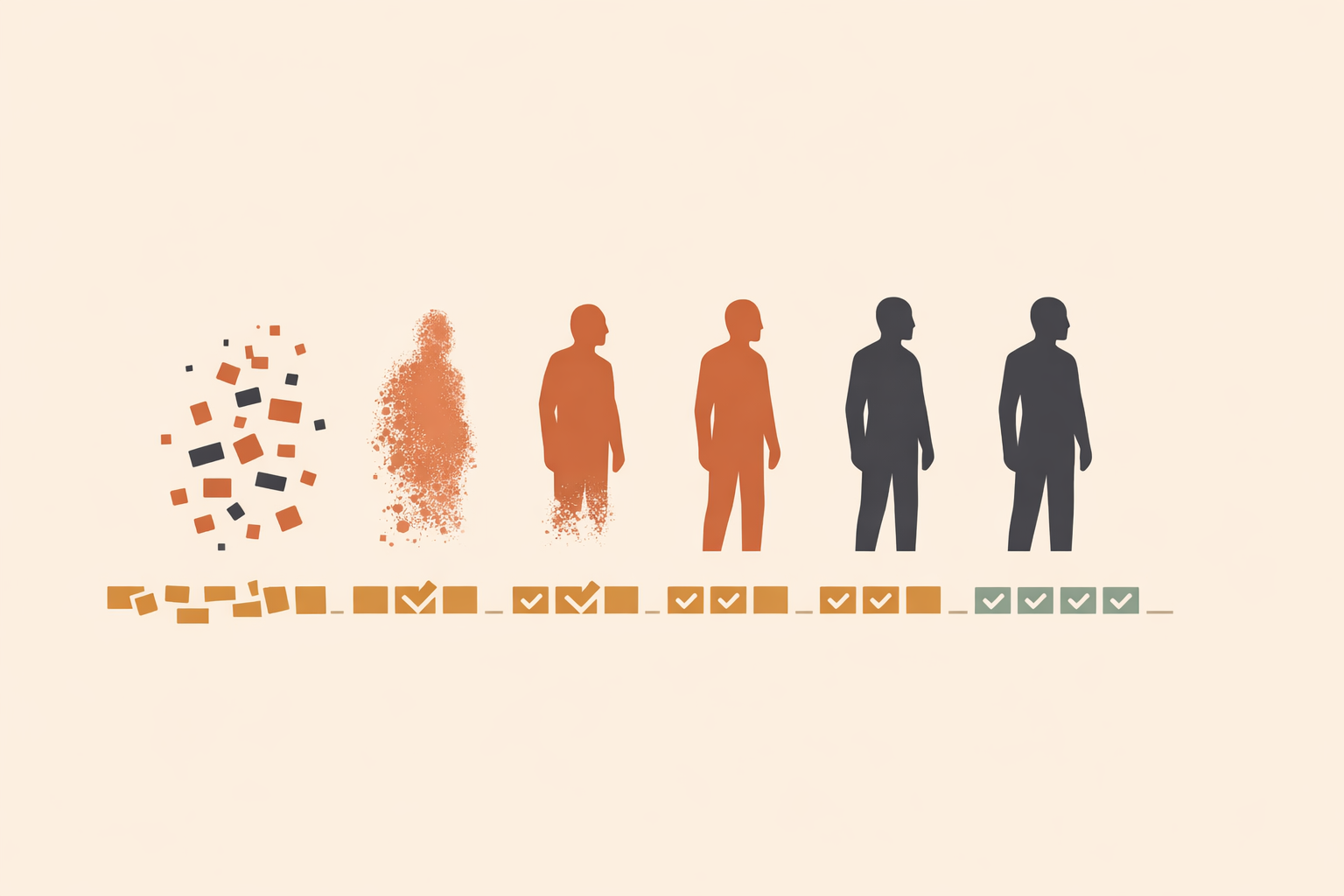
Most teams meet this challenge through everyday work, not a single incident. A reliable colleague starts missing routine steps, asks for the same update twice in one meeting, or freezes when a familiar process changes. QA checks flag avoidable errors. Calendar invites are missed. Peers quietly compensate. Supervisors hesitate to raise it in one-to-ones; colleagues worry about saying the wrong thing.
When you sense a consistent shift, “performance problem” can feel too blunt—and speculating about a “diagnosis” isn’t your role. What helps is a pattern-based, person-centered checklist for early cognitive change at work: a shared way to compare current behavior to someone’s usual baseline, focus on functional impact, and document only what’s observable. Used well, it opens space for timely adjustments and future planning while capacity is still strong, and it reduces the risk of unfair labeling or avoidable escalation. It also keeps the door open to common, reversible contributors—sleep disruption, grief, overload—because it prioritizes noticing over assumptions.
Key Takeaway: Use a pattern-based, baseline-focused checklist to describe repeatable, observable work changes and their functional impact—without assuming causes. When teams document specific examples and offer light-touch support first, they can respond earlier with dignity-preserving adjustments and clearer next steps.
From “something feels off” to clear patterns you can talk about
The ethical move is to observe patterns, not judge personality. A useful checklist helps teams describe what’s happening over time, compare it with the person’s usual baseline, and focus on impact at work rather than assumptions about cause.
Everyone forgets a name or misses a detail on an exhausted day. What matters is repetition: the same kind of difficulty returning over weeks or months, and gradually affecting reliability, tasks, or relationships. Early-sign guidance consistently emphasizes pattern and progression, not one-off mistakes.
Put simply, you’re aiming for calm precision. Instead of “He seems confused lately,” you can say: “Over the past six weeks, she missed three routine handoff steps, asked for the same project update several times, and needed extra support in meetings that used to be straightforward.” Specificity protects everyone.
The comparison point should be the person’s own baseline, not their age. Public guidance warns against age-based assumptions because what matters is what feels clearly out of character for that individual.
Useful questions include:
- What has changed compared with how this person usually works?
- How often is it happening?
- What is the impact on tasks, communication, or workflow?
- Is the pattern getting steadier or harder to explain by temporary pressure?
Functional impact often tells the clearest story. It’s one thing to briefly lose a word; it’s another to lose track of meeting purpose, miss familiar procedures, or need others to step in routinely. Early recognition guidance recommends focusing on observable effects at work—missed deadlines, confusion in standard processes, trouble following usual procedures—because they’re more informative than isolated slips.
This approach also supports compassion. Jamie Calandriello captures it beautifully: “The disease might hide the person underneath, but there’s still a person in there who needs your love and attention.”
If documentation is needed, keep it clean: what happened, when, and how it affected the work. Avoid story-making or identity-based language. Occupational guidance consistently recommends recording observable behavior, not explanations.
Examples:
- “Asked twice in one meeting for the same update that had just been discussed.”
- “Missed step three in the standard reporting process on two occasions this month.”
- “Seemed uncertain about a software task they had previously completed independently.”
And because not every dip points to progressive change, it’s wise to allow a short, light-touch support period first. Reviews link attention and memory problems with sleep loss, bereavement, chronic stress, menopause, burnout, and hearing loss, among other real-life strains.
Practical workplace guidance suggests a time‑limited period of noticing patterns while offering straightforward supports—clearer instructions, workload review, flexible pacing—before any escalation.
If the pattern persists, especially when the person has noticed it too or multiple colleagues report similar concerns, the picture often becomes clearer. Research on subjective cognitive decline suggests that longer-lasting concerns confirmed by others are more likely to reflect progressive change than short-lived periods tied to temporary pressure.
Once teams learn to observe this way, a checklist becomes genuinely practical. Most commonly, the earliest workplace patterns cluster around memory, focus, and planning.
The core checklist: memory, focus, and planning changes
The earliest workplace signs often show up in recent memory, sustained attention, and planning. What teams notice first is often a growing mismatch between the person’s usual competence and their current ability to hold, organize, and act on information.
Recent memory changes can be the most visible: forgetting details from last week’s training, asking the same question several times in a day, or losing track of decisions made earlier in the same meeting. Early-stage descriptions commonly include forgetting recently learned information, repeating questions, and misplacing important items without being able to retrace steps.
What separates this from ordinary forgetfulness is the pattern—and the increased reliance on others to hold the structure. Many warning-sign guides highlight missed appointments, forgotten conversations, and a growing need for reminders. When someone starts struggling with familiar tasks they used to manage with ease, it’s worth noting.
Another common feature is the split between older and newer memory. At work, someone may speak fluently about systems they built years ago, yet forget what changed this month or what was agreed yesterday. Early-stage resources note recent memories are often more affected while long-term memories and well‑learned skills can remain relatively steady.
Then there’s attention and processing speed. A task that once took ten minutes now takes forty; multi-step instructions don’t “stick” in sequence; interruptions create more disorientation than you’d expect. Early-sign guidance describes changes in attention and executive functions as especially relevant to work quality and pace.
Think of processing speed like the mind’s “loading time.” Research connects reduced processing speed with difficulty keeping up in conversations, switching tasks, and higher error rates under time pressure. When sorting information takes longer, meetings get harder to follow and busy periods become riskier for mistakes—often leading a capable person to quietly avoid complexity.
Planning and organizing changes deepen the pattern: skipped steps in standard workflows, difficulty prioritizing, new numerical mistakes, or trouble sequencing tasks that were once automatic. These reflect shifts in executive function—the capacities used to plan, monitor, and complete actions in order. Workplace guidance highlights planning and organizing difficulties as early functional changes worth noticing.
A practical checklist might include:
- Repeatedly asking for the same information after it has just been given
- Forgetting recent meetings, deadlines, or newly introduced procedures
- Misplacing essential items and being unable to retrace steps
- Taking much longer to complete familiar tasks
- Becoming unusually overwhelmed by multi-step instructions
- Missing steps in routine workflows
- Making new errors with numbers, scheduling, or sequencing
- Getting lost in familiar routes, systems, or digital processes
Seen over time, these patterns are more telling than isolated slips. Early-sign guidance highlights that recurring repetition, getting lost, and new numerical errors in someone with previously solid skills can be more consistent with progressive cognitive change than stress alone.
There’s also a steadying note here: cognitive resilience isn’t fixed, and supportive environments matter. National Academies reports suggest cognitive work and intellectually engaging activity can contribute to cognitive reserve. In the ACTIVE study, speed-of-processing training was associated with a lower later risk of dementia compared with controls.
This doesn’t mean turning a checklist into a brain-training program. It means holding two truths at once: early changes deserve careful noticing, and people often do better with support for pacing, cueing, and clarity. And once you start watching closely, you’ll often see that forgetfulness is only part of the picture—behavior, mood, and social presence can speak just as loudly.
Beyond forgetfulness: behavior, mood, and social shifts
Early cognitive change is not only about memory. In many people, the first noticeable shifts involve mood, social energy, judgment, or personality, and these can be especially visible at work because work reveals patterns of interaction.
Sometimes the earliest sign is simply that someone feels different to be around: a calm colleague becomes unusually irritable, a warm person grows flat or withdrawn, or a thoughtful teammate reacts sharply to small frustrations. Early-stage descriptions include marked changes in mood and behaviour as important to notice rather than dismiss as “attitude.”
This is where a holistic, traditional lens is especially useful. In many cultures, people notice shifts in presence, story, relationship, and role long before they have formal language for what’s happening. Modern workplace observation is not so different when it stays respectful and grounded in what’s actually changing.
Social withdrawal is one common sign: skipping lunches, stepping back from informal conversation, avoiding projects that demand coordination and quick thinking. Workplace-focused guidance includes social withdrawal, reduced initiative, and avoidance of complexity among early signs that can appear before anyone names a cognitive issue.
Emotional regulation can shift too—heightened anxiety about performance, low mood paired with concentration slips, or stronger-than-usual reactions to feedback. NHS guidance notes mood and behaviour changes may accompany changes in memory and thinking, which is why quick explanations often miss the full picture.
In other cases, behavior leads before memory does. This can be especially relevant in frontotemporal patterns, where coworkers may notice loss of tact, reduced empathy, impulsive comments, poor boundaries, or new rigidity long before classic forgetfulness is obvious. Reviews describe early disinhibition, loss of empathy, and rigid behaviors, sometimes in people who are still relatively young.
That distinction matters because it prevents teams from building their entire checklist around memory. Comparative research notes behaviour‑first patterns align more strongly with frontotemporal dementia, while fluctuating cognition and recurrent visual hallucinations are characteristic of Dementia with Lewy bodies. In everyday team life, the person who isn’t “forgetful” may still be showing meaningful early signs.
A practical checklist for behavior and social shifts might include:
- Noticeable withdrawal from colleagues, conversation, or group routines
- Reduced initiative in someone who was previously proactive
- Greater irritability, anxiety, or emotional reactivity than usual
- Sudden bluntness, poor tact, or comments that feel uncharacteristic
- Loss of empathy or unusual indifference to social impact
- Rigid, repetitive, or compulsive behaviors that are new
- Avoidance of tasks requiring judgment, coordination, or novelty
Again, the key is pattern, baseline, and context. A rough week doesn’t say much. A sustained shift in social presence or emotional tone—especially alongside practical changes in work—often deserves compassionate follow-up. As Tara Reed says, “With the right support you can change the journey,” and that support often begins with one person who is prepared to notice well.
Naturalistico’s person-centered approach reflects something many ancestral cultures already understood: you don’t respond only to a list of deficits. You respond to the whole person—their story, role, family context, cultural values, and the meaning of the changes unfolding. That’s what keeps a checklist from becoming cold, and turns it into an instrument of respect.
Conclusion: using a checklist as an instrument of respect
An early signs of dementia checklist is most useful when it helps teams notice sooner, speak more carefully, and support the person behind the changes. The goal is not to label a colleague. It is to recognize meaningful patterns early enough that dignity, choice, and participation stay at the center.
By 2026, teams are working across longer careers, more neurodiverse workplaces, and growing recognition that cognitive change can appear in midlife as well as later life. The teams that handle this well tend to be the ones that observe ethically, document clearly, and keep support person-centered.
In practice, that means: look for patterns over time, compare changes to the person’s baseline, and focus on functional impact—while widening the lens beyond memory to include mood, judgment, and social shifts. Here’s why that matters: sleep loss, grief, overload, hearing changes, hormonal transitions, and burnout can all affect cognition, so early noticing should open a thoughtful conversation, not close it.
From a traditional-practice perspective, this is familiar human work. Communities have always relied on close, relational noticing to understand when someone’s rhythm, role, or presence is changing. Modern checklists simply give that ancient skill a clear structure inside contemporary teams.
Used well, a checklist helps people stay human with one another when uncertainty enters the room. And often, that’s where meaningful support begins.
Explore the Dementia Certification Course
Build confidence in person-centred noticing and follow-up with Naturalistico’s Dementia Certification Course.
Explore the course →