Clients are hearing about “epigenetic age,” seeing DNA reports online, and arriving with sharp questions: Do I need testing before we start? Can food change my genes? What if my genes look bad? How fast does any of this change? Should I take methylfolate?
What they usually need is not more jargon. They need calm, usable language that turns complexity into grounded next steps. In practice, that means explaining epigenetics without drama, keeping attention on daily foundations, and using genomics as helpful context rather than a personal label.
Key Takeaway: Epigenetics is best framed as a responsive layer that changes with context, not a fixed verdict from DNA. In coaching, prioritizing sustainable foundations—food quality, sleep, movement, stress support, and gut health—creates the conditions for healthier gene expression, with testing used only as optional, supportive context.
FAQ 1 – What is epigenetics in nutrition coaching?
Epigenetics is the layer of control that helps determine how strongly a gene is used. It includes heritable changes in gene expression that don’t rewrite the DNA code, but do influence how active a gene becomes.
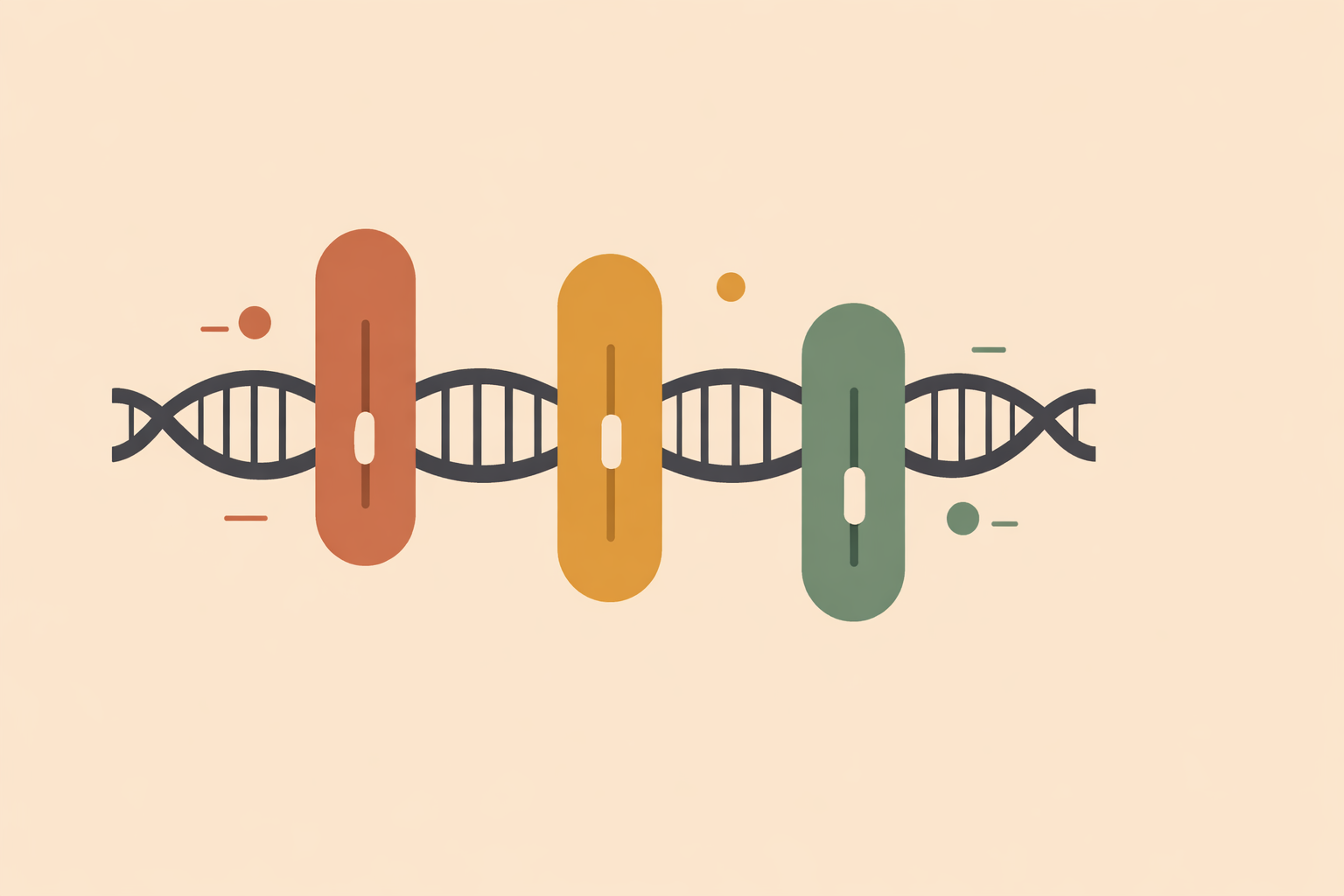
For most clients, a simple metaphor lands best: genes are the blueprint, while epigenetics acts more like light switches and dimmers. Daily life helps turn those dimmers up or down.
Here are a few easy ways to say it in session:
- “You inherit a blueprint, but your daily choices help decide which pages are bookmarked.”
- “Epigenetics is the set of dimmers on your genes. Food, sleep, movement, stress, and connection all reach those dimmers.”
- “Your body is always responding to context, so genes are not a fixed script.”
- “Our work blends tradition and science, using both lived experience and modern insight to guide practical choices.”
As one Naturalistico coach-educator puts it: “The most useful work happens when genetic tendencies are considered alongside lived experience, culture, environment, resources, and week-to-week feedback.”
That’s exactly why coaching works well here. The aim isn’t to “hack” genes—it’s to create steady conditions that support better expression over time.
FAQ 2 – Can food really change how genes behave?
Yes. Food doesn’t alter your DNA sequence, but it can influence how genes are expressed. Nutrients and bioactive food components help shape epigenetic regulation, which is one reason eating patterns matter so much.
One key pathway is DNA methylation. The body relies on folate and B vitamins (along with choline, betaine, and methionine) to supply methyl groups that help regulate gene activity.
The gut is another major player. Your microbiome produces compounds that act like messengers between food and gene regulation, and short-chain fatty acids such as butyrate and propionate can influence pathways tied to immune and inflammatory balance.
Polyphenol-rich foods matter here, too. Berries, green tea, cocoa, herbs, and spices have a long history in traditional food cultures, and polyphenol-rich foods appear to interact meaningfully with epigenetic pathways in humans.
From a traditional-medicine lens, this is familiar territory: whole-food patterns, consistent rhythms, and bitters/aromatics from plants have long been used to support vitality. Modern research is simply offering new language for what many food cultures already practiced—variety, simplicity, and regularity.
Try this script: “Your DNA is the instrument. Food, herbs, and your microbiome are the players. Together, they influence the song your body plays.”
FAQ 3 – If my genes look “bad,” am I doomed?
No. Genes suggest tendencies, not destiny.
This is one of the most important mindset shifts in genomics-informed coaching. A report can make someone feel “branded,” but expression is dynamic—and context matters.
For everyday goals like energy, digestion, and mood, foundations often carry more weight in day-to-day life than genetic predisposition. Research suggests behavior and environment account for a substantial share of variation in many common complex traits beyond genetic risk.
Family patterns matter, of course. So do early-life influences, stress load, food access, sleep rhythm, and social environment. What this means is: the work is layered, and there are many entry points for positive change.
Use this framing: “We’ll honor your family story and then build your story. Your report gives us context, not a sentence.”
As one Naturalistico coach-educator says, “When DNA insights are integrated with culture, environment, resources, and real-time feedback, coaching stays practical and humane.”
FAQ 4 – How fast do food and lifestyle changes show up in epigenetics?
Some shifts can appear in weeks. Deeper remodeling usually unfolds over months.
Clients often want a deadline, but what helps more is a rhythm: some signals respond quickly, while more stable patterns tend to reflect consistency over time.
Gene-expression signals can shift within days to weeks, while more stable DNA methylation patterns often change over longer stretches of steady practice.
There’s also evidence that coordinated lifestyle changes can move certain methylation-based aging markers relatively quickly. One study observed about 3 years of change on a methylation-age measure after 8 weeks of combined nutrition, movement, sleep, and stress-support practices.
A useful timeline script:
- Weeks 1–2: “Let’s look first for what you can feel—energy, digestion, cravings, sleep, steadiness.”
- Weeks 4–12: “This is often where early pattern shifts become more visible.”
- Months 3–6: “This is where deeper change tends to consolidate if the basics are consistent.”
As a Naturalistico coach-educator puts it, “The coaching skill is turning pathway insight into simple, reversible experiments: more protein at breakfast, earlier light exposure, gentler evenings, or more consistent movement.”
FAQ 5 – Do I need DNA or epigenetic testing before we start?
No. Testing is optional.
It can help with motivation, pattern-spotting, or curiosity, but most people can make substantial progress through foundational work alone.
That’s because the basics are remarkably universal: healthy diet and activity (along with consistent sleep) tend to support well-being for almost everyone, whether or not testing is involved.
When clients ask about epigenetic age tests specifically, it helps to set expectations. 3–5 year margins are common, and different algorithms can give different estimates for the same person.
Results can also reflect short-term stressors, so trends over months are usually more useful than week-to-week swings. Put simply: many consumer tests are better for broad tracking than for daily decisions.
Script it this way: “We can start with foundations now. If you want testing later, we can use it as one layer of context, not as the boss of the process”—a practical stance that also helps keep coaching scope clear.
FAQ 6 – What kind of eating pattern is best for my genes?
There’s no single perfect diet. A strong starting point is usually a minimally processed, plant-forward pattern that respects culture, appetite, access, and real life.
Mediterranean-style eating is one well-studied example, and Mediterranean adherence has been linked to distinct DNA methylation signatures in metabolic and vascular pathways.
By contrast, Western-style patterns higher in ultra-processed foods and added sugars have been associated with methylation changes in insulin and inflammatory pathways.
In practice, this isn’t a call to copy one region’s cuisine. It’s a reminder that traditional whole-food patterns often carry deep intelligence. East Asian, Nordic, Mediterranean, and Indigenous foodways can all offer useful “blueprints” when approached with respect, proper context, and cultural fit.
A practical coaching script might sound like this:
- “We’ll begin with a whole-pattern plate: colorful plants, enough protein, useful fats, and plenty of flavor from herbs and spices.”
- “Then we’ll adapt it to your body, your culture, and your actual life,” much like personalized nutrition coaching adapts broad patterns into real plans.
As our coach-educator says, “Build the highest-leverage habits first, then let DNA refine the sequence.”
FAQ 7 – Can nutrition and lifestyle really slow epigenetic aging?
In some cases, yes. Some biological-age markers do appear to shift in response to lifestyle patterns.
Here’s why that matters: the real goal isn’t to chase a number—it’s to build repeatable habits that support long-term vitality.
Age acceleration is associated with less favorable aging trajectories, which helps explain the interest in these measures. And lifestyle programs that combine food, movement, sleep, and stress support have shown the ability to shift some epigenetic-aging signatures over short periods.
The practical lesson is steady and traditional in the best way: consistent patterns beat shortcuts. Whole foods, movement, daylight, restorative sleep, and connection stay at the center.
Client-ready language: “Longevity is not a product. It is a pattern. We support the pattern, and over time the numbers may follow.”
FAQ 8 – Are methylfolate, B12, choline, and other methylation supplements right for me?
Sometimes, but they’re rarely the first move.
The body uses methylation-related nutrients in one-carbon metabolism (a key system for building and recycling important compounds). The balance matters: too little or too much of folate-related nutrients can create problems, so “more” isn’t automatically better.
In real coaching, food quality, meal rhythm, digestion, and overall resilience usually come first. Supplements can then be a more precise layer—especially if someone seems depleted, sensitive, or inconsistent with intake.
Going slowly is often wise. Digestive upset can happen when folate support is pushed too quickly. Some people also report anxious or “wired” feelings early on, which often improves when the dose is lowered or the form is adjusted.
A good script here is: “Let’s earn our supplements. We’ll stabilize meals, sleep, and digestion first, then test low-dose support in a calm, reversible way.”
FAQ 9 – How do the gut, cravings, and mood connect to genes?
The microbiome is one of the main translators between food and gene regulation.
Gut microbes and their metabolites influence DNA methylation, histone modifications, and microRNAs—locally and throughout the body. Essentially, microbiota metabolites help link diet to gene expression.
That’s one reason fiber matters. In coaching, a daily range around 25–35 grams is often a useful target because it supports short-chain fatty acid production and a healthier gut ecology. Resistant starch can be especially helpful, and resistant starch has been shown to increase butyrate production.
Fermented foods can also be valuable. One trial found 10 weeks of increasing a variety of fermented foods improved microbiota diversity and reduced inflammatory markers in adults.
This is one of those places where traditional food wisdom and modern evidence meet beautifully. Yogurt, kefir, kimchi, sauerkraut, cultured vegetables, miso, and other fermented staples have long supported people’s day-to-day resilience—well before the microbiome had a name.
Client script: “Your gut is a garden. We’ll build diversity with fiber, bring in fermented foods if they suit you, and let your cravings, digestion, and mood show us what is working.”
FAQ 10 – What makes functional genomics nutrition coaching different?
It’s not about turning someone into a lab project. It’s about using genomics as one helpful layer in a larger, humane process.
This style of coaching stays pattern-first and person-first. It considers tendencies without reducing anyone to those tendencies, and it prioritizes food quality, rhythm, recovery, gut ecology, and cultural fit before niche details.
It also welcomes variability. Two people can eat similarly and respond differently. Think of it like tailoring: the fabric may be the same, but the fit is personal—so the process depends on observation, adaptation, and honest feedback, much like DNA sessions that stay structured without becoming rigid.
Ethically, the stance is simple: test ideas, not identities. Support agency. Avoid deterministic labels. Use precision lightly, and use genetics safely.
As our coach-educator says, “The most helpful language in this work keeps the door open. Instead of ‘you are this type,’ try: ‘you may lean this way; let’s test it.’”
Bringing these scripts into real sessions
The best scripts reduce fear and increase clarity. Keep language simple, keep the focus on what’s actionable, and keep returning to the foundations that shape day-to-day experience most reliably.
In practice, that usually means:
- explaining epigenetics as influence, not destiny
- centering food patterns over isolated nutrients
- supporting sleep, movement, and rhythm alongside nutrition
- working with the microbiome through fiber variety and traditional fermented foods
- using testing only when it adds real value
- introducing supplements carefully and without hype
Above all, adapt your language to the person in front of you. Their culture, resources, appetite, routines, and family foodways matter. That’s where trust lives—and trust is often what makes consistency possible.
“The most useful work happens when genetic tendencies are considered alongside lived experience, culture, environment, resources, and week-to-week feedback.”
Master Functional Genomics Coaching
Apply these epigenetics scripts with confidence in the Functional Genomics & Nutrition Coach course.
Explore Functional Genomics →