Leaders, HR partners, and coaches see the same pattern each quarter: deliverables slip, handoffs get missed, and teams work late to reconcile scattered priorities. Hybrid schedules stretch people across time zones and tools, while meeting stacks and notifications erode deep work. Telling people to “focus harder” doesn’t survive a real Tuesday of context switching.
The practitioners who get traction treat focus as a capability to design, not a mood to hope for—and that’s exactly where executive function (EF) coaching shines. By strengthening planning, working memory, time sense, and regulation—and embedding those skills into calendars, inboxes, and meetings—it turns intention into observable routines. Coaching outcome summaries describe daily-life improvements such as improved self-regulation and goal-directed action.
Key Takeaway: Executive function coaching improves workplace focus by turning planning, attention, time sense, and regulation into small routines embedded in real workflows. When these supports live in calendars, inboxes, and meetings—and are practiced with accountability—focus becomes more reliable across hybrid schedules and diverse attention needs.
What Executive Function Coaching Looks Like in Real Workdays
Effective EF coaching turns big, fuzzy goals into small, visible actions that live in calendars, inboxes, and meetings—not just in good intentions.
The shift starts with clarity. A coach helps translate “be more focused” into 1–3 outcomes, then into steps that are concrete, time-bound, and sized for a real workday. Evidence summaries describe EF coaching focusing on skills like time management, organization, and sustaining attention—paired with practice between sessions.
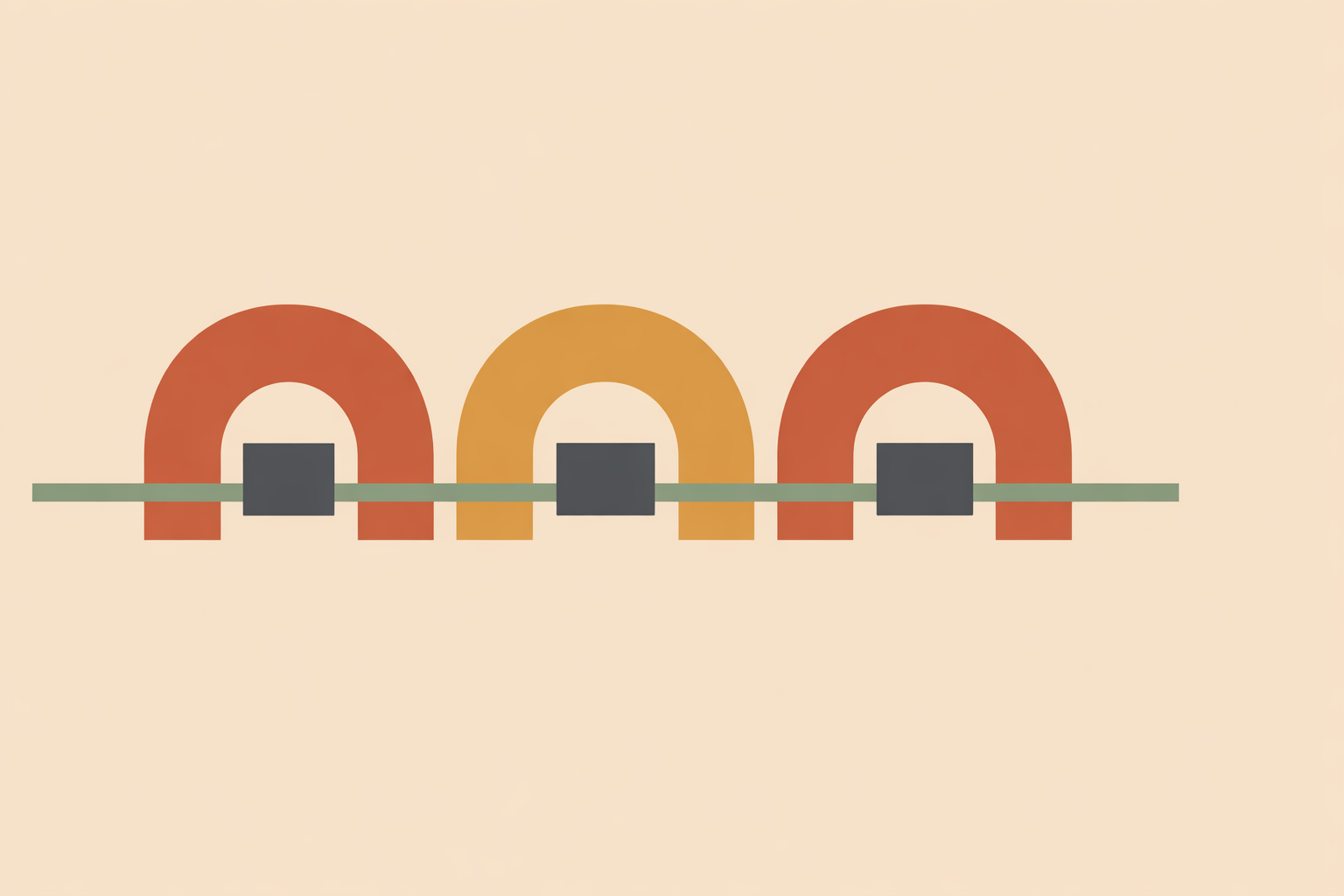
Think of it like building a simple rail system for the week: the train (your attention) runs best when the tracks are visible. You might co-create a weekly planning ritual (same day, same time), define a two-list system (Must-Do 3 and Nice-to-Do), and block time for the Must-Do 3 directly on the calendar. Descriptions of executive function interventions often reflect this same pattern—breaking work into manageable steps, building simple organizing systems, and using reminders so strategies carry into daily life.
Once the supports are “installed,” the workday feels different:
- Inbox: A 10-minute triage at 9:15 and 1:15 (timer on), labeling 3 threads “Today,” 3 “This Week,” and archiving the rest. The timer becomes an external working-memory cue.
- Meetings: Every meeting gets a one-line purpose and a 3-bullet agenda in advance. The last 5 minutes are for decisions, owners, and dates—typed live into the invite.
- Projects: Tasks shrink until they’re calendar-worthy: “Draft outline (30m),” not “Write report.”
- Energy: Recovery breaks are scheduled before deep work blocks, not after—water, a brief walk, a few breaths, then back in.
The real power is context, not hacks. Summaries of coaching and EF support stress that personalized interventions—applied to someone’s actual email patterns, meetings, and projects—are more likely to produce meaningful change than generic tips.
And because work is so distributed, format matters too. Structured online EF programs suggest remote, skills-based support can successfully anchor routines in daily life, supporting virtual delivery of coaching-style interventions.
From Quick Tips to Lasting Habits
One-off tips rarely change how someone lives a workweek; steady repetition, reflection, and redesign do. A well-structured journey makes new habits sturdy enough to withstand real pressures.
Executive function is trained by doing. Coaches who build accountability, predictable check-ins, and small between-session experiments help clients embed habits in the flow of life. Reviews highlight that multi-session programs with ongoing support tend to outperform brief, one-off inputs.
Many journeys run 8–12 weeks with a simple rhythm: weekly sessions early on to establish anchors, then biweekly sessions as clients test and refine. Between sessions, assignments stay tiny and specific (“Schedule 2 deep-work blocks and name them ‘Report D1’ and ‘Report D2’”). What this means is you’re not relying on motivation—you’re building a repeatable system.
Workplace-aligned structure matters here. Evaluations of large initiatives describe clear objectives, consistent session cadence, and flexible delivery as markers of effective coaching. Coach development research also points to structured frameworks and feedback loops that help skills stick over time.
These principles match what good teaching does for diverse learners: predictable routines, explicit instruction, and supportive scaffolding—well summarized in scaffolding resources.
To make progress visible, many practitioners use a simple “experiment board”: Commit (What we’ll try), Observe (What happened), Adjust (What we’ll change). Over time, it becomes both proof of change and a map for what to build next.
Neurodiversity-Affirming EF Coaching
Great EF coaching honors difference. It’s strength-based, culturally aware, and collaborative—never an attempt to force one attention style to behave like another.
It starts with respectful language and a strengths-first lens. Instead of “fixing distractions,” the better question is, “What helps your attention bloom?” From there, you look for what already works—time of day, sensory preferences, movement needs, relational rhythms. Guidance emphasizes a strength-based approach that centers interests and talents and offers multiple pathways.
Customization is not an add-on; it’s the method. Reviews highlight tailored approaches—adapted communication, permission for sensory accommodations, and respect for preferences—as especially valuable for autistic people. Practical guidance for educators working across language and learning differences also reinforces the value of clarity tools like visuals and shared goal setting, supporting co-creating goals.
The heart of the work is offering structure without erasing individuality. Resources recommend predictable routines, clear transitions, explicit planning supports, and choice within structure to reduce overwhelm and build autonomy. EF coaching often complements this with a strengths and values orientation, echoed in strengths-based coaching discussions.
Try this simple, inclusive checklist:
- Start with strengths: “When do you feel most focused? What conditions were present?”
- Co-create environmental supports: lighting, sound, movement, and notification settings.
- Chunk and visualize: one-page project maps, color-coded calendars, and brief video SOPs.
- Offer choice within structure: two meeting formats, three template options, flexible check-in modes.
- Honor language and culture: integrate familiar practices (e.g., prayer, song, tea rituals) when welcomed by the client.
The result isn’t one “right way” to focus. It’s a personal ecology of support that respects how someone’s best work actually happens.
Blending Brain-Wise Tools with Ancestral Practices
Executive function grows from the brain out through the body and back again. When we pair evidence-informed skill building with traditions of breath, movement, rhythm, and ritual, focus becomes a whole-person practice.
Body-based and rhythmic practices support executive function because attention lives in the nervous system. Skills-based programs that combine practical strategies with brain education can strengthen organization and planning. Teaching guides also recommend reset tools—movement and mindful pauses—to protect attention and reduce overload, highlighting the usefulness of movement breaks and mindful pauses.
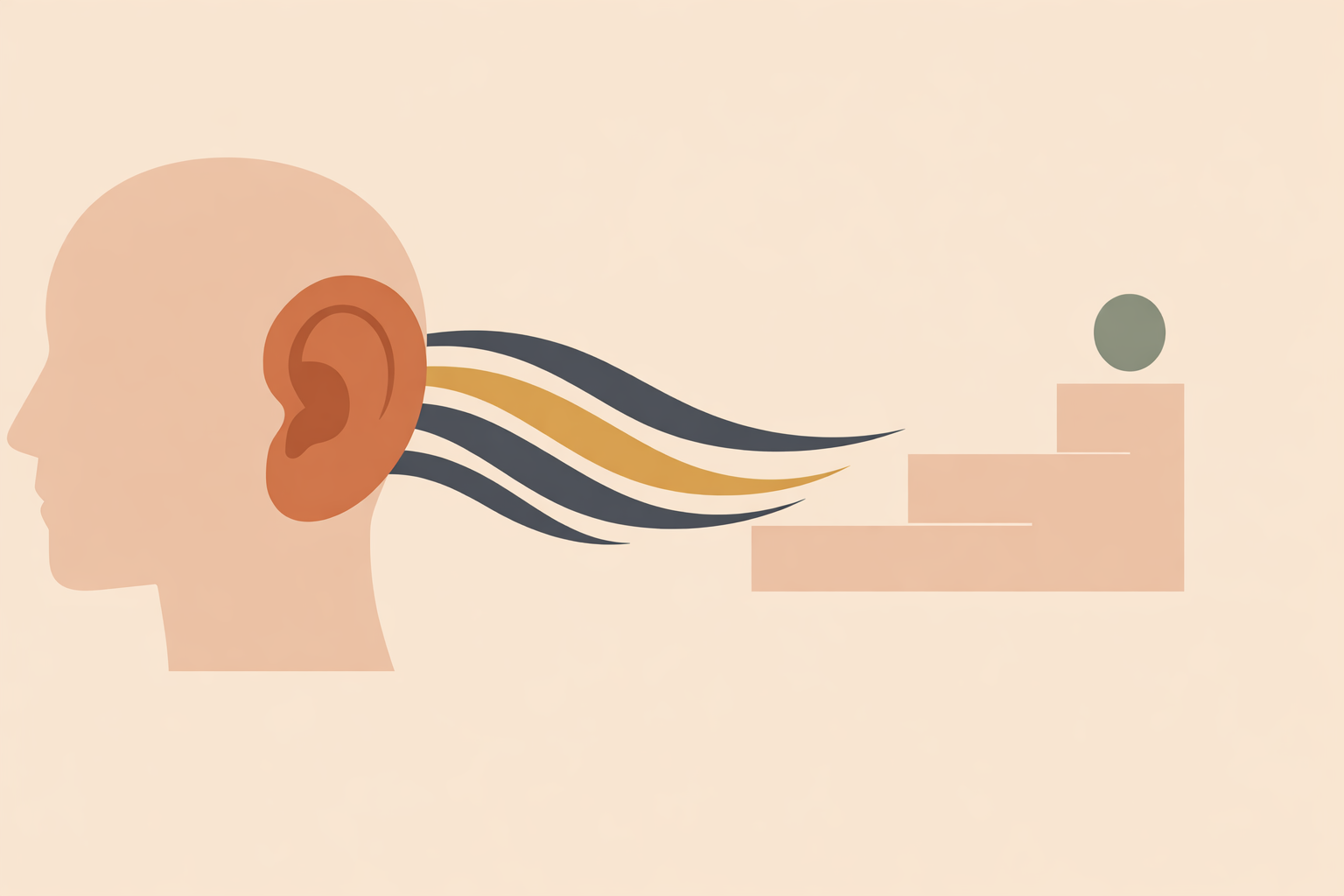
Traditional knowledge has held this truth for generations: rhythm steadies the mind. Gentle breath practices, humming to downshift arousal, rhythmic stepping or clapping to support working memory, nature sit-spots to clear attention, and tea rituals to mark transitions are time-tested ways to bring focus back home. Cross-cultural exploration describes rhythm, song, nature connection, and shared ritual as part of everyday restoration and resilience. Reviews also emphasize the value of predictable environments and sensory respect—strongly aligned with breath, sound, and movement practices that regulate attention.
Weaving traditional wisdom into modern coaching containers can be done ethically and simply:
- Lead with the client’s lineage: Ask, “Are there practices from your family or culture that settle you? Tea, breath, prayer, song, movement?” Seek permission and co-create from there.
- Use rituals to bookend work: A 30-second opening (two breaths, intention, one-line plan) and a 30-second closing (name the win, one next step, tidy space).
- Make rhythm visible: Pair 25-minute work blocks with a brief rhythmic cue (hum, chime, step) to mark cycles. Rhythm helps working memory re-engage.
- Credit and consent: Name the tradition when known, avoid appropriating specific sacred forms, and focus on universally shared patterns (breath, rhythm, nature) unless the client brings a specific practice.
These practices pair naturally with EF staples—routines, external reminders, and structured planning—so the day feels coherent rather than patched together. Evidence summaries highlight supports like prompts, planners, and habit routines that encourage sustainable habits.
Building a Credible, Sustainable EF Coaching Practice
Credible EF coaching in 2026 is clear, ethical, and integrated with how workplaces actually run. It supports real outcomes without overreach—and it sustains the practitioner, too.
Trust starts with a defined framework. Large-scale studies highlight clear objectives tied to outcomes, structured session rhythms, and well-prepared coaches as hallmarks of credible offerings. Research also notes the role of coach training and reflection in better coaching quality.
Practically, that looks like:
- Scope clarity: A one-page “What coaching covers” and “What it doesn’t,” plus a simple pathway to other support when needs fall outside coaching.
- Observable outcomes: A shared scorecard (e.g., “2 deep-work blocks/week,” “agenda sent 24 hours before meetings,” “inbox triage twice daily”).
- Hybrid delivery: Live sessions plus short, on-demand modules, templates, and gentle nudges—an approach aligned with digital coaching-style programs.
- Inclusive design: Intake questions about sensory preferences, language, and culture; choice of check-in modes; visual and text options for materials.
Growing an ADHD-focused EF coaching practice with integrity also means continuing to develop your skillset. Guidance emphasizes combining executive function knowledge with practical application, reflected in evidence-based guidance on EF interventions. Ethical standards around inclusion and respect for cultural roots belong here too, and resources on cultural competence support that ongoing development.
Operationally, a few moves go a long way:
- Offer “journey” packages: 8–12 week arcs with optional maintenance, not single sessions as the default.
- Create toolkits: A lightweight library of templates (weekly plan, one-page project map, meeting bookend ritual) and short demo videos.
- Build community: Small group labs for accountability and peer wisdom, with clear norms of respect and privacy.
- Measure lightly: Track a few behavior markers and a monthly self-rating for focus and follow-through. Use data for reflection, not judgment.
Finally, protect your own steadiness. The same supports you teach—ritual, rhythm, and scope clarity—belong in your practice so you can serve consistently over the long haul.
Conclusion
The 2026 workplace asks a lot from our attention. Executive function coaching meets that ask not by demanding more willpower, but by building the hidden architecture of focus—clear plans, supportive environments, meaningful rhythms, and habits that stick.
When coaching journeys are inclusive, strengths-led, and culturally respectful—and when ancestral practices are welcomed alongside brain-wise tools—people often find they can get more done with less friction. The path is simple, not simplistic: small actions, repeated with care, inside containers that respect who we are.
To keep your work credible and sustainable, stay grounded in a clear scope, collaborate on goals, and align your coaching with real workplace rhythms. Credit the traditions that steady us, keep consent at the center, and keep learning as the working world evolves.
This is the quiet power of executive function coaching: it brings attention home, so meaningful work can happen—consistently, humanely, and with respect for every brain in the room.
Master EF Coaching Skills
Deepen your EF coaching approach with the ADHD Coach certification to build supportive, repeatable routines for real workdays.
Explore ADHD Coach certification →