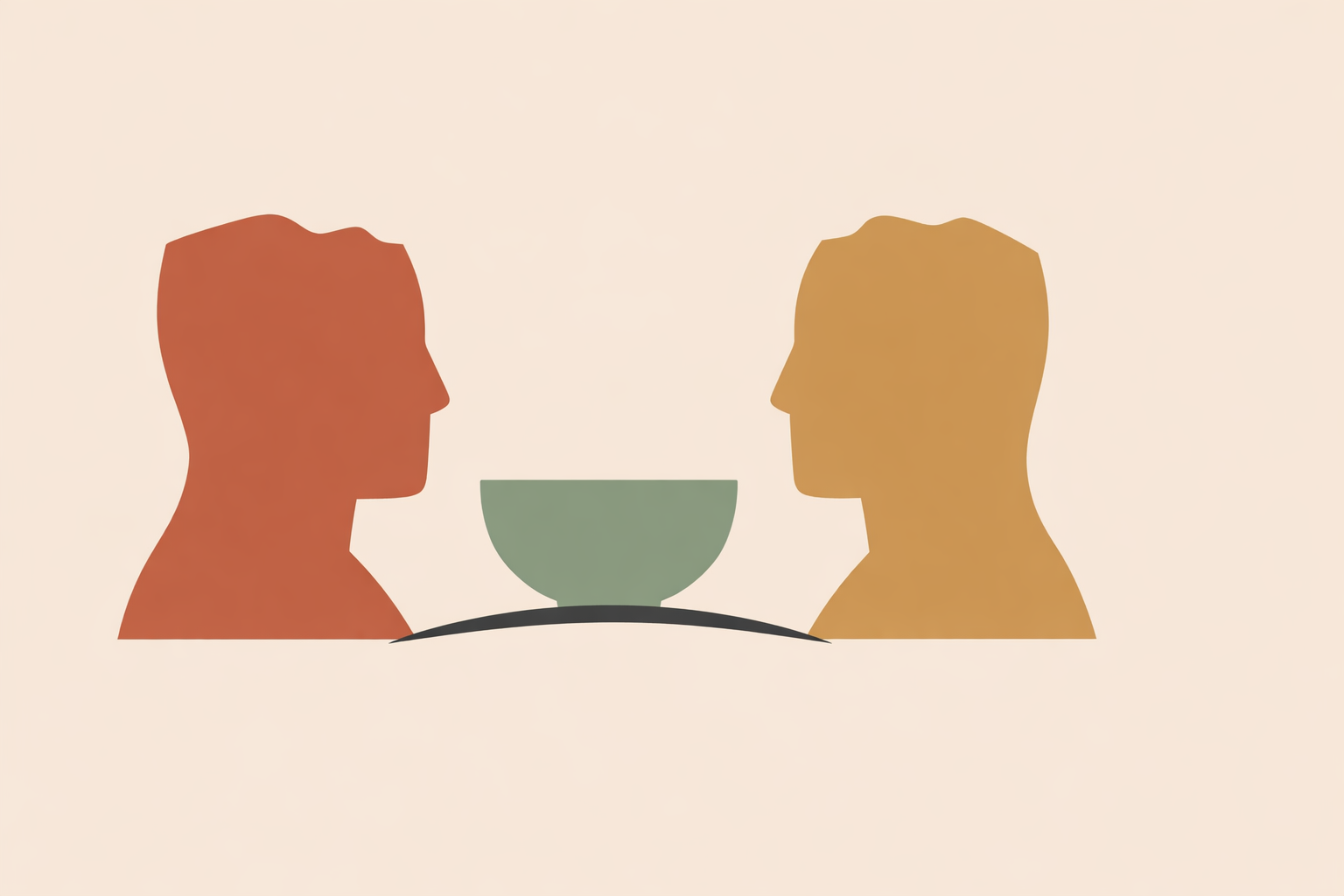
Early-session language does more than build rapport; it sets scope, consent, and pacing. Many practitioners know the moment: a new client says they’re “too sensitive,” wonders if they’re “an empath,” or quietly checks whether you’ll dismiss what has always felt true. In those first ten minutes, your words can soften shame and create durable boundaries—or blur roles and leave both of you depleted. When “HSP” and “empath” get conflated, it’s easy to over-index on reassurance and under-deliver on structure.
A grounded intake can do something powerful right away: reframe sensitivity as capacity, distinguish HSP-style discernment from empathic absorption, and turn naming into practical action. The goal is simple—less shame, clearer containers, and faster traction.
The flow is straightforward: listen before labeling, mirror strengths without mystifying them, then close with one or two micro-practices the client can start today. That arc makes sensitivity feel workable from the very first session.
Key Takeaway: Use precise, grounded language in the first session to separate HSP-style depth and overstimulation from empathic absorption, then anchor the distinction in consent, boundaries, and pacing. When clients can self-locate on the spectrum and leave with one small practice, sensitivity becomes workable instead of shameful.
Step 1: Ask before you label – intake questions for HSPs and empaths
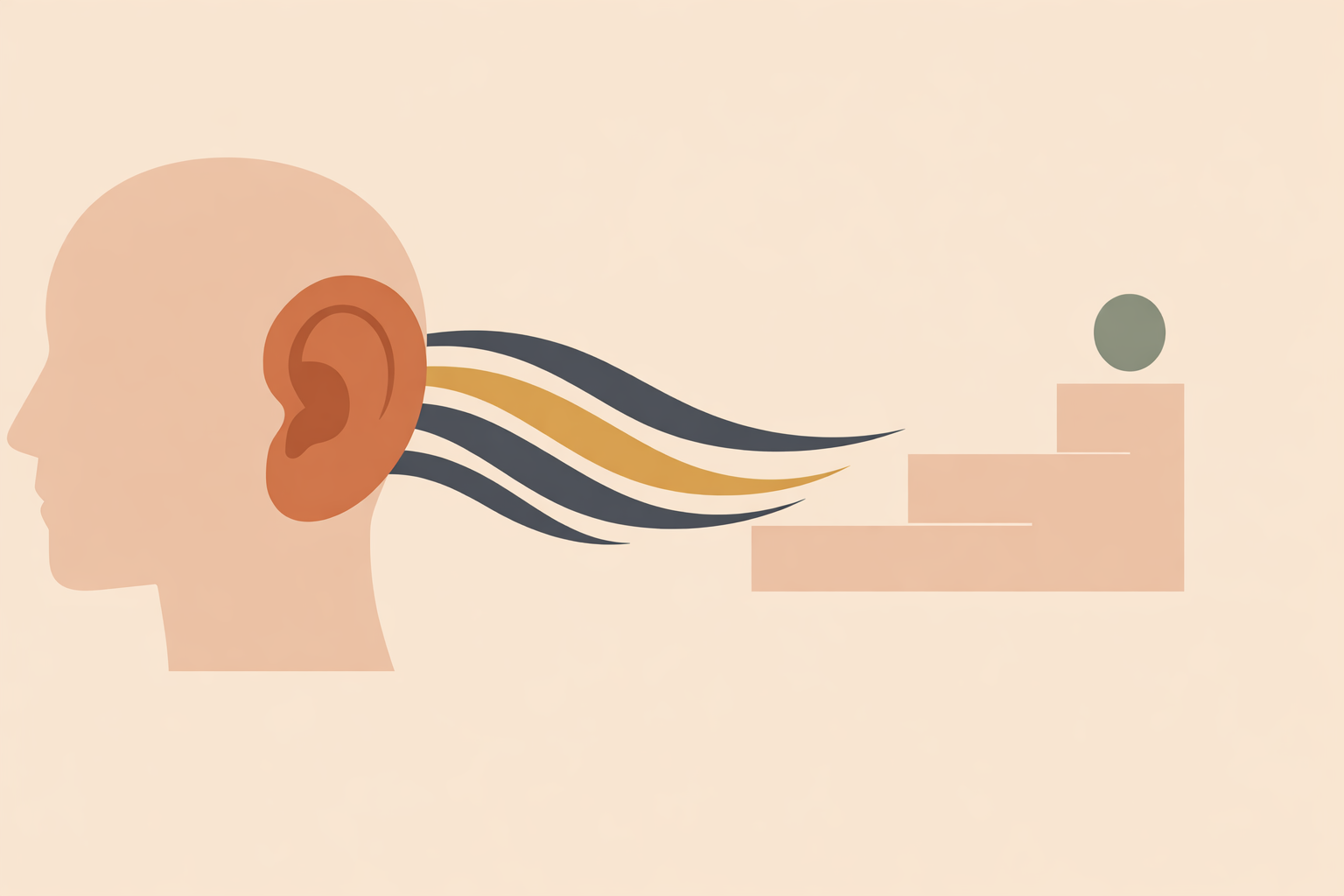
Before you name anything, listen for patterns. A few gentle, specific questions will usually reveal whether you’re hearing HSP-style depth, empath-style absorption, or simply a system that’s overloaded right now.
I use the DOES frame—Depth of processing, Overstimulation, Emotional reactivity/Empathy, Sensitivity to subtleties—as a quiet internal compass. The DOES model helps you stay curious, not conclusive, as the client describes their lived experience.
Gentle questions that reveal depth, overwhelm, and emotional absorption
- Depth (D): “When you have a big decision, what happens in your mind and body?” Depth-of-processing often shows up as layered reflection and meaning-making—see depth-of-processing.
- Overstimulation (O): “How do you feel after a busy shopping mall or loud event?” Many HSPs get depleted from sustained input, which can spiral into exhaustion when recovery is inconsistent.
- Emotional reactivity/Empathy (E): “When someone close to you is upset, what happens in you during and after the conversation?” Educators discussing HSP research highlight activation related to awareness and empathy in brain imaging work.
- Sensitivity to subtleties (S): “What tiny changes do you notice before others do?” (tone, lighting, textures, social shifts).
As one coaching resource puts it, “We notice more and sense subtleties that others miss... and all of this can cause over-stimulation.” What you’re listening for is simple: does the client mainly sense, or do they also absorb—and is the strain lifelong, or recent and situational?
Step 2: Explain “Highly Sensitive Person” in a way that dissolves shame
When DOES-style sensitivity is present, mirror it back as a strength. The aim is to help the client recognize a deep trait—and feel resourced rather than fragile.
Here are a few phrases that tend to land well early on:
- “From what you’ve shared, I’m hearing a highly sensitive style: you process deeply, you notice subtleties, and your system registers stimulation more intensely. Many people describe it like emotions are ‘five times louder.’ That’s not a flaw—it’s a capacity we can work with.”
- “Sensitivity is not weakness; it’s a way your system tracks the world. ‘To feel intensely is not a symptom of weakness.’ When we honor it, you get to use the gifts and reduce the friction.”
- “Many educators suggest this style is rooted in brain systems tied to awareness and empathy. To me, that aligns with what traditional lineages noticed—some people are uniquely attuned.”
- “HSPs are often naturally more creative. We’ll channel that into a rhythm and environment that truly fits you.”
- “Being highly sensitive is both a gift and responsibility. We’ll work with both.”
Think of it like adjusting the lens on a camera: nothing about the scene is “wrong,” but the settings matter. When sensitivity is framed as a style, clients can design around it. When it’s framed as a flaw, they tend to hide it—then wonder why life feels so tiring.
Step 3: Introduce “empath” without drama or fear
If the client describes not only noticing others’ states, but carrying them, you can gently name empathic absorption—without making it mystical or alarming. Normalize the pattern, then bring it back to boundaries and choice.
These bridges keep things practical:
- “Some sensitives also absorb the emotional weather around them. If that’s you, we’ll build clear boundaries and simple rituals so you’re choosing what you carry.”
- “HSPs can be overstimulated by many inputs. Empaths are especially affected by emotional energy—the tone in a room, someone’s grief, a team’s tension.”
- “The qualities that make sensitives so trusted—being open minded and compassionate—need healthy containers. That’s what we’ll practice.”
Across cultures, people have long described life force—prana, qi, shakti—moving between beings. Traditional movement and breath practices often emphasize the flow of Qi or prāṇa as a way of cultivating attunement, and many empaths simply experience that exchange more vividly.
And we keep it empowering. Educators in this space often note that thriving depends on how you shape your environment, time, and relationships—not on trying to “shut off” your sensitivity. Choice stays front and center.
Step 4: Help clients place themselves on the HSP–empath spectrum
Invite the client to self-locate—no rigid boxes, just clarity. When the client chooses the language, the next steps usually become obvious.
You might say: “Imagine a spectrum. Many HSPs are on one end, sensing the vibe clearly. Empaths sit toward the porous end, where they carry that vibe in their body. All empaths are HSPs, but not all HSPs are empaths.” This all empaths framing is simple and relieving for many people.
Do you sense the room’s mood, or carry it home?
- “When a friend is upset, do you feel with them, or as them?” That distinction often surfaces the deeper merging described in “as them” experiences.
- “After a tense meeting, do you notice the vibe and release it, or do you carry it home for hours?”
- “What resets you fastest—sensory quiet, or relationship distance?”
Once clients see themselves on the map, you can tailor support without overcomplicating it. As Aron reminds us, sensitives serve best when they do what we do best rather than forcing non-sensitive norms. Educators also note that clear naming often reduces confusion, which helps clients stop second-guessing themselves and start making clean choices.
Step 5: Untangle sensitivity, overwhelm, and cultural stories
Clients often ask, “Is this sensitivity—or is it anxiety and burnout?” You can honor the distress and stay firmly within coaching scope by separating enduring traits from temporary overload.
Start by normalizing sensitivity as a human variation. Many advocates challenge the idea that feeling deeply equals fragility: “To feel intensely is not a symptom of weakness.” From there, you can differentiate “this is how I’m built” from “my system hasn’t had enough recovery lately.”
Try: “Some of what you’re naming sounds like lifelong sensitivity. Some sounds like today’s stress chemistry and lack of recovery. We’ll support both.” That clarity matters because many popular explanations mix HSP and empath language with stress and anxiety, leaving clients unsure what to do next.
Then bring in simple boundary skills. Assertive “I” statements reduce defensiveness while protecting energy: “I need ten minutes of quiet when I get home” is clear and kind. Communication guides highlight the value of assertiveness for easing conflict load—often a major drain for sensitives.
Finally, widen the lens. Many cultures recognized highly attuned people—dreamers, seers, energy-sensitives—without turning the trait into a deficit. Writers on ancestral wisdom describe how honoring cultural, spiritual, and familial lineages can offer a healing frame. Traditional energy teachings also present daily practices—movement, breath, contemplation—as ways of cultivating steady attunement with one’s environment.
Step 6: Turn insight into practice – first boundaries and regulation scripts
Insight sticks when it changes the week ahead. Close the intake by co-creating one or two tiny, testable experiments so the client leaves with lived support, not just a label.
Small experiments work because sensitives often respond strongly to environment—for better or worse—so minor adjustments can create real relief. Many HSP resources emphasize aligning boundaries, rest, and context to avoid burnout, so you’re aiming for “right-sized” change.
Simple day-one experiments for HSPs and empaths
- Recovery window (HSP focus): “For the next five days, block 20 minutes after work with your phone off. Try tea, a dark room, or quiet music. We’ll notice what changes.” Many guides recommend planned downtime.
- Nature minute (HSP/empath): “Step outside once a day for five mindful breaths—bare feet if that’s comfortable. Mark it on a calendar.” Grounding time outdoors is often suggested to steady the system.
- Doorway boundary (empath focus): “Before entering a meeting, place a hand on your chest and whisper: ‘I’m me, you’re you. I can care without carrying.’ After, shake out your arms and imagine heaviness dropping to the earth.” Many teachers suggest grounding and clearing as part of ongoing self-care.
- Home arrival script: “When I get home, I need 10 minutes of quiet. After that I’m available.” This leans on “I” statements and assertiveness.
- Energy hygiene (ancestral roots): Choose one: a salt bath, smoke or sound cleansing, earth contact, or a short prayer from your own lineage. Traditional movement and contemplative practices have long served as energy hygiene for sensitives.
Then set expectations with warmth and steadiness: “This is a gift and a responsibility.” Keeping it small makes consistency realistic—and consistency is what builds trust in sensitivity, instead of fear of it.
Conclusion: Weave HSP vs empath scripts into a sustainable practice
Clear intake language is a quiet superpower. When you name HSP vs empath with respect, invite client-led placement on the spectrum, and co-create one boundary or regulation experiment, you build “early wins” into session one. Those wins compound into trust, and trust becomes the scaffolding for deeper work.
It also supports your sustainability. Sensitive practitioners who align their work with their natural style often flourish; many guides emphasize choosing environments and roles that fit your strengths rather than forcing high-friction settings. As Ted Zeff put it, HSPs carry an important mission—and missions require containers, pacing, and community, not heroics.
For practitioners, a living learning path—one that blends inner work, ancestral wisdom, and practical tools—keeps your craft evolving without costing your well-being. Writers on embodied, lineage-aware work describe approaches that weave ancestral wisdom into a holistic, four-dimensional way of supporting others, which often matches what sensitives naturally seek.
A steady rhythm works best: validate, clarify, then practice. Keep it human, keep it doable, and sensitivity starts to feel like a strength clients can live with—day by day.
Train as an HSP Coach
Build scope, boundaries, and practical tools with Naturalistico’s Highly Sensitive Person (HSP) Coach training.
Explore the HSP Coach →