Most practitioners meet the DBT-vs-CBT question mid-session, not as a tidy theory debate. Someone arrives emotionally flooded, last week’s agenda no longer fits, and you have to decide: slow down with validation and skills, or move forward with a focused plan.
On another day, that same person may be steady enough to review a thought record and try a new behavior. The difference matters because these approaches create very different rhythms in the room.
CBT is widely recognized, and many people already know its language and structure. It also has a broad evidence base for common concerns such as mood, anxiety, and sleep. DBT grew from the same behavioral roots, but its center of gravity is different: more mindfulness, more acceptance, more direct skills coaching, and more attention to what’s happening in the moment when emotions rise.
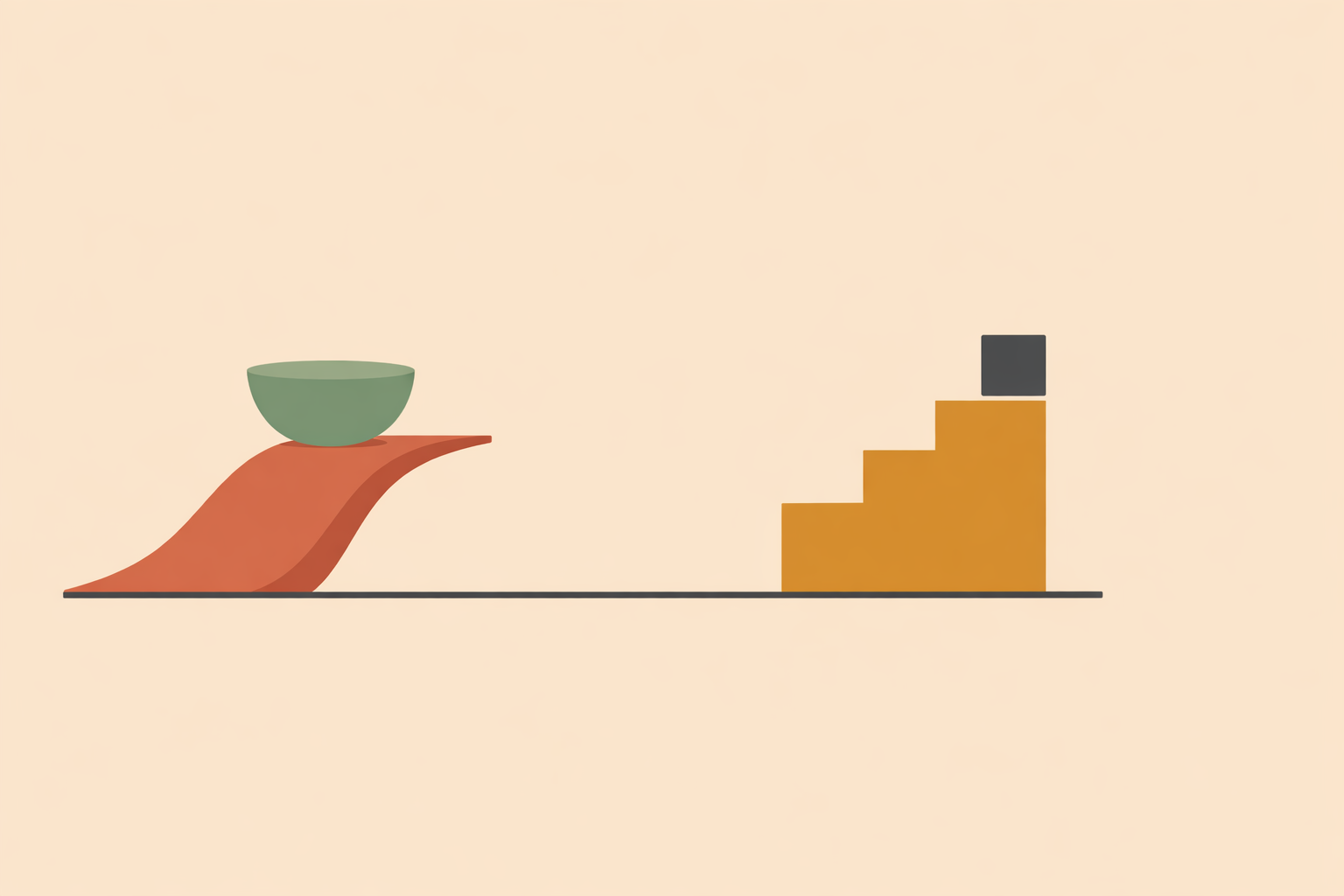
The most useful question often isn’t “Which modality is right?” but “What does this session need?” If the hour calls for steadiness, tolerance, and skills under pressure, DBT often gives the stronger container. If it calls for clarity, structure, and a practical next step, CBT usually leads well.
Key Takeaway: DBT and CBT create different session rhythms: DBT prioritizes stabilization, acceptance, and skills under emotional pressure, while CBT emphasizes a defined agenda, thought work, and practical experiments. Choosing the best “fit” often means matching the hour’s structure to the person’s current level of intensity and capacity to reflect.
How DBT and CBT change session focus and flow
In lived practice, CBT often works like a crisp, problem-focused map. A “productive” CBT hour typically means choosing a target, examining the thoughts or beliefs that keep it going, and making one concrete shift. Classic CBT structure emphasizes core beliefs, using tools like thought records and behavioral experiments to support change over time.
That focus usually comes with a narrow frame: one problem area, linked to specific goals and real-life situations. Many people find that predictability reassuring; it gives the hour shape and makes progress easier to notice week to week.
DBT, by contrast, puts more emphasis on emotional intensity, acceptance, and moment-to-moment skillfulness. The APA highlights DBT’s use of distress tolerance alongside change strategies. In the room, that often means less debating whether a thought is accurate and more helping someone stay present enough to respond effectively.
As Marsha Linehan distilled it, “An important distinguishing factor of DBT is its emphasis on learning how to tolerate and accept distress.” That difference is practical: it changes how you open the session, where you place attention, and what counts as success by the end of the hour.
What a “good session” looks like in each approach
CBT and DBT each carry an internal picture of “good work.” When you know that picture, you’re less likely to force one model onto a moment that needs something else.
In CBT, a strong session usually feels organized, collaborative, and concrete. You name the problem, follow the logic, and leave with a next step. Beck’s writing describes a collaborative agenda, and that steady structure is exactly what many people find grounding.
In DBT, a strong session may look less tidy on the surface, but it’s often more responsive to what’s actually alive. The work commonly starts by building enough steadiness to think clearly, then walking through a real episode, spotting where escalation happened, and practicing the skill that would have helped most.
DBT also follows a clear hierarchy. Target hierarchy guides focus: first the most urgent safety-related concerns, then patterns that interfere with the work itself, then broader quality-of-life issues. So even when emotions are intense, the session still has a backbone.
As one teacher puts it, “DBT is not an individual psychotherapy approach… it’s a behavioral treatment program focused on thoughts and actions.” The phrasing is blunt, but the meaning is simple: DBT prioritizes coaching real-world capacity, not only talking about insight.
What a CBT-shaped hour often looks like
When CBT is the right fit, the hour usually has a clear beginning, middle, and end. It moves with purpose, and that clarity can feel reassuring.
- Open: Brief check-in, then agree on a 1- to 2-item agenda.
- Review: Look at what was tried between sessions and what was learned from it.
- Focus: Explore one situation in detail, identify automatic thoughts or core beliefs, and test them.
- Plan: Turn insight into one specific action for the coming week.
At its best, CBT helps narrow the field. Instead of trying to solve everything at once, you work on one area in a measurable way—especially helpful when someone can reflect without becoming overwhelmed.
Time-limited series is a common way CBT is delivered, which naturally adds momentum: define the issue, build skill, apply it, refine it.
What a DBT-shaped hour often looks like
DBT often feels different from the first few minutes. The session is less about sticking to a pre-set topic and more about choosing the highest-value move for the emotional reality of the week.
- Arrival: A brief mindfulness practice to settle attention and invite a nonjudgmental stance.
- Tracking: Review recent emotions, urges, actions, and skills used.
- Episode work: Reconstruct a real sequence from trigger to action.
- Skills practice: Rehearse the most useful skill until it feels usable in real life.
- Close: Choose one small practice to carry forward.
More mindfulness, more direct skills coaching, and more attention to immediate emotional process are common in DBT-shaped sessions. Those opening minutes of mindfulness aren’t decorative; they’re preparation for everything that follows.
DBT also leans heavily on pattern-tracking over time. Diary card review can make progress visible while pointing to the session’s priority target. Think of it like turning a blur of “my week was awful” into a readable map of what actually happened.
From there, sessions often move into chain analysis and rehearsal. Role-play rehearsal keeps the work practical: the person doesn’t only understand a skill, they start to feel how to use it under pressure.
In-session practice builds familiarity that can carry into difficult moments. Essentially, repetition makes effective responses easier to access when emotions surge.
Many people later describe DBT skills as lasting “tools for life.” It’s a simple phrase, and it captures the spirit well: validate the pain, then build usable capacity.
Or as Linehan once said, the goal is to help people find “the path to getting out of hell.”
How to choose your entry point in the moment
The opening move often sets the tone for the whole hour. If someone is highly activated, jumping straight into cognitive work can miss what the moment is asking for. If they’re settled and reflective, staying too long in containment can flatten momentum.
When intensity is high, DBT often gives the better entry: start with validation, slow the pace, and use simple mindfulness or body-based awareness so the person can regain enough steadiness to think clearly. What this means is that calming the system isn’t “avoiding change”—it’s making change possible.
This is one reason mindfulness practice is woven into DBT from the outset: it supports a more observant, less reactive stance before moving into analysis or action.
When the person is more regulated, CBT often becomes the stronger map. You can define the problem, identify the thought pattern, and build a realistic experiment. In those moments, structure supports progress rather than constricting it.
In real practice, skilled practitioners often flow between the two—more DBT when intensity is high, more CBT when there’s enough steadiness for focused problem-solving, much like the timing questions that shape CBT vs DBT in complex sessions. That flexibility is where the craft lives.
When conflict, missed practice, or crisis reshapes the hour
Real sessions don’t follow perfect textbook order. People arrive late, forget what they planned to try, feel ashamed about not following through, or come in after a week that changes everything. This is where the contrast between CBT and DBT becomes especially useful.
In DBT, the hierarchy leads: Safety first, then patterns that interfere with the work, then quality-of-life targets. If practice didn’t happen, that becomes meaningful data. You look at what got in the way, identify the vulnerable links in the chain, and choose a smaller, more workable next step.
High-intensity patterns are central to why DBT was developed, so the model stays functional when things are turbulent. It expects disruption and still gives you a way to move forward without losing direction.
CBT responds differently but still practically. If someone didn’t carry out the agreed experiment, you troubleshoot together: Was the task too big or too vague? Poorly timed? Did a belief show up that wasn’t visible before? The emphasis stays on problem-solving rather than self-criticism.
Both approaches can be compassionate and direct. The difference is mainly where they place the first emphasis: DBT often addresses the emotional-behavioral sequence itself, while CBT more often refines the target and the next step.
Blending DBT and CBT with cultural and traditional wisdom
The most effective sessions are often structured without becoming rigid. It’s possible to bring CBT clarity, DBT skills, and culturally rooted practices together in a way that feels respectful and grounded.
DBT already includes mindfulness in a secular, skills-based form, and many practitioners also recognize something older here: traditions across cultures have long worked with breath, attention, and embodied awareness as practical training for steadiness and wise action. When used with humility and proper context, these practices can sit naturally inside modern coaching and well-being support.
The key is respect. Cultural practices aren’t decorative add-ons; they belong where they genuinely fit the person’s own values, background, and chosen way of working.
A flexible blended session might look like this:
- Begin with grounding: a brief breath practice, orienting exercise, or another simple awareness ritual that feels culturally and personally congruent.
- Set a micro-agenda: choose one clear goal for the hour.
- Track the pattern: identify what happened in a recent difficult moment.
- Rehearse one skill: practice one response that can realistically be used this week.
- Close with one carryover: a single experiment, reflection cue, or short daily practice.
This kind of blending keeps the hour practical while honoring lived context. Structure and tradition don’t have to compete; used thoughtfully, they reinforce each other.
Bringing DBT vs CBT into your next session
The real value of comparing DBT and CBT isn’t abstract. It’s knowing how you want to use the next 50 minutes.
If emotions are surging, begin with DBT: validation, mindfulness, tracking, and skills. If the person is steady enough to work with a defined goal, let CBT provide the frame: agenda, thought work, and a practical experiment. And if the moment calls for it, move between them—many of the strongest sessions do.
Two simple shifts can sharpen your next hour:
- Choose your entry on purpose: start with settling when intensity is high; start with agenda-setting when reflection is available.
- Leave with one practice: one skill to use, one action to try, or one pattern to track.
To close, keep cautions simple and scope-appropriate. Comprehensive DBT work is more than a few techniques; it’s a full program with its own logic and demands. CBT also works best when goals are specific and the between-session task is realistic enough to support follow-through. In both cases, pacing, consent, cultural respect, and honest scope matter.
Master DBT session skills
Build stronger in-the-moment structure with the Dialectical Behavior Therapy (DBT) Certification.
Explore DBT Certification →