For practitioners already supporting clients, Reiki training brings a real-world choice: how to learn deeply without turning the path into a quick certificate. Between existing commitments and “weekend-to-Master” offers, it’s easy to wonder about depth versus speed. In lived practice, steadiness comes less from technique and more from consistency, boundaries, and judgment. The real task is building a timeline that strengthens those qualities while still fitting work, family, and your own capacity.
So the question shifts from “How fast can I finish?” to “What am I ready to hold?” Mastership is best approached as a progression: self-practice first, then confident work with others, then deeper integration, and finally stewardship and teaching. Time isn’t a delay—it’s the part that lets the practice settle into your hands, your habits, and your character.
Key Takeaway: A strong Reiki Master timeline prioritizes steady self-practice, ethical boundaries, and real-world repetition over fast credentials. Move forward when your practice is consistent, your scope is clear, and you can support others with grounded presence—because integration and mentorship are what turn training into dependable stewardship.
Stage 1: Level I and Your Self‑Reiki Foundation (Months 0–3+)
Level I is where your Reiki Master timeline truly begins, and its main job is simple: build a living self-practice. When this stage is well-rooted, everything that follows has something real to stand on.
At Level I (often Shoden), the focus is typically self-practice, foundational hand positions, core principles, and direct experience. Essentially, you’re learning what Reiki feels like in your own body and life—consistently enough that it becomes a relationship, not an idea.
Many teachers place special importance on the first few weeks after attunement. The traditional “21 days” is best understood as a supportive container. With daily return, sensations become familiar, and the practice starts to feel steadier and more personal.
Most days, this looks simple: hands placed gently, 15–30 minutes, repeated. Over a few weeks, people often connect near-daily practice with better sleep, less stress, and a more grounded baseline.
As Chyna Honey writes, “Reiki is the best vibration for helping someone to relax well and deeply.”
Relaxation is often the first doorway into sensitivity; Reiki descriptions commonly link this to the relaxation response. Put simply, when the system softens, you notice more.
That’s why many teachers encourage dozens of self-sessions early on, and suggest spending a few months primarily with self-Reiki before moving forward—especially for part-time learners. A slower start is often the start that lasts.
- A solid Level I focus often includes: daily or near-daily self-Reiki
- simple reflection on the Reiki precepts or principles
- informal sessions with close friends or family only when it feels grounded
- learning to notice your own pace rather than chasing “big” experiences
When self-practice becomes a rhythm instead of a task, Reiki naturally begins to move from personal foundation into relational practice.
Stage 2: Level II and Practicing with Others (Months 3–9+)
Level II expands Reiki from self-practice into more intentional work with others, and that shift usually deserves several months of steady integration. Here, skill grows through repetition, consent, and clear presence.
In many systems, Level II (Okuden) introduces symbols and distance-focused practices, alongside more structured sessions. It can feel like a leap—but technique isn’t the same as readiness. The deeper work is staying consistent and grounded as you begin supporting other people’s experiences.
Traditional guidance often recommends 3–6 months between Level I and Level II. That gap gives your self-practice time to settle, so you’re less likely to lose your center when working with others.
Once you’re practicing with others, the practical craft becomes important: opening and closing sessions cleanly, explaining Reiki in everyday language, asking for consent, and holding boundaries. Recipients often report feeling calmer and less anxious, and that calm is supported by your steadiness as much as your method.
Confidence at this stage comes from volume and pattern recognition. Many practice-led paths suggest 50–100 sessions over this period. The number isn’t the point—repetition is. Over time, your practice becomes more embodied and less mechanical.
One recipient shared, “Its 1 hour of beautiful relaxation that leaves you feeling more grounded and energized.”
Feedback like this helps you trust the subtlety. You’re not there to force outcomes—you’re there to create conditions for steadiness and support.
For coaches, yoga teachers, and other holistic practitioners, this is often where Reiki begins to blend into existing work. Many people start integrating it more confidently within 6–18 months, once their own practice feels reliable.
- Useful Level II benchmarks include: keeping self-Reiki consistent
- offering regular practice sessions to trusted people
- refining your session opening, consent, and closing language
- tracking what helps you stay clear, grounded, and ethical
When this foundation feels stable, the pace often slows again—and that “middle stretch” is where the work becomes truly formative.
Stage 3: Advanced / Master Practitioner Integration (Months 9–18+)
This middle stage is where Reiki stops being something you do and becomes more fully part of how you live and practice. It can take longer because discernment and inner alignment develop through lived experience.
Many systems include an advanced or Master Practitioner stage before Master/Teacher training. Think of it like an apprenticeship phase for your own maturity: you deepen your session craft, become clearer about limits, and learn how to stay steady across a wider range of needs.
Practically, many teachers suggest 6–12 months of consistent practice between Level II and advanced training. Externally it may look quiet. Internally, it’s where your confidence starts to rest less on excitement and more on steadiness.
Advanced practice asks for discernment and sustainable presence—what some describe as energetic resilience. It also strengthens the habit of recognizing when Reiki support isn’t enough on its own and when additional supports (or referrals) are the ethical next step.
As Frans Stiene says, “The system of Reiki is really a system of self-cultivation; treatment of others is an expression of that inner practice rather than the main event.”
Over time, Reiki often influences how people structure life—rest, boundaries, and what they say yes to. Many descriptions connect Reiki practice with lifestyle changes that support balance.
Practitioner accounts also commonly mention lifestyle shifts—simplifying commitments and aligning with inner principles. With steady daily practice over months, people often report greater confidence and a steadier emotional baseline.
This isn’t “waiting.” It’s formation. By the time Master-level training makes sense, what’s changed is not only skill—it’s your relationship to responsibility.
Stage 4: Reiki Master/Teacher Responsibilities (Months 18–36+)
Reiki Master/Teacher level is not simply the next badge in sequence; it is a shift into stewardship, mentorship, and lineage-holding. This threshold deserves real seriousness because it affects other people’s entry into the path.
Training at this stage commonly includes attunements, teaching Reiki history and principles, and learning how to guide beginners over time. It’s no longer only about your one-to-one work—it’s about whether you can teach clearly and responsibly.
Readiness markers shift too: Can you speak about Reiki without inflating claims? Can you hold questions without rushing to certainty? Can you guide students through strong feelings without centering your own authority?
That’s why many lineages include apprenticeships, such as assisting trainings over months. Watching an experienced teacher manage timing, boundaries, and integration often teaches what notes can’t.
Ethically, this level calls for clear scope awareness, comfort saying no, respect for confidentiality, and sensitivity to power dynamics. Many practitioners also adopt simple logs or codes of conduct as practical accountability.
Across lineages, the title is increasingly understood as responsibility, not completion. Mastership is a stage of service—and of continued learning.
Why Slower, Mentored Paths Create Grounded Reiki Masters
Slower, mentored paths tend to create more grounded Reiki Masters because they leave room for integration, feedback, and ethical maturity. Speed can transfer information; mentorship helps it become embodied.
Many experienced Masters caution that “weekend-to-Master” formats can leave graduates underprepared for boundaries, emotional releases, and teaching responsibility. Short trainings may introduce key elements, but integration takes lived repetition.
Mentorship changes everything. It’s common for practitioners coming from accelerated routes to seek an additional 6–12 months of guidance before feeling ready to handle complexity or teach.
Paths that include supervision and feedback tend to strengthen confidence around ethics and boundaries over time. Broader education research also suggests mentored practice helps build transferable professional skills through repeated reflection and guidance. Mentored practice helps.
Community supports the same growth. Regular shares and circles give a place to practice, receive input, and stay humble. Over time, community participation can develop steadiness that’s hard to build in isolation.
A practitioner working with families shared, “Reiki has become a stabilizing factor for families in crisis.”
Whether you support families, coaching clients, or general well-being goals, that stabilizing role is built through lived steadiness—exactly what slower learning tends to cultivate. Many traditions continue to favor slower learning, and education research also suggests people often teach more clearly when they’ve been well supported themselves. Teaching improves.
How Your Life Context Shapes Your Reiki Master Timeline
Your Reiki Master timeline should fit your nervous system, responsibilities, and actual life. A healthy pace is personal—and honoring that is part of practicing well.
Trauma-aware learning offers a useful lens. Trauma-informed models emphasize safety and pacing, as well as choice and collaboration. In Reiki training, that can mean longer gaps between levels, shorter class days, clearer consent, and touch-free or distance options.
For some learners, trauma-informed approaches often support taking 6–12+ months at each level so self-regulation and grounding are built first. What this means is simple: when the system feels safer, learning goes deeper.
Neurodivergent learners may thrive with predictable structure, shorter segments, visual supports, and spaced repetition. Education guidance highlights the value of structured routines and chunked instruction, and these adaptations can map beautifully onto Reiki practice and integration.
Life responsibilities matter just as much. Adult learning models note many people complete programs using flexible timelines and smaller, consistent practice blocks. Flexible timelines help. In Reiki, that might look like steady self-practice and periodic workshops instead of back-to-back levels.
A parent describing family experiences with Reiki shared, “She actually falls asleep while I am reading her a bedtime story.”
Stories like this highlight how Reiki often appears as ordinary life changes—calmer evenings, easier sleep, more patience—rather than dramatic milestones.
If your path takes longer because you’re building sensory-friendly learning, trauma-aware pacing, or breathing room around responsibilities, it usually means you’re building something sustainable.
Designing Your Own Reiki Master Timeline as a Practitioner
A practical Reiki Master timeline is best built around milestones and practice hours, not just dates on a calendar. Many practitioners find an 18–24 month path workable, while others choose a slower arc that supports deeper integration.
Some routes compress to 12–18 months when weekly practice is high and mentoring is strong. More contemplative paths often unfold over 3–5+ years, especially when work, caregiving, or health needs are present. Many professionals integrate Reiki into existing services within 6–18 months, and step into confident Master/Teacher roles around 1.5–3 years after starting.
The key is treating these as examples, not ideals. Choose a pace that matches your real practice time, your support system, and your goals—personal growth, client support, or teaching.
An example 18–24 month pathway might look like this:
- Months 0–3: Level I, daily self-Reiki, 20–30 self-sessions, journaling, simple informal practice
- Months 3–9: Level II, regular sessions with trusted others, continued self-Reiki, clearer consent and session structure
- Months 9–18: Advanced/Master Practitioner integration, 50–100+ sessions, mentoring, refining boundaries and client communication
- Months 18–24+: Master/Teacher preparation, assisting trainings, apprenticeship, teaching practice, lineage and ethics study
Across variations, consistent engagement usually predicts readiness better than elapsed time. Education research supports the idea that repeated practice builds skill and confidence.
Useful questions to ask yourself include:
- Have I maintained self-Reiki consistently over months?
- Have I given enough sessions to encounter variety and learn from it?
- Can I explain Reiki simply and honestly in everyday language?
- Do I know my limits and feel comfortable naming them?
Client experience can be a gentle guide too. Reiki recipients often report feeling more calm and more focused in daily life after sessions. When you see that grounded shift showing up consistently—in you and in the people you support—you’re usually on the right track.
Design a path you can keep. Reiki matures through repetition, not pressure.
Conclusion: Choosing a Reiki Master Timeline That Honors the Path
For many people, a grounded Reiki Master timeline falls somewhere around 1 to 3 years, with others taking longer by choice or circumstance. That range isn’t a rule—it simply reflects how long it often takes for embodied practice, mentorship, and ethical maturity to become dependable.
Level I lays the self-Reiki foundation. Level II brings structured practice with others. The Advanced/Master Practitioner stage deepens discernment and integration. Master/Teacher work adds stewardship: teaching, initiation, and responsibility to lineage.
“Reiki Master” is best understood as a threshold, not a finish line. The path stays alive through self-practice, community, reflection, and the humility to keep learning.
As you map your next steps, choose pace for depth. Look for training that respects cultural roots, clear ethics, strong mentorship, and real integration into everyday life.
One final note for wise pacing: if you’re considering an accelerated route, take extra care to ensure strong mentorship, clear boundaries, and ethical guidance are built in—especially if you plan to teach.
Train for Reiki Mastery
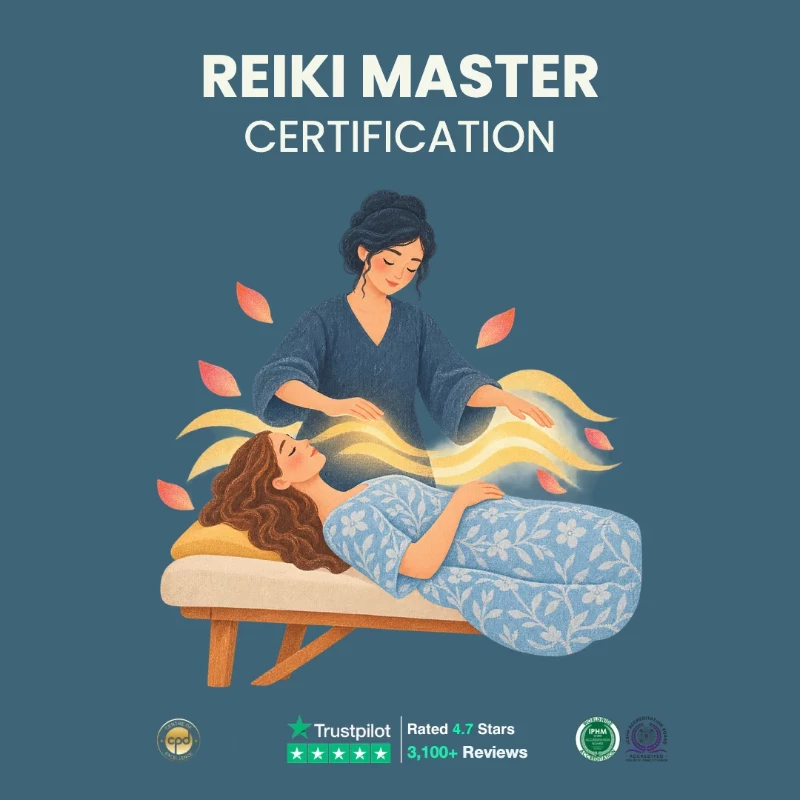
Deepen your practice-led timeline with Naturalistico’s Reiki Master Certification.
Explore Reiki Master Certification →