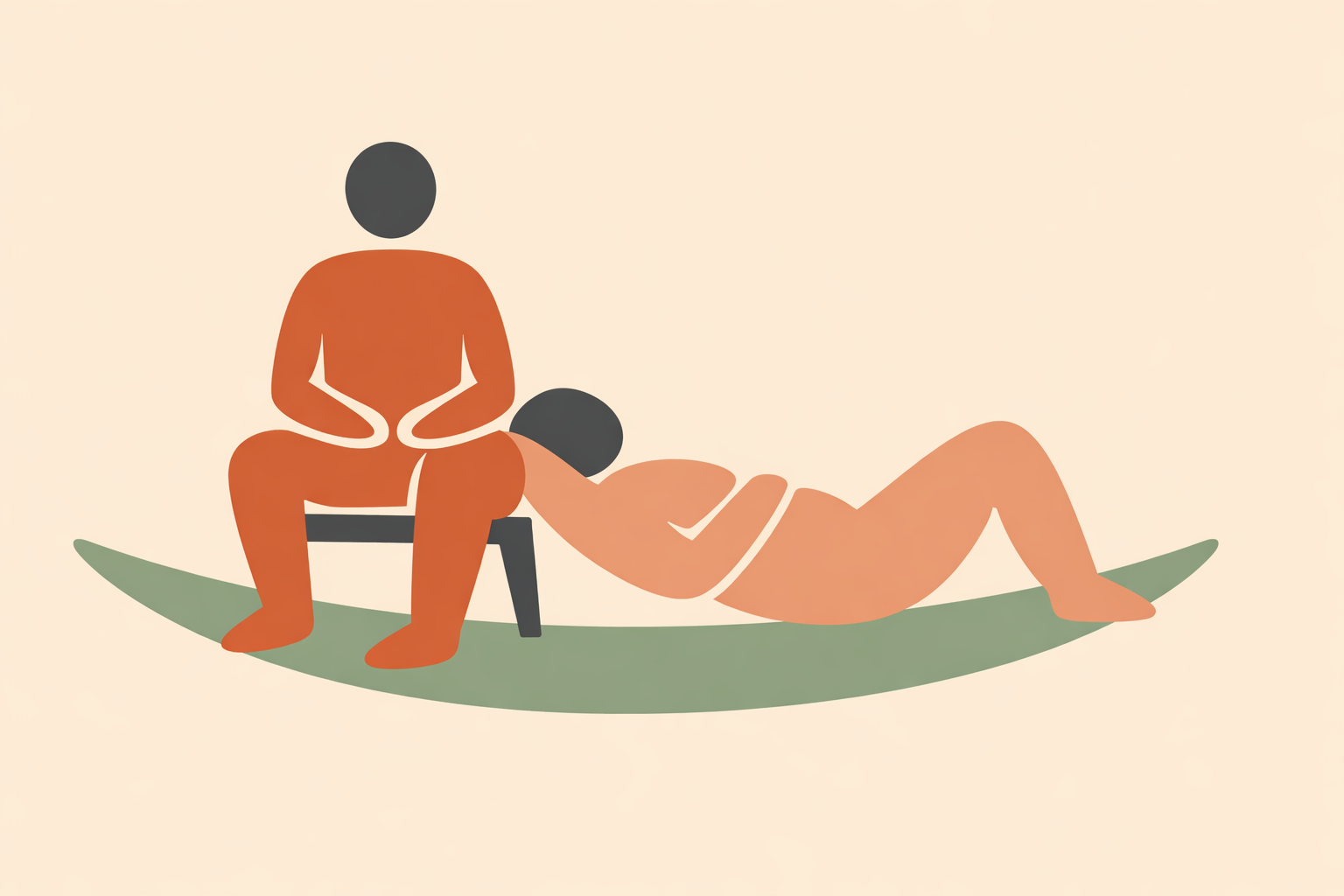
Most meditation teachers eventually meet the same moment: you offer the familiar “sit up straight” cue, and it falls apart as soon as someone’s body can’t comfortably comply. In real groups you’re juggling chairs, tight hips, pregnancy, chronic pain, fatigue—and the quiet fear that lying down will be mistaken for “checking out.” Attention gets pulled into tingling legs, compressed breath, or the effort to look correct. People ask if they’re doing it wrong, and you end up coaching posture on the fly while trying to hold the practice.
That’s why adaptive posture isn’t a preference—it’s a core teaching skill. The body shape you invite becomes the container for breath, attention, and the felt sense of safety. When you treat form as flexible, your guidance gets steadier, kinder, and more effective.
Key Takeaway: The most effective meditation posture is the one a person can sustain with ease and wakefulness, without bracing against discomfort. When teachers normalize chairs, props, and reclining options, students can keep attention on breath and awareness instead of managing pain, strain, or “doing it right.”
Why posture adaptation belongs at the heart of meditation teaching
Posture is never just cosmetic. Traditional lineages have long described specific sitting and reclining forms with care because they understood something important: body shape influences mind. The practitioner’s job is to translate that wisdom into modern rooms with modern bodies.
On a practical level, body position affects what the breath can do and how easily attention settles. When the body is neutrally supported, people can stay present without turning the session into a constant negotiation with discomfort.
That matters for consistency. When practice feels workable, people return to it. Even mainstream guidance emphasizes choosing a comfortable position alongside good posture as part of getting more from meditation.
And as practice becomes steady, it can support attention, memory, and cognitive flexibility. So adapting posture well isn’t “lowering the bar”—it’s protecting access to the practice itself.
Letting go of the perfect pose
No one needs a textbook spine or a lotus-ready body to meditate well. Inclusive practice means posture adapts to the person, not the person to a picture.
Instead of asking, “What’s the correct pose?” a more useful question is: “What shape helps this person be alert, supported, and at ease today?” Think of it like fitting a shoe—you’re looking for stability and comfort, not a single “ideal” size.
This becomes essential in groups that include larger bodies, disabled practitioners, pregnancy, fatigue, or long-standing tension patterns. Chairs, floor seats, kneeling benches, and lying down are all legitimate when they support the quality of attention.
The old myth that only floor-sitting “counts” can make meditation feel exclusive when it should feel workable. In real practice, the most reliable posture is the one someone can inhabit without bracing, shrinking, or enduring pain just to appear disciplined.
Language shapes the culture you’re building. “Adjust as you need” teaches far more than “sit up straighter”—it reinforces that meditation is a relationship with awareness, not a performance of endurance.
Functional alignment: support, ease, and wakefulness
Once the perfect-pose idea drops away, what remains are simple principles that travel well across traditions and body types: support, ease, and wakefulness.
Begin with a neutral spine—length without stiffness. In seated practice, that often means a buoyant uprightness. In lying-down practice, it means resting in a shape that doesn’t compress the breath or overwork the back. A gently upright posture can help steady breathing while balancing alertness and relaxation.
Then build a stable base. On the floor it may be sit bones and legs. In a chair it’s usually grounded feet and enough support under the pelvis for the torso to stack comfortably. In side-lying or supine rest, it’s even support from the surface beneath you.
Breath follows shape. When the chest and belly soften, diaphragmatic breathing often becomes more natural. Put simply: less effort in the body often means less struggle in attention.
Finally, teach alert relaxation—enough tone to stay present, enough softness to stop fighting the posture. This middle ground is where many people do their best practice: not rigid, not collapsed, simply supported.
Adapting seated meditation: chairs, cushions, and benches
Good seated posture is upright without strain. You’re not aiming for a still photograph—you’re aiming for a shape that can hold attention for the length of the sit.
Chairs are often the most practical option in real teaching spaces. For people with sensitive knees, hips, or persistent pain, a well-set chair can reduce discomfort and keep attention on the practice. Meditation can be done sitting, lying down, walking, or in other positions, so a chair is a fully legitimate choice—not a compromise.
A simple chair setup often works well:
- Sit slightly forward rather than collapsing into the backrest.
- Place both feet flat on the floor.
- Let knees rest around right angles.
- Add small low-back support if the spine tires.
- Keep the chin lightly tucked and the jaw easy.
Cushions on the floor help when someone wants ground contact but needs more height and less strain. Raising the pelvis can be the difference between “enduring” a posture and settling into it. When hips are higher than knees, the torso often stacks more easily and the breath has more space.
Support under the legs matters as much as height. Blankets or small cushions under knees and ankles can reduce pressure, numbness, and the urge to fidget.
Benches and kneeling suit some bodies beautifully. For others, they don’t. The tool is secondary; the principles stay the same: stable base, neutral spine, easy breath, wakeful ease.
Normalize props as part of good teaching. Cushions, benches, blankets, and chairs aren’t signs of failure—they’re signs of thoughtful setup.
And keep the long view: consistency matters more than intensity. “Some meditation practice done regularly, even if very brief, has tremendous benefits.” That fits both lived teaching experience and findings that brief mindfulness practices can support mood and reduce stress reactivity.
- Chair quick-check: feet grounded, pelvis supported, spine easy, shoulders soft.
- Cushion quick-check: hips higher than knees, knees supported, jaw relaxed, breath free.
- Bench quick-check: shins padded, weight balanced, torso buoyant, gaze soft.
Lying-down meditation: supine, semi-supine, and side-lying
Lying-down meditation is fully valid. The real question is how to arrange it so it supports awareness rather than sliding straight into sleep.
For many people—especially with fatigue, pain, or low stamina—lying down creates the first genuine possibility of staying with meditation long enough to benefit. For others, it’s simply another doorway into body awareness.
Supine means lying on the back with the body supported and spacious. A thin pillow under the head and support under the knees can soften the low back and reduce effort.
Semi-supine often feels even steadier. Bending the knees with feet flat, or resting the calves on a bolster or chair, can make the posture feel grounded and less sleepy.
Side-lying is especially helpful when lying flat feels too exposed or uncomfortable. A cushion between the knees and support under the head can create a very stable resting shape.
A firmer surface usually helps with wakefulness. If drowsiness is common, try gently elevating the head or bending the knees—small shifts can change the whole tone of attention.
There’s also a natural overlap between reclining practice and rest. Mindfulness-based approaches are linked with improved sleep, which helps explain why body scans and supported reclining are often used in the evening.
- Supine setup: firm surface, small head support, optional support under knees, arms easy by the sides.
- Semi-supine setup: knees bent and feet flat, or calves elevated, belly soft, breath unforced.
- Side-lying setup: cushion between knees, head supported, top shoulder relaxed, chest easy.
Using posture with pain, fatigue, and sensitivity
Posture is one of the simplest ways to regulate intensity in meditation. With pain, fatigue, anxiety, or high sensitivity, shape becomes part of how choice and steadiness are restored.
For many people with persistent pain, supported supine lying reduces muscular effort and makes room for gentler attention to sensation. For others, a chair is the most grounding option. Essentially, the “best” posture is the one that helps the nervous system settle enough for awareness to stay online.
If lying flat brings up unease or vulnerability, side-lying or seated practice can be a better doorway. Traditional practice has always respected the reality that different constitutions and life stages need different containers.
This is also why blending postures within one session can work so well: begin seated, move into a supported body scan, then shift into walking, much as coaching sessions can weave brief meditation in at different moments. If fatigue rises or pain increases, the practice changes shape without being abandoned.
Modern research aligns with this broader value: mindfulness is associated with decreased pain and reduced stress, supporting emotional resilience and attentional balance.
- Offer at least two posture options before beginning.
- Name props as standard, not exceptional.
- Invite micro-adjustments before strain becomes overwhelming.
- Teach that changing posture mindfully is still part of the practice.
“Notice the body’s messages. If strain is climbing, adjust height, add a prop, or shift to side-lying. Keep attention with the change itself—this is still practice.”
Designing posture-inclusive meditation sessions
Posture-inclusive teaching isn’t an add-on—it’s part of the session design. When you build options into the structure, people stop feeling singled out and start feeling supported.
A simple arc can normalize variety: begin seated, move into lying down, then close with walking or a brief return to sitting. This quietly teaches an important lesson: posture can change while continuity of awareness stays intact.
Your opening language sets the tone. “You’re welcome to sit, kneel, or lie down. Choose the shape that lets you stay intentional and awake.” That kind of invitation removes pressure immediately.
Over time, steady practice is associated with emotional balance and attentional steadiness, and may also correlate with less age-related decline in gray matter. The more accessible the posture, the more likely the practice becomes sustainable.
- Name options every time: chair, cushion, bench, or lying down.
- Teach principles, not poses: support, ease, stable base, wakefulness.
- Keep a prop kit nearby: blankets, cushions, knee supports, lumbar support.
- Protect dignity: use invitational language and make choice explicit.
- Sequence for sustainability: blend seated, reclining, and walking formats.
- Refine with feedback: ask what felt steady and what created strain.
Adaptive posture is simple and deeply humane: choose the shape that supports awareness today. When teachers make that choice visible and normal, meditation becomes more inclusive, more skillful, and easier to continue, especially when offered with clear safety, boundaries, and consent.
Teach Inclusive Meditation Skills
Build confident posture guidance with the Meditation Coach Certification to support diverse bodies and real-life needs.
Explore Meditation Coach Certification →