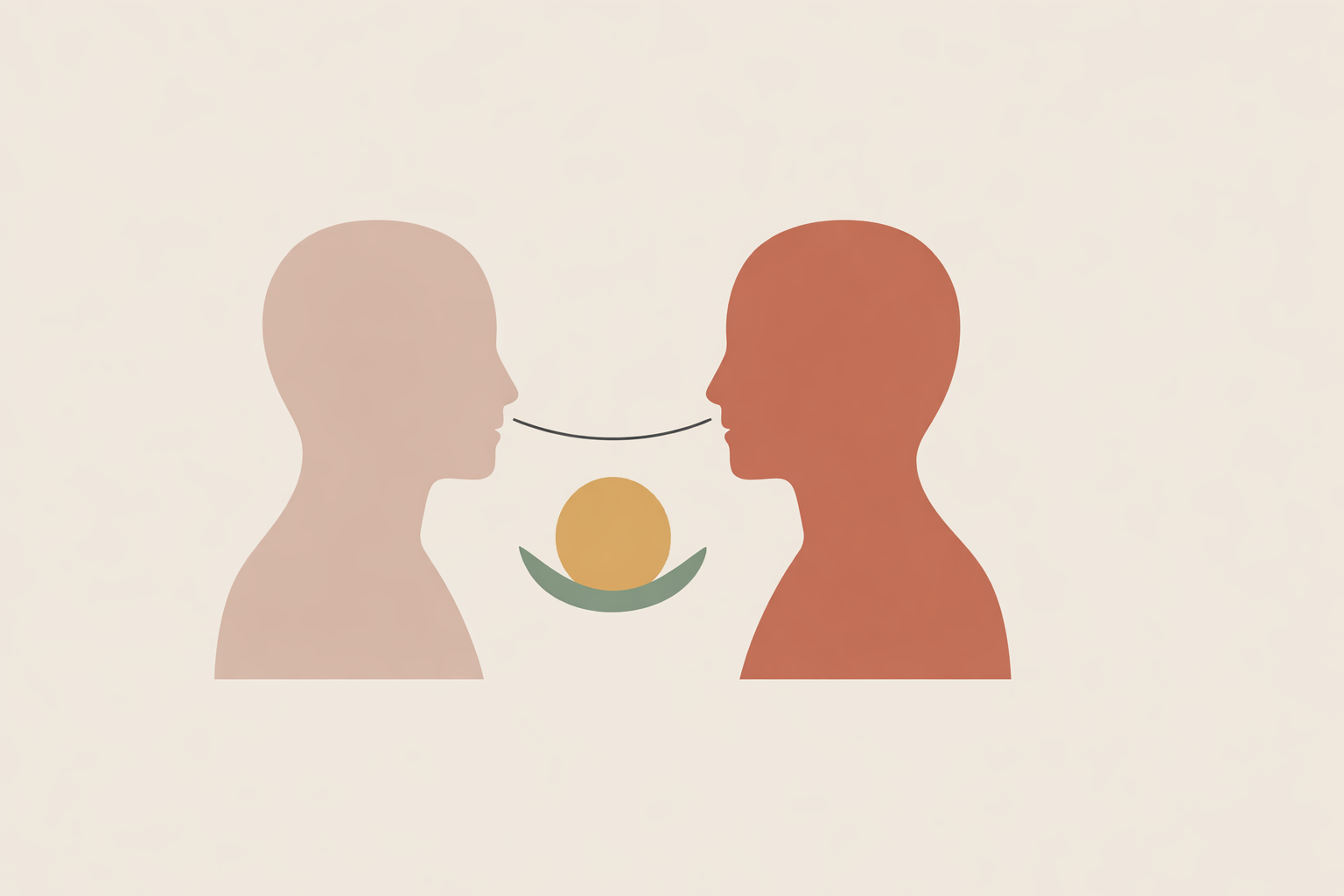
Person-centered dementia care is a grounded, learnable way to bring more dignity, calm, and meaning into everyday work. It centers the person’s story and current abilities so your support feels respectful, stabilizing, and truly helpful.
At its heart, this approach shifts attention from schedules and checklists to relationships, empathy, and individualized support. In real-world settings, that relationship-first lens is often linked to improved communication and steadier day-to-day experiences for the person and their wider circle.
That shift still has structure. A 2022 synthesis describes four guiding domains: healing relationships, information exchange, emotional support, and managing uncertainty. Think of these as anchors—so even when a day feels unpredictable, your way of showing up stays consistent.
Many systems also emphasize person-centered outcomes such as autonomy, privacy, and dignity, starting with individualized conversation and ongoing adjustment. With relationships at the center, small personal details—music tastes, preferred morning pace, comforting objects—can become the steadying routines that make work smoother for everyone.
And because dementia touches tens of millions of lives worldwide, these skills matter across home settings, community programs, and long-term support environments. Naturalistico brings together practical tools, community, and ongoing development so you can translate person-centered principles into real client work—consistently, respectfully, and with confidence.
Key Takeaway: Person-centered dementia care works best when you anchor support in relationship, life story, and daily rhythms—then communicate and collaborate in ways that protect dignity. Using flexible routines, validation, and shared team tools helps reduce distress and creates steadier, more meaningful days for everyone involved.
Step 1: From Tasks to Honouring the Person
Start by placing the person—who they are, what they love, what feels safe—before the task list. This mindset shift alone can soften the atmosphere, protect dignity, and set the tone for everything that follows.
Person-centered dementia support emphasizes empathy, respect, and individualized attention. Essentially, the question becomes: “Who is in front of me, and how do we do this together so it feels right for them?” In PCCS language, this is the heart of healing relationships—partnership and trust come first.
Systems guidance echoes these human priorities, including dignity. In daily work that often looks like connecting before an activity, meeting the person’s gaze, and noticing effort over “completion.” Those small choices keep the relationship leading the way, even on busy days.
Why this mindset shift calms everyone
When someone feels seen, they often settle into the moment—and the people around them feel steadier too. Learners frequently report increased confidence once they adopt a relationship-first lens.
Put simply: starting with compassion (not paperwork) keeps later decisions rooted in the person’s perspective, which makes it easier to co-regulate—your calm supporting theirs, and theirs supporting yours.
Step 2: Create a Living Portrait of the Person
Next, turn that mindset into discovery: gather life stories, preferences, cultural roots, and strengths. This “living portrait” becomes your compass for daily choices at work.
Foundational person-centered practice includes learning personal history, likes and dislikes, sensory comforts, and meaningful routines—often through conversations, life story books, songs, or favorite objects with a story. This is classic life story work. When memory is changing, familiar threads from the past can anchor the present and open easier connection.
Collaboration matters. Person-centered planning guidance recommends mapping known triggers and joys with the people who’ve loved them longest. In PCCS terms, this is information exchange: making room for the person’s preferences, their questions, and family insights that help the whole team show up consistently.
Naturalistico’s certification-level training includes intake templates and observation tools that help turn story into structure. Learners often say the process helps them see the person beyond labels and shape support that feels respectful rather than intrusive.
Mini-practice: Start a life story conversation
- Open warm and simple: “Could we talk about some favorite parts of your life—music, work, family, places you love?”
- Invite sensory anchors: “Are there smells, songs, or foods that feel like home?”
- Map daily rhythms: “What mornings used to feel best? What helps evenings end gently?”
- Ask for guidance: “What would you like us to remember on hard days?”
- Note cultural and ancestral threads with respect. If meaningful rituals are involved—prayer times, a tea ceremony, braiding hair, beadwork—ask how to include them appropriately and who to consult in the family or community.
Step 3: Turn Life Stories into Daily Rhythms
Now translate the portrait into supportive routines, meaningful engagement, and sensory environments that echo the person’s cultural and ancestral roots. This is where days can start to feel more like home again.
The key is adaptability. Instead of rigid schedules, person-centered support flexes with mood, energy, and ability—predictable enough to soothe, responsive enough to respect what’s true today. Guidance highlights flexibility as a trust-builder and a way to reduce avoidable distress.
Meaningful engagement sparks purpose. If someone gardened for decades, a small tray of soil and herb pots by a sunny window can reconnect hands to memory. If evening tea was a family ritual, warm mugs and familiar aromas can invite settling without needing many words. These personal touches are classic ways to foster joy and meaning.
Space matters too. Calm, sensory-aware environments with personalized décor, familiar objects, and steady lighting can reduce confusion and support belonging. Environment guidance emphasizes comfort and familiar cues to uphold dignity. The PCCS domain of managing uncertainty fits here as well—predictable rhythms and continuity can ease anxiety when orientation fluctuates.
Don’t overlook movement. Gentle activity supports steadier mobility and confidence; one program in older adults reduced persistent mobility disability by 28%. Even short walks, chair stretches, or a light dance to familiar songs can change the feel of a whole day. Traditional movement—like swaying to ancestral music or rhythmic handwork—can be especially grounding because it’s both sensory and meaningful.
Naturalistico’s teaching integrates modern evidence with long-standing practices like reminiscence, song, and shared rituals to help you craft culturally respectful daily programs. The focus stays practical: tailored routines, structured activities, and familiar sensory cues—smell, touch, and sound—that support comfort from the inside out.
Design environments and rituals that feel like home
- Place identity objects in sight: a favorite shawl, a well-worn cap, a hand drum, a family recipe card.
- Build a daily “meaning menu”: three small activities aligned with the person’s story, rotated gently through the day.
- Honor timing: if mornings were once bustling and evenings slow, mirror that cadence now.
- Weave in cultural practices with consent: daily prayer, grace before meals, seasonal songs, or a familiar tea served the old way.
Step 4: Communicate with Respect for Their Reality
Communication is the heart of person-centered dementia support. Simple language, clear nonverbal cues, and validation help you stay respectful—especially in challenging moments.
Many practitioners find it kinder and more effective to speak to the person’s lived reality. Repeated correction can escalate fear or conflict, while meeting them where they are often helps the moment soften. Person-centered guidance supports this approach as a way to reduce distress and maintain dignity. Paired with warm eye contact and an open stance, it can also reduce confusion and feelings of isolation.
Behaviours tell stories. Instead of focusing only on “managing behaviour,” listen for unmet needs. Patterns often emerge when you track what happened just before a shift—noise, lighting, hunger, fatigue, or an emotion that’s hard to name. Tools like behaviour notes can help you spot triggers, adjust the environment, and choose sensory supports that de-escalate gently.
The PCCS framework emphasizes addressing emotions—acknowledging fear, grief, frustration, and the losses beneath them. Here’s why that matters: when you reflect feeling (“That sounds scary”) and offer one simple next step, you give the person a bridge back to safety in the moment.
From “managing behaviour” to listening for unmet needs
- Validate first: “You want to go home. That matters. Let’s hold that together.”
- Lower the demand: fewer words, one step at a time, longer pauses.
- Soften the space: reduce noise, dim harsh lights, offer a calming object or familiar song.
- Invite choice: “Would you like your blue sweater or the green one?”
- Circle back later if needed. It’s okay to pause and try again when the moment is softer.
Step 5: Build a Circle of Support at Work
Person-centered support grows stronger when it’s shared. Bring relatives and co-workers into the process so everyone stays aligned, resourced, and consistent.
Begin by involving the person in decisions wherever possible. Preserving autonomy supports dignity and a sense of control. From there, share what you’re learning with family and the team—comforts, triggers, and meaningful routines—so plans fit both the person’s rhythms and the workplace’s realities.
Person-centered planning guidance notes that team-based work enhances effectiveness when everyone understands cues and responds in consistent ways. This aligns neatly with information exchange and healing relationships: people do better when the circle around them communicates well.
Families often need support too. Practical guidance—stress support, realistic goals, respite planning, and learning from peers—can help relatives feel less alone. System guidance also emphasizes sharing knowledge across the team to protect continuity, so the person isn’t forced to “start over” with each shift change.
Building a circle of support around the person
- Hold regular, brief huddles: what worked yesterday, what felt hard, and what you’ll try today.
- Use simple, shared tools: behaviour notes, activity plans, and a visible “what soothes me” board.
- Welcome family wisdom and set boundaries together: what’s realistic, what needs adjusting, and how to share updates kindly.
- Celebrate micro-wins to sustain morale: one calm morning, a shared laugh, a new song that settles evenings.
Step 6: Protect Your Energy and Grow Your Practice
To sustain person-centered work, protect your well-being, build feedback loops, and keep refining your craft in real client settings. This is a long walk; steadiness matters.
In person-centered frameworks, ongoing evaluation is part of the craft: try an approach, gather feedback, and adapt. This kind of reflection supports improvement over time. Workplaces can reinforce it by honoring breaks, team back-up, and expectations that include relationship-building—not only tasks—an approach linked to staff support and dignity for everyone involved.
Energy hygiene is practical, not indulgent. Research notes widespread sleep disruption among people living with chronic pain, and poor sleep is associated with next-day sensitivity and inflammatory patterns. What this means in a busy support role: rest helps stabilize mood, attention, and patience—core ingredients for person-centered presence.
Create small rituals for yourself, just as you do for those you support: a morning breath practice, a nourishing lunch away from screens, a short walk, a closing reflection. When your steadiness is protected, your communication becomes steadier too.
Naturalistico’s person-centered dementia pathway blends tools for observation, behaviour plans, and routine design with reflective exercises and peer community. Many participants describe moving from overwhelm to feeling equipped through learner reviews. The platform is designed for evolution, so new learning grows from real-world feedback and changing needs.
Reflect, receive feedback, and keep learning in real client work
- End each day with two questions: “What felt person-centered today?” and “What will I adjust tomorrow?”
- Invite family and team feedback regularly and thank people for specifics.
- Keep a tiny “toolbox” list in your pocket: three go-to validation phrases, three soothing songs, three movement breaks.
- Make support for your own well-being visible on the schedule—breaks and peer debriefs are part of the work.
Bring Person-Centered Dementia Care into Your Next Workday
A person-centered day is made of small, well-placed choices. You arrive a few minutes early to review yesterday’s notes. You greet the person by name, make warm eye contact, and begin with one question tied to their life story. Mid-morning, you swap a noisy task for a quiet tea ritual because you notice tension rising.
You capture one line in the behaviour notes so the next shift recognizes the same cue. Over lunch, you message the family to celebrate a small win and ask for a favorite playlist. By the end of the day, you update the plan and name one gentle adjustment for tomorrow—habits often associated with improved communication and steadier confidence across the whole circle.
Explore Dementia Certification Course
Apply these person-centered skills with structured practice in the Dementia Certification Course.
Explore Dementia Certification →