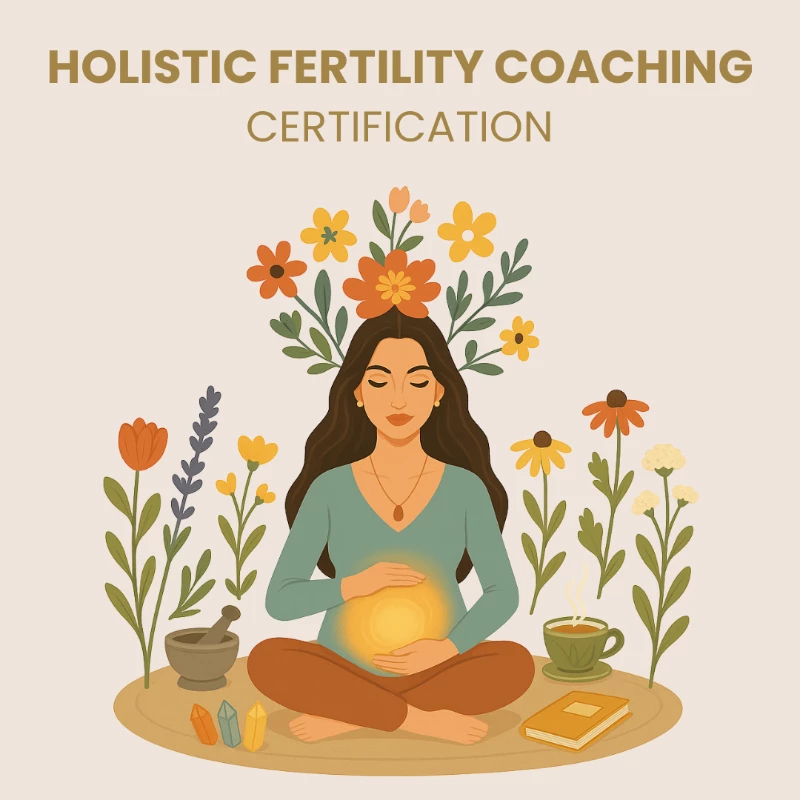
If you’re the friend people call when they’re navigating cycles, choices, or the emotional waves of trying to conceive, you’re already doing meaningful support work. Becoming a holistic fertility coach simply gives that care a clearer container—one grounded in ethics, traditional wisdom, and practical coaching skills.
Coaching can make a real difference in how supported someone feels. In assisted reproduction settings, an infertility coach can mitigate stress. In digital preconception programs, coaching is linked to higher engagement with supportive lifestyle routines.
That’s the heart of ethical fertility coaching: never promising outcomes you don’t control, while offering steady, skilled support for the parts you can influence—stress, clarity, consistency, and self-trust.
Key Takeaway: Ethical fertility coaching focuses on what you can genuinely influence—stress, decision clarity, and consistent supportive habits—without diagnosing, prescribing, or promising conception. Clear scope, referral pathways, and client-led session structure help protect agency while offering steady, practical support across TTC and assisted reproduction journeys.
Step 1: Define your real role as a fertility coach
Before you build an offer, define your lane. A fertility coach supports mindset, nervous system care, and day-to-day habits—helping clients organize information and make values-aligned choices without replacing licensed providers.
What a fertility coach actually does
Think of your role as a grounded guide: you make the journey less chaotic and more navigable. In assisted reproduction, coaching is associated with lower stress around key procedure days. In preconception programs, coaching supports engagement with healthy routines—because structure plus human support helps people follow through.
In practice, that often looks like:
- Co-creating doable routines for sleep, movement, and nourishment
- Teaching cycle awareness and body literacy so clients can notice patterns
- Sharing regulation tools (breath, grounding, gentle rituals) before big decisions
- Helping clients prepare questions for appointments and debrief afterward
- Tracking small wins and adjusting plans with compassion
What you are not
You don’t diagnose, prescribe, interpret tests, or promise conception. Your most dependable contributions are reduced stress and stronger engagement with supportive routines—and that’s more than enough to speak about with confidence.
Step 2: Use your personal story without turning it into a promise
Your lived experience—whether it includes loss, long waiting, or an unexpected timeline—can be a powerful source of empathy. The key is to share it as a bridge, not a guarantee.
Lived experience as a strength, not a guarantee
Use your story to show how you learned to self-advocate, steady your nervous system, and make aligned choices. Offer what helped you feel more resourced, then invite clients to explore what fits their body, values, and circumstances—rather than trying to replicate your path.
Three simple guardrails keep storytelling ethical:
- Speak in “I” and “we” statements: “Here’s what I tried and why it helped me.”
- Be explicit about individuality: “Your path may look different—and that’s welcome.”
- Name your scope: “I support clarity, stress reduction, and consistent habits.”
When you reference results, stay in your lane. Research suggests coaching can mitigate stress and support daily habit engagement. Those are meaningful, ethical outcomes to communicate—without implying control over conception.
Step 3: Build a holistic toolbox for fertility coaching
The strongest fertility coaching is both practical and deeply human. It weaves traditional wisdom and modern insight into a simple structure that helps clients feel calmer, better informed, and more consistent.
Blending traditional wisdom and modern insight
Across cultures, people have long used foodways, rhythm, ritual, and community to support fertility and well-being. A skilled coach can honor those threads while also using what we now know about behavior change and stress support. Coaching is associated with engagement in preconception programs and lower stress in assisted reproduction settings—two outcomes that pair beautifully with traditional, rhythm-based approaches.
Consider including:
- Cycle awareness and body literacy: Basal body temperature charting, cervical fluid observations, and cycle journaling—guided with respect for bodily rhythms.
- Nourishment from ancestral kitchens: Warm, digestible meals; mineral-rich broths; seed and spice traditions from your lineage—offered as invitations, not rules.
- Gentle ritual: Breath practices, gratitude, prayer, candle lighting, or nature time to mark cycles and transitions.
- Rest and rhythm: Wind-down routines, morning light, and movement that soothes rather than depletes.
- Information clarity: Helping clients organize notes, results they’ve been given, and questions for providers into a simple plan.
Nervous system care and gentle structure
Create a small menu of regulation tools you can teach quickly: 4–6 count breathing, orienting (name five things you see), hand-on-heart self-talk, and very light pelvic or hip mobility—always guided by comfort and consent. Put simply, small daily supports can uplift mental well-being during trying-to-conceive seasons.
Then wrap those tools in a weekly rhythm. Coaching is linked to consistent use of supportive behaviors—think of it like a lantern on a familiar path: the steps were always there, but the light helps people keep moving.
Step 4: Set your ethical boundaries and referral pathways
Ethical fertility coaching thrives inside clear boundaries. Decide what you do, what you don’t do, and who you’ll bring in when something is outside your scope.
Know your scope
Your core contributions are emotional steadiness, decision clarity, and sustainable habits. Coaching has been shown to reduce perceived stress, so keep your promises anchored there—strong, honest, and reliable.
Boundaries that protect everyone:
- No diagnosing, prescribing, or interpreting tests; support clients to bring questions to licensed providers instead.
- No guarantees or timeframes for conception; you promise support, not outcomes.
- Respect spiritual and cultural practices without appropriating; ask, don’t assume.
When and how to refer on
Create a referral list before you need it: licensed healthcare providers, mental health professionals, loss-support groups, pelvic specialists, nutrition experts, and community elders (for cultural rites where appropriate).
Refer out when you notice:
- Sharp pain, heavy bleeding, or sudden changes that need licensed evaluation
- Compounded grief, anxiety, or trauma responses needing therapeutic support
- Complex protocol questions, medication concerns, or test interpretation
A simple script helps: “This is beyond my role as your coach, and I want you well-supported. Here are two options I trust—would you like an intro?” Done well, coaching strengthens program adherence while keeping the wider support team in place.
Step 5: Structure sessions to lower stress and protect agency
Great sessions feel calm, clear, and client-led. A simple structure helps downshift the nervous system, clarify choices, and keep the client in the driver’s seat.
A session flow that centers the nervous system
Try this 50-minute flow:
- Arrival (5 minutes): one grounding breath, one-word check-in, consent for the agenda
- Focus (25 minutes): explore one challenge, identify one choice point, map 2–3 options
- Plan (10 minutes): choose one tiny step for the week; agree on how to track it
- Close (10 minutes): name a resource, set next-session focus, brief debrief on how the session felt
Structured conversations can meaningfully support the experience. Research links coaching to lower stress levels on key days—one of the most practical, ethical outcomes you can aim for.
Questions that keep clients in charge
Agency-protecting prompts:
- “What would feel 10% lighter this week?”
- “Which option aligns most with your values right now?”
- “What support would make that choice feel steadier?”
- “How will you know this step is helping?”
Clients also value coaching that helps them stay well-informed. Essentially, you’re helping translate complexity into next steps—without stepping into roles that belong to other professionals.
“The power of coaching” during fertility challenges is how one podcast host describes the shift that happens when people feel heard, informed, and supported.
You can hear that perspective explored in conversations about the power of coaching on fertility-focused podcasts.
Step 6: Talk about results honestly and market with integrity
Ethical marketing is simply ethical coaching—said clearly. Share outcomes you can consistently influence, and price in a way that reflects your scope and the value of steady support.
Promise support, not pregnancies
Anchor your messaging in results like stress support, clearer decisions, and better follow-through. Evidence suggests an infertility coach can mitigate stress, and coaching supports engagement with healthy routines. Those wins are tangible, felt, and ethical to communicate.
Guidelines for testimonials and case stories:
- Focus on the journey: “I felt calmer, more organized, and more confident in my choices.”
- Avoid medical specifics or implying you caused a particular outcome.
- Use clear disclaimers about individual experiences.
Pricing and packages that reflect your scope
Packages often work well because sustainable change takes time. Three-month containers with weekly or biweekly sessions, check-ins, and tailored resources can help clients build routines that hold.
Engagement can rise with coaching and dip when sessions stop—a pattern noted in programs centered on behavior change. Here’s why that matters: it’s a cue to build skills clients can carry forward, so support continues even after the container ends.
Step 7: Keep learning in both ancestral and modern frameworks
Fertility coaching is a living practice. The most trusted coaches keep deepening their skills through both community-held wisdom and evolving research, so their support stays grounded and current.
Honoring traditional fertility wisdom
Let your roots lead. Learn from elders and cultural practitioners with humility. Study foodways, bodywork traditions, seasonal living, and rites of passage from your lineage—or, when invited and appropriately trained, from the communities you serve. This is respect in action, not appropriation.
Alongside that, stay in conversation with modern findings. Coaching supports engagement in preconception settings, and infertility coaching is supported by published trials highlighting emotional regulation and decision clarity.
Designing your ethical CPD path
Map your continuing professional development with intention:
- Deepen core coaching skills: presence, consent, scope, and referral fluency
- Study body literacy and cycle tracking with cultural sensitivity
- Learn accessible nervous system tools and trauma-aware communication
- Build a network of mentors, peers, and culture-bearers for consultation
- Keep summaries of key research to inform client education
At Naturalistico, learning is designed to respect both ancestral wisdom and evolving evidence, pairing certification-level study with practical tools for real client work. Growth isn’t a one-off course—it’s an ongoing, supported evolution of your practice and your community impact.
Conclusion: Putting ethical fertility coaching into practice every day
Becoming a fertility coach isn’t about collecting titles. It’s about showing up—calm, clear, and ethical—for people in a tender chapter of life. Your lane is powerful: steadying the nervous system, clarifying choices, and building habits that hold.
Across studies, the most consistent outcomes of fertility-focused coaching are reduced stress and improved engagement with supportive behaviors—especially when coaching is integrated into assisted reproduction and preconception programs.
“The infertility coach program demonstrated the ability to decrease the perceived stress related to infertility.”
Hold that as your north star: meaningful support you can offer with integrity. And don’t underestimate the everyday anchors—rituals, grounding practices, and gentle inspiration can uplift mental well-being along the way.
Choose one next step today: write your scope, sketch a three-session flow, or build a simple referral list.
Train in Fertility Coaching
Build ethical scope, client-led structure, and holistic support skills in the Fertility Coach Certification.
Explore the Certification →