To become a naturopath legally in 2026, the first step is choosing a path that matches the rules where you live: either a regulated ND-level route with formal education and examinations, or a holistic coaching/practitioner route focused on education, lifestyle, and traditional approaches with a clearly defined non-medical scope. Both can honour ancestral wisdom—the difference is your legal authority, title use, and responsibility.
Key Takeaway: Legal practice in 2026 starts with matching your training and title to local rules: pursue the regulated ND route where licensure exists, or build a scope-clear holistic coaching/practitioner practice focused on education and lifestyle. Either way, clear boundaries, ethics, and jurisdiction-specific compliance shape what you can offer.
Step 1: Understand what “naturopath” means where you live
Start by getting crystal clear on what the word “naturopath” means legally in your region. The same title can signal a regulated ND-level role in one place and a holistic coach or traditional practitioner in another.
In North America, ND-level recognition is linked to in-residence graduate programs accredited by the Council on Naturopathic Medical Education (CNME). These programs include at least 4,100 hours, including supervised client experience. They are in-person programs, and fully online degrees don’t qualify graduates for ND-level recognition in U.S. or Canadian jurisdictions.
Many U.S. jurisdictions set education and examination requirements tied to legally reserved titles; ND-style abbreviations are often protected titles. Within the field, there are increasingly clear regulated pathways where recognition is outlined step by step.
Outside ND-specific frameworks, many practitioners work through education and coaching models rooted in lifestyle and traditional practice. Because rules vary worldwide, it’s wise to verify titles, training expectations, and what’s permitted before committing to a route.
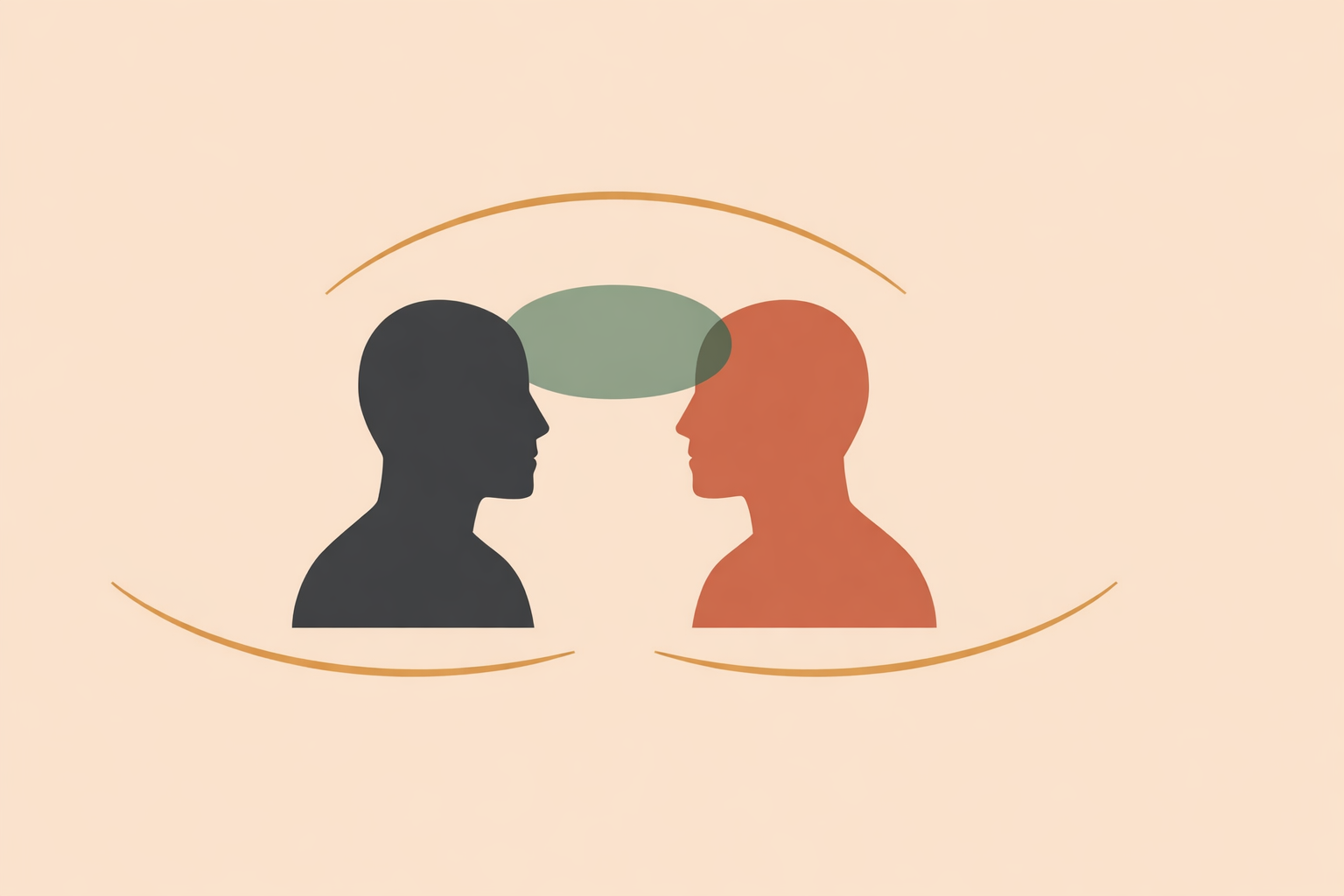
Regulated ND titles vs holistic naturopathy roles
Put simply: ND-level roles are exam-based and standardized; holistic naturopathy roles are coaching-oriented and education-centered. The day-to-day work can look similar in spirit—supporting well-being through nature-based living—but the legal boundaries are very different.
Across regions, many practitioners still share a shared core: lifestyle guidance, practical education, and a whole-person view shaped by culture and tradition. As one wellness writer put it, naturopathic approaches can enhance your outlook and improve coping—an important reminder that the work often begins with habits, mindset, and consistent practice.
Step 2: Choose between the regulated ND path and holistic coaching/practitioner path
Next, choose the route that fits your values, timeline, and the responsibility you want to carry. In 2026, that usually means one of two directions: a regulated ND-level route, or a holistic coaching/practitioner route grounded in education and traditional skills.
If you feel drawn to an ND-level role, expect a multi-year commitment with structured requirements. Entry often involves a prior bachelor’s degree and science prerequisites. Applications commonly include transcripts, essays, recommendations, and application steps like interviews. This education is built around standardized expectations for regulated practice environments.
The holistic coaching/practitioner path is usually more flexible and can be built in stages. It centers on client education, lifestyle change, and traditional practice—herbal knowledge, hydrotherapy, breath and movement, seasonal living—while staying within a clear non-medical scope. Field guides describe multiple viable routes into this work; what matters most is choosing the route that matches the scope you intend to hold.
Two very different commitments and responsibilities
If you’re deciding, it helps to sit with a few grounding questions:
- Am I ready for years of intensive study, standardized exams, and jurisdiction-specific recognition (ND-level)?
- Or do I want to begin serving sooner as a holistic coach/practitioner, focusing on education, lifestyle, and traditional supports within a clearly defined, non-clinical scope?
- Do I thrive in a more formal, regulated structure—or in a practice rooted in teaching, habit change, and nature-based guidance?
“Those who think they have not time for bodily exercise will sooner or later have to find time for illness.” — Edward Stanley
For many practitioners, that translates into a simple aim: choose the path that lets you help people move, breathe, and live closer to nature—consistently and ethically.
Step 3: If you choose the ND route, map the education, exams, and recognition steps
The ND-level route follows a defined sequence: prerequisites, CNME-accredited study, board exams, and jurisdiction-specific recognition, sometimes followed by residency-style mentorship. If this is your path, map it early so each milestone builds momentum.
First, complete prerequisites and apply to an in-residence CNME-accredited program. These four-year graduate programs include at least 4,100 hours across foundational sciences, nutrition, botanical approaches, counseling, and supervised client experience. Training typically includes supervised hours working with clients, gradually taking more responsibility for intakes, planning, and follow-ups.
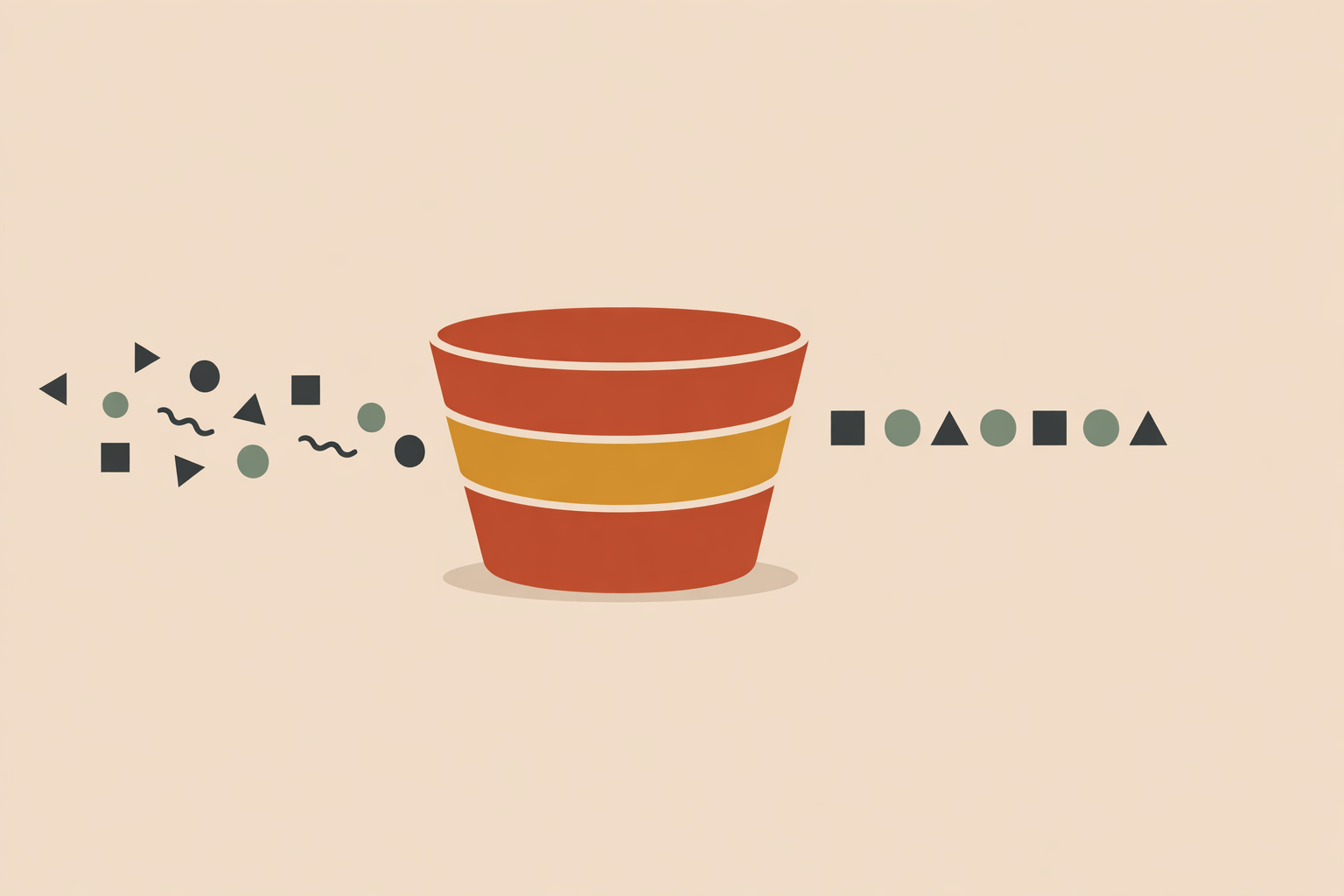
From prerequisites to CNME-accredited study
Alongside coursework, build the personal habits that make traditional practice effective: reflective journaling, embodied practice (breathwork, movement), and careful note-keeping. Essentially, these are the tools that help you translate principles into real-life routines—your own and your clients’.
Once you’re in clinic shifts, treat them like apprenticeship. Watching skilled mentors listen well, pace change gently, and weave nature’s rhythms into daily routines is where traditional knowledge becomes lived, practical skill.
From graduation to board exams and residency
Near graduation, students typically sit board exams overseen by the North American Board of Naturopathic Examiners, following the NPLEX sequence. In many jurisdictions, passing is an exam requirement for recognition.
Some graduates pursue structured post-graduate mentorships described as residency options. While not universal, many practitioners value this period for strengthening judgment, communication, and real-world pacing.
Finally, organize the administrative steps: documents, timelines, fees, and any local jurisprudence requirements. At the same time, build the practice culture you want to be known for—transparent consent, respectful collaboration, and ongoing learning.
Step 4: If you choose the coaching/practitioner route, design a training plan that fits your scope
If you’re taking the holistic coaching/practitioner route, build your education around client-centered coaching, lifestyle change, and traditional skills—and define your scope in writing. This lets you begin ethically, grow steadily, and stay aligned with local expectations.
Think of it like building a strong house: foundations first, then the rooms you want to specialize in. Foundations include coaching skills, nutrition fundamentals, sleep and stress support, movement basics, and ethical practice operations. Many people seek naturopathic guidance for day-to-day habits, so your gift is often translating tradition into doable weekly steps.
Foundations first, then areas of emphasis
A staged plan keeps things realistic and sustainable:
- Core foundations: coaching skills, consent and boundaries, scope statements, session structure, documentation, cultural humility, and practical nutrition and lifestyle support.
- Traditional skills: herbal allies for daily life, food-as-practice, hydrotherapy basics, breath and movement, nature exposure, and seasonal living—grounded in lineages you’ve studied and credit with care, including hydrotherapy traditions.
- Specialization: choose an area that suits your strengths—digestive well-being, stress resilience, perinatal support, workplace vitality—always within a non-medical coaching scope.
To turn training into confident practice, outline your first three sessions: goals and patterns, core routines, then adjustments based on what real life reveals. Keep it simple and consistent—sleep rhythms, meal timing, gentle movement, breath cues, basic hydrotherapy, and a few kitchen herbs. Traditional practice often shines in small daily rituals that people can actually keep.
Honouring traditional wisdom with evidence-informed learning
In a traditional framework, ancestral knowledge isn’t “nice to have”—it’s a living body of skill refined over generations. When Western research is available, you can weave it in; when it isn’t, you can still stand confidently on lineage, practitioner experience, and careful client feedback loops. What this means is: keep outcomes practical and client-defined, like “steadier energy,” “more regular digestion,” or “better sleep rhythm.”
That integrity is protected by clear boundaries. A simple scope note might say: “I provide education and coaching in lifestyle and traditional practices for well-being. I do not diagnose, prescribe, or replace professional healthcare. I collaborate and refer when needs exceed my scope.” Place it on your website, in your intake, and in your consent process.
Many holistic practitioners find this structure keeps everything clean and workable:
- Scope and ethics: written scope statement; informed consent; privacy practices; culturally respectful language; referral list for red-flag situations.
- Practice structure: session frameworks; note templates; goal-tracking; outcomes defined in client language.
- Education stack: continuing professional development recognized by reputable bodies; mentorship circles; case studies; supervised feedback when possible.
- Community and culture: group classes, nature walks, and seasonal challenges—reflecting the long-held belief that shared practice and connection can be deeply supportive.
If you’re building a modern practice, platforms that combine continuing development with real-world tools—client notes, templates, and community—can make it easier to translate learning into daily client outcomes. At Naturalistico, for example, we align offerings with recognition standards such as IPHM, CMA, and CPD where appropriate to your goals and region, while supporting both practitioner growth and day-to-day client work.
Before you market your services, set yourself up to stay legal by design:
- Title clarity: use only titles permitted where you live. If ND-style titles are protected, avoid them and choose alternatives while keeping your scope explicit; many regions outline rules around ND-style titles.
- Disclosures: scope statement, informed consent, and referral policy visible on your website and intake forms.
- Documentation: secure notes; clear goals and progress tracking; privacy practices suited to your region.
- Referrals: a current list of local and virtual professionals for needs outside your scope, with collaboration only by client permission.
- Marketing integrity: make claims you can stand behind—grounded in tradition, client-defined outcomes, and evidence where available. Avoid disease language or promises.
Whether you choose the ND-level road or the holistic coaching path, the steady center is the same: respect for nature, respect for the person in front of you, and respect for scope. Keep learning, keep practicing, and let your integrity show up in the small details—session by session.
Explore Naturopathy Certification
Build a scope-clear, client-centered practice with Naturalistico’s Naturopathy Certification.
Explore Naturopathy Certification →