Becoming an autism coach begins with how you hold responsibility. Clear ethics and grounded boundaries turn good intentions into a steady, trust-building practice—where people know what to expect and feel respected from day one.
Key Takeaway: Ethical autism coaching is built on a neurodiversity-affirming mindset, clear scope, and consent-led boundaries that protect autonomy and trust. When agreements, privacy, and collaboration with families and communities are explicit and accessible, coaching becomes a steady partnership that supports real-life capacity without slipping into clinical or compliance-based roles.
Step 1: Adopt a Neurodiversity-Affirming Coaching Mindset
The first step isn’t a technique—it’s a lens. A neurodiversity-affirming mindset recognizes autism as a valid way of being, supports authenticity, and builds sustainable momentum by working with the person’s real needs and rhythms.
From fixing to partnering. It’s natural to want to “help,” but the most respectful support looks like partnership: learning how someone’s nervous system and communication style work, then co-creating goals that genuinely fit their life. Autistic-led reflections on unmasking frame support as liberation—aligning outer life with inner needs rather than demanding performance.
“Autism isn’t something that needs to be cured; it’s more of a difference to be worked with.” – Vernon Smith
The Vernon Smith quote captures the shift: from correction to collaboration. When people can be themselves—sensory needs included—they often have more capacity for learning, self-advocacy, and joy.
Weaving ancestral community wisdom into modern coaching. Across many traditional cultures, support was never meant to be carried by one person alone—elders, kin, neighbors, and community rhythms all played a role. That communal approach fits beautifully with what we now recognize about social connectedness supporting well-being across the lifespan.
“It takes a child with autism to raise the consciousness of the village.” – Elaine Hall
The Elaine Hall quote is an invitation to build circles of support, not funnels of compliance. In practice, this can mean drawing respectfully from your own lineage—predictable rhythms, rituals of welcome, shared meals—while integrating autistic-led guidance on unmasking, consent, and access. Think of it like weaving: tradition provides the strong threads, and modern insights help you pattern them to the person in front of you.
Step 2: Define Your Role and Scope as an Autism Coach
Clarity protects everyone. When you explain your role in plain language—what you offer, what you don’t, and how you collaborate—you create steadiness and prevent avoidable confusion.
Know what an autism coach is—and is not. Strong ethics education consistently emphasizes explicit role boundaries. State your focus (life skills, communication, advocacy), your methods (coaching conversations, modeling, environmental adjustments), and your limits (no clinical assessment, no medical advice).
When roles overlap, systems can develop ethical tensions. Put simply: a clear scope keeps the work person-centered instead of system-driven.
“Don’t think there’s a different, better child hiding behind autism… Love the child in front of you.” – Claire LaZebnik
The LaZebnik quote offers a practical test for scope: if an approach tries to replace the person instead of supporting them, it’s time to recalibrate.
Stay within your competence and refer well. Ethical guidance is consistent: work within competence, and build referral relationships for needs outside your lane—legal rights, complex school navigation, housing advocacy, mental health concerns, or AAC device setup. Many autism advocates also emphasize a crucial reframe: inclusion often means changing environments and expectations, not reshaping autistic people to fit inflexible norms.
When your role is transparent, collaboration tends to get easier with families, schools, and other supporters—because you don’t promise what you can’t ethically deliver.
Step 3: Build Clear Coaching Agreements, Consent & Confidentiality
Trust starts before the first session. Clear agreements, transparent consent, and respectful privacy practices create a dependable container—especially helpful for anyone who benefits from predictability.
Service agreements that center the autistic person. Offer a written agreement covering focus areas, communication methods, timeframes, scheduling, fees, and limits of confidentiality. Keep it simple (and visual, if useful), and review it with the autistic person present—even when a caregiver handles payment—because shared decision-making tends to build trust and reduce distress.
Privacy should be explicit, not assumed. Autistic-led guidance on privacy and sharing reinforces the principle that people deserve control over who knows what about them and why. Consent also works best as a daily habit; modeling everyday consent makes choice feel normal rather than exceptional.
“You can’t get good at making choices if you never get to practice them.” – Patrick Dwyer
The Patrick Dwyer quote belongs in every coach’s toolkit: choice-making isn’t a lecture—it’s a repeated experience.
Practicing consent and privacy every session.
- Agenda preview: “Here’s what I propose for today. What would you keep, change, or skip?”
- Clear opt-outs: “If anything feels off, say ‘pause,’ and we’ll switch gears—no explanations needed.”
- Information flow: “I’ll only share updates with your family/teacher if you say yes. We can co-write those updates together.”
- Capacity check: “Is today a ‘low-demand’ or ‘high-demand’ day for you? We can adjust.”
These small rituals are where professionalism lives—right in the spirit of strong ethics and boundaries.
Step 4: Communicate Boundaries in Accessible, Autistic-Friendly Ways
Boundaries work best when they’re understandable, predictable, and shared. Clear language, visuals, and routines reduce cognitive load and make choice easier to access in real time.
Use clear language, visuals, and routines. Many autistic people feel safer when expectations are consistent and visible; practical guidance notes that clear rules and routines can increase predictability and confidence.
Visual supports—timers, checklists, pictorial cues—make boundaries tangible. Many practitioners recommend visual supports to show what’s happening now, what’s next, and what choices exist.
Preview changes before they happen. Tools like visual schedules and advance warnings are commonly used to support transitions and time limits. Here’s why that matters: when the boundary is clear, consent becomes real—you can keep it, negotiate it, or pause it together.
Co-create safety through predictability and choice. If demands easily overwhelm the nervous system, small shifts—more choice, fewer non-essential demands, better preparation—can protect connection. The National Autistic Society notes that offering choices and reducing pressure can support demand avoidance. AIDE Canada also emphasizes collaboration and low-pressure communication to maintain relationships while respecting limits.
“Find out what weirdness they excel at and encourage them to do that. Then get out of the way.” – Seth Godin
The Seth Godin quote is a helpful boundary compass: the coach shapes the container, and the person shapes the path.
Simple tools you can use tomorrow
- Two-column plan: “Coach responsibilities” and “Client choices,” printed or shared digitally for each session.
- Stoplight cards: Green = yes/continue, Yellow = slow/change, Red = pause/stop—usable at any time, no questions asked.
- Timeboxing: “10 minutes for planning, 15 minutes for practice, 5 minutes for debrief,” displayed with a visual timer.
- Transition preview: “In five minutes we’ll shift. Do you want a two-minute warning too?”
Step 5: Support Unmasking, Autonomy & Consent Safely
Authenticity should feel like an exhale, not exposure. Support unmasking as a gradual, consent-led process—paced to the person’s capacity and protected by clear boundaries.
Honor authenticity without forcing disclosure. Autistic-led writing describes unmasking as aligning outer behavior with inner needs and values, over time. Your role is to widen permission, not rush the timeline. Sensory tools, stims, AAC, and scripts can be respected as practical wisdom—supports that help someone show up as themselves.
Self-advocacy also needs plain language and repetition. Guidance for self-advocates on bodily autonomy reinforces a foundational message: the right to say no belongs in every coaching relationship, at every age.
For younger clients, resources on teaching assent emphasize that regularly asking for—and honoring—a “no” builds the future muscles of consent and boundaries.
Use low-demand, autonomy-supportive approaches. For PDA-style demand avoidance, or anyone whose nervous system experiences demands as threat, restoring agency can be transformative. Practitioners describe low-demand strategies as collaboration-first: reduce non-essential demands and co-design priorities. Reframing Autism also highlights that refusals often reflect anxiety and loss of control rather than defiance—so flexibility protects connection.
“Without opportunities to make our own choices, we cannot grow into our full selves.” – Patrick Dwyer
The Dwyer quote puts a fine point on it: autonomy isn’t a “nice to have”—it’s the pathway.
A practical unmasking plan
- Safety map: Identify green (comfortable), yellow (stretch), and red (overload) contexts; choose one yellow context to experiment with each month.
- Consent cues: Agree on a signal for “not today” and another for “I’m ready to try.” Respect them every time.
- Micro-permissions: Add one authenticity-friendly practice per week—e.g., headphones in sessions, movement breaks, scripts for introductions, or “camera off” options online.
- Aftercare: Close challenging sessions with regulation and debrief; ask, “What helped? What should we change next time?”
Step 6: Weave Family, Culture & Community Into an Ethical Coaching Path
Coaching happens in ecosystems. When families, schools, and communities are thoughtfully included—while the autistic person’s voice stays central—changes made in sessions are more likely to hold in daily life.
Set boundaries with families and schools. Collaboration works best when everyone feels heard and expectations are specific. If emotions run high, professional guidance on de-escalation can help keep conversations respectful and productive. It also helps to anchor decisions in the person’s preferences, with reminders about protecting dignity as the non-negotiable baseline.
For demand-related challenges, it’s often best approached as a shared design problem. The National Autistic Society emphasizes adapting expectations to reduce distress around demand avoidance—for example, flexible deadlines, quiet spaces, and consent-based participation in gatherings.
Honor cultural context while centering the autistic person. Culture shapes how needs are expressed, how boundaries are set, and what support feels safe. Ask about family traditions, community roles, and spiritual practices that help the person feel rooted. If the client wants it, invite elders or trusted allies into select sessions to co-design rhythms or rituals that mark growth—a strengths circle, a milestone meal, a shared craft—always by invitation, and without appropriation.
Autistic adults may also want support setting limits with loved ones. Guidance for autistic people on personal boundaries reinforces that boundaries around time, sensory input, and social contact are valid well-being practices.
When multiple supporters are involved, aligning on clear codes of conduct and responsibilities can reduce role confusion and better safeguard autonomy.
“It takes a whole community.” – Kerry Magro
The Kerry Magro quote lands because it’s true: ethical autism coaching is village work—steady, kind, and shared.
Ethical Autism Coaching in Practice: A Quick Checklist
- Consent map: Who is in the loop, about what, and how often? Co-create with the autistic person.
- One-page plan: Goals, supports, sensory needs, and communication preferences—shared only with explicit permission.
- Role clarity: Who handles schedules, transportation, advocacy letters, and environmental adjustments?
- Feedback rhythm: Short, regular check-ins with family/school (if desired), guided by the person’s priorities.
- Cultural anchors: By invitation only, integrate at least one grounding tradition or practice from the client’s culture or community.
Ethics and boundaries aren’t red tape—they’re the trellis that lets real growth climb. Lead with dignity, practice consent, communicate plainly, and keep learning from autistic voices and community wisdom. Save the biggest cautions for one simple rule: stay in scope, and refer out when something belongs in another lane.
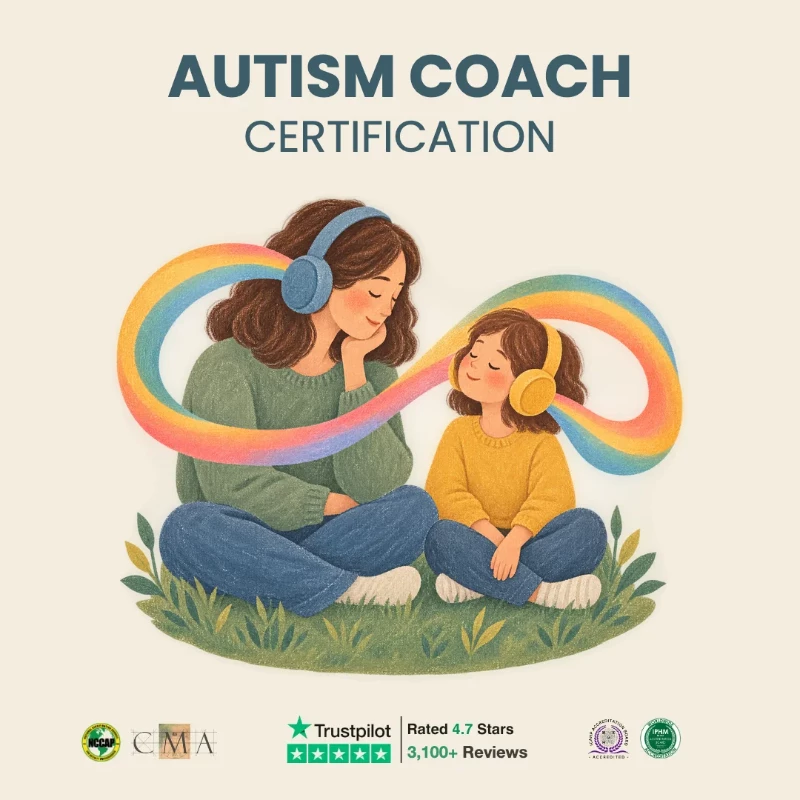
Explore Autism Coach Certification
Build ethical, neurodiversity-affirming coaching skills with Naturalistico’s Autism Coach Certification.
Explore Autism Coach →