Many coaches recognize the same moment: a learner nods through a clear explanation, then freezes when they face the page alone the next day. You slow down, explain again, switch tools—yet reading still takes enormous effort instead of becoming automatic. Working memory carries the load while body memory barely gets invited in, and motivation dips with it. When that pattern shows up, it’s rarely about trying harder; it’s about teaching through a channel that doesn’t match how reading skills “stick.”
Multisensory instruction offers the missing backbone. When eyes, ears, voice, and hands work together inside a structured literacy sequence, it supports letter–sound mapping, strengthens attention, and improves retention between sessions. This isn’t about making sessions “busier.” It’s about building accuracy, fluency, and confidence through a method that matches how humans learn—through repeated, embodied experience.
Key Takeaway: Multisensory coaching helps reading skills become automatic by pairing structured, cumulative instruction with coordinated seeing, saying, and movement-based practice. When learners trace, build, tap, read, and write within a clear sequence, letter–sound connections strengthen, attention improves, and progress holds between sessions.
Multisensory foundations: VAKT, Orton–Gillingham, and ancestral learning
VAKT (visual, auditory, kinesthetic‑tactile) is “show it, say it, feel it, do it”—with clear purpose and repetition. Orton–Gillingham and structured literacy offer a modern sequence, and that sequence harmonizes beautifully with older human learning traditions built on rhythm, repetition, and movement.
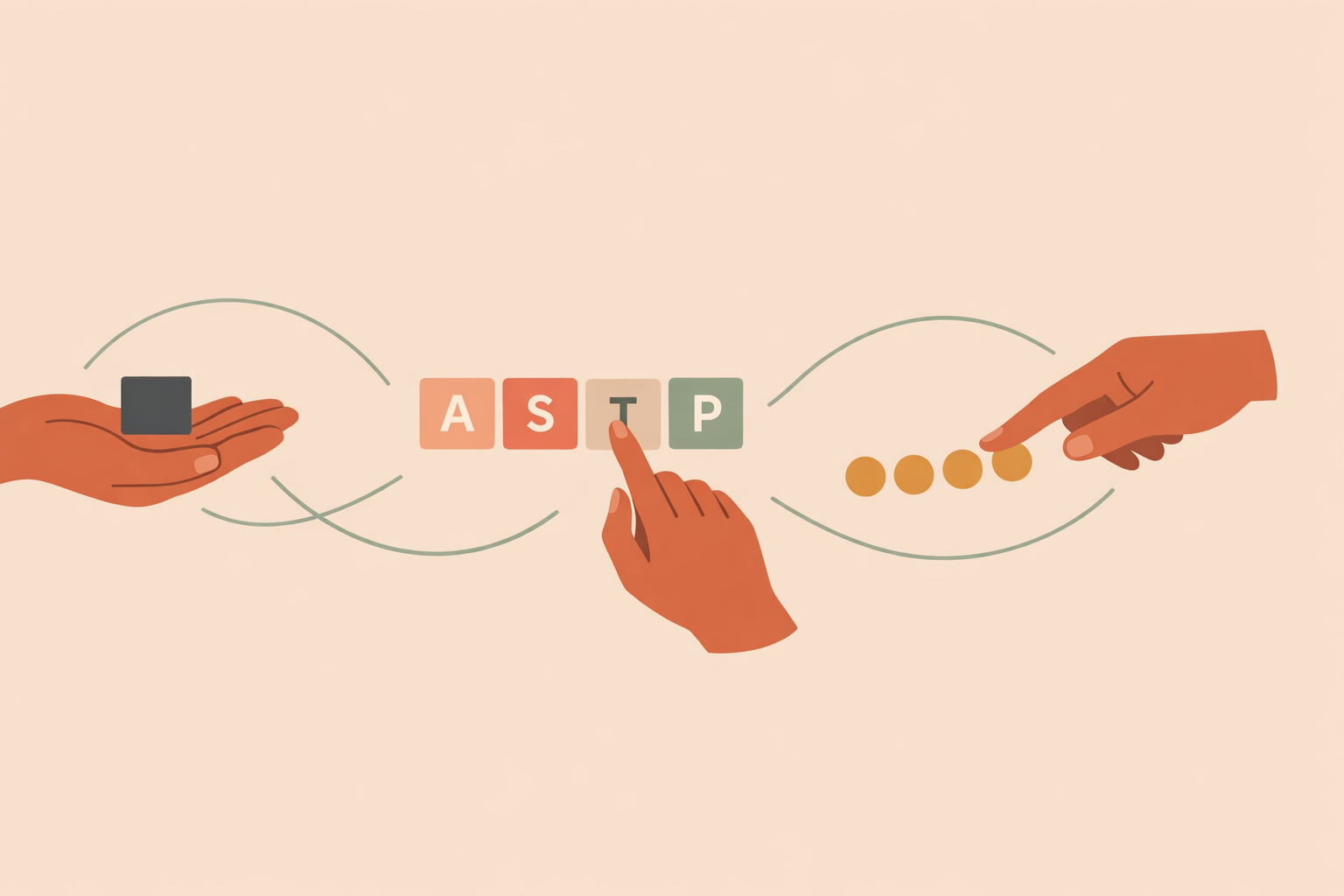
VAKT in plain language. Each micro‑step pairs senses: eyes on the letters, voice on the sound, hands tracing or building. That coordinated loop supports simultaneous VAKT. The approach is explicit and cumulative—skills are taught on purpose, practiced, and revisited until they’re dependable.
From Orton–Gillingham to traditional oral and movement‑based teaching. Orton–Gillingham formalized what many skilled teachers discovered through practice: teach one pattern clearly, link letter to sound, then build step by step. Structured literacy keeps that spine—direct, diagnostic, cumulative, multisensory instruction grounded in language and supported by cognitive and neurological foundations.
Long before modern frameworks, cultures worldwide used call‑and‑response, song, patterned movement, and hands‑on apprenticeship to pass on complex skills. Adding sandpaper letters or syllable tapping is not a gimmick; it’s a respectful continuation of time-tested learning principles, used with care for context and cultural roots. Reviews suggest multisensory combinations can support decoding and retention more than relying on a single channel.
“Dyslexia — in the best of cases — forces you to develop skills that might otherwise have lain dormant.” — Malcolm Gladwell
That lens—recognizing the ingenuity dyslexia can force you to cultivate—supports coaching that is both rigorous and deeply respectful.
Designing a multisensory coaching path, not just a box of activities
Strong coaching feels like a path you can follow, not a stack of disconnected activities. The magic isn’t in the “stuff”; it’s in a structured, diagnostic, cumulative plan that stays personal and moves at the learner’s pace.
From one‑off tricks to a structured, cumulative plan. Start by noticing how the learner processes language—what they hear accurately, what they confuse, what their hands reveal when they write. Diagnostic teaching means you adjust based on real-time observation and build toward mastery using diagnostic teaching. Simple screeners plus careful observation help you choose the right starting point using screening tools.
Then make practice visible. Brief, kind check-ins help you see growth and decide when to review or move forward with progress monitoring. And plan for repetition from the start. As one practitioner reminds us, “Students with dyslexia may need more repeated exposures and practice than other students.” Those returns help skills settle, supporting maintenance over time.
Organize your sequence around the core strands—phonemic awareness, phonics, fluency, vocabulary, comprehension—and add VAKT actions throughout those strands in a cumulative order core strands. Systematic, explicit instruction is consistently emphasized in literacy research, including a widely cited estimate that strong instruction can reduce struggling readers to less than 6% of the population.
A practical planning sketch.
- Map the present: quick phonological checks, decoding inventory, writing sample.
- Choose a starting point: 1–2 target patterns within reach (e.g., short‑a CVC, then digraphs).
- Design the VAKT loop: see it, say it, trace/build it, write it, read it in a sentence.
- Set “proofs”: one‑minute reads, dictation lines, and a simple self‑rating.
- Layer forward: review past skills, introduce one new step, apply in meaningful text.
- Record and reflect: note responses and plan next week’s micro‑adjustments.
Your first multisensory coaching session: a complete walk‑through
A first session sets the tone: calm, paced, and fully multisensory from the start. The learner should leave feeling, “I know what we did, and I can do it again.”
Opening with grounding and quick review. Begin with a simple settling ritual—two easy breaths and a shared intention. Then let the learner handle familiar letter tiles or a personal alphabet card. It’s a small tactile cue that says: this is hands-on, and you’re safe to try.
Review one or two known patterns in motion: trace letters on a textured card while voicing sounds, then blend a few CVC words the learner can succeed with. Keep it short and successful. If pressure rises, protect the learning climate with Erin Brockovich’s reminder: “You can’t learn anything under pressure.” Reset the pace and return to under pressure as your guiding standard.
Core multisensory cycle: teach, practice, apply. Introduce one new pattern—say the digraph “sh.”
- Teach (2–4 minutes): Show the grapheme on a clean card. The learner traces “s” then “h” while voicing /sh/. Add a simple sensory anchor (“quiet air” at the lips). This kind of active engagement helps learning settle faster.
- Practice (8–10 minutes): Build a few words with tiles (ship, shop, cash). Tap syllables when longer words appear. Simple routines like air writing make language concrete. Multisensory literacy has also been associated with changes that support new pathways for processing written and spoken language.
- Apply (6–8 minutes): Read a short sentence set rich in “sh” (picture cues if helpful). Circle each “sh.” Finish with two dictation lines: one word, one short sentence. Keep visual anchors available as visual supports for working memory.
Close with a clear wins recap and one learner-named strategy: “Today you built five ‘sh’ words and read two new sentences. What helped most—tracing, tiles, or tapping?” That reflection supports consolidation and confidence.
None of this requires fancy materials. Cards, tiles, and a notebook—plus time-tested routines like tracing, clapping, and tapping—have stood the test of time for good reason.
Deepening the work: review, feedback loops, and tracking real progress
Once the foundation is set, progress becomes a steady rhythm: revisit, layer, apply, and document. Cumulative review and respectful feedback make skills last.
Cumulative review and useful data. Spiral review is non-negotiable: yesterday’s pattern returns in today’s warm-up. That repetition supports long‑term retention. Keep tracking simple and human: a one‑minute read, a short dictation, and a quick self‑rating (“easy / medium / still tricky”).
Plan for many supported repetitions. Multisensory coaching often happens in intensive settings, where you can prioritize accuracy first, then fluency. Bring movement in daily—tapping, tracing, writing—because movement supports links between spoken and written language.
Adjusting in real time with diagnostic teaching. When a learner stalls, step back one rung and rebuild with the VAKT loop: see, say, trace, build, write. Syllable tapping and handwriting during dictation remain reliable levers and have been associated with neuroplastic changes in language networks. Many learners simply require more repetitions to reach automaticity—multisensory routines can support those extra exposures without making sessions feel punitive.
“Perseverance is failing 19 times and succeeding the 20th.” — often attributed to Keira Knightley
That long-view mindset matters. It helps you normalize the process and keep perseverance in the room when progress is quiet but real.
Multisensory coaching for teens and adults with dyslexia
Older learners deserve coaching that respects their age, time, and strengths. The goal is practical: literacy growth that translates into daily life—without talking down to anyone.
Respecting adult realities and strengths. A thorough intake clarifies goals (credentials, workplace reading, confidence), strengths (verbal reasoning, visual-spatial thinking), and friction points (phonology, spelling, planning). Effective coaching often combines multisensory literacy work with practical planning and reframing adult blending. Thoughtful tech choices and respectful personalization can help build durable progress.
Many adults also navigate attention differences. Multisensory input can support a wide range of profiles by distributing cognitive load across channels multisensory input. As one advocate notes, “You can be extremely bright and still have dyslexia… When you know how you learn, you can overcome a lot of the obstacles,” which points straight toward strategy and extremely bright futures.
When dyslexia overlaps with ADHD, pairing structured literacy with executive-function support can be especially effective. Programs that integrate multisensory reading instruction with planning and self‑monitoring have shown benefits for overlapping profiles.
Blending literacy growth with executive function support.
- Right‑sized lessons: 30–45 minutes of focused VAKT work, then a brief “apply to life” task (email, form, text message).
- Strategy scripting: short prompts the learner can reuse (“spot digraphs first,” “tap syllables before reading aloud”).
- Tools that travel: text‑to‑speech, dictation, and a personal notes file of high‑frequency patterns personalization.
- Time scaffolds: calendar blocks, tiny habit design, and simple visual trackers that make momentum visible.
“We just see things differently, so that’s an advantage.”
When coaching names those differences with respect and skill, it can strengthen identity and strategy use—an advantage that often changes the whole tone of learning.
Tools, technology, and family support around your multisensory sessions
Tools are most helpful when they extend practice between sessions, not when they replace presence and relationship. Supporters at home and school help learning travel into real life.
Choosing tools that extend, not replace, your presence. Assistive technology can reduce friction while you build core skills—especially when paired with multisensory routines assistive tools. A learner might listen to a text (ears) while tracking with a highlighter (eyes, hands), then record a short retell (voice). Simple anchor cards and manipulatives can continue as memory supports between sessions.
A light “environment kit” goes a long way: textured tracing cards, a small whiteboard, letter tiles, and a reading window (an index-card frame). The message is: practice can happen in minutes, and it can still be high-quality.
Bringing in families and other supporters as allies. Offer caregivers two or three simple practices that fit daily routines: trace-and-say on a grocery list, tap syllables while cooking, clap the rhythm of a short poem. Collaboration with educators on flexible classroom supports can reinforce skills, including classroom elements like movement-based spelling and choral reading. A brief monthly update—“what’s working right now”—helps everyone stay aligned.
Stephen J. Cannell encouraged families to “create victories” in music, sports, art—anywhere confidence blooms—so learners don’t quit on themselves before the reading journey fully turns.
Those intentional moments can protect hope and sustain effort—helping create victories while literacy skills catch up.
Bringing it together: start small, stay responsive, honour the learner
Multisensory coaching isn’t about elaborate materials. It’s a steady stance: see it, say it, feel it, do it—consistently and kindly. Start with one pattern, add one embodied action, and keep the teach–practice–apply–review cycle predictable. Track progress with both simple measures and the learner’s growing ease with the page.
Let traditional wisdom guide the tone—rhythm, repetition, call‑and‑response—and let structured literacy guide the sequence. When you listen closely to what the learner’s eyes, voice, and hands are telling you and adjust in the moment, you’re practicing coaching with integrity and clear scope.
Master Multisensory Dyslexia Coaching
Build structured, multisensory sessions with confidence in the Dyslexia Coach Certification.
Explore Dyslexia Coach Certification →