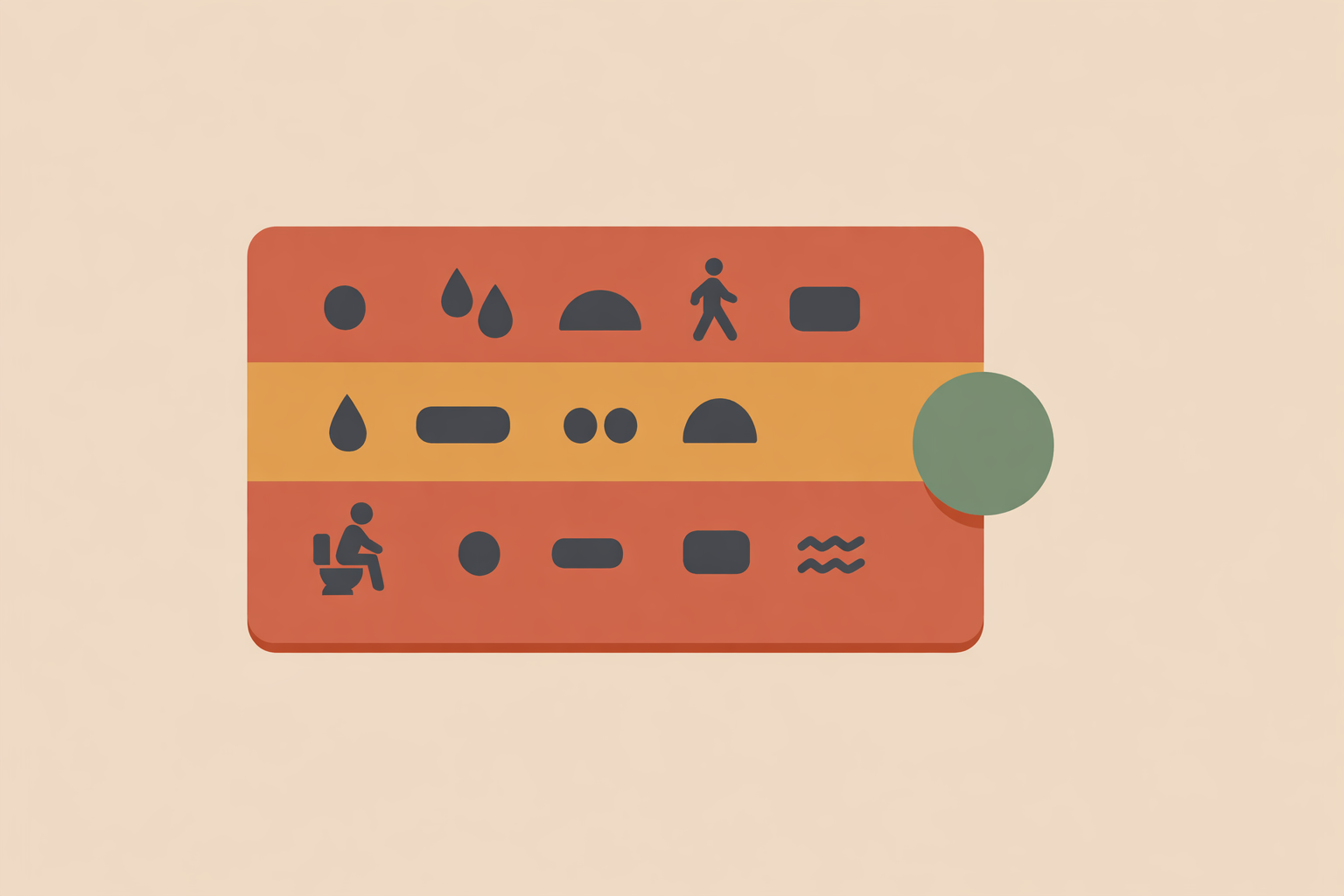
Constipation quickly exposes the limits of one-off advice. A client may arrive with years of irregular bowel habits, a shelf full of powders and products, and a growing sense that nothing really changes. Meanwhile, the real drivers—hydration rhythm, fiber mix, movement, stress load, sleep, toilet posture, and outlet coordination—sit scattered across the story. A mapped approach brings those pieces into view so support can become clearer, more consistent, and easier to adjust over time.
Key Takeaway: Constipation support works best when you map the whole pattern and phase changes rather than offering isolated tips. Track stool form, timing, straining, hydration, fiber sources, movement, stress, and posture—then strengthen foundations before layering targeted foods or tools, and adapt early if an outlet pattern is likely.
Step 1: Map the constipation story before offering solutions
Begin by making the pattern visible. The goal is simple, repeatable observations you can return to later—so changes aren’t based on guesswork.
Gather the basics:
- bowel movement frequency each week
- stool consistency
- time spent on the toilet
- straining or urgency
- sense of complete or incomplete emptying
Then widen the lens: hydration rhythm, fiber sources, movement, meal timing, stress, sleep, delayed urges, privacy, and toilet setup. Seemingly small details—like a rushed morning or awkward posture—can be surprisingly influential.
Document what they’ve already tried (powders, herbal supports, magnesium, stimulants, softeners, probiotics, food routines) and how they responded. This history often reveals patterns, plus understandable worries about bloating, “dependence,” or feeling let down again.
If there is blood in stool, unexplained weight loss, persistent severe pain, fever, or a sudden major change in bowel habits, pause experiments and encourage prompt review with a licensed professional.
- Quick mapping checklist: frequency, consistency, straining, time, completeness
- hydration, fiber, movement, stress, sleep, bowel-habit cues
- toilet posture, privacy, time pressure, phone distraction
- current aids, past reactions, concerns about dependence
- clear referral boundaries for red flags
Step 2: Build bowel rhythm with food, fluids, movement, and routine
Once the map is clear, foundations come first. In many cases, the biggest shift comes from doing the basics consistently, not from adding something complicated.
Fiber is a common gap. Only a small minority of people meet recommended targets, meaning most adults undershoot. A gentle increase through whole foods is often easier to sustain than suddenly adding large supplemental doses.
A mix of fiber types usually works best. Some fibers form a gel and help hold water, while others add bulk; together they help stool hold fluids and move more comfortably. Think of it like building a good loaf of bread: you want structure and moisture, not just one or the other.
Fluids are just as central. Spreading water across the day supports softer stools for many people, and water-rich foods can help as well. Fruit, soups, stews, and cooked vegetables can help prevent stools from becoming dry and hard.
Movement supports rhythm, too. Regular walking, cycling, or yoga can improve movement through the bowel without intense workouts. Even a short walk after meals can make a difference for someone who sits most of the day.
Traditional food wisdom fits naturally here. Warm cooked meals, steady mealtimes, and unhurried eating have long been viewed as supportive for digestive comfort—and in practice, many clients do better when meals are warmer, calmer, and more regular.
Stress belongs in the foundation plan, not as an afterthought. The brain–gut connection is real: gut motility shifts with stress and physiological arousal. For some clients, a softer morning routine, slower breathing, and less urgency around the bathroom are core supports.
“Eating at regular times over the day, starting with breakfast, is one of the best ways to be kind to your gut.”
- Daily anchors: fiber-rich meals, steady fluids, regular movement
- warm cooked foods and dependable mealtimes
- morning bathroom routine without rushing
- slower breathing and less screen distraction during meals
Step 3: Add traditional foods and targeted supports gradually
With foundations in place, more targeted support can be layered in. The golden rule: introduce one change at a time, watch what happens, then decide the next step.
Traditional foods are often the most practical starting point. Prunes, stewed fruit, and soaked seeds are classics because they support both bulk and moisture. Modern guidance still recommends treat or prevent constipation with prunes, and many practitioners also lean on stewed pears, soaked chia, or ground flax in warm breakfasts.
Ground flaxseed or chia (often around 1–2 tablespoons daily) can suit some people, especially when paired with enough fluid. They’re frequently better tolerated when soaked first or stirred into porridge, soup, or other soft meals.
If food isn’t enough, psyllium is a common next step. Introduce it slowly, keep fluids steady, and allow enough time to judge tolerance before increasing.
Some people also do well with magnesium. Certain forms can increase intestinal fluid, supporting easier passage. Many routines use it in the evening, though regular use should be approached carefully for older adults or anyone with reduced kidney function.
Probiotics can be useful when selected with intention. Some strains, including certain Bifidobacterium lactis options, are associated with improved consistency and better frequency in functional constipation. If someone is prone to bloating or IBS-type sensitivity, slower and more selective layering tends to work best.
- Phasing tip: change one thing at a time
- give each addition time before judging it
- match each support to a clear goal on the map
- keep posture simple: feet supported, belly soft, no rushing
Step 4: Recognize pelvic-floor or outlet patterns early
If consistent foundations and fiber strategies aren’t shifting the picture, look at the outlet. For some clients, the main issue isn’t stool quality—it’s coordination.
Dyssynergic (outlet-type) constipation often shows up as repeated urges with little release, prolonged toilet time, excessive straining, and a sense that stool is “right there” but not passing. It commonly includes incomplete evacuation and a feeling of being stuck.
Some people use manual help to evacuate, such as pressing around the anus or vagina. In outlet dysfunction criteria, digital maneuvers are a characteristic feature.
Slow-transit constipation tends to feel different: fewer urges, longer gaps, and more of a “quiet bowel” sensation than a blocked exit.
Here’s why that matters: when outlet dysfunction is primary, simply adding more fiber or leaning on stimulants can disappoint. In pelvic-floor dysfunction, added fiber may not relieve symptoms as expected.
Within coaching scope, keep the guidance grounded: feet supported (often with a small stool), a forward lean, soften the belly, and use a relaxed exhale rather than breath-holding. Even small posture shifts can ease stool passage for some people.
If the pattern is persistent, encourage outside support early. Biofeedback for dyssynergic defecation shows 70–80% response rates, a strong reminder that the right pathway can change everything.
Step 5: Adapt the plan to life stage, sensitivity, and mobility
The map stays the same, but the plan should flex to match someone’s life stage, sensitivity, and daily realities.
Pregnancy can shift bowel rhythm as hormones and physical pressure can slow intestinal transit. Food-based fiber, steady fluids, and gentle movement like walking are often the most workable foundations in that season.
Perimenopause and later life can also slow things down. Aging is associated with slower colonic transit, and many people are also juggling more medications. That makes warm cooked fibers, regular fluids, and simple, consistent movement especially valuable.
For IBS-type sensitivity, fiber needs a more careful hand. Highly fermentable fibers can increase gas and bloating, so a gentler strategy—often emphasizing psyllium, cooked vegetables, and gradual increases—may land better than bran-heavy advice.
Women also experience higher rates of IBS, and hormone shifts can change bowel habits and stress reactivity. Add in body image stress for some clients, and it becomes clear: compassionate, non-judgmental language isn’t just “nice,” it can improve follow-through.
For low-mobility clients, think smaller and steadier. Even light activity is associated with reduced constipation compared with a fully sedentary pattern. Chair-based movement, hallway walks, bed-based stretches, and gentle post-meal position changes can all count.
Cultural fit helps a plan stick. Stews, porridges, congee, fermented foods, warm breakfasts, and familiar timing rituals can often be the most supportive choices—because they’re already part of the person’s world.
“Practical, strategies for the gut.”
Step 6: Track progress, adjust in phases, and protect your scope
Constipation typically shifts over weeks, not days. Set that expectation early so clients don’t abandon a good plan too soon; meaningful change often takes several weeks.
A review rhythm of every 2–4 weeks works well for many people. It’s long enough to see real movement in the pattern, but short enough to keep momentum.
Useful progress markers include:
- stools moving closer to Bristol types 3–4
- less straining
- more complete emptying
- greater frequency and a steadier urge pattern
- less anxiety around mornings or leaving the house
If someone is still spending 10–15 minutes on the toilet despite steady lifestyle work, that’s a signal to reassess. Bowel retraining guidance often uses 15 minutes as a structured sit time, so ongoing difficulty beyond that may point to an outlet pattern or the need for further evaluation.
Common pitfalls are predictable: increasing fiber without enough water, stacking too many new fermentable foods or probiotics at once, or leaning on stimulants while trying to rebuild a natural rhythm. Higher fiber is consistently paired with plenty of water for good reason.
It also helps to stay grounded about marketing. Many supplement claims have limited evidence, so strong practice blends tradition, observation, and solid evidence where it’s available.
Finally, protect your scope with calm clarity. Your role is to support day-to-day well-being, behavior change, and pattern recognition—not to step beyond professional boundaries. Clear referrals are part of ethical, high-quality support, much like the scope boundaries clients often expect.
Step 7: Make constipation mapping part of your practice rhythm
When mapping becomes routine, sessions tend to feel calmer and more productive. Instead of disconnected tips, you’re guiding a process: observe, prioritize, phase, review, and refine.
This approach also builds trust. People feel less judged when constipation is understood as a pattern rather than a personal failing—often reducing the stress that keeps the cycle going.
Over time, a standard map strengthens practitioner confidence, too. It becomes easier to personalize food strategies, explain why one step comes before another, and spot when the story points toward pelvic-floor support or referral within a clear client journey.
“As we unravel the gut microbiome, we are quickly realizing that it is just as important as our genes in determining our health destiny.”
Chronic constipation becomes far more workable when you approach it this way: map the story, strengthen foundations, layer supports gradually, watch for outlet patterns, and adapt for life stage and sensitivity. It’s a practical, humane rhythm you can return to again and again.
Master Gut Health Mapping
Apply this phased constipation approach with deeper confidence in the Gut Health Practitioner Certification.
Explore Gut Health →