Most practitioners who support autistic adults eventually meet the same friction: well-meant structure can start to feel like pressure, sessions can look productive without leading to real-life change, and follow-through stalls despite apparent agreement. You may see polished eye contact or quick yeses while energy quietly drops.
Tools like agenda templates, accountability check-ins, and standard “best practices” help some people and exhaust others. Add sensory mismatches—harsh lighting, always-on video, dense visuals—and the cost of participating rises. The central challenge is simple: support that overreaches erodes trust, while support that isn’t adapted enough misses the person in front of you.
Key Takeaway: Effective support for autistic adults works best as a partnership that protects autonomy and energy. Keep consent ongoing, structure predictable but light, communication flexible, sensory demands low, and executive-function supports simple enough to use in real life.
Start with consent, collaboration, and clear scope
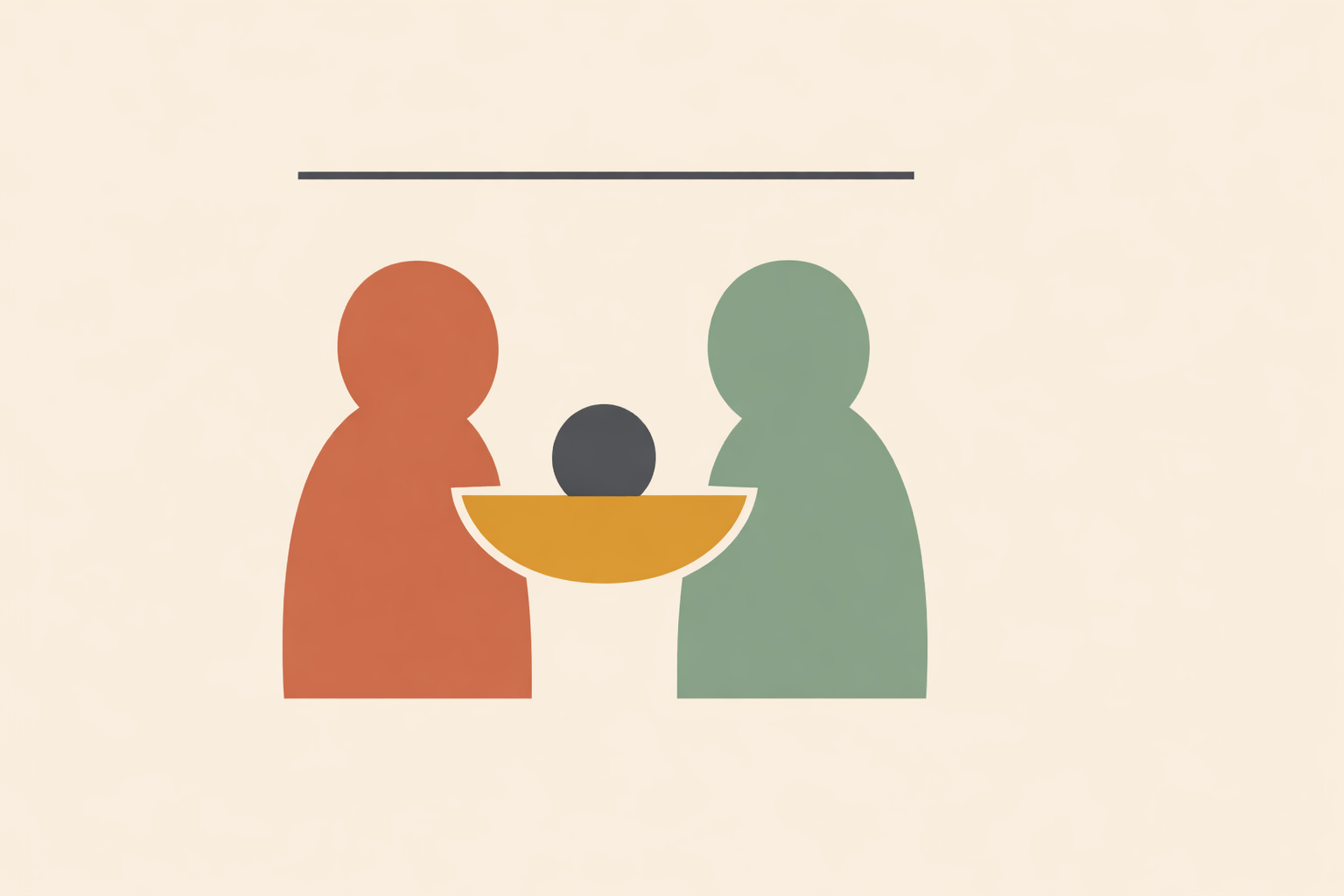
Partnership needs a clear container. From the beginning, it helps to establish person-led goals, explicit choices, and honest scope—steadiness without control, clarity without rigidity.
Consent works best as something living and revisited, not a one-time form. Concrete choices lower the social pressure to agree too quickly. Many autistic adults are used to accommodating other people’s expectations, so it helps when choice is visible, specific, and easy to use in the moment.
A few simple scripts can make that real:
- Co-create direction: “For the next few sessions, what would feel most useful or relieving in daily life?”
- Offer explicit options: “We can map this out, make a short list, or leave it for today. What feels workable?”
- Name pacing rights: “You can pause, skip, or say ‘not today’ at any point.”
- Check capacity: “How much energy is available right now?”
- Set scope early: “I focus on practical support, reflection, routines, and accommodations. If something falls outside that, I’ll help widen the support circle.”
These moves don’t just make sessions polite—they make them adjustable. Support is strongest when the person experiences the space as something they can shape, not something they have to brace themselves against.
And the tone matters. “Autistic people need support, not pity,” as one widely shared phrase puts it: not pity.
Use predictable structure without making it heavy
Predictability often preserves energy. For many autistic adults, a clear session flow reduces uncertainty and frees up bandwidth for the real work. The goal isn’t structure for its own sake—it’s just enough structure to make participation easier.
Useful scaffolding can include a predictable agenda, consistent timing, and a repeatable rhythm. Environmental factors matter just as much: lighting, noise, temperature, seating, and visual density all shape focus and comfort. Sometimes a better session comes less from a new coaching technique and more from softer light, less visual clutter, a camera-off option, or permission to stim and move.
As Rosie King reminds us, there’s value in every shade. That’s a helpful principle for how you shape the environment, too.
A simple session rhythm is often enough:
- Opening: energy check, agenda review, confirm what feels possible today
- Middle: one main focus, small-step planning, built-in pause
- Close: brief recap, one to three next steps, confirm follow-up format
Helpful practical details include:
- Send the agenda or prompts ahead of time
- Keep visuals sparse and easy to scan
- Allow movement, fidgets, and camera-off participation
- Use shorter, more focused sessions when longer ones drain too much energy
- Leave a few minutes of margin at the end when needed
Simple rituals can help too: a familiar opening question, one grounding breath, or a repeatable check-in pattern. Think of it like setting down a well-lit path—no one is forced to walk faster, but it’s easier to see the next step.
Make communication flexible and easier to process
Many autistic adults communicate more fully when the format is flexible. Face-to-face, fast verbal processing is only one channel—and it isn’t always the best one. Offering communication options can make communication more accessible and less effortful.
That may include audio-only calls, chat, voice notes, camera-off sessions, or asynchronous check-ins. Text-based or slower-paced communication often reduces pressure and cognitive load. Silence matters here too: pauses often mean processing, not disengagement. If you rush to fill every gap, you may step on the person’s actual thinking.
Two small practices are especially useful:
- Send prompts ahead: “Here are three things we could explore tomorrow. Add, remove, or reorder anything.”
- Close with a recap: a short written or voice-note summary with one to three next steps
What this means is fewer surprises and less memory burden after the session—and more room for decisions to be revisited later, once the pressure of real-time interaction has passed.
As Stephen Shore says, “Everybody is different, and everybody’s different is different.” Communication should follow the person, not the practitioner’s default habit.
Support executive function by making tasks smaller and clearer
Insight isn’t always the hard part. Often the hard part is turning intention into a sequence that feels possible. Executive-function support works best when it simplifies, rather than adding another layer to manage.
Many autistic adults benefit from noticing what drains energy and what restores it. That clarity makes prioritizing easier. From there, keep systems light: visual schedules, reminders, body-doubling, and micro-steps can reduce cognitive load and make follow-through more doable. Put simply, smaller pieces create less friction—and often more confidence.
As John Elder Robison reflects, autism can offer “the power to see the world in a new light.” Good support respects that by fitting systems to the person rather than forcing the person into the system.
In practice, this often looks like:
- Micro-steps: turn “organize kitchen” into one tiny action at a time
- Anchors: attach a task to an existing routine
- Body-doubling: shared quiet work with clear start and stop points
- External reminders: short, precise prompts
- Visual maps: one simple page for the week, not a complex planning system
When in doubt, shrink the task again. A tiny workable step is more useful than an elegant plan that never gets used.
Look beneath performance and notice masking
One of the easiest mistakes in sessions is to confuse polished participation with genuine ease. Masking can make a session look successful while quietly increasing energy drain. Eye contact, fluent speech, quick replies, and agreement aren’t reliable indicators of comfort or consent.
That’s why it helps to ask about sustainability, not just progress. What’s draining? What’s helping? Where is the person masking most? Which parts of the session feel effortful? These questions often open a more honest conversation than “How did that go?”
Autistic people are not emotionally unavailable; they may simply express emotions differently. And over-agreement can sometimes be a trauma-shaped response in power-imbalanced spaces. If someone agrees quickly to everything, it’s worth slowing down and making room for a real no.
Language like this can help:
- “If any suggestion feels annoying, too much, or not your style, we can change it.”
- “Where are you masking the most lately, and what is that costing you?”
- “Does camera-off, slower pace, or chat-first feel better right now?”
- “On a scale from performing to feeling like yourself, where are you today?”
When follow-through doesn’t happen, treat it as information rather than defiance. Explore what got in the way—energy, timing, environment, steps that were too big, unclear instructions, or a strategy that never really fit—then adapt. That is partnership in action.
Stay in scope and widen the support circle when needed
Clear boundaries protect everyone involved. Strong support includes knowing your edges, naming them without shame, and making it easier for someone to connect with additional resources when needed.
If safety or crisis concerns arise, general coaching isn’t the right container on its own. Specialized resources may be needed outside your regular work together.
It also helps to suggest next steps in a way that reduces drop-off: a warm introduction, a short summary email (with consent), or a follow-up check-in can make the transition feel more manageable. The aim is expansion, not ejection.
Language like this can keep dignity intact:
- “Some of what you’re carrying would benefit from an added layer of support. I can stay alongside you with routines and accommodations while we widen the circle.”
- “Would it help if I introduced you by email so you do not have to explain everything from scratch?”
- “Let’s keep things gentle while you connect with them, and then we can review what feels supportive.”
This reinforces a respectful message: needing more support doesn’t mean failure. It means matching the support to the situation.
Supporting autistic adults without overstepping
When you stop fixing and start partnering, the tone of the work changes. Consent becomes active rather than assumed. Structure becomes supportive rather than pressuring. Communication becomes flexible. Small steps become more realistic. Masking becomes easier to notice. Scope becomes clearer.
The through-line is simple: autonomy, predictability, and simplicity. Let the person lead. Make the path clearer. Use the smallest effective support, much like support for autistic adults that reduces friction instead of pushing for “normal.”
As a final note, keep your boundaries clean and your check-ins frequent—especially when energy is low or enthusiasm looks “high” but follow-through is slipping. The person’s own wisdom about what drains them, steadies them, and helps life feel more navigable is your best guide for staying supportive without overstepping.
Explore Autism Coach Certification
Apply these partnership-based supports with more confidence in the Autism Coach Certification.
Explore Autism Coach Certification →