Becoming a Reiki Master doesn’t automatically prepare you to run an ethical classroom. The first time a student asks whether Reiki can help with a named condition, or someone expects touch you didn’t agree on, you can feel the gap between personal practice and teaching. Add the pressure to market your course, choose a lineage label, and explain attunements without hype, and small uncertainties can quickly become real risk. Ethical practice isn’t guaranteed by training alone, and many Masters learn teaching-ethics lessons the hard way—publicly, with paying students.
Ethical Reiki teaching is a container you build on purpose: how you name lineage and scope, how you speak about outcomes, and how you hold consent in the room. When those pieces are in place, students can trust the space—and you can stand behind it.
The flow is simple: clarify your role, set boundaries, design a curriculum where ethics is visible, then bring it to life through consent, language, and steady support after attunement.
Key Takeaway: Ethical Reiki Master teaching is a repeatable system: clearly name your lineage and scope, embed consent and boundaries into every lesson, and use grounded language that avoids promises. When your curriculum, marketing, and post-attunement support match, students learn safely and you teach with integrity.
Step 2: Set clear ethical boundaries around what you teach (and what you don’t)
Clear boundaries aren’t restrictive; they’re what make a Reiki container feel safe. When students know exactly what your teaching offers (and what it doesn’t), they can relax into learning instead of guessing.
Scope is the heart of that clarity. Describing Reiki as complementary support for relaxation, balance, and self-regulation aligns well with how integrative reviews discuss the work and how traditional lineages have long framed its purpose. Put simply: you’re guiding a well-being practice, not training students to make big promises or blur roles.
Make this explicit in your teaching agreements and materials. Students should hear clearly that practitioners do not label conditions, do not advise changes to medications or care plans, and do not position Reiki as a substitute for other forms of support.
Interestingly, boundaries don’t make Reiki smaller—they protect its integrity. Many programs find that naming boundaries helps people feel more in control of their participation, which makes the room feel safer and steadier.
Ethical teaching also includes teaching “no.” Not every situation is appropriate for a student to hold alone, and not every student is ready for every training format. Complex trauma may call for stronger safeguards, co-facilitation, or a decision to pause participation until a better-fit container is available. Teaching minors also requires clearer structures and consent pathways.
Referral language is one of the most practical tools you can give students. For example:
- “Reiki may support relaxation and grounding, but this is outside my scope.”
- “I’d encourage you to connect with an appropriate licensed professional or trusted support service as well.”
- “You’re welcome to continue Reiki if it feels supportive, but I want to be honest about my role.”
The same discipline applies online. Public content works best when it’s educational rather than individualized, and clear scope disclaimers reduce confusion.
With scope clearly defined, ethics stops being abstract—and becomes the structure your curriculum can rest on.
Step 3: Design a Reiki Master curriculum with ethics woven through
An ethical Reiki Master curriculum doesn’t tuck ethics into a final slide. It weaves ethics through everything—symbols, attunements, practice exchanges, student responsibility, and how people speak about outcomes.
This is the difference between teaching technique and forming practitioners. Reiki ethics literature notes that ethics learning doesn’t come from definitions alone; it comes from what’s consistently modeled. And rapid initiations without ethical grounding can produce students with method, but not maturity.
Build reflection into the structure: journaling after attunements, short debriefs after exchanges, and regular revisits of boundaries and classroom agreements. These reflective practices help students spot urgency, projection, or “rescuer” dynamics early—before they spill into client work.
Scenario practice is equally powerful. When students rehearse responses to tricky moments (unexpected disclosures, touch preferences, strong emotion, unrealistic expectations), they’re far more steady when real life shows up.
And because language shapes ethics, teach students how to describe Reiki with supportable language—clear, respectful, and free from promises.
In practical terms, your curriculum might include:
- Lineage and cultural roots
- Scope of practice and referral pathways
- Consent and touch options
- Attunement preparation and integration
- Confidentiality, including online classes and recordings
- Client communication and expectation-setting
- Case scenarios and ethical repair
When ethics is “baked in” from the start, the ceremonial and advanced elements land with steadiness. Next comes embodiment: how you model consent and emotional safety in real time.
Step 4: Model consent, touch, and trauma-aware practice in every class
Students learn consent more from what you do than what you say. Make consent visible, specific, and revocable throughout class—not only during formal practice sessions.
Start with touch. Informed consent is ongoing, and not one-time. Offer clear options (light touch, hands hovering, or fully hands-off) and check in again if anything changes.
This matters because people experience touch, stillness, and close presence in very different ways. Trauma-aware guidance notes that trauma history can shape responses, and students shouldn’t have to disclose private experiences to receive respectful choices.
Think of it like building wide doorways: you normalize choice before anyone needs to ask. Simple language works: “Today you can choose light touch, hands hovering, or no contact at all. You can change your mind at any point.”
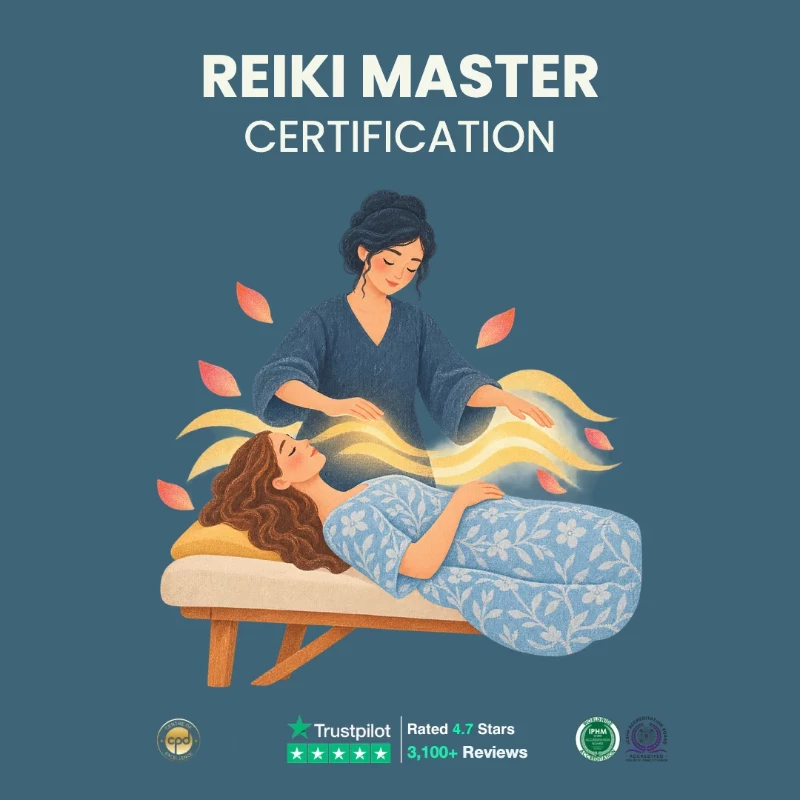
Clear explanations help nervous systems settle. Traditional descriptions note that Reiki commonly involves a client resting fully clothed while hands are placed lightly on or just above the body in a series of positions. Traditional descriptions outline this structure, and explaining what to expect can support a calmer experience.
Bring the same steadiness to attunements. Ethical Masters explain the process plainly, normalize a wide range of responses, and avoid suggesting what students “should” feel. Many trainings emphasize normalizing experiences from strong emotion to nothing noticeable at all.
If strong emotion arises, the aim is not to intensify it for meaning, but to respond steadily—slowing down, pausing when needed, orienting to the room, and encouraging additional support when distress is significant or persistent.
Students also learn from your everyday boundaries: hugs, direct messages, social media requests, and how you handle demonstrations. Programs highlight that modelling boundaries is part of training itself.
When consent is consistently embodied, it becomes much easier to speak about outcomes with honesty—because your teaching is already anchored in integrity rather than performance.
Step 5: Speak about Reiki outcomes, research, and tradition without overpromising
You can speak confidently about Reiki without making it sound exaggerated. In practice, the most ethical language is often the most compelling because it honors tradition and lived experience while leaving room for individual variation.
A grounded starting point is relaxation. Reiki sessions are associated with increased relaxation and reduced perceived stress in a range of settings.
Traditional teaching has long observed the same. Historical overviews describe Reiki being used worldwide for more than a century to promote relaxation and stress reduction—one of the reasons the practice has endured across cultures and generations.
Modern research adds another layer. A review in BMJ Supportive & Palliative Care reported Reiki can support reduced anxiety and improved mood, particularly across a series of sessions. Essentially, tradition and study are pointing in a similar direction: Reiki often helps people settle into a steadier state.
That overlap gives you strong teaching language—human, realistic, and easy to stand behind. It also fits well with guidance on emotional steadiness, coping, and well-being, without turning any of it into a guarantee.
First-person stories can be helpful when they stay subjective. Many people describe feeling more relaxed after sessions, and those accounts can help students understand what “a typical experience” might sound like—without implying universal results.
Teach students phrases like:
- “Many people notice deep relaxation during or after a session.”
- “Some people feel calmer, clearer, or sleep more easily afterward.”
- “Experiences vary, and shifts often build over several sessions or regular self-Reiki.”
A practical expectation, drawn from both tradition and research, is that some people notice change in their state within a few sessions, while more settled patterns around stress response or sleep often develop with repetition and integration.
Once your outcomes language is grounded, your public-facing presence can match the ethics you hold in the room.
Step 6: Market your Reiki Master teachings with transparency and respect
Ethical marketing is your classroom values in public form. If your teaching is clear and respectful in person, your website, social posts, and discovery conversations should feel the same.
Start with honest positioning. Reiki is not regulated as a medical profession, so it’s best framed as personal and professional development in an energy-based practice commonly used for relaxation and well-being. That prevents people enrolling under assumptions you can’t responsibly support.
Language choices make this easier. Rather than centering named conditions, lead with phrases like Reiki for relaxation, well-being, or stress support. These are aligned with what Reiki is widely known for—and what you can teach with integrity.
Ethics guidance also recommends no promises: no inflated certainty, no pressure tactics, and no “spiritual superiority” as branding.
Testimonials can still be meaningful when they stay personal. Phrases like feeling “energized yet relaxed” help prospective students relate without implying guaranteed outcomes. It’s also wise to remind readers that experiences vary and Reiki is complementary and well-being focused.
If you teach online or hybrid, transparency includes logistics: recordings, screenshots, replays, transcripts, bandwidth needs, and how you handle disruptions. Many advanced programs now include digital ethics as a core professional skill.
When your marketing matches your values, the right students arrive with the right expectations—and that makes post-attunement support far more effective.
Step 7: Support your students after attunement and keep evolving as a Master
Ethical Reiki teaching doesn’t end at attunement. That’s often when students most need steadiness, because they’re integrating the practice into real life and real client work.
Begin with clear support structures. Many programs recommend offering post-training support (Q&A windows, practice circles, feedback options) while also being clear about what isn’t included. That balance supports independence without leaving people adrift.
Community is a powerful safeguard. Mentored pathways suggest students are less likely to hide confusion or overcompensate with certainty when they have a place to ask honest questions.
Normalize mistakes, too. Every Master eventually misphrases something, misses a dynamic, or realizes a policy needs strengthening. Ethics commentators encourage accountable repair: updating agreements, apologizing when appropriate, and seeking consultation rather than getting defensive.
Ongoing learning means staying connected to tradition and staying aware of emerging evidence. Research often explores quality of life and stress, which can be a helpful lens for students who prefer evidence-informed framing.
At the same time, Reiki is commonly described as a biofield practice intended to promote well-being through supporting energy flow. Whether you teach that in traditional terms, modern terms, or both, the aim is coherence: your language, policies, and presence should all point in the same direction.
Practical systems help you evolve without burning out:
- Anonymous student feedback surveys
- Peer consultation or mentoring circles
- Referral pathways for students needing additional support
- Regular review of consent, privacy, and class policies
- Continued practice with real sessions and reflection
Hands-on experience remains essential. Many advanced pathways include supervised practice because ethical development is relational—it’s learned by doing, reflecting, and refining.
Conclusion: Weave your own ethical Reiki Master path
Teaching Reiki ethically isn’t one decision; it’s a sequence of choices that reinforce each other: clarify your why, name lineage with respect, define scope, weave ethics into curriculum, model consent, speak honestly about outcomes, market with transparency, and support students after attunement.
When those pieces align, your teaching becomes steady. Students know what they’re entering, what Reiki may support, what your role is, and how to practice with integrity in their own communities. That kind of clarity protects the tradition while helping it adapt gracefully to modern settings.
It also protects you. You don’t need inflated promises, mystical performance, or blurred boundaries to teach powerfully. A grounded container holds more trust—because it’s real.
Reiki has always been more than technique. It’s a practice of presence, humility, and relationship: to lineage, to students, to community, and to your own continued growth.
Explore Reiki Master Certification
Naturalistico’s Reiki Master Certification supports ethical teaching with clear scope, consent, and grounded communication.
Explore Reiki Master Certification →