A longevity coach scope isn’t something you “apply” once—it shows up in everyday conversations where clients turn insight into routine. The heart of the work is simple: protect healthspan (energy, mobility, clarity, resilience) through practical habits that fit real lives, while honoring both modern research and traditional, lived wisdom.
Longevity pioneer Peter Attia calls it the marginal decade: shaping the final 10 years to be as capable and enjoyable as possible. That idea immediately grounds the work—stronger legs for stairs, steadier balance, calmer sleep, and deeper connection with people who matter.
From a practitioner’s standpoint, the goal is “doable, repeatable, and respectful.” Movement remains one of the strongest levers for enhancing longevity, but your role is to translate it into rhythms a client can sustain—never rigid, never clinical. Naturalistico’s Longevity Coach Certification supports exactly that blend of education, habit-building, and compassionate accountability.
Key Takeaway: Bring your scope to life by anchoring every session in healthspan, then co-creating simple, repeatable habits clients can sustain. Use a consistent session structure, track progress with practical signals and lived experience, and stay ethical by focusing on education, behavior change, and culturally respectful accountability.
Define your longevity coach scope around healthspan
A clear scope keeps the work effective and ethical: you support healthspan through lifestyle education, behavior change, and coaching structure. You’re not here to diagnose or direct clinical decisions—you’re here to co-create a plan and coach the process of living it.
In practice, that means building sustainable routines instead of chasing “medical-style outcomes.” On Naturalistico, the emphasis is supporting healthspan by weaving together nourishment, movement, stress regulation, sleep, and connection so daily life becomes the program.
Sessions typically center on education, goal-setting, practical planning, and follow-through—core coaching skills grounded in education and planning.
Defining what you actually do (and don’t do) as a longevity coach
Here’s a simple way to frame it for clients: “My role is to help you build the practices that keep you strong, steady, and clear as you age.” You translate complex ideas into simple steps, respect cultural roots, and provide accountability that feels humane.
Performance scientist Andy Galpin captures the spirit: “While longevity focuses on lifespan, true performance encompasses immediate, measurable improvements.”
Movement often sits at the center because it supports enhancing longevity, but it’s rarely the only lever. You consider the whole person—capacity, stress load, community supports—then build a path they can actually walk.
What makes that path stick is follow-through. Coaching frameworks repeatedly highlight ongoing support as a key ingredient for turning plans into real-world change.
Design a first session that honors life story and ancestry
Start with the person, not the plan. A strong first session maps story, values, and roots so the practices you build feel familiar, respectful, and realistic.
Naturalistico teaches this context-first approach through foundation sessions: explore strengths, challenges, and motivation before adding new routines. Early on, many coaches find it helpful to set a session contract—a single focus that protects time, attention, and clarity.
Then comes deep listening. You reflect patterns, notice what drains energy (and what restores it), and identify cultural anchors that already support healthspan: traditional foods, daily walks, gardening, dance, prayer, or time with elders. Naturalistico encourages recognizing traditional foodways and movement rituals as living resources—not “extras.”
Listening for values, roots, and readiness
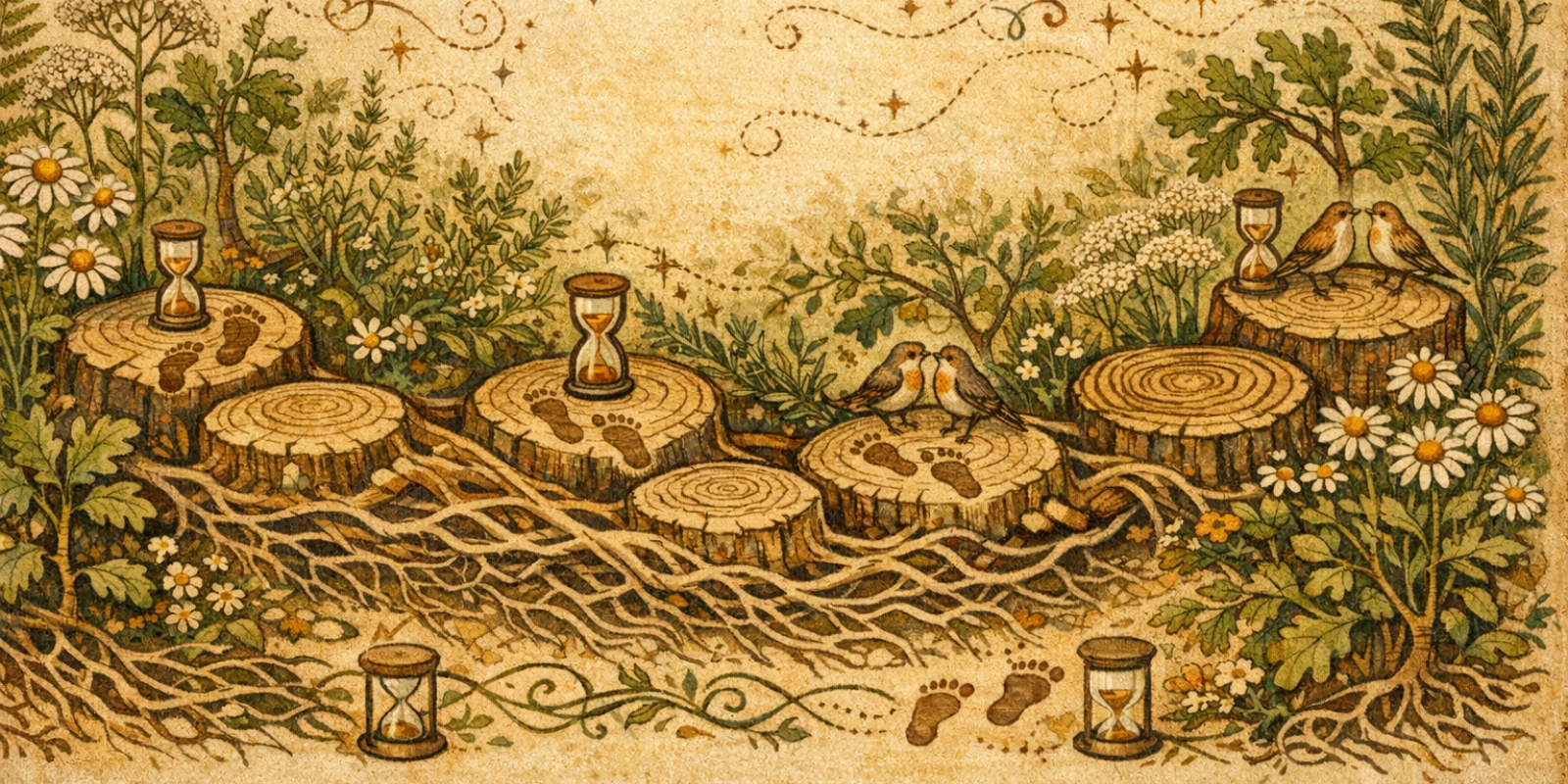
Ask questions that invite meaning: “When you imagine aging well, what are you doing?” “Whose footsteps do you want to walk in?” “Which routines from your family or culture feel grounding?” Then give the story room to land.
Trust grows when clients feel heard. Coaching approaches emphasize non-judgmental presence—active listening, reflective questions, and space for the client’s voice.
Small reflective practices can also build readiness. As Harvard’s Laura Kubzansky notes, “Journaling and talk therapy are ways that people can train themselves to think more positively.” And when changes fit familiar contexts, they’re easier to keep—especially for older adults who benefit from familiar activities.
Co-create healthspan goals that feel meaningful and measurable
Help clients move from fear to function. Name what they want to be able to do—carry groceries, play on the floor with grandkids, sleep through the night—then build toward it with small steps they can measure and repeat.
In longevity coaching, goals often shift from appearance to function—toward functional outcomes like climbing stairs with ease or maintaining strength for independence. Think of it like choosing a “future scene” as a compass: a hilly trail, a family celebration, a steady yoga pose. That scene guides the habits you build around energy, strength, sleep, and stress care.
This approach can be especially supportive in midlife transitions. One trial linked brief health coaching to a 12.51-point reduction in menopausal symptoms and improvements in quality of life, alongside reduced depression symptoms. It aligns with what many practitioners see: when plans are personal, consistent, and compassionate, people often feel the difference.
Reframing aging fears into functional goals
Language shapes motivation. Participation strategies suggest that phrases like “maintain independence” and “reduce fall risk” can lift motivation more than vague prompts like “work out.” Memorable cues help: “strong legs, long life” or “quiet mind, deep sleep.”
Hope matters, too—especially when clients feel “behind.” Stanford experts note that even previously inactive people can still gain function with progressive strength work later in life.
To keep progress visible without turning the journey into something clinical, track a few simple signals: sleep quality (1–5), perceived energy at different times of day, and ease of movement (stairs, floor-to-stand). Naturalistico encourages simple tracking like this—practical, respectful, and within scope.
Structure ongoing sessions for habits and accountability
Consistency beats intensity. Ongoing sessions work best when they follow a familiar arc, so clients keep turning intentions into habits across movement, nourishment, sleep, and stress care.
A reliable structure keeps momentum steady: set today’s focus, reconnect to the long-term vision, choose a few next steps, and name obstacles before they derail progress (session arc). Change often sticks when it’s gradual—like incremental change from ultra-processed snacks toward familiar, whole, traditional foods over time.
It also helps to check balance across the pillars. Naturalistico frames sustainable routines across four domains: movement, nutrition, sleep, and mindfulness/stress regulation. Essentially, you’re keeping the “table” level—so progress in one area doesn’t collapse another.
Using a repeatable session arc to embed habits
Practical structure makes follow-through more likely:
- Begin with a 60-second focus: “What would make today’s session a win?”
- Revisit the north star: “What scene are we walking toward?”
- Co-design two small, specific actions for the week.
- Pre-name roadblocks and create “if-then” plans.
- Agree on accountability: a text check-in, a shared tracker, or a community walk.
Between sessions, keep accountability gentle and steady—checklists, brief reflections, or community supports like walking groups. The value of regular follow-up shows up across coaching frameworks for a reason: it keeps the plan alive when real life gets busy.
A simple technique that works well is having clients repeat plans aloud. Put simply, saying the plan helps the brain “tag” it as real: “Tonight I’ll prep beans and greens; tomorrow I’ll do 15 minutes of hill repeats.”
Track progress without leaving your coaching scope
Measure what matters, simply. Blend a few supportive metrics with lived experience so progress stays motivating—and clearly within a coaching container.
Many coaches track a small set of interconnected indicators: movement capacity (like stairs), strength markers (sit-to-stand), and wearable-based estimates such as VO2 max. If clients choose to look at glucose patterns or heart-rate data, those insights can inform habit choices—alongside lifestyle signals like sleep consistency, stress levels, and daily energy.
Just as important: stories. A short weekly reflection—“What felt easier?” “Where did you feel steadier?”—often captures real change. Photos or videos of posture, gait, or a favorite hike can make progress unmistakable, and many clients find stories more motivating than spreadsheets.
For perspective, regular movement is consistently linked with better long-term outcomes; some summaries suggest around a 20% lower risk of premature death in active people compared to inactive peers. And it’s encouraging that even those starting later can still gain function with progressive strength work.
When you value ancestry, you also track traditional markers of change: less breathlessness during community dance, more ease kneeling in prayer, feeling grounded during seasonal rituals. Naturalistico invites attention to these ancestral signs alongside conventional metrics.
Hold the longevity coaching container ethically and inclusively
Lead with clarity and care. Keep your work inside a coaching container—habits, education, and co-created plans—while designing strategies that respect culture, access, and ability.
Naturalistico is explicit that coaches co-create plans and support implementation. You don’t interpret labs or give directives outside scope; you help clients organize questions and advocate for themselves within their broader support network when needed. And you plan for reality: budget, time, family demands, mobility differences, and food traditions. The National Institute on Aging emphasizes anticipating barriers and adapting activities accordingly.
In specialized settings like workplace menopause support, the same principles apply: lifestyle-focused tools delivered in psychologically safe environments.
Group options—walking circles, chair strength, shared check-ins—can make support more accessible and less isolating. Guides on program formats note that group coaching can improve accessibility while building peer accountability and community learning.
Staying in scope while honoring each client’s reality
These guardrails keep the container clear and supportive:
- Clarify your role in writing: education, habit change, and accountability for healthspan.
- Adapt to culture and access: celebrate traditional foods, familiar movement, and community rituals.
- Invite collaboration: when appropriate, encourage clients to loop in other professionals for questions outside scope.
- Choose inclusive formats: sliding scales, small groups, and local partnerships can expand access.
- Keep learning: ongoing training and peer connection help coaches evolve with integrity.
Naturalistico champions ongoing professional development in behavior change, aging biology, and cultural humility so your work stays current and grounded in respect.
Conclusion: Bring your longevity coach scope to life
Longevity coaching comes alive in the details: a first session that honors ancestry and values; goals that translate fear into function; a repeatable session arc that builds habits; and progress tracking that blends numbers with lived experience. Held with kindness and clarity, that container supports clients in feeling steadier, stronger, and more confident about the years ahead.
To grow your practice, share what you’re learning. Professional communities often cite thought leadership—publishing and conversation—as a practical way to increase visibility and keep your work evolving. Delivery can be flexible too: flexible models like one-on-one, small groups, and hybrids can protect your energy while expanding access.
Ready to Go Deeper?
Take the next step with a Naturalistico certification — designed for practitioners ready to deepen their expertise.
Explore the Course →