Practitioners who use emotional intelligence assessments often see their impact spread fast: promotions, team relationships, and client outcomes can all shift based on a few charts and comments. The upside is real—clearer patterns, better conversations, quicker course-correction—but the risks rise when the process is rushed. Consent becomes a checkbox, raters worry they’ll be exposed, and recipients brace for judgment instead of growth. In multi-rater processes, one careless rollout can chill candor for months, turning a capacity-building tool into a source of defensiveness and mistrust.
The most sustainable path is to treat assessment as a relationship container: co-designed consent, bias-normalizing up front, strong data protection, and feedback conversations that translate results into doable behaviors. Held this way, the work shifts from measuring people to resourcing them. From there, it becomes much easier to adapt for culture and neurodiversity—and to build a rhythm that actually sustains change.
Key Takeaway: Ethical emotional intelligence assessment works best when it’s treated as a relationship-based development process, not a verdict. Co-design consent, normalize bias and blind spots early, protect anonymity with clear data protocols, and translate results into strengths-based practices supported by culturally and neurodiversity-aware debriefs over time.
Root emotional intelligence assessment in ancestral wisdom
Ethical assessment isn’t a new invention; it’s a modern doorway into very old rooms. Across cultures, emotional wisdom has long been taught through story, ritual, mentorship, council, and shared reflection—ways of learning that build character through relationship, not through scoring.
Many communities today are rebuilding what earlier generations held more naturally: structures that normalized vulnerability, responsibility, and honest feedback. Psychologist Wayne Payne described our drift as emotional ignorance. Modern social-emotional learning research echoes this same direction; a broad review across 213 schools found that systematic emotional education improves skills, attitudes, and performance—language that mirrors what many traditional communities have practiced for centuries.
Modern frameworks are simply maps to ancient terrain. Goleman’s model, for example, highlights self-awareness, self-regulation, empathy, motivation, and relationship skills (see Goleman’s model). Contemporary tools may look different—tests, mixed models, behavior-frequency surveys—but they’re still assessment models trying to formalize what elders once cultivated through lived practice.
As Robert K. Cooper frames it, emotional intelligence is “the ability to sense, understand, and effectively apply the power and acumen of emotions as a source of human energy, information, connection, and influence.” You can reference his perspective on human energy here.
Held in that spirit—more council than courtroom—assessment becomes a respectful continuation of emotional apprenticeship, translated into modern organizational language.
Step 1: Make consent a real, shared agreement
Consent is more than a signature; it’s a shared agreement people can feel. When participants help shape the process, trust increases—and learning lands with far less defensiveness.
Start by slowing down and naming what the assessment is and isn’t. In 360 processes, you invite multiple perspectives—self, managers, peers, direct reports. That multi-voice design is powerful, and it requires informed participation from everyone involved; see the basics of multi-rater setups. Make it explicit that raters are describing observable behaviours, not making statements about someone’s worth.
Then get concrete about logistics. Before anyone begins, clarify how data will be gathered, who can see it, and how it will be used—an essential part of transparent practice. Organizations are encouraged to set clear protocols that keep the focus on development rather than punishment. MHS guidance also recommends giving clear, comprehensible information about time, possible emotional impact, and available support before they begin.
I often remind participants—borrowing a line attributed to Bradberry and Greaves—that emotional intelligence helps you “make emotions work for you instead of against you.” You’ll find the original note under make emotions work. Framing the process in service of agency turns defensiveness into curiosity.
Consent checklist for practitioners
- Purpose: Why we’re doing this, in plain language.
- Process: Who participates, timelines, and effort required.
- Data: What’s collected, who sees it, how long it’s stored.
- Use: Developmental focus; not tied to punitive decisions.
- Care: Emotional impact, opt-out paths, and follow-up support.
Step 2: Normalize self-bias and blind spots before the assessment
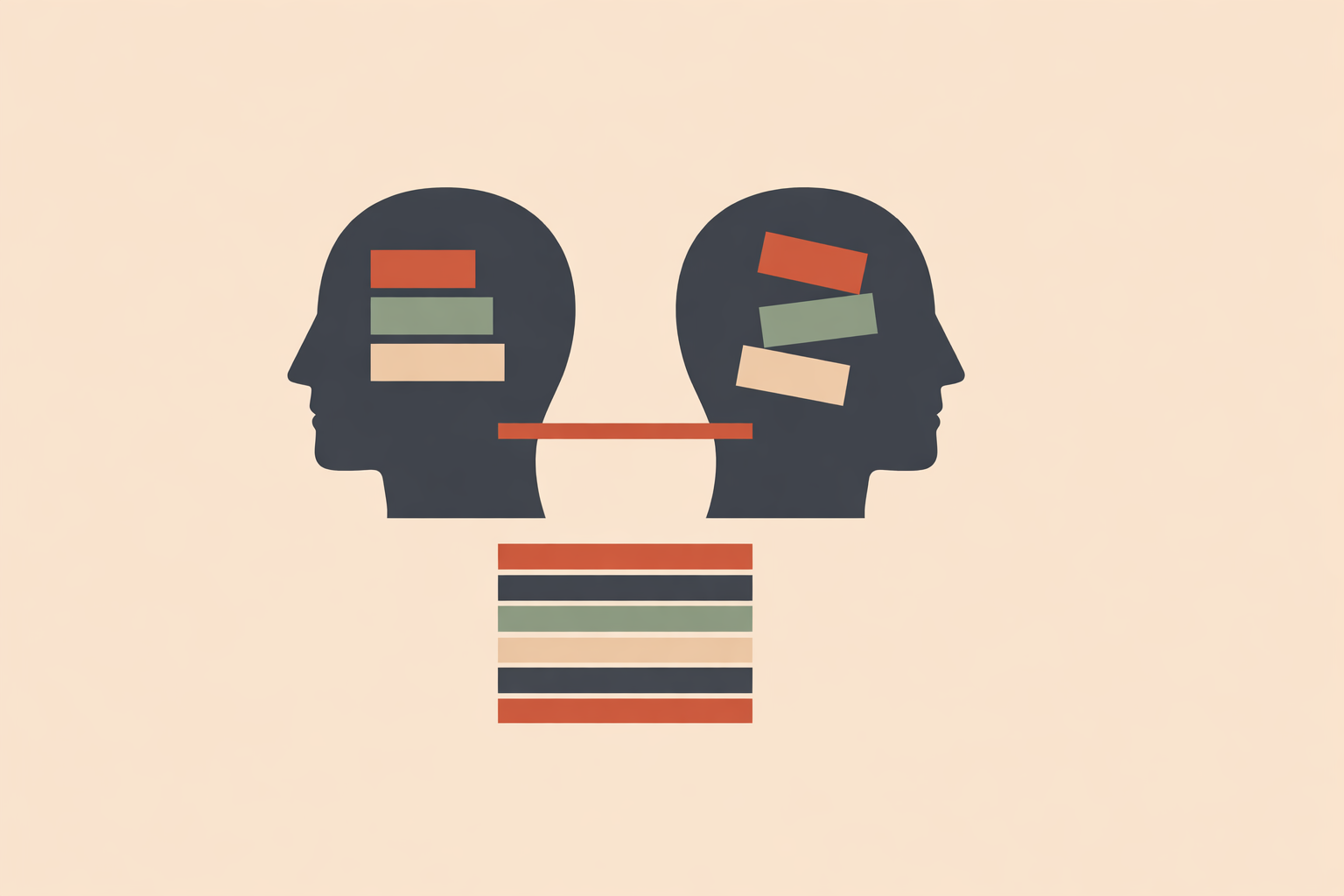
Prepare people for the mirror. When bias and blind spots are normalized up front, feedback becomes information—not an identity threat.
A grounded starting point is that most people believe they’re highly self-aware, yet only a minority meet strong criteria. This is one reason 360 tools can be so clarifying: self-scores are often more biased than peer or direct-report input. One of the greatest benefits is seeing gaps between intent and impact—development insights that give people something real to work with.
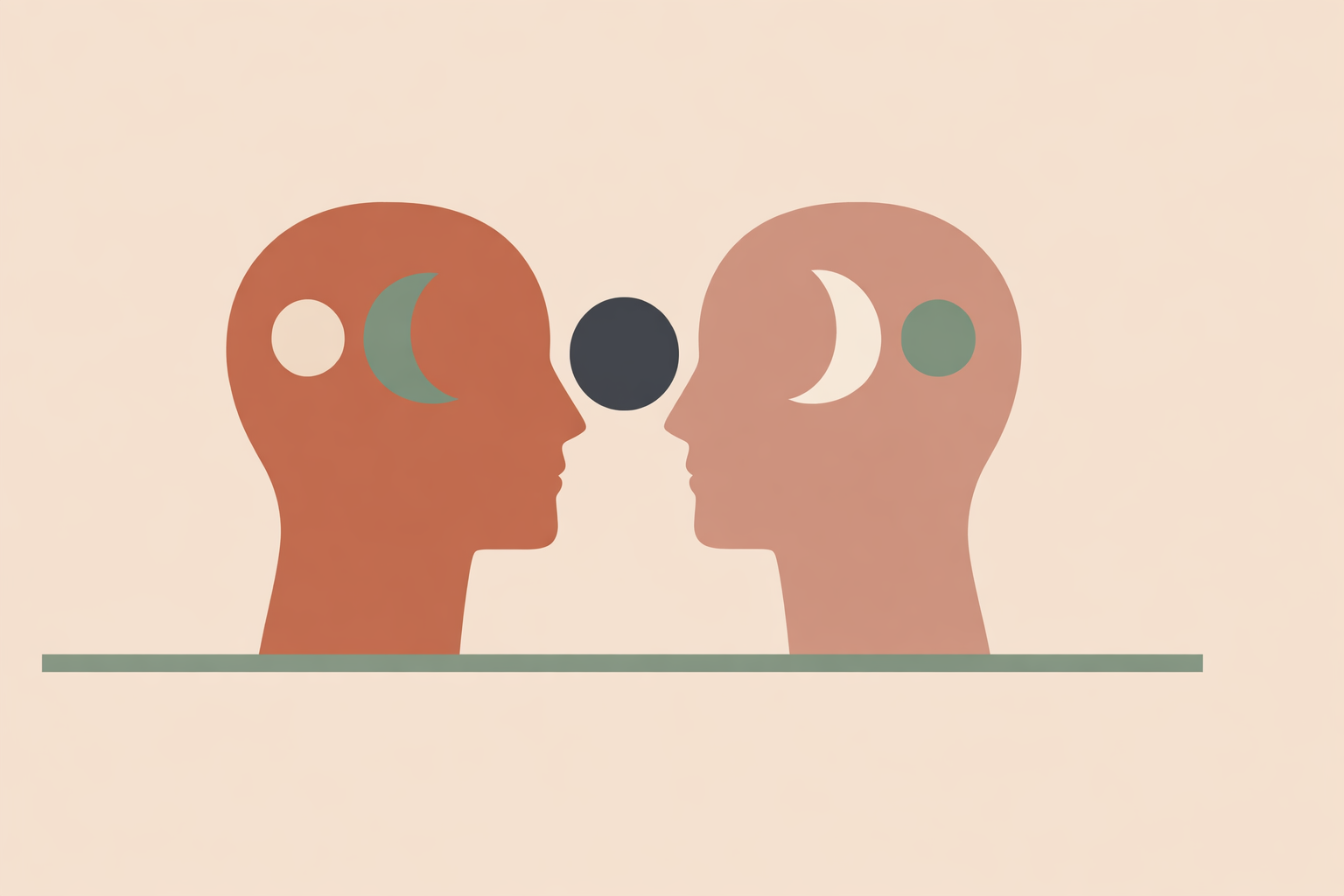
Think of it like adjusting a compass. Your inner experience is the “true north” you feel; feedback shows where others experienced you pointing. This is also why emotional self-awareness often links with clearer communication and long-term leadership momentum, including career growth.
Goleman captures the progression well: “Emotional self-awareness is the building block of the next fundamental emotional intelligence: being able to shake off a bad mood.” See the original shake off reference.
When leaders learn to recognize emotional triggers, they meet pressure with more presence—and become more receptive to honest input, a point often highlighted in discussions of recognising triggers.
Two-minute framing script
- “We’re mapping patterns, not passing judgment.”
- “Your inner experience matters—and so does others’ experience of you.”
- “Blind spots are expected. Discovery is the point.”
Step 3: Protect data and anonymity to build trust
Trust is both relational and technical. If anonymity and access aren’t clearly protected, you won’t get honest feedback—no matter how good the tool is.
Many EI 360 processes combine self-ratings with input from managers, peers, and direct reports. To keep candor high, anonymous feedback is commonly used, with results grouped by rater category. These group breakdowns help people spot patterns—where one group experiences them differently than another—so effort goes where it matters most.
Publish your guardrails in plain language: who can access raw data, how aggregation works, how long information is retained, and how results will be shared back. In global or highly hierarchical teams, culture shapes risk. In higher power distance contexts, people may fear that upward feedback can be traced back to them—so extra protections or alternate channels can be essential.
Cooper’s framing of EQ as applied “human energy, information, connection, and influence”—cited here under human energy—reminds us that data is only sacred because people are. Protecting anonymity isn’t an admin task; it’s a relationship practice.
Data ethics quick-start
- Collect the minimum viable data.
- Aggregate by rater group; hide groups with fewer than three raters.
- Store securely; define clear retention windows.
- Share results only with the individual (and coach if consented).
- Publish your process in plain language.
Step 4: Turn results into supportive feedback conversations
Numbers don’t change people; conversations do. The practitioner’s role is to turn data into a strengths-based story, then help translate that story into practices someone can actually carry into their week.
Give time and care to the debrief. Good guidance emphasizes clear feedback and space to process. Strong reports typically pair charts with narrative comments, and they often include practicable strategies so the person leaves with immediate next steps.
Support is what turns insight into visible change. Follow-on coaching or mentoring is often associated with more noticeable behaviour change. In applied settings, structured feedback processes have also been linked with improved effectiveness and collaboration when there’s real follow-through.
As Dave Lennick puts it, “Emotional competence is the single most important personal quality… Only through managing our emotions can we access our intellect and our technical competence.” You can reference the original emotional competence quotation here.
Debrief flow that works
- Normalize: “Everyone has strengths and edges; this is a growth map.”
- Start with strengths: what to keep and amplify.
- Name one or two patterns: where impact ≠ intent.
- Co-create two practices: specific, observable, time-bound.
- Close with a support plan: coaching cadence, peer ally, check-in date.
Step 5: Adapt consent and feedback for culture and neurodiversity
Ethical practice flexes. Culture, hierarchy, communication norms, and different brains all shape how feedback is received—so the process should adapt, not demand sameness.
In high power distance contexts, trust in authority can make or break psychological safety. Research in East Asian workplaces links ethical leadership with stronger psychological safety, which can encourage feedback-seeking. It also helps to anticipate that higher power distance environments may be less comfortable with upward critique; you may emphasize themes, protect anonymity even more tightly, or use alternate channels to reduce fear of identification.
Feedback style also needs cultural literacy. In some settings, indirectness is a respect practice, not avoidance. Cross-cultural guidance often recommends indirect feedback and selective “blurring” to preserve harmony while still being truthful. When stakes are high, a local facilitator or culture broker can be invaluable.
For neurodivergent colleagues, structure is a kindness. Clear agendas, written summaries, and role clarity reduce ambiguity. Supports like peer mentors, job coaches, and work buddies can make feedback easier to integrate. Workplace insights also highlight how psychological safety, belonging, and flexibility shape engagement and retention.
Goleman’s reminder about believing in one’s capacity to grow—often linked with self-efficacy—lands here: when people trust that they can develop, they bounce back faster. Your process—consent, debrief, pacing—should actively build that belief.
Adaptation moves you can make
- Offer choice: written, verbal, or mixed feedback; pacing that respects processing needs.
- Contextualize norms: explain how the tool frames behaviors and where culture may differ.
- Use allyship: pair participants with a peer or mentor for translation and accountability.
- Close loops: confirm understanding; co-author action notes in plain language.
Step 6: Weave assessments into a long-term emotional development journey
An assessment is a starting bell, not the whole race. Lasting growth comes from repetition, reflection, and support—so build a cadence that keeps insights alive.
Many EI 360 processes generate a practical development map. Use it to create a simple 90-day plan with a couple of micro-practices each week. Bite-sized microlearning paired with real-world experiments keeps momentum, and follow-on coaching can strengthen lasting change, especially with a peer ally.
This approach matches what communities have always known: emotional learning compounds when it’s practiced. Modern reviews of SEL programs show measurable improvements when learning is systematic and ongoing; adults benefit from the same steady rhythm.
Kathleen Spike’s reminder rings true in “edge” seasons: frustration and confusion often signal a coming shift—see this breakthrough quote. Frame setbacks as information, adjust the practice, and keep going.
Rhythm that sustains growth
- Weekly: two micro-behaviors (e.g., “ask one clarifying question before responding”).
- Biweekly: 30-minute coaching or peer check-in; review one pattern and one win.
- Quarterly: pulse 360 or focused rater check; refine the plan.
- Annually: full 360 refresh; celebrate gains; recommit to what’s next.
Conclusion: Build your practice on ethical emotional intelligence assessment
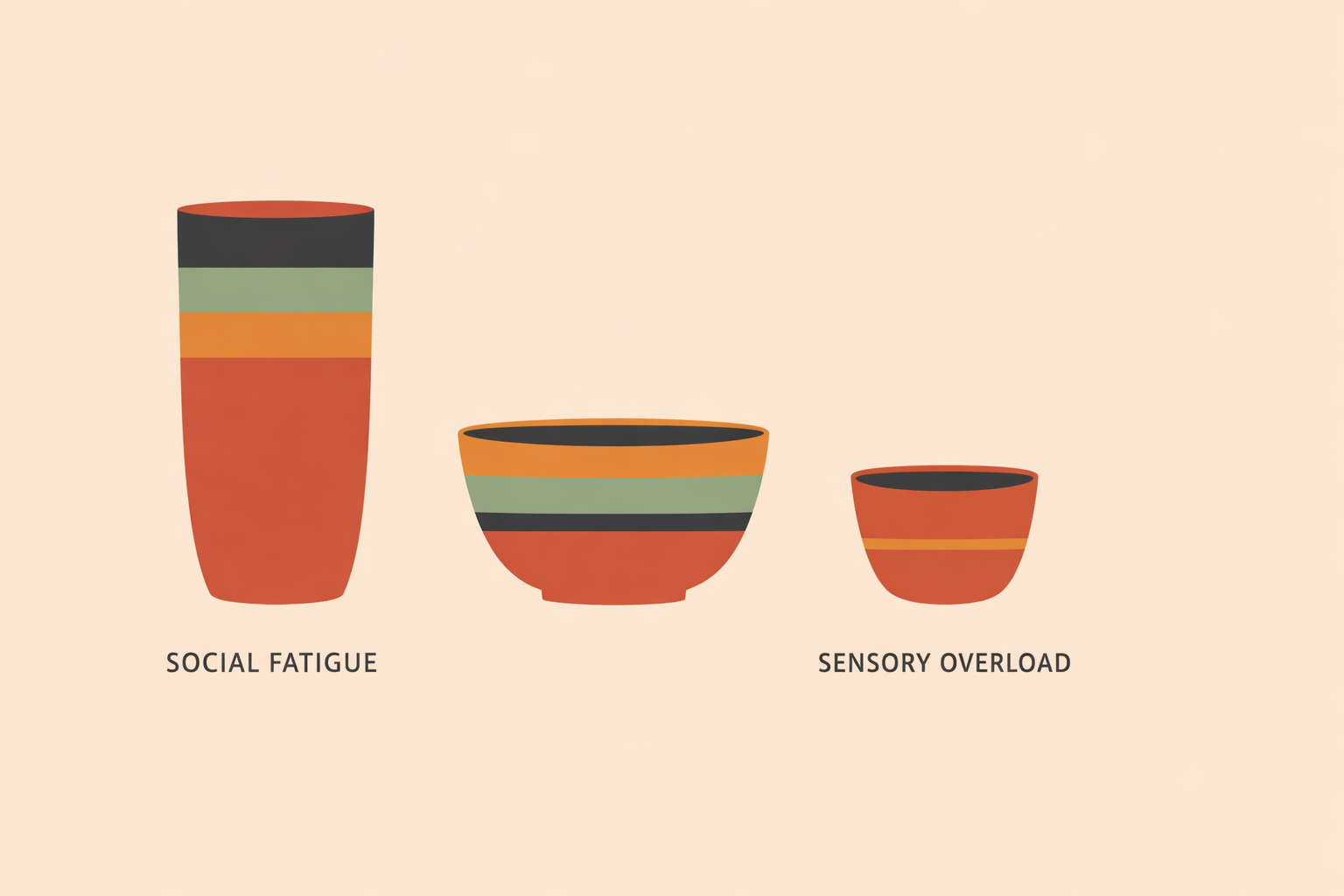
Held well, emotional intelligence assessments become vessels for growth. Begin with consent people can feel, normalize bias so the mirror is expected, and protect anonymity so honesty is safe. Then turn scores into stories, and stories into practices that fit real working lives—while adapting the process so culture and neurodiversity are met with dignity.
The work is both timeless and timely: ancestral wisdom meeting modern structure. As Goleman’s oft-cited line reminds us, success and character ride on EQ skills more than raw intellect. The practitioner’s role is to steward a process that strengthens those skills without shaming the learner.
One final grounding principle: assess behavior and experience, never human value. The aim is to witness capacity—and tend the conditions for it to grow.
Explore Emotional Intelligence Certification
Deepen your ethical assessment and feedback skills with Naturalistico’s Emotional Intelligence Certification.
Explore the Certification →