Most practitioners recognize the moment emotions start steering the outcome: a negotiation derails over tone, a team holds back honest feedback, or a client’s self-story doesn’t match how others experience them. You can feel the signal, but translating it into clear, coachable skills isn’t always straightforward. Clients ask, “What should I practice?” Sponsors ask, “What will change?” Without shared language, sessions can feel powerful yet lead to uneven follow-through.
Emotional intelligence assessment brings structure when it’s used as a developmental mirror, not a verdict. It turns observations into a common vocabulary, helps compare self-view with real-world feedback, and highlights the next small moves that build capability under pressure. Used well, it respects culture and context while giving clients clear, workable targets.
Key Takeaway: Emotional intelligence assessment works best as a developmental mirror: it creates shared language, reveals self–other gaps, and turns emotional patterns into coachable skills. When you match the right method to the client’s context and convert results into small practices, insight becomes measurable change.
Why Emotional Intelligence Assessment Matters in Client Work
Emotional intelligence assessment makes the emotional layer easier to see, name, and practice. It aligns naturally with traditional perspectives that treat feelings as meaningful signals—then adds practical steps that can support steadier relationships, clearer choices, and a more grounded sense of purpose.
Many practitioners organize emotional intelligence around self-awareness, self-regulation, motivation, empathy, and social skills. These are living competencies, not fixed traits—and they can be cultivated over time. That “learn-and-grow” quality is exactly why assessment is so useful: it gives you a baseline and a direction.
Modern research often echoes what traditional knowledge has held for centuries: when people can read and work with emotions, life tends to run more smoothly. In organizational settings, higher emotional intelligence has been linked to better performance, less stress, and healthier collaboration. In education, a large review of social and emotional learning programs found improvements in emotional skills, behavior, attitudes, and academics—an early-life reflection of what many of us see later in adults at work and in community.
It’s also why emotional skills are so often a high-leverage growth area. “What really matters for success, character, happiness and life long achievements is a definite set of emotional skills,” Daniel Goleman reminds us. Leadership scholar Warren Bennis similarly noted that once basic competence is in place, emotional intelligence can be the differentiator.
From an ancestral perspective, emotions aren’t “problems” to eliminate—they’re information to be listened to. Assessment, handled respectfully, simply helps everyone listen more clearly.
From Intuition to Structure: What Emotional Intelligence Assessment Adds
Intuition stays essential; assessment adds shared language and practical checkpoints. Together, they create a grounded path for growth that honors tradition while making progress easier to track.
Many practitioners are trained to track breath, body, and story—subtle shifts that a score alone may miss. Keep that. Then add a tool that makes patterns visible. Ability-based tests, for example, ask clients to identify emotions in faces or choose effective responses to scenarios, revealing skills in action.
Self-report questionnaires explore perceived tendencies—useful for reflection, especially when a client is ready to examine their own habits and self-image. Situational judgment tools use emotionally complex scenarios to mirror real-world tensions and invite clients to choose how they would respond.
Because no single method captures a whole person, many experts recommend multiple methods—blending ability tasks, self-reflection, and observer input. Think of it like using more than one lamp in a room: you reduce shadows and get a truer sense of what’s actually there.
As David Caruso puts it, emotional intelligence is “the unique intersection of both” heart and head. And Dave Lennick reminds us that under pressure, emotional competence helps people access their full intellect. When intuitive listening meets clear feedback, clients often feel both deeply seen and practically guided.
Choosing the Right Emotional Intelligence Assessment for Your Practice
The best assessment is the one that fits your context: your niche, your client culture, and the real-life outcomes you’re supporting. Fit makes the process feel relevant, respectful, and energizing.
Most tools fall into four families:
- Trait questionnaires: map enduring tendencies—useful for self-reflection and long-standing relationship patterns.
- Ability-based tools: focus on emotional problem-solving through tasks, clarifying how someone notices, uses, understands, and manages emotions in the moment.
- Mixed models: offer a broad snapshot across emotional and social functioning (for example, empathy and interpersonal skills).
- 360 or multi-rater assessments: gather input from colleagues, friends, or community members to show how others experience someone’s emotional presence.
Put simply: start with the outcome, then choose the instrument. Best-practice guidelines recommend identifying critical behaviors for the role or life season, then selecting an assessment that measures what matters. If group dynamics are the challenge, a 360 can be powerful. If performance under pressure is the focus, ability measures and simulations can be revealing. If the work is personal patterning, trait-style profiles can give language that “sticks.”
Some clients enjoy public online questionnaires as a warm-up. Used as informal reflection (not as a final word), they can build curiosity and buy-in.
And keep the learning lens front and center. There’s “no separation of mind and emotions; emotions, thinking, and learning are all linked,” as educator Eric Jensen notes. Choose the method that helps your client learn what they can apply in their real week.
Preparing Clients for Emotional Intelligence Assessment
When assessment is framed as a collaborative mirror, clients relax—and that’s when it becomes most useful. The goal is curiosity, dignity, and choice.
Start with clarity: purpose, timeline, what happens to the results, and what confidentiality looks like. For multi-rater feedback, lean on good-practice guidance about respectful rollout and privacy. Emphasize that 360 is for development, not evaluation, so people can participate honestly without fear of being labeled.
It also helps to explain why outside feedback matters. Well-designed 360 processes are often associated with more observable behavior change than self-ratings alone, because they reflect what others consistently experience. When sharing results, create room to absorb strengths and stretches before jumping into action, following expert recommendations for feedback debriefs.
Simple language keeps it human. Here are scripts many practitioners adapt:
- Purpose: “This is about awareness and choice, not judgment. We’re mapping strengths you can lean on and places that want attention.”
- Confidentiality: “Your feedback belongs to you. We’ll decide together what to share, if anything.”
- Growth mindset: “Emotional skills are learnable. We’ll turn insights into simple practices that fit your life.”
Clients often settle when they feel your confidence in their capacity. Daniel Goleman has observed that people with self-efficacy tend to recover faster—they ask “How can I handle this?” rather than “What if I fail?” Holding that possibility mindset makes the process feel safer and more constructive.
Guiding Clients Through the Emotional Intelligence Assessment Process
Keep the experience simple, grounded, and human. A clean process reduces distraction so clients can show up with more honesty.
Before any assessment, provide clear instructions on timing, format, and device needs. Encourage a calm setting, water nearby, and a brief grounding pause. Essentially, you’re helping the client meet the tool with presence, not rush.
Where you can, include lifelike moments. Research in workplace and leadership development suggests simulated situations and role-based exercises can reveal how someone works with emotion under pressure or in conflict. In intensives or group formats, pairing structured assessment with observation (conversation, role play) often makes the learning land faster.
For 360 designs, concise instruments help. Shorter, focused questionnaires reduce fatigue and tend to produce more thoughtful responses—making the feedback easier to translate into action.
It’s also wise to remember the wider context: many communities carry long histories of pressure to suppress emotion, which can show up as numbness, “performing,” or urgency during assessments. As early emotional intelligence writer Wayne Payne suggested, persistent suppression can limit growth. Your job is to reintroduce safety: slow down, invite breath, and remind clients there are no perfect answers—only information.
Interpreting Emotional Intelligence Results with Data and Ancestral Wisdom
Scores are a map, not a person. Interpretation is where the map becomes a living narrative that honors the client’s story, culture, and pace.
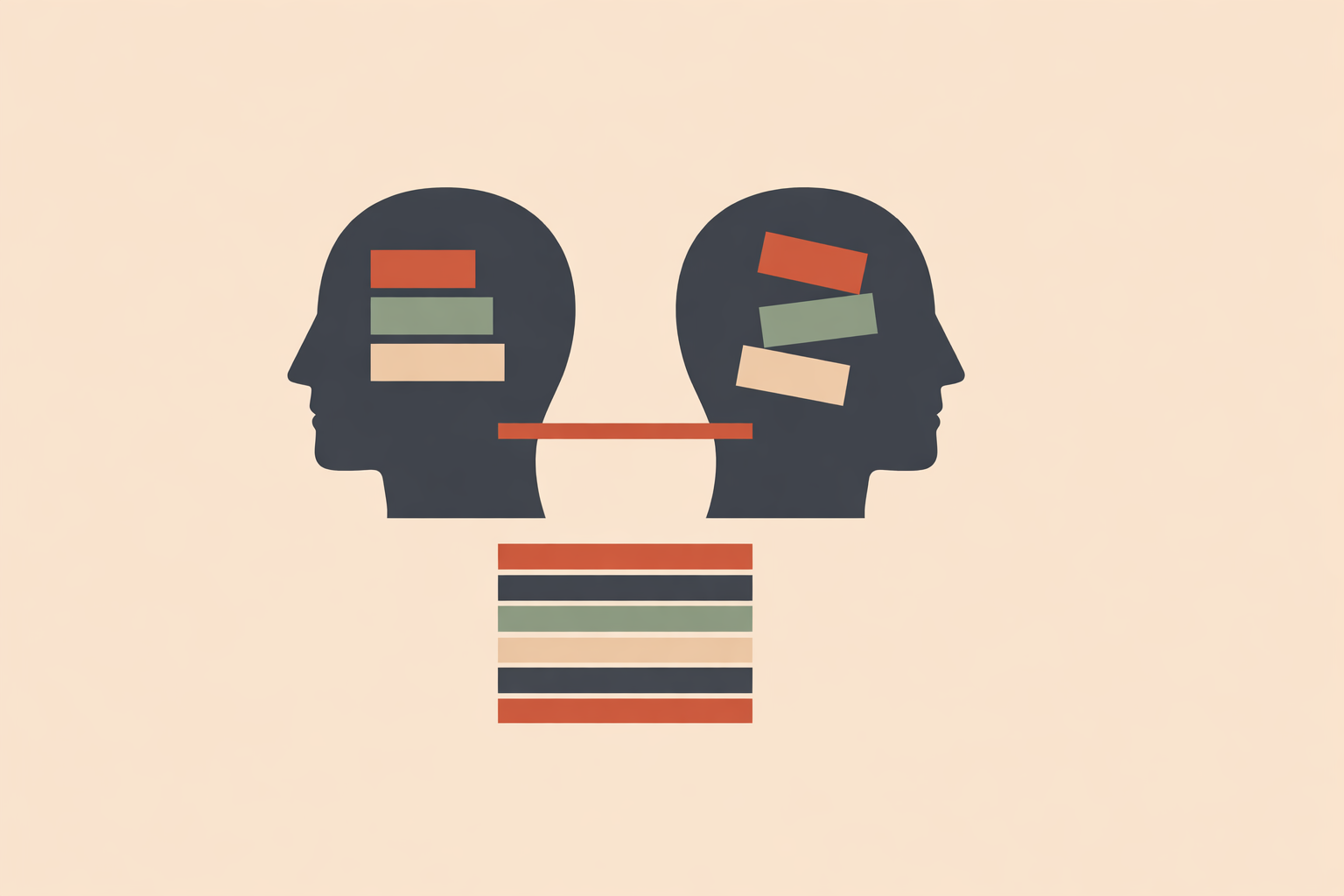
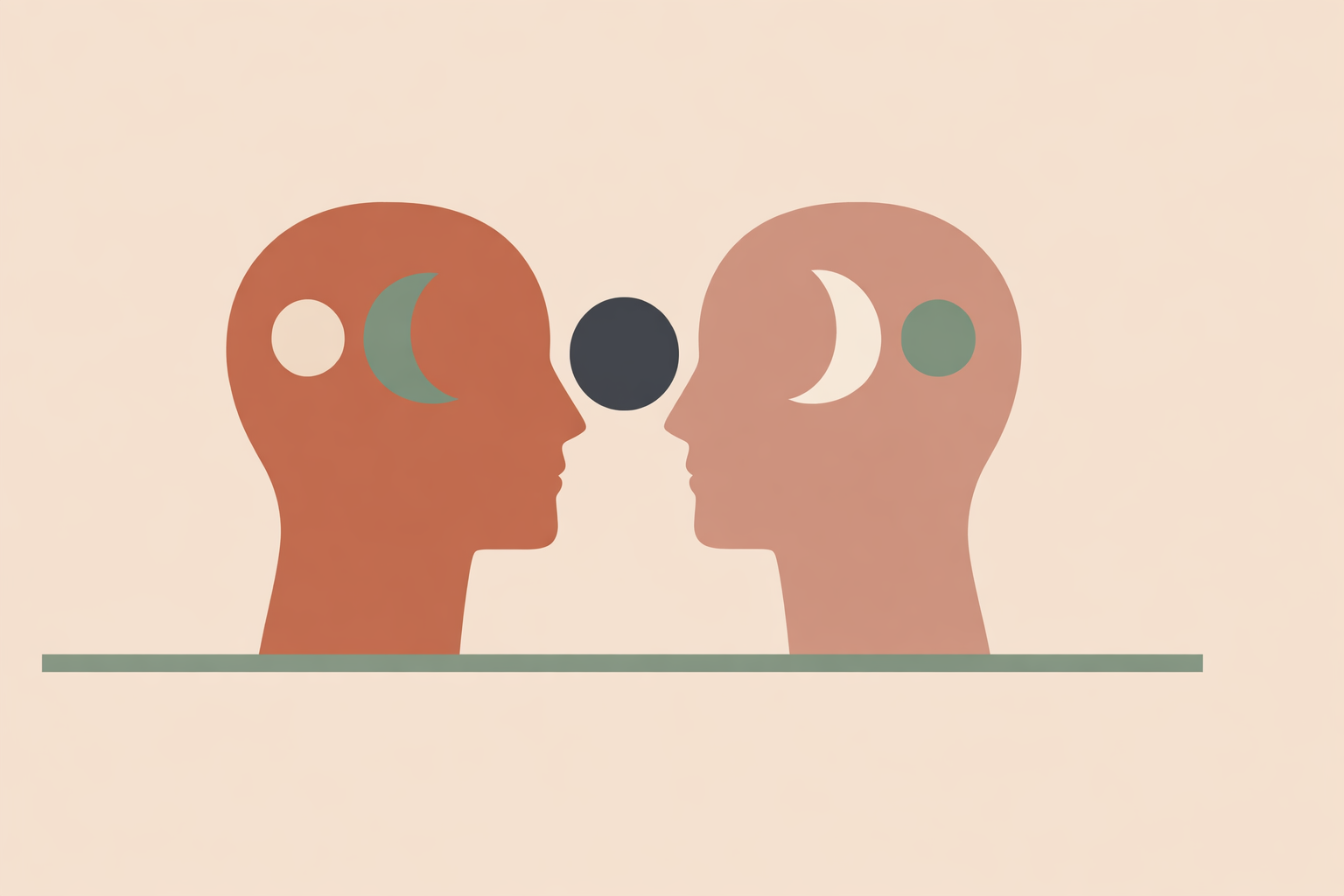
Start with patterns: what’s strong, and what’s stretched? With a 360, look for blind spots—places where others experience something the client doesn’t (or the other way around). Research on feedback regularly finds self–other discrepancies in ratings of emotional and interpersonal skills. What this means is: the “gap” itself can be the growth doorway, especially when it’s explored with support rather than shame.
Then blend your sources. Triangulate the scores with your observations and the client’s real-life examples; multiple data streams tend to improve focus and credibility. Prompts like these keep it practical:
- “What surprises you in how others described you?”
- “Where do these results match what your body does in a tough moment?”
- “What’s one recent situation that captures this pattern clearly?”
Now bring in tradition as a resource, not an afterthought. Many lineages teach that emotions move in cycles—arising, cresting, resolving. Ask: When anger rises, what’s the first sensation? What cultural practices (song, breathwork, prayer, time in nature, tea rituals, movement) help you complete the cycle cleanly? This is where data meets heritage and becomes something the client can actually live.
As Robert K. Cooper noted, when stress spikes, we can slip into “autopilot” and do more of the same, only harder. Interpretation is your chance to slow autopilot down, name the pattern with compassion, and choose a wiser response.
Turning Emotional Intelligence Results into Ongoing Growth Plans
Insight becomes change when it’s turned into a simple plan the client can live with—supported by check-ins, small rituals, and observable progress. Keep it culturally grounded and realistic for their actual week.
Start with one or two keystone skills. Emotional intelligence is learnable, but spreading attention too thin often leads to stalled momentum. Choose a focus that unlocks other areas—like strengthening self-awareness before advanced empathy work, or building steadier self-regulation before taking on high-stakes conversations.
A practical rhythm is a 6–8 week sprint:
- Daily micro-practice (2–5 minutes): breathe and name the feeling; a quick body scan before key conversations; a one-sentence mood log.
- Weekly rehearsal (15–20 minutes): role-play a tough dialogue; write a repair script; practice a boundary phrase.
- Ritual support: morning grounding, end-of-day release, or a cultural practice (song, tea, prayer, movement) that honors emotion’s cycle.
- Community witness: share a micro-win with a trusted friend, mentor, or circle to reinforce the new pattern.
Choose success markers you can actually notice: “I pause before replying most of the time,” “I ask one curiosity question in disagreements,” or “I soften my jaw and shoulders during tense calls.” Where it fits, re-measure and schedule follow-ups around two months and later in the year, in line with practice-based recommendations for sustained development.
Support beats score. Assessment works best when it’s paired with coaching, practice, and community—so the results turn into lived choices rather than a static report.
Conclusion
Emotional intelligence assessment doesn’t replace traditional ways of knowing—it gives them a modern scaffold. When you pair attentive listening with well-chosen tools, clients gain language for what their bodies and ancestors already recognize: emotions are guides.
Used with care, the process is straightforward: choose a fitting method, create psychological and cultural safety, interpret results as patterns (not labels), and translate insights into a simple practice plan. As with any reflective tool, the main cautions are to avoid over-relying on a single score, protect confidentiality—especially with 360 feedback—and keep cultural context central so “growth” never becomes assimilation.
Build EI Skills with Certification
Deepen your assessment-to-practice approach with Naturalistico’s Emotional Intelligence Certification.
Explore Emotional Intelligence Certification →