Many practitioners recognize the same pattern: you finish a strong session, then spend an hour turning it into a dense, multi-page plan that reads well and lands flat. Clients nod, then come back with little traction and a quiet sense of failure, and the next session starts with sorting through an overbuilt document. The impulse is generous—cover every angle, blend every modality, prove value—but complexity often slows decisions, dilutes focus, and pulls attention away from what matters most.
A lean, co-created plan usually works better than a comprehensive one. When sessions use a reusable framework, follow-ups focus on a few specific actions, and the client’s own words are captured, the plan becomes easier to use in real life. Research links shared decision-making with stronger follow-through—something seasoned practitioners have witnessed for years: people are more likely to act on a plan they helped shape.
Key Takeaway: Simple, co-created wellness plans tend to outperform dense documents because they reduce overwhelm and make next steps easier to start. Use a reusable framework, choose a few core pillars, and write one or two specific actions in the client’s own words so the plan fits real life.
Shift from Expert to Attentive Guide
Real change grows through relationship, not through a perfect document. When you step down from “expert-on-a-pedestal” and move into the role of attentive guide, plans naturally get lighter—and more effective.
This is a clear lesson from traditional practice. Many lineages center story, observation, repetition, and long-term relationship rather than one-off instruction sheets. Around the world, these approaches remain widely used, often woven into family and community life.
Modern evidence aligns with what experienced practitioners already notice: collaborative relationships and treatment goals strengthen trust and follow-through. Essentially, people engage more when they feel heard, respected, and involved in shaping the path ahead.
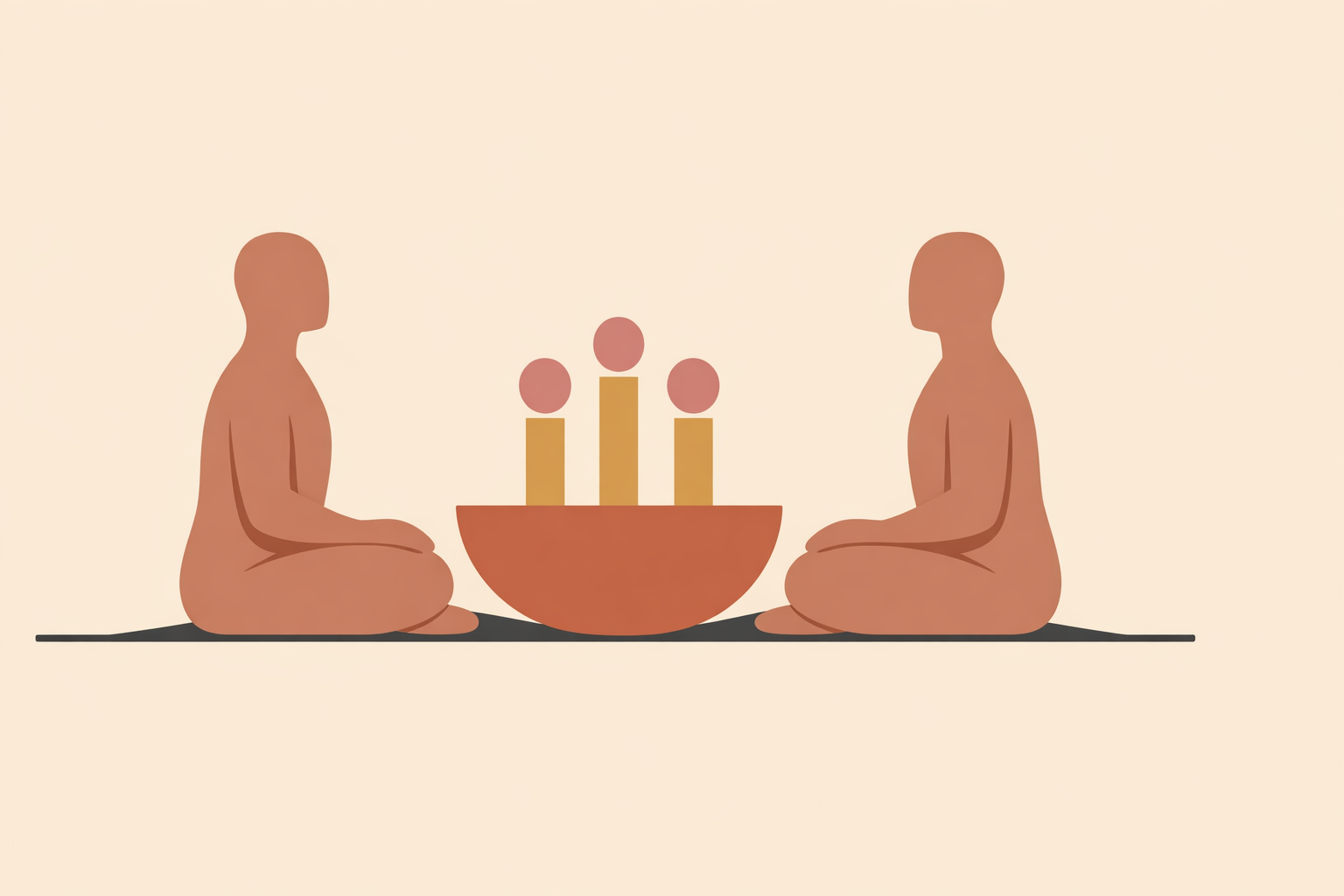
Many ancestral teachings are also transmitted through storytelling, demonstration, and shared practice rather than long written explanation. When you sit beside rather than above, the plan stays human-sized—an ongoing conversation instead of a performance of expertise.
So rather than arriving with a fixed blueprint, arrive with presence. Listen for what’s ripest. Offer one small practice. Then stay close enough to see how it lands.
Create a Simple Framework You Can Reuse
A light, repeatable framework helps you stop reinventing the wheel. It also gives clients a sense of continuity from one session to the next.
Most practitioners end up returning to a handful of foundations: nourishment, movement, rest, regulation, and connection. These pillars are simple, but not shallow. Think of them like the roots of a tree—quiet, steady supports that make everything else possible.
Traditional systems have long organized guidance this way. Ayurveda, for example, uses daily and seasonal routines such as dinacharya to create structure without rigidity. The point isn’t a bigger checklist—it’s a stable container for practice.
Longevity research often echoes similar themes. Blue Zones discussions repeatedly return to whole foods, everyday movement, community, and purpose. Whether you start from traditional wisdom, practitioner observation, or modern lifestyle thinking, the lesson is consistent: a few steady anchors usually matter more than a long list of ideals.
As Robin Sharma puts it, “Small daily improvements over time lead to stunning results.”
Choose 3–5 core pillars, not 30 scattered ideas
- Nourishment: one shift in food or hydration aligned with culture, season, and preference.
- Rhythm: one stabilizing anchor in the day, such as waking, meals, or wind-down.
- Connection: one practice that strengthens belonging, from family meals to a weekly community touchpoint.
- Ritual: one small act that signals care, reflection, or grounding.
- Movement or Rest: one realistic pattern, such as short walks, gentle stretching, or a protected sleep window.
Pick the three to five that best match your way of working. These become the bones of your planning; everything else can be layered in as capacity grows.
Build the Plan Live During the Session
Build the plan together, in real time. Move from the person’s story to one or two next steps that feel genuinely doable this week.
A simple flow works well: listen for the pattern under the problem (skipped meals, loneliness, late-night scrolling, racing afternoons, loss of rhythm). Then connect that pattern to one pillar. Finally, co-create one clear step that fits the client’s real life, much like a practical session flow.
Goal-setting research favors goal-setting theory rooted in clarity over vague ambition. Motivational interviewing lands in the same place: follow-through is stronger when it feels like the client’s own plan, not something handed down.
From intake story to one or two realistic next steps
- Reflect and focus: “I’m hearing that afternoons crash after you skip lunch. Would it make sense to work with Nourishment first?”
- Co-create the step: “What’s one snack you would actually enjoy and keep on hand?”
- Make it specific: add when, where, and how: “Almonds and dates in a jar on the desk, with a 3 pm reminder.”
Use gentle scaling to set the pace
- Readiness scale: “On a 0–10, how confident do you feel about this?” If it’s low, simplify until it feels realistic. These scaling questions can save weeks of friction.
- Layer slowly: Many traditional teachers introduce practice in sequential steps, letting one element settle before adding another. That pacing works beautifully here, too.
As Blaise Pascal observed, people are best persuaded by the reasons themselves.
Your role is to help those reasons emerge—and give them a concrete, humane shape.
Use Templates Without Losing Personalization
Templates can support presence rather than flatten it. The key is flexible scaffolding that leaves room for culture, preference, and pace.
Used well, templates reduce decision fatigue and help you stay steady under pressure. They hold the shape of the session so your attention can stay with the person in front of you. Over time, that consistency also makes progress easier to notice—and research links strong relational continuity with better regular attendance and follow-through.
Traditional apprenticeships relied on repeatable sequences, too: a qigong set, a seasonal rhythm, a chanting progression, a way of opening and closing practice. Structure has always been part of transmission; what matters is keeping it alive and responsive.
As writer Atul Gawande likes to say, “Structure doesn’t inhibit creativity, it enables it.”
- Session flow template: settling, story, pillar focus, co-created steps, confidence check.
- Plan template: three pillars, one action each, why it matters in the client’s own words, when/where/how, and notes on fit.
- Follow-up template: two bright spots, one adjustment, and the next micro-step.
Let templates hold the frame, not dominate it. Personalization lives in the details: language, timing, values, household rhythms, faith, work schedule, season, and capacity.
Weave Traditional and Ancestral Practices in Respectfully
Bring cultural wisdom forward with care. Name roots, honor context, and stay within your scope. Respect is part of good practice.
Teachings around foodways, seasonal rituals, breath, song, and plant knowledge are living intangible heritage, held by real communities. And because traditional approaches remain in global use, cultural humility isn’t optional—it’s how you keep the work grounded and ethical.
If you draw from a practice, name where it comes from. If it sits outside your lineage or training, don’t present it as your own. Where possible, acknowledge teachers clearly and work in ways that honor the people who have carried the tradition.
A steady north star comes from community organizing: “Nothing about us without us.”
- Attribute clearly: “This breath practice comes from pranayama; I learned it through this teacher and lineage.”
- Check fit: ask how the practice sits with faith, family rhythms, and daily life.
- Offer options: share culturally resonant alternatives where possible.
- Keep scope honest: if a request goes beyond your training, say so plainly and support the person in finding an appropriate guide.
Respect deepens trust—and it keeps the work faithful to the traditions you say you value.
Protect Your Energy So the Work Stays Sustainable
Your energy is part of the container. Sustainable systems, clear limits, and realistic planning help your practice mature without draining the life out of it.
Many practitioners learn this the hard way: if every session creates a fresh wave of formatting, messaging, and improvisation, presence thins out. Lighter plans aren’t only easier for clients to use—they’re also easier for you to sustain.
The broader conversation around work strain matters here. The World Health Organization recognizes burnout as an occupational phenomenon. In day-to-day practice, batching tasks and reducing task switching can protect attention and preserve steadiness.
Traditional lineages often held this wisdom instinctively. Many include slower seasons, retreat periods, and simpler cycles of practice because rest supports discernment. A guide who never pauses eventually loses sensitivity.
The proverb still stands: you can’t pour from an empty cup.
- Batch admin: use set windows each week for follow-up notes and plan updates.
- Set plan limits: cap most follow-ups at one or two actions unless the client truly has capacity for more.
- Right-size your caseload: choose a number of sessions that fits your current season of life.
- Hold communication boundaries: offer a clear window for short questions rather than staying half-on-call all week.
- Reset seasonally: simplify your own rhythms and prune systems that have become heavier than they need to be.
Sustainability isn’t a luxury. It’s part of the craft.
A Calmer Way to Plan
When you trade heavy documents for simple, relational plans, something shifts. People step out of overwhelm and into agency. You stay grounded in presence instead of wrestling with pages. The work becomes more coherent, more humane, and more aligned with traditional insight: steady practice beats scattered effort.
Keep it simple: choose your pillars, co-create one or two steps live, and document lightly. Let structure hold the frame, and let relationship do the guiding, especially when working with holistic stress support.
As Lao Tzu reminds us, “The journey of a thousand miles begins beneath one’s feet.”
Start with one good step this week, and let the rest unfold in season.
Explore Naturopathy Certification
Apply simple, co-created planning with grounded holistic tools in the Naturopathy Certification.
Explore Naturopathy Certification →