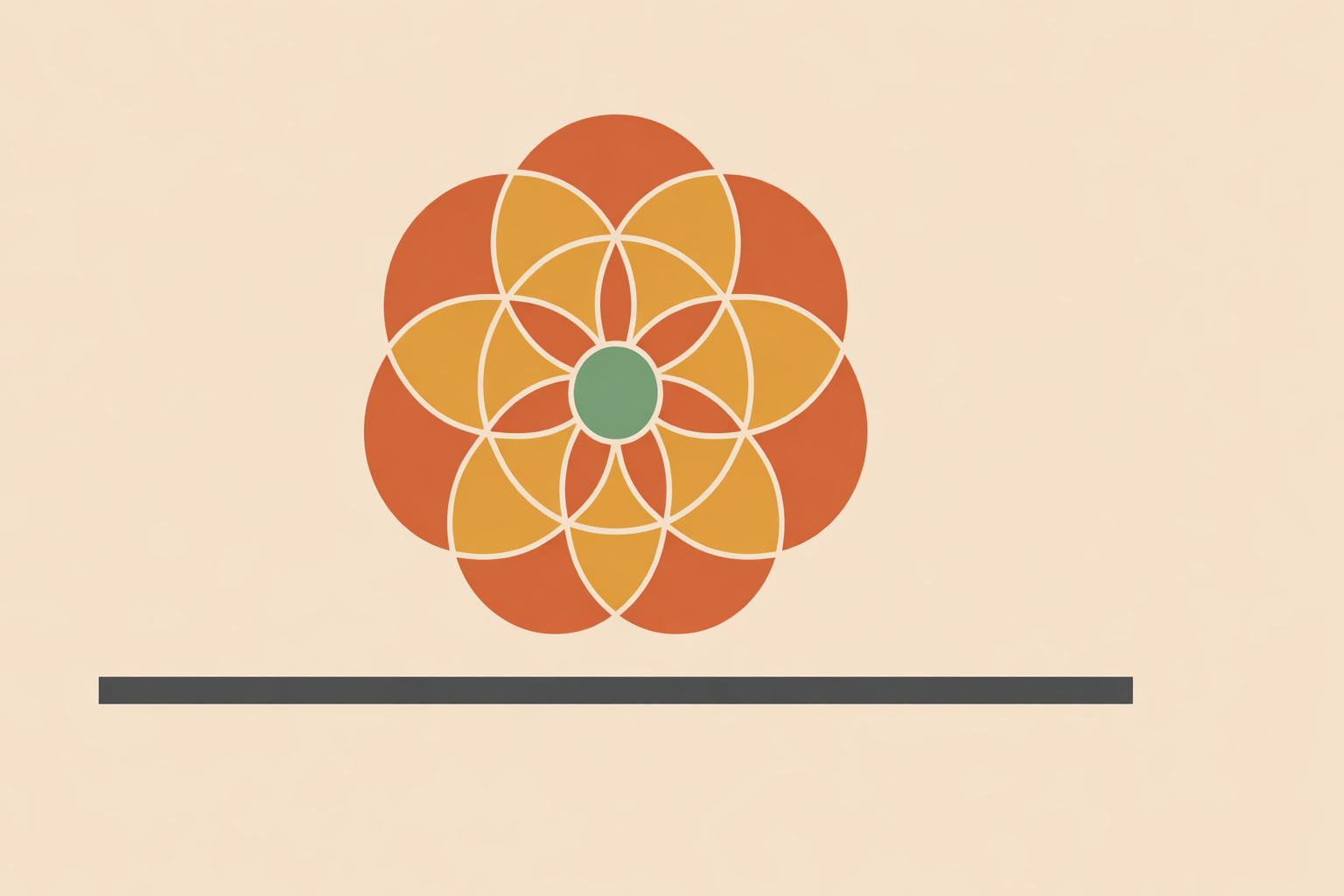
Sacred geometry meditation can be a powerful, steadying presence in sessions when it’s held with clear intention, cultural respect, and grounded pacing. Offered this way, it can genuinely support well-being by encouraging gentler mood and emotional shifts.
At heart, sacred geometry refers to forms that reflect an underlying order in nature and within us. Some modern teachers call it the universe’s “architectural maths,” and across cultures practitioners have worked with shapes like the Flower of Life, Sri Yantra, and Metatron’s Cube as supports for inner stillness and insight.
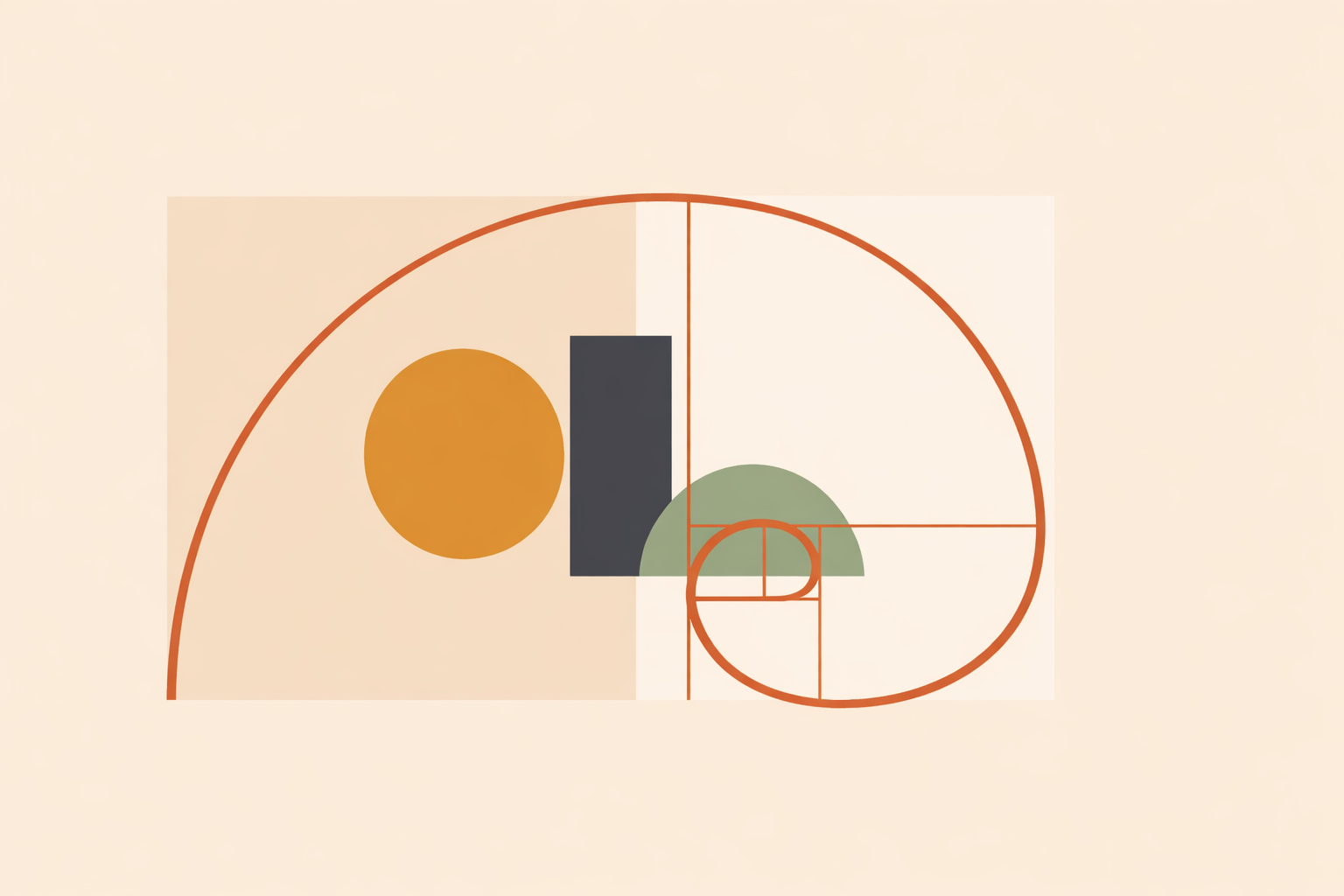
In a session, these forms give attention something trustworthy to rest on—much like the mandalas and yantras that have guided contemplative focus for centuries. Robert Lawlor’s reflection on the golden ratio is a helpful orientation here: geometry can remind us that we’re part of a larger pattern, and that growth can be a natural, ongoing unfolding.
Key Takeaway: Sacred geometry meditation is most effective in sessions when it’s introduced with consent, cultural respect, and gentle pacing that prioritizes nervous-system stability. Start with simple forms, titrate intensity, and return often to breath and body so the practice becomes a grounded felt sense—not an overwhelming visual experience.
Why sacred geometry meditation is resonating again
Sacred geometry is returning to the foreground because it offers a visual language that’s both ancestral and immediately practical. It bridges quiet inner presence with everyday integration—often with fewer words than many techniques require.
Historically, geometry has been woven into temples, cathedrals, ritual art, and mandalas. In meditative lineages, yantras like the Sri Yantra aren’t merely decorative; they’re functional designs that draw awareness inward through symmetry and proportion.
In today’s coaching and well-being spaces, many practitioners value sacred geometry because it can open inquiry into interconnectedness, intention, and presence in a simple, tangible way. Keeping genuine respect for cultural origins helps ensure the work stays ethical—rooted in lineage and meaning, not reduced to surface aesthetics.
“Geometry is one and eternal; shining in the mind of God. That share in it accorded to men is one of the reasons that man is the image of God.”
— Johannes Kepler (Kepler on geometry)
Kepler’s reverence is a valuable backdrop for session work: you’re not “using shapes” as a trick—you’re inviting a relationship with pattern, proportion, and the quiet intelligence they can awaken.
From symbol to felt sense in sacred geometry meditation
What matters most in sessions is the shift from looking at a symbol to sensing its order in the body-mind. Over time, the form stops being an image and becomes an experience—like moving from reading sheet music to actually hearing the melody.
Many traditions place attention near the brow center, where inner visuals can arise naturally—colors, lights, and intricate patterns. Research on third-eye rivalry describes how focused attention can produce vivid inner imagery, which echoes long-standing traditional descriptions in an interesting, supportive way.
In classical ajna or “third eye” practice, focus may begin as a simple point and then develop into spontaneous imagery, including geometric patterns that encourage steadiness. In Hindu and Buddhist contexts, the third eye is associated with insight and clarity—qualities many practitioners also associate with sacred geometry when attention rests at this center.
There’s also a straightforward aesthetic dimension: certain proportions, including the golden ratio, have been linked with our emotional response to beauty. That aligns with practitioner experience of forms acting like “visual mantras”—a steady, repeating structure that gathers attention, softens mental noise, and invites coherence.
“Fractal geometry is not just a chapter of mathematics, but one that helps Everyman see the same world differently.”
— Benoit Mandelbrot (Mandelbrot on fractals)
That “seeing differently” is often the shift clients actually recognize: more space inside their experience, and a calmer relationship to what’s already there.
Preparing a safe, grounded container for sacred geometry work
A stable container starts before any geometry enters the room. The environment you create, the words you choose, and the pace you set are what make this practice settling rather than overwhelming.
Start with a quiet space, a clear intention, and a natural posture. If you use visual art, keep it clean and coherent—one or two forms (such as the Flower of Life or Sri Yantra) without visual clutter, as many traditions of contemplative design emphasize in meditation spaces.
For grounding, some lineages begin with the square and the four directions before moving into more complex patterns. In practice, simpler forms first—and complexity later—tends to feel more stabilizing for most people.
Practical container checklist
- Space: Quiet, warm, minimal visual noise; a single focal image if using art.
- Intention: State it plainly (for example, “We’re inviting calm and clarity.”).
- Scope: Frame geometry as a support tool alongside other personal supports someone may already have.
- Pacing: Gentle entry, shorter holds at first, clear exits back to breath and body.
- Consent: Ask before introducing any new symbol or visualization.
Your first guided sacred geometry meditation: a session blueprint
This progression adapts well for one-to-one or small-group work. It moves from grounding into subtle exploration, then returns to integration—so the session feels complete, not left “open.”
A simple progression: sphere → Flower of Life → Merkaba
- Arrival: Sit upright, feet or sit bones anchored. Take three slow breaths. Name a shared intention for steadiness and clarity.
- Sphere of light: Guide clients to perceive a gentle, protective sphere around the body—soft, breathable, and kind. Many practitioners find this “sphere of light” helps establish a stable field before layering additional forms.
- Flower of Life: Introduce the pattern softly: imagine the space around you woven with interlacing circles, like a calm, living net. Let attention rest where the lines meet, and let the breath stay easy, similar to a gentle radiance practice.
- Merkaba: For those who feel steady, offer the star tetrahedron—two interpenetrating triangles—as a balanced, luminous geometry in and around the heart. Emphasize ease; if it feels too bright or fast, return to the sphere.
- Alternative gaze: If visualization doesn’t suit someone, let the eyes rest softly on a Sri Yantra at eye level, allowing symmetry to carry attention inward without strain.
- Breath–mantra fusion (optional): Some traditions coordinate breath with So’ham—exhale “ham” down the spine, inhale “so” to the crown—while resting attention at a central point of the chosen form (So’ham mantra).
- Integration: Deepen breaths, feel the weight of the body, sense the floor or chair, and orient to the room. Invite one simple word to name the felt quality now (integration phase).
Keep the tone warm and non-heroic. The point isn’t to “achieve” a vision—it’s to rest attention inside an elegant pattern and notice what naturally unfolds.
Selecting the right geometric form for your client’s intention
Choosing a form works best when it’s guided by intention, not rigid symbolism. Offer a short, respectful context for each form you introduce, then let the client’s response guide you in real time.
Working with Flower of Life, Sri Yantra, pyramids and more
- Calm and belonging: The Flower of Life is commonly used to evoke unity and a felt sense of being held within a larger pattern.
- Insight and subtlety: The Sri Yantra’s interlocking triangles support gaze meditation that many practitioners experience as gradually refining attention.
- Boundary and focus: Circles, squares, and triangles can be combined into simple intention layouts. Some practitioners use Metatron’s Cube or the Seed of Life as templates for crystal grids when it aligns with a client’s path and values.
- Embodiment: Framing postures or movement sequences as living yantras can help clients feel geometry (angles, spirals, symmetry) rather than only visualizing it.
- Foundations: Many practitioners experience spheres, pyramids, and tetrahedrons as steady anchors—spheres linked to wholeness, pyramids to grounded aspiration, and tetrahedrons to balanced activation.
Keep meaning-making client-led. Lawlor’s pointer to the golden ratio is useful here as a gentle backdrop: geometry can suggest growth and refinement, but the session should still feel spacious enough for each person’s pace.
Adapting sacred geometry meditation for sensitivity and neurodivergence
Many people thrive with visual practices, while others do better with gentler pacing or a different sensory doorway. The skill is collaboration: adapting the practice to the person in front of you, not pushing intensity.
When to slow down or switch techniques
- History of visual sensitivity: People who live with migraine aura can be especially responsive to visual stimuli, so simpler forms and shorter holds may be a better fit.
- Signs of overstimulation: Watch for shallow breath, eye strain, restlessness, or reports that visuals feel “too bright” or “too fast.” If these show up, downshift to breath-only or neutral body sensing.
- Neurochemistry considerations: Some research discusses overlapping dopaminergic patterns in certain visual-sensitivity states, which supports a more cautious approach to intense imagery for some clients.
- Collaborative intake: Use respectful screening questions: what visuals feel supportive, what has overwhelmed them before, and how they’d like to signal “pause.”
- Grounding on demand: Keep the 5-4-3-2-1 sensory exercise ready, and normalize pausing as good self-trust.
Pacing groups and immersive visuals
- Start with breath and a sphere: Begin with breath, clear opt-out options, and a simple “sphere of light” image to establish steadiness—especially in groups.
- Limit complexity: Work with one form at a time. Less visual complexity plus frequent breaks helps prevent nervous-system overload.
- Use frequent orientation: Every few minutes, invite people to feel their seat, notice one sound in the room, or open their eyes briefly. Essentially, you “titrate” the experience—small doses, plenty of stabilization.
- Close well: Allow longer integration when needed: walking, stretching, sipping water, or brief writing can help settle the experience after vivid visuals.
As a guiding ethos, let Kepler’s reverence stay in the background: geometry may be “one and eternal,” and our pacing still needs to be human-sized and kind (Kepler on pacing).
Integrating sacred geometry meditation into ongoing practice
Used with care, sacred geometry meditation becomes a refined, repeatable skill in your toolkit. With consistent use, many practitioners find it strengthens presence, clarifies intention, and supports a felt sense of coherence.
Over time, practitioners often notice more inner stillness and clearer intention-setting. The space is evolving too, with more people blending ancestral wisdom with contemporary formats like immersive art and thoughtfully designed conscious spaces.
For steady progress, keep it simple: begin with accessible forms, track responses, and refine based on what genuinely supports your community. Language around inner visuals and third-eye phenomena may also give helpful framing for experiences that traditional practice has described for generations.
And in the long arc, Lawlor’s reflection on the golden ratio offers a grounded reminder: this work isn’t about perfection. It’s about ongoing alignment with a living order—step by step, session by session.
Explore Sacred Geometry Certification
Deepen your session skills with Sacred Geometry Certification, grounding symbols, pacing, and ethical, client-led practice.
Explore Sacred Geometry →