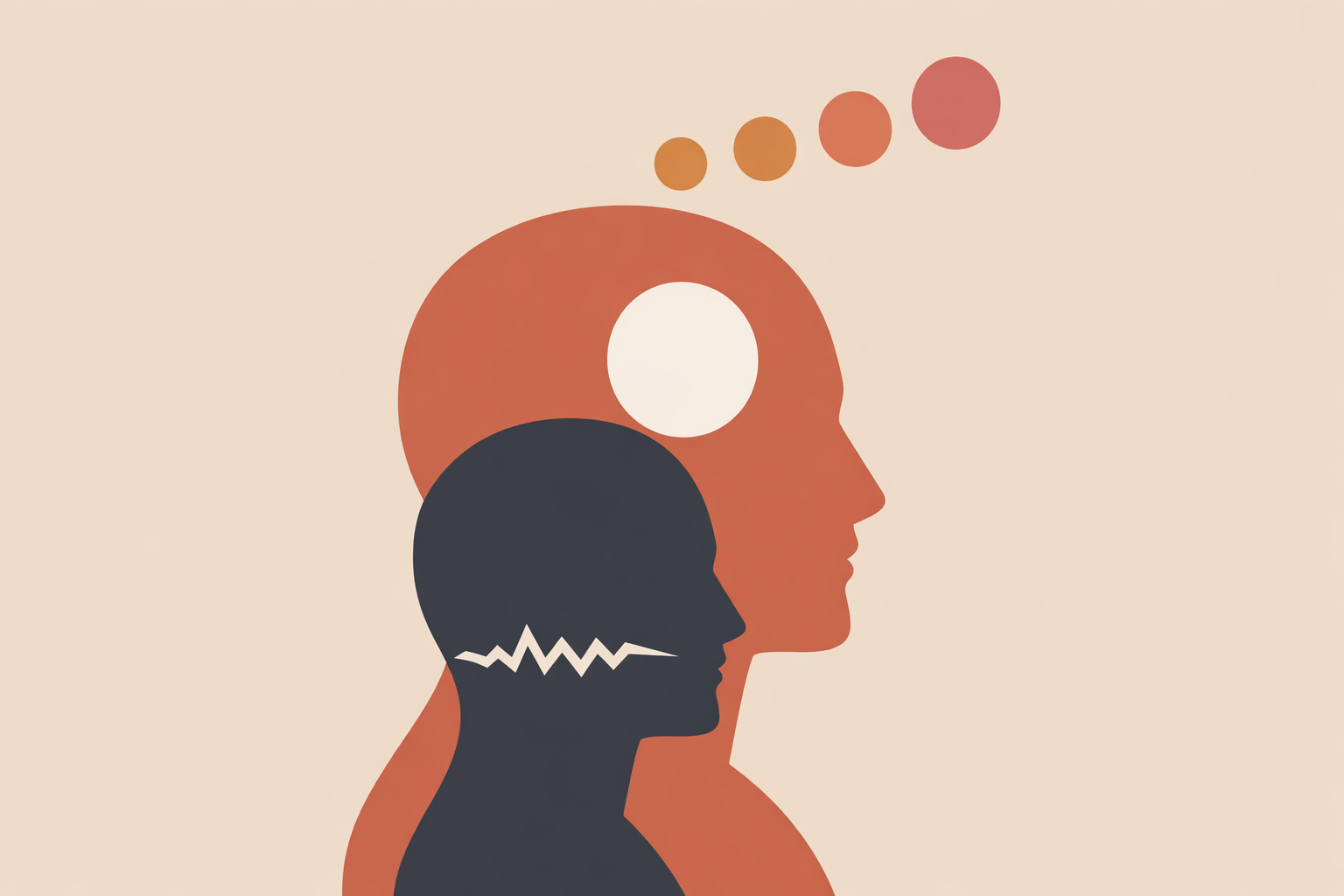
Most practitioners recognize the same moment: a client can explain the plan clearly, genuinely want the change, and still fall back into the old pattern when pressure hits. Insight can be real—and still not be available in the exact moment it’s needed. That gap is common because people can slip back into familiar patterns even when their intentions are strong.
What happens in a session can also have limited transfer once everyday cues return. Clients often describe a familiar chain: a trigger, a rush of emotion, fewer perceived options, then an unplanned choice. Essentially, it’s not that they “don’t care”—it’s that stress temporarily locks them out of their wider perspective.
Key Takeaway: Lasting change often requires pairing conscious insight with practices that retrain automatic responses under stress. A brief, structured arc that uses relaxation, imagery, repetition, and cue-based rehearsal can help new choices become accessible in the exact moments clients usually revert to old patterns.
Why clients get stuck even when they know what to do
What gets labeled as “resistance” is often a state issue. Under pressure, stress can narrow resources, making it harder to access flexibility, insight, and choice.
A common pattern looks like this: cue, emotional spike, narrowed options, unplanned behavior. When cue-triggered affect takes over, attention and decision-making can tilt toward the fastest familiar response—long before reflection catches up.
This is why looping thoughts, avoidance, self-sabotage, and repeated reactions are often better understood as a mismatch between intention and conditioning, not a character flaw. Progress tends to speed up when the practitioner stops judging the pattern and starts listening to how it was learned.
That stance shift matters. A compassionate, curious approach lowers defensiveness and makes new learning possible. Put simply, curiosity wins.
Conscious and subconscious work in practical terms
In day-to-day practice, the conscious mind supports planning, reflection, and deliberate decisions. The subconscious refers to the faster, automatic layers of learning that shape perception, expectation, and response.
Rather than making the subconscious mysterious, it’s more useful to see it as well-trained machinery. It stores associations, repeats what’s familiar, and runs what’s been practiced most. That’s why repetition matters: it increases automaticity.
Traditional lineages have worked with these deeper layers for centuries, often through story, rhythm, ritual, breath, repetition, and community reinforcement. Modern coaching may use more structured relaxation or hypnotic methods, but the principle is the same: lasting change becomes easier when you work with the part of a person that learns through experience and responds quickly under pressure.
A simple 5-session arc for deeper behavior change
A brief structure works well because it creates momentum without overcomplicating the process. Focused models show that four to six sessions can be effective for building durable skills when the work is clear and targeted.
- Session 1: clarify goals, patterns, consent, and boundaries
- Session 2: build access through breath, relaxation, and focused attention
- Session 3: re-pattern through imagery, suggestion, and emotional re-tagging
- Session 4: embed change through rehearsal, self-practice, and cue design
- Session 5: integrate learning, protect autonomy, and plan ongoing practice
Many ancestral pathways follow a similar rhythm—story, breath, repetition, community, reinforcement. The forms vary, but the sequence often “rhymes” in a way that supports real-world follow-through.
Session 1: clarify goals and create the right conditions
The first session gives the work direction. Clarify what happens, when it happens, what the client wants instead, and how they’ll recognize progress in daily life.
This is also the moment to normalize the gap between insight and action. Someone can understand the pattern perfectly and still lose access to that understanding under stress. Naming this early reduces shame and strengthens collaboration.
Then set a clear container: explain how focused relaxation, imagery, and suggestion will be used; confirm participation is voluntary; and agree on boundaries. The aim is never to override inner protections—it’s to work with them respectfully and transparently.
Session 2: use breath, rhythm, and imagery to access automatic systems
Once the goal is clear, the next step is access. Breath, rhythm, imagery, and precise wording are reliable gateways because they speak a language the body already understands.
Rhythmic breathing and guided imagery can re-regulate arousal so clients have more room to choose their response. Focused breathing can also reduce stress and help people feel steadier when activation rises.
Traditional wisdom is especially strong here. Chant, breath counting, repetitive prayer, drumming, and guided inner imagery have long helped settle the surface mind and open deeper receptivity. Not every method fits every person or culture, but the principle is consistent: rhythm organizes attention.
In coaching contexts, self-led hypnosis and relaxation can be taught gently when the frame is clear, language is respectful, and the client is always free to pause, adapt, or decline.
Session 3: re-tag habits, beliefs, and emotional memory
When someone can enter a calmer, more focused state, deeper pattern work becomes more available. This is where suggestion, imagery, repetition, and story help change what the person automatically expects and does.
Emotionally charged experiences can shape long-term patterns more strongly than neutral ones. Here’s why that matters: old reactions can feel “true” simply because they’re emotionally loud and well-rehearsed.
Rather than debating the pattern, it often works better to give the system a new experience to organize around. A client can rehearse a challenging situation in vivid detail while staying connected to breath, steadiness, and a new internal response. The goal isn’t denial—it’s familiarity, so the new pathway becomes usable in real life.
When appropriate, revisiting older memories from a more resourced state can reduce charge, so the present is less pulled by the past.
The brain responds strongly to vivid imagination, which is why visualization has such a long history across both traditional and modern change work: it’s rehearsal for a different future response.
“Hypnotherapy is a heightened state of concentration and focused attention.”
Session 4: embed change through repetition and cue design
A strong session helps—but durability comes from rehearsal. New responses need enough repetition that they begin to feel natural in the exact situations that used to trigger the old pattern.
This is where self-practice becomes essential. A short daily sequence using breath, focus, and a few carefully chosen phrases can strengthen regulation over time. Consistent practice is associated with better coping and steadier responses under pressure.
Outer design matters too because habits are cue-dependent. Linking a desired response to specific cues can make follow-through more consistent.
That might mean a visual reminder near a desk, pairing a breath reset with getting into the car, or practicing a grounding phrase whenever a familiar stress cue appears. Think of it like laying tracks: once the route is there, the mind travels it more easily.
Session 5: integrate, protect autonomy, and support ongoing practice
The final session is about consolidation. Review what changed, what helped most, what still needs support, and what the client wants to continue.
Autonomy stays central. The person isn’t handing over authority—they’re learning how to work with their own attention, patterns, and responses more skillfully.
At this stage, a simple ongoing rhythm usually helps:
- one brief daily relaxation or self-hypnosis practice
- one or two cue-based resets for predictable stress moments
- a weekly reflection on what is becoming easier
- clear boundaries around what belongs inside the practitioner’s scope
This is also the right place for cautions: keep the work collaborative, respect cultural origins when drawing on traditional practices, and avoid grand promises. If someone’s needs move beyond a coaching container, pause and support them in finding an appropriate next step.
Why this approach works so well in practice
The strength of this approach is that it doesn’t force a choice between insight and embodied practice. Reflection provides direction; subconscious-focused methods help that direction hold under pressure.
Breath, rhythm, imagery, precise wording, and repetition aren’t “extras.” They’re often the bridge between understanding and follow-through—something traditional systems have demonstrated for generations through repeated, meaningful experience.
When used ethically, hypnosis and relaxation can offer noticeable support for situational anxiety or sleep difficulties, especially with home practice. Integrated approaches using these tools can improve coping and help settle stress responses.
Many stubborn patterns soften when insight isn’t asked to do the entire job. Change becomes more durable when conscious intention and automatic learning begin to point in the same direction.
Master Professional Hypnotherapy
Apply these techniques confidently with the Professional Hypnotherapy Certification in real client sessions.
Explore Professional Hypnotherapy →