If you love helping people move better, the most helpful question isn’t which title sounds right—it’s what you want to do inside a real client hour. Kinesiology usually holds a wider view of how people move through daily life, while exercise science focuses more on how planned exercise shapes fitness and performance.
Key Takeaway: Choosing between kinesiology and exercise science comes down to what you want each client hour to prioritize: subtle, whole-person listening and context, or structured assessment, programming, and measurable progression. Many effective practitioners blend both, using communication, feedback, and ethical clarity to keep sessions responsive to real needs.
The fork in the road: your ideal client hour
Clarity arrives faster when you picture one actual session: how you greet the client, what you notice first, and what you choose to prioritize when time is limited and the story is layered.
In kinesiology settings, hands-on learning—supervised labs, placements, and working with real people—tends to sharpen the communication and on-the-spot decision-making that real sessions demand. Reflections on training often highlight how real-life experiences and practicums help turn theory into confident practice.
In exercise-science-informed spaces, a common gold standard is being able to plan well—and still adjust smoothly as the session unfolds. Many coaching resources emphasize that effective professionals adapt in real time rather than clinging to a script.
From vague labels to the feel of one session
Try running a single appointment in your mind from hello to goodbye:
- If you’re drawn to slower pacing, subtle enquiry, and the felt sense of what the body is communicating, that often resembles a kinesiology hour—where dialogue, muscle responses, and context weave together. Many clients describe this as settling and perspective-shifting: “I felt uplifted and relaxed… able to face my issues with a new perspective,” and “after just one session I felt much more relaxed and content.”
- If you feel energized by assessments, a clear progression, and tracking change over time, that often resembles an exercise-science hour—structured, dynamic, and responsive.
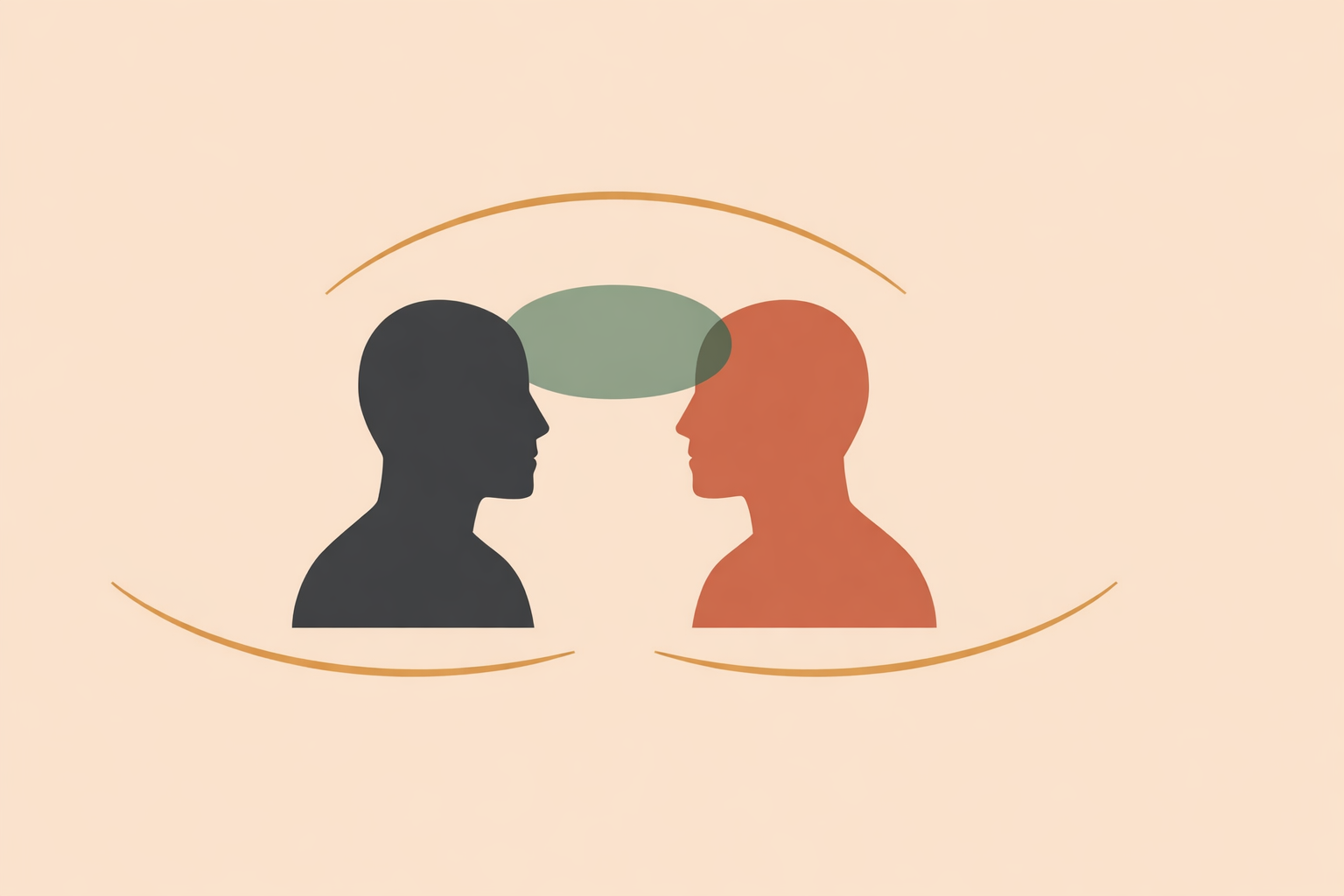
Whichever direction you lean, the relationship inside that hour still does a lot of the heavy lifting. Communication and trust strongly influence follow-through, and coaching guidance consistently connects the client–coach relationship with better consistency and results.
What kinesiology and exercise science actually study
These fields share a core foundation, then diverge in emphasis. Knowing that difference helps you predict what your day-to-day sessions will naturally revolve around.
Kinesiology is the study of human movement in broad contexts—from everyday function to high-level sport—looking not only at what the body does, but why movement patterns show up in real environments. Many descriptions position kinesiology as a broad umbrella that spans settings rather than narrowing to one niche.
Exercise science focuses more specifically on how planned exercise changes the body’s systems and impacts performance. Many programs also note that both routes often begin with similar coursework—anatomy, physiology, biomechanics—before specialization through labs and practica (shared foundations).
Kinesiology: big-picture human movement
Career guides often align kinesiology with context-rich work where you read the person as much as the plan, and where research and theory help you make sense of complex patterns (broad alignment). Essentially, it’s a field that gives you maps for how movement, mind, and environment interact.
Exercise science: planned exercise and adaptation
Exercise science tends to be more metric-oriented—testing, programming, progressions, and performance. If you enjoy turning physiology into practical plans, this applied focus often feels like a natural fit.
When sessions are about subtle shifts and body wisdom: kinesiology
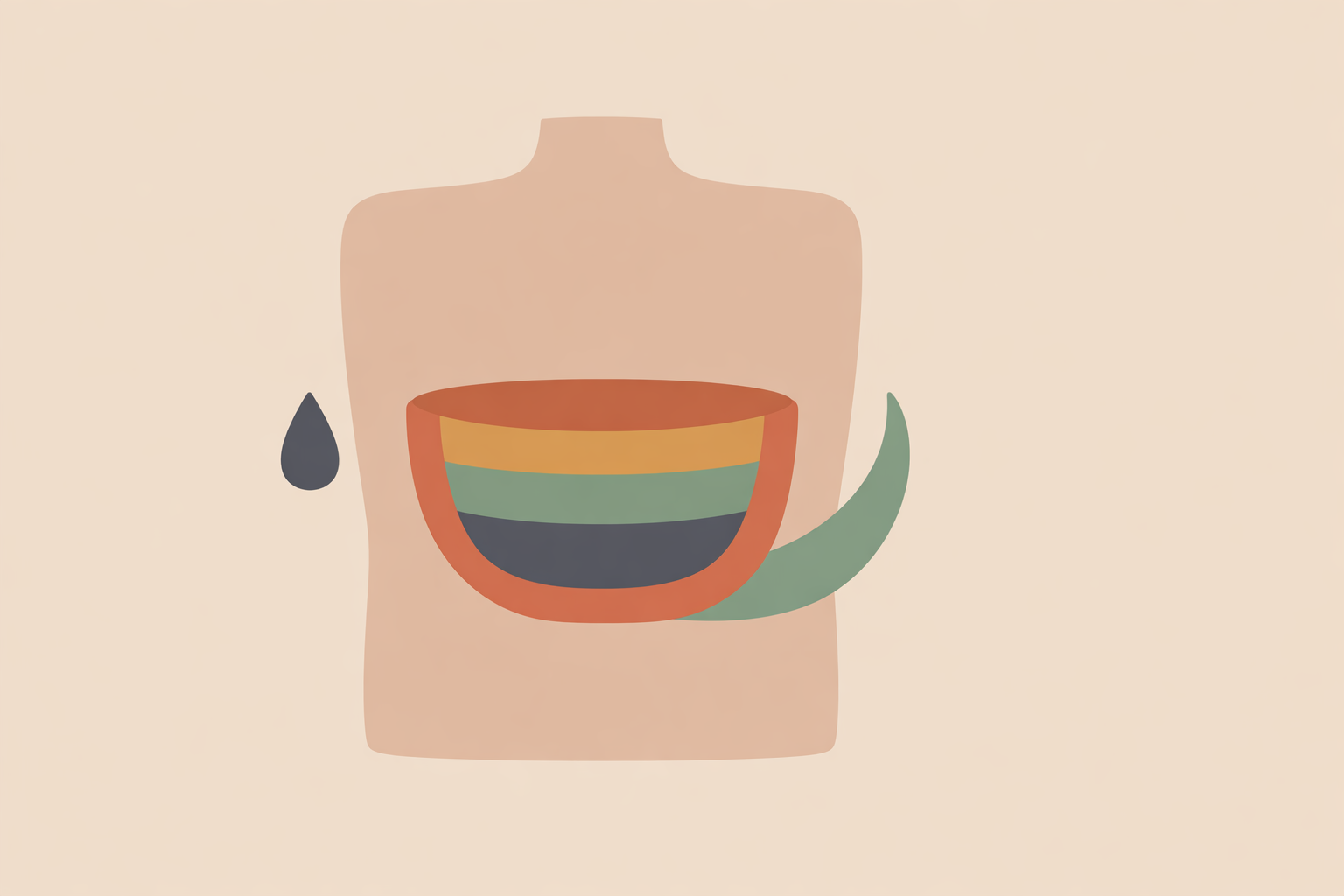
Some sessions call for refined listening—to muscle tone, breath patterns, emotion, and energy. This is where holistic kinesiology often shines, because it’s built for noticing small signals and working with the whole person.
Practitioners commonly integrate physical, emotional, and spiritual dimensions of movement, using muscle testing and meridian-informed maps to support balance and self-awareness. These skills can also expand beyond one-to-one work into groups and community offerings while still holding a whole-person view.
Holistic muscle testing and energy awareness
For many practitioners, muscle responses become a respectful, moment-to-moment dialogue with the body—simple “yes/no” checks that help prioritize what matters most today. One learner described the practicality of this approach:
“With very basic ‘yes/no’ muscle testing… I was able to work out what was going on and find a way out of pain, simply and easily.” (personal story)
Communication is what keeps this work clean and client-led. Many resources emphasize attentive verbal and nonverbal listening, so meaning is explored rather than imposed (verbal communication).
Where movement science meets tradition
Traditional practitioners have always understood that movement doesn’t happen in isolation—family, culture, surroundings, and relationships shape how the body organizes itself. Modern systems thinking increasingly echoes that view, noting how the physical environment influences behavior and movement.
Put simply: if you’re drawn to subtle change, your toolkit may include breath, mindful pacing, meridian-informed mapping, and gentle muscle checks—always with clear consent and respect for the client’s own words and lived experience.
When sessions are about programs, performance, and metrics: exercise science
Other sessions call for structure: clear goals, measurable baselines, and progressions you can review together. That’s the sweet spot for exercise-science-informed work.
Career overviews often describe preparation for hands-on roles in gyms, wellness hubs, and sport environments, where assessment and program design are daily tools (applied roles). Program descriptions also commonly emphasize assessment skills and understanding how the body responds to different training intensities (program skills).
Testing, programming, and progression
Many degrees include lab-style learning—such as VO₂ testing—so students can connect physiology to real coaching decisions. In everyday practice, that often looks like cycles with targets, check-ins, and calm course-corrections.
Movement science writing also supports building individualized training based on a person’s profile to support performance and reduce risk over time. In youth sport, ankle flexibility and knee extensor torque have been highlighted as predictors of jump performance, which can inform more targeted screening and programming.
Working with strength, fitness, and daily function
Whether your focus is sport performance or everyday capacity, the rhythm is similar: assess, plan, progress, then learn from the response. As one famous lifter put it, “The last reps is what makes the muscle grow… This area of pain divides a champion from someone who is not a champion.” In good coaching culture, the spirit is progressive challenge—not punishment—so clients feel supported as they grow.
What research and tradition say about session results
Across methods, results rarely come from one “special” technique. What matters most is the container you create: rapport, personalization, and feedback that keeps the work honest.
Coaching literature consistently links listening, empathy, and clear feedback loops with stronger follow-through and outcomes (client adherence). Training education also stresses that personalization and ongoing assessment tend to outperform any one tool used in isolation.
Beyond magic bullets and single techniques
On the performance side, load monitoring can help professionals notice when someone may be drifting toward overreaching—one reason measurement can be genuinely supportive. On the other hand, research on taping effects often finds limited performance differences compared with no taping, even when people feel more supported. A governmental taping review similarly advises against relying on taping as a primary strategy due to limited effect on pain or function.
The takeaway isn’t to discard tradition or obsess over data. It’s to choose tools that serve the person’s goals, keep techniques in proportion, and stay consistent. As Jillian Michaels reminds us, “It’s about effort… every single day.”
Honouring ancestral wisdom alongside modern data
Traditional movement systems have supported communities for generations because people paid close attention to what helped and passed that knowledge on. Modern research can add clarity and refine choices, but it doesn’t replace lived lineage. A grounded approach is simple: meet the person in front of you, choose what fits today, and keep noticing what changes over time.
Designing sessions that blend structure with intuition
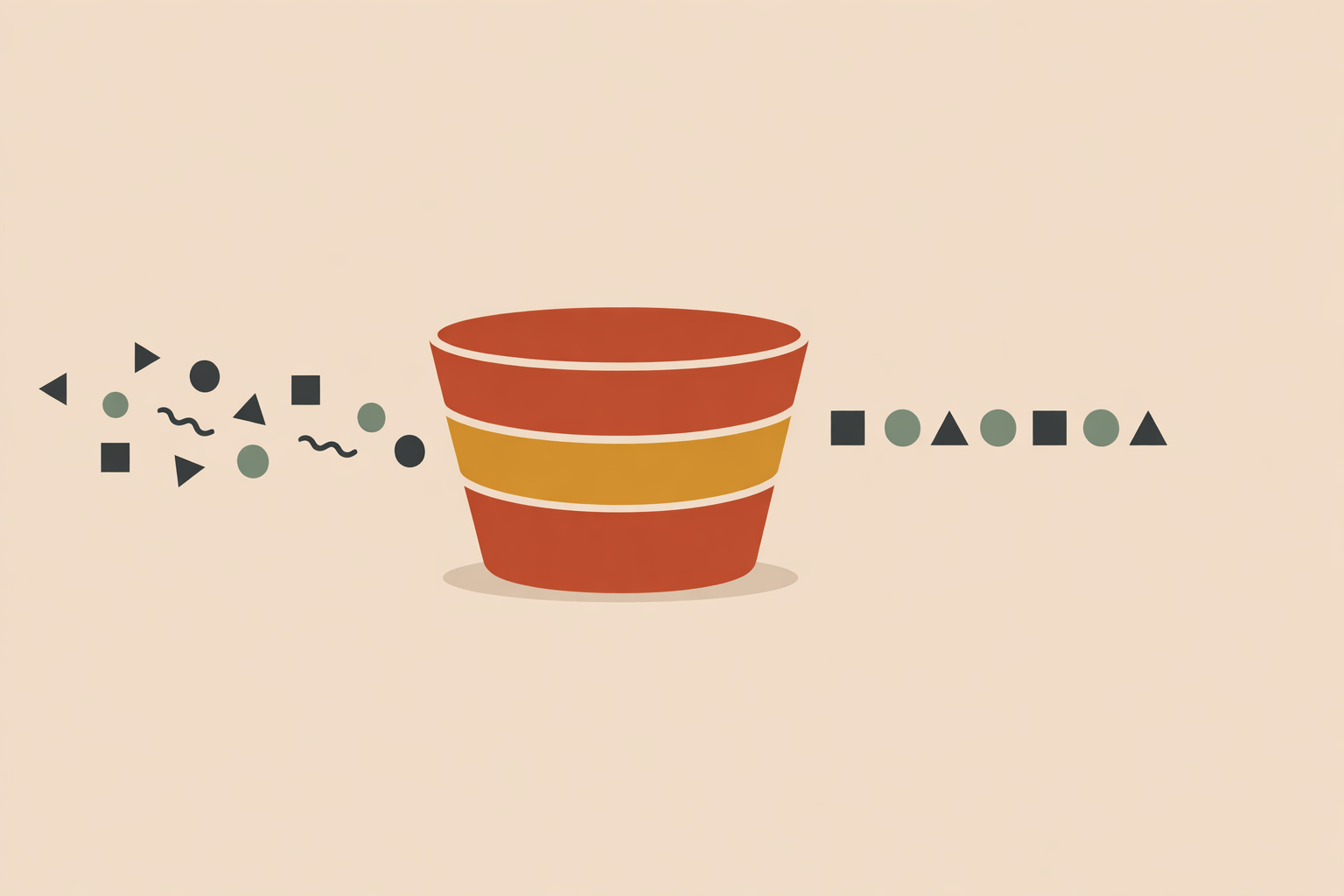
Many practitioners naturally work in the middle—using enough structure to stay clear, and enough intuition to stay human. Think of it like building a sturdy frame, then letting the session breathe inside it.
Communication is the keystone. Nonverbal cues, empathy, and collaborative goal-setting can strengthen motivation and follow-through (communication skills). Active listening and open questions also help you stay aligned with real-life constraints (active listening).
Communication as the bridge
In a blended session, you might begin with two or three simple check-ins—range-of-motion snapshots, a basic strength marker, or a readiness rating—then shift into a slower segment of body listening.
Holistic kinesiology offers a clear example of how dialogue and muscle responses can co-create meaning while keeping the client’s experience at the center.
From there, you can:
- Translate insights into a short, focused movement plan.
- Check in on both numbers (when useful) and felt experience.
- Adjust pacing, load, or focus based on what emerges.
Practice-based education also encourages clear records and a learning partnership over time (client–practitioner partnership).
Building an ethical, client-centred framework
- Start with consent and clarity: Explain what tools you’ll use and why, and invite the client to opt in, opt out, or modify.
- Anchor to outcomes that matter: Pick 1–3 markers (for example, an energy scale, a movement pattern, or a daily task like carrying groceries), and re-check briefly at the end.
- Blend methods with intention: You might use a short body-listening segment to identify priorities, then move into targeted programming and practice.
- Reflect together: Ask what felt most helpful and make one small adjustment for next time.
- Keep learning loops: supervised practice supports faster, more client-centered decisions when sessions get complex.
Progress isn’t only reps or relaxation. As one coach put it, “Success… is measured in the confidence and determination that grows in your clients.”
Conclusion: kinesiology vs exercise science for the practice you want to build
If you’re called to subtle enquiry, context, and whole-person sessions, a kinesiology-first path will likely feel natural. If you thrive on programs, testing, and performance, an exercise-science-first path may fit best. Many practitioners blend both—listening deeply, then programming precisely.
These kinesiology skills can also expand into workshops, group programs, and educational offerings as your practice evolves (group and community work). If your heart is set on structured work in sport and fitness environments, exercise-science-aligned routes often map neatly to those settings (sport and fitness settings). And if you want long-term flexibility to keep blending and specializing, kinesiology is frequently described as a broad foundation.
Questions to choose your next step
- When you picture one client hour, are you pulled toward subtle enquiry, structured progression, or a blend?
- Which outcomes matter most right now—capacity, confidence, performance, or daily function?
- How will you measure what matters without letting measurement run the session?
- What mentorship or community do you want around you while you refine your craft?
Choose the path that matches the room you want to be in, then keep learning as your clients teach you. As one client shared, “Every time I visit her, I come out a rejuvenated person and look forward to what the new day will bring.” For many practitioners, that’s the north star: sessions that leave people more resourced, more themselves, and more ready for what comes next.
Explore Kinesiology Certification
Deepen your session skills with Naturalistico’s Kinesiology Certification, bridging body awareness with practical client guidance.
Explore Kinesiology Certification →