Practitioners supporting people with persistent pain often see the same heavy mix: exhaustion, disrupted sleep, frayed mood, and a quiet shrinking of life as fear starts steering everyday choices. Many clients have tried many kinds of support, yet still haven’t found a new relationship with sensation—only a cycle of bracing, pushing, and recovering.
Traditional “turn it off” hypnotic scripts can help in the moment, but they often fade when the nervous system is still on high alert. A more lasting shift is to stop fighting sensation and start retraining protection. When pain is framed as a protective alarm that can learn, hypnosis becomes a practical way to lower threat, reshape attention, and build capacity. The aim becomes steadier and kinder: not perfect absence of sensation, but a better way of meeting it.
Key Takeaway: Pain-control hypnosis tends to be most effective when it reframes pain as a protective alarm that can recalibrate, rather than something to “switch off.” By lowering threat, shifting attention and meaning, and practicing brief skills consistently, clients can respond with more choice and less urgency over time.
From damage signal to protective alarm
Pain isn’t a simple damage meter. It’s a protective output shaped by sensation, context, memory, expectation, and meaning. That’s why two people can respond so differently to similar inputs—and why the same person’s pain can vary across days, settings, or stress levels.
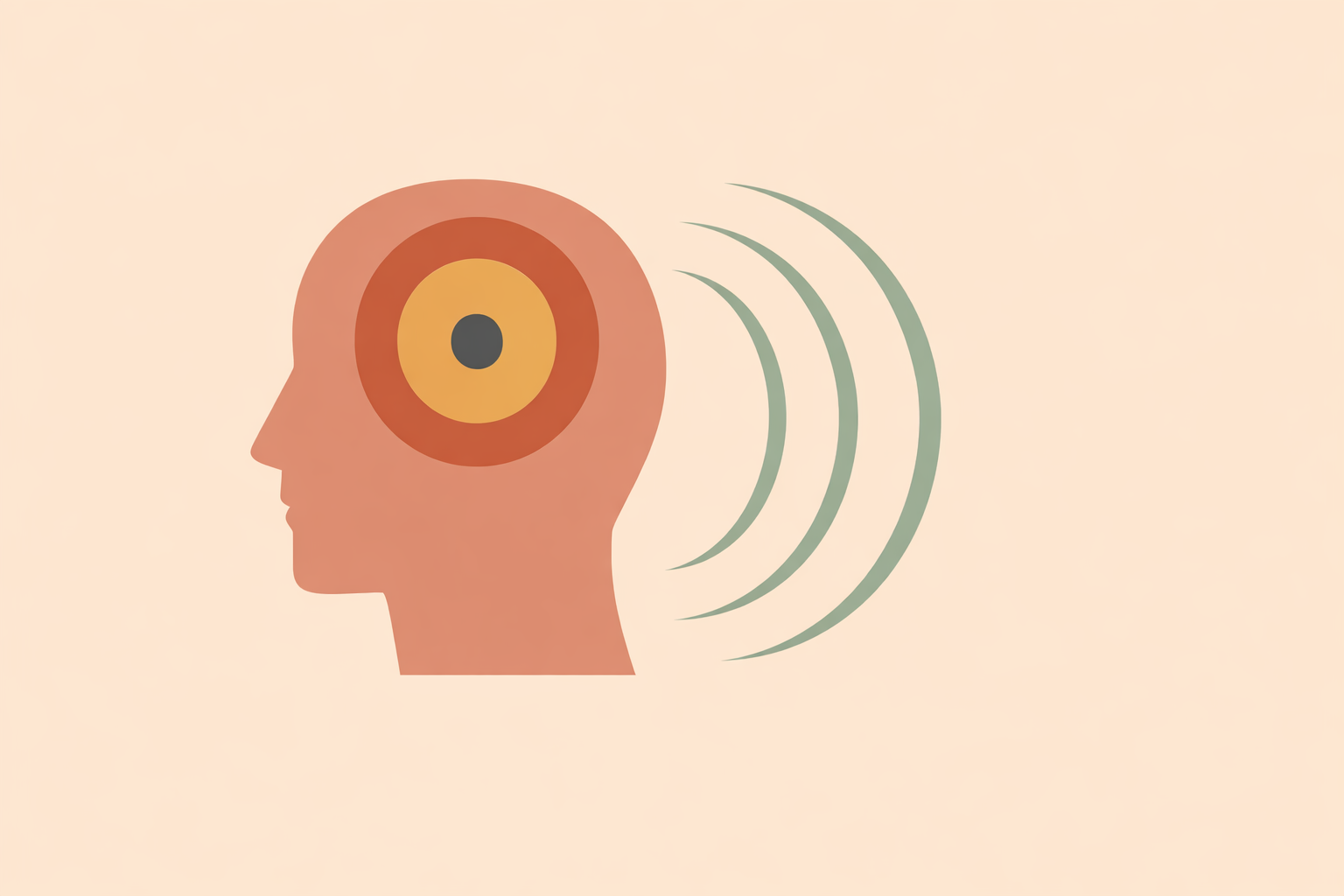
When the system becomes hair-trigger, ordinary signals can feel louder because thresholds drop. This pattern is often described as central sensitization. Put simply: the alarm becomes too easy to set off.
For many clients, this framing is relieving. It validates the reality of what they feel while opening the door to change: if pain is a protective response that can become overprotective, it can also learn to become less reactive.
In hypnosis, that’s the practical bridge. Reframing pain as a protective alarm that can learn often lowers perceived threat and supports more skillful responses. The goal isn’t denial; it’s reducing urgency.
Why hypnosis works so well with this model
Hypnosis fits pain support beautifully because it works directly with the ingredients that shape pain: attention, expectation, emotion, and interpretation—using focused attention, suggestion, and imagery.
It’s widely described as well-suited for pain support through focused attention and suggestion. Essentially, clients learn “top-down” modulation: guiding how the system interprets signals, rather than feeling at the mercy of them.
Research also suggests that during hypnosis the brain’s salience network can become less reactive during painful stimulation. Think of it like fewer sensations getting stamped as “urgent, dangerous, act now.”
This is why trance can become much more than relaxation. Under hypnosis, clients can often change the felt qualities of pain through new associations and guided imagery: burning becomes warmth, stabbing becomes pressure, dread becomes curiosity, tightness becomes space. These shifts aren’t “made up”—they’re learned changes in experience.
“We can do a heck of a lot with our brains to modify discomfort.”
Honouring ancestral trance traditions with contemporary language
Long before modern pain science had today’s vocabulary, people used breath, rhythm, story, focus, and trance to move through physical intensity. These are old human skills—tested through generations of lived experience.
Across cultures, trance-related practices have been used to reduce pain or help people endure intense physical experience. Contemporary language can explain mechanisms, but the roots run deeper than the research timeline.
For practice, this is a gift. It lets practitioners bridge traditional wisdom and modern evidence without flattening either one—using imagery, ritual structure, rhythm, and repetition respectfully, while explaining that focused attention can change context, meaning, and response.
Used well, the work feels grounded and adaptable: ancestral in spirit, contemporary in language, and practical in outcome.
A practical arc for pain-control hypnosis sessions
A clear session arc helps clients feel safe and helps practitioners stay precise. The overall movement is simple: orient, explain, settle, modulate, reinforce, and transfer the skill into daily life.
- Set the frame: Explain pain as a protective output that may have become overprotective. This lowers shame and builds hope.
- Map the pattern: Notice triggers, easier moments, common metaphors, feared activities, and what already brings even slight ease.
- Induce gently: Use breath, counting, progressive settling, gaze fixation, or absorption—whatever matches the person’s style.
- Shift the pain experience: Work with distance, temperature, size, movement, texture, brightness, or sound.
- Layer in safety: Introduce cues of steadiness, choice, support, and enoughness.
- Teach inside trance: Offer one simple idea the mind can absorb, such as “your system can update this response.”
- Future pace: Rehearse using the skill during a likely flare or valued activity.
- Assign brief home practice: Keep it short, repeatable, and easy to remember.
This structure supports more than immediate relief. It gives clients something reusable—which is what turns hypnosis from a one-off experience into a skill.
Matching hypnotic techniques to pain patterns
Different patterns respond to different styles of suggestion. The key question isn’t only “Where is the pain?” but “What is the alarm doing right now?”
Acute pain or flares: Fast inductions, distraction, temperature imagery, and absorption can help reduce immediate pain intensity. In these moments, direct sensory shifts often land well.
Chronic or centralized pain: Safety cues, gentle pacing, and a softer relationship with sensation often work better than forceful shutdown attempts. Over time, support that emphasizes gentle pacing and re-relationship tends to hold more steadily.
Fibromyalgia-type presentations: Slower breathing (especially longer exhalations) and body-neutral imagery are often more effective than “turn it off” language. Many practitioners find that softening works better than overpowering.
Neuropathic pain: Hypnosis can still help, including reductions in pain and distress. Sensory transformation can be especially useful: tingling becomes fizzing, burning becomes warmth, electrical sharpness becomes movement.
Arthritis and localized aches: Many people respond well to imagery that blends comfort, space, warmth, support, and easier movement. Localized patterns often benefit from concrete, body-specific suggestions.
Across patterns: Time distortion, dissociation, and safe-distance imagery can be especially effective for centralized and flare-prone pain by lowering perceived threat without asking the person to push through.
Language that helps the system settle
In pain hypnosis, language doesn’t just describe experience—it shapes it. The aim isn’t to deny what someone feels, but to change the atmosphere around it so urgency drops and choice returns.
Useful phrases include:
- “Your system is trying to protect you.”
- “It may be turning the volume up too high.”
- “We are teaching it when it is safe to soften.”
- “New sensation does not automatically mean danger.”
- “You do not have to fight this moment to change it.”
Scripts that normalize ups and downs can reduce catastrophizing and hypervigilance. Preparing clients for fluctuation often creates more stability than promising a straight line.
Inside trance, practical metaphors tend to work best:
- Dimmer switch: lowering intensity without demanding zero.
- Protective guard: an inner watcher learning when to stand down.
- Distance: moving sensation a little farther away.
- Texture shift: sharp becoming rounded, hot becoming neutral, tight becoming fluid.
- Volume control: turning down urgency before changing intensity.
Dissociation-based approaches are also associated with lower activation in sensory-processing regions during painful stimulation. In practice, this may look like imagining the area wrapped, cushioned, distant, or comfortably numb.
Self-hypnosis, pacing, and daily integration
The real strength of pain hypnosis is what happens between sessions. One strong experience can open the door, but brief, regular practice is what helps the system learn a new baseline.
Short, frequent self-hypnosis combined with graded activity can help keep the pain alarm right-sized over time while supporting more participation in daily life.
Regular brief practice usually matters more than occasional long sessions. Many self-hypnosis guidelines emphasize daily habit over intensity. Put simply: five to ten minutes, done often, is usually enough to be useful.
A simple home plan might include:
- Daily micro-practice: 5–10 minutes of breath, an anchor word, and one familiar image.
- Before activity: a short settling script plus rehearsal of easier movement.
- During flares: distance imagery, slower exhalation, and one reassuring phrase.
- Weekly review: notice what supported ease, confidence, or participation—not only symptom changes.
It also helps to keep tracking light. For some people, excessive symptom tracking increases threat; brief noticing followed by reorientation toward meaningful activity is often the steadier path.
Closing perspective
When pain is approached as an overprotective alarm rather than a simple fault to be silenced, hypnosis becomes both more precise and more humane. The work shifts from overpowering the body to teaching protection to relax its grip.
This approach draws naturally on both traditional trance wisdom and contemporary evidence. Hypnosis can help the pain alarm recalibrate by changing context, memory, and meaning. Over time, clients often become less frightened by sensation, more skilled in their response, and more able to participate in life on better terms.
For practitioners, the craft is simple to state and deep to refine: lower threat, build safety, change meaning, and repeat until the new pattern becomes familiar.
Ultimately, pain-control hypnosis isn’t about demanding that the body stop speaking. It’s about helping the whole person hear those signals differently—and respond with more ease, more choice, and more trust.
Master Pain Hypnosis Skills
Build a client-ready framework with Treating Physical Pain with Hypnosis that reinforces safety, meaning shifts, and daily practice.
Explore Treating Physical Pain with Hypnosis →