Reiki Master attunement in 2026 is less about collecting levels and more about stepping into a mature, heart‑led path of teaching and service. If you feel called, the work is clarifying who you want to be as a practitioner‑teacher—and what deserves your focus as you grow.
Many people remember their first training weekend as a clear “before and after.” One student called it transformative, describing a weekend filled with “magic and love from the entire lineage of Reiki.” That’s why Master level often lands less like “another technique” and more like a deeper invitation. As Colleen Benelli puts it, Reiki can awaken our divine essence—and Mastery can feel like being asked to help others remember theirs, too.
So this isn’t about a badge or a quick “Reiki Master Certification.” It’s about developing the steadiness to hold learning spaces, steward lineage with respect, and model grounded Reiki teaching practices that genuinely support people. When your teaching becomes an extension of who you are, students feel it immediately.
Key Takeaway: Reiki Mastery in 2026 is about embodying consistent self‑practice and ethical, consent‑led teaching—not collecting techniques. When you hold attunement as ceremony and lead from steadiness, your presence becomes the teaching and supports students’ integration for the long term.
Reiki Mastery in 2026: Answering the Call Amid Confusion and Change
In a noisy world, mastery is the choice to lead from the heart rather than chase the latest trend. That call often grows louder in collective times of confusion—and 2026 is no exception.
Modern life is saturated with opinions, algorithms, and pressure to perform. Reiki communities have long spoken of the practice as a return to inner clarity when everything outside feels chaotic. Ahtayaa Leigh captures this well, pointing to heart‑based awareness that helps us discern truth. In many lineages, challenging periods aren’t a cue to withdraw—they’re a cue to deepen, and to let your presence become stabilizing rather than reactive. Advanced practitioners are often remembered as quiet anchors of steadiness, not performers chasing big experiences.
That’s the essence of heart‑centered Reiki leadership in 2026: less spectacle, more substance. When the world feels scattered, Mastery becomes a practical spiritual response—discernment, compassion, and consistent practice that helps others find their footing too.
Redefining Reiki Mastery: From Technique Collector to Embodied Path
True mastery isn’t about stockpiling symbols—it’s about who you become through daily practice. The more you root into the system’s foundations, the more your presence does the teaching.
Senior teachers often point straight back to the essentials. Frans Stiene says the real secret isn’t in attunements or symbols, but in living the core elements of the system. He also reminds us Reiki is less about how much energy we can channel and more about an open and compassionate mind. This aligns with many ancestral training paths: character and presence come first; tools follow.
So when you ask, “What is Reiki Master level?” think path, not pedestal. The Reiki Master teacher role is to model the practice as a way of living—embodying the precepts, tending your self‑practice, and weaving Reiki into ordinary moments like breathing, walking, and listening. From that soil, advanced teachings take root naturally, and students remember your steadiness long after they forget your exact protocol.
Deepening Your Own Practice: The Non‑Negotiable Foundation of Teaching
Before you teach others, strengthen your own roots. Teaching amplifies who you already are—so let your self‑practice shape the teacher you become.
Across lineages, consistency is what builds capacity. Frank Arjava Petter says it plainly: “If you want to learn Reiki, then the more you practice, the better it is!” Frans Stiene adds that the foremost element of learning the system is improving ourselves; without our own insights, teachings don’t land clearly. Many practitioners also hold to the 3 faiths—faith in the teachings, faith in your practice, and faith in the teacher—as a simple framework for staying steady when the path feels “ordinary.”
Most deep shifts in patience, clarity, and presence come from quiet work with yourself, not from being seen. That theme shows up again and again in community testimonials.
Daily discipline doesn’t require perfection. It asks for devotion. Here’s a simple rhythm many Master‑level practitioners use to prepare for teaching:
- Morning centering (5–10 minutes): Sit with the precepts, breathe through the hara, and invite Reiki. Anchor into “Just for today…”
- Hands-on self-practice (10–30 minutes): Use a consistent sequence (head, heart, hara, back of heart) or follow intuitive placements.
- Micro‑moments all day: Hands over belly before a call; invite Reiki into a walk; pause for three quiet breaths between tasks.
- Evening reflection (5 minutes): Note one moment you embodied the precepts and one edge you’re meeting with compassion.
- Weekly deep practice (45–60 minutes): Longer self-session, distance practice, or extended meditation with mantras you’ve been taught.
Let it be gentle and real. Students don’t need an idealized teacher; they need someone who walks the path consistently and speaks from lived experience.
Honouring Attunement as Ceremony: Creating Transformative Learning Spaces
At Master level, attunement is a ceremony, not a performance. Held as a living relationship, it can reshape how students meet themselves and the lineage.
Think of attunement as a sacred meeting between teacher, student, and the energy of Reiki—not a mechanical procedure. When the container is well held, it can feel deeply memorable: one student described a first training weekend as transformative, feeling the love of the lineage all weekend. Community language around awakening the divine essence reflects what many lineages have always taught—initiation is as much remembrance as it is new learning. And traditional transmission often includes honoring those who came before, cultivating a sense of ancestry and continuity as part of the rite.
Attunement as relationship, not performance shifts everything:
- Prepare the space with intention: clear, grounded, accessible, and inclusive. Let quiet be part of the teaching.
- Set context: speak to lineage, the precepts, and what the student can expect during and after attunement.
- Invite agency: normalize that experiences vary and that integration continues in the days and weeks ahead.
- Honor boundaries: model consent for any touch, offer no‑touch options, and normalize pausing or re‑pacing.
- Close with integration: simple practices to stabilize, time for journaling, water and nourishment, and clear aftercare suggestions.
Held this way, attunement teaches students how to relate to Reiki for life—not just how to follow steps for a weekend.
Teaching Reiki in 2026: Trauma‑Aware, Consent‑Led, and Ethically Grounded
Ethical teaching is love in action. In 2026, being trauma‑aware and consent‑led isn’t optional; it’s how learning and genuine safety coexist.
Principles from somatic and touch‑based fields translate beautifully into Reiki teaching. Start with clear verbal consent, keep invitations for feedback open, and make it easy for someone to decline or modify touch at any time. Safety also grows through pacing and attunement—listening for verbal and nonverbal cues and removing any sense of pressure. When people feel respected, they often settle more easily; one recipient shared that attentive listening and contact created a calming and open environment where stress could disperse.
Privacy and clarity around personal information are part of ethical, modern teaching too. In broader helping settings, the U.S. Part 2 final rule signals a strong cultural expectation for transparency around sensitive stories. Even though Reiki teaching isn’t a clinical service, being clear about what you record (if anything), how you store it, and how long you keep it builds trust. Commentary on Part 2 compliance also reflects how much people value consent and clarity now.
Practical pieces you can implement immediately:
- Consent scripts (adapt for your voice): “Would you like touch today? We can do hands‑off if you prefer. You can change your mind anytime—just let me know.”
- Group agreements: confidentiality, device‑free practice segments, opt‑in sharing, and “challenge the idea, not the person.”
- Choice in attunement: seated or standing, eyes open or closed, touch or no‑touch, private or witnessed by the group.
- Access and inclusion: chairs and floor options, breaks every 60–90 minutes, plain‑language explanations, and sensitivity to cultural and spiritual diversity.
- Transparent notes: explain whether you keep attendance and attunement dates only, where they’re stored, and how someone can request changes or deletion.
When in doubt, slow down. Ask. Listen. Let people’s yes be easy—and their no be honored as wisdom.
Conclusion: Lineage, Community, and Next Steps for Reiki Masters in 2026
Reiki Mastery is a doorway into living lineage and supportive community. In 2026, sustainability comes from mentorship, peer reflection, and clear scope—so you keep growing without pretending to know everything.
Learning with others keeps practice alive and responsive, something practitioners regularly describe in community testimonials. Thea van der Merwe reminds us that teachers draw the right students for them when they honor inner guidance. And as Frans Stiene says, the most important thing a teacher can do is to encourage growth in a student. That mutual uplift shows up in simple reflections—“I am consistently inspired by your passion”—the kind that keeps teachers steady when the path gets real.
As you step forward, consider this gentle roadmap:
- Clarify your scope: Offer Reiki teaching and practice support. Avoid diagnosis-and-cure language—and trust that clarity strengthens credibility.
- Find mentorship: Choose a teacher who values daily practice, clear ethics, and cultural respect. Ask about lineage and how they support graduates beyond the weekend.
- Build peer circles: Monthly shares, practice swaps, and reflective discussions keep you grounded and energized.
- Refine your container: Write your consent flow, privacy notes, and aftercare guidance. Keep it human and plain‑spoken.
- Keep learning: Prioritize development that strengthens core Reiki skills, teaching presence, cultural humility, and ethical clarity. Many programs are recognised by bodies such as IPHM, CMA, and CPD—use recognition as one helpful data point alongside your values and lineage connection.
Reiki Master attunement is not an ending; it’s an initiation into mature service. Lead with kindness. Care for your community. Keep practicing. And remember a simple truth many traditional paths share: when practice is steady, teaching becomes quietly powerful.
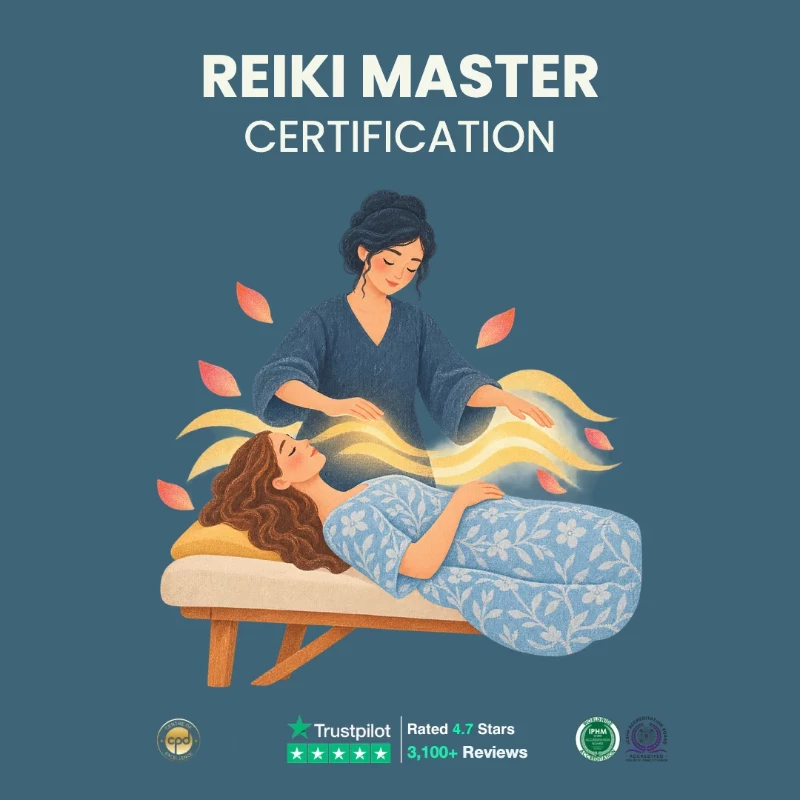
Explore Reiki Master Certification
Deepen your heart‑led teaching foundations with Naturalistico’s Reiki Master Certification.
Explore Reiki Master →