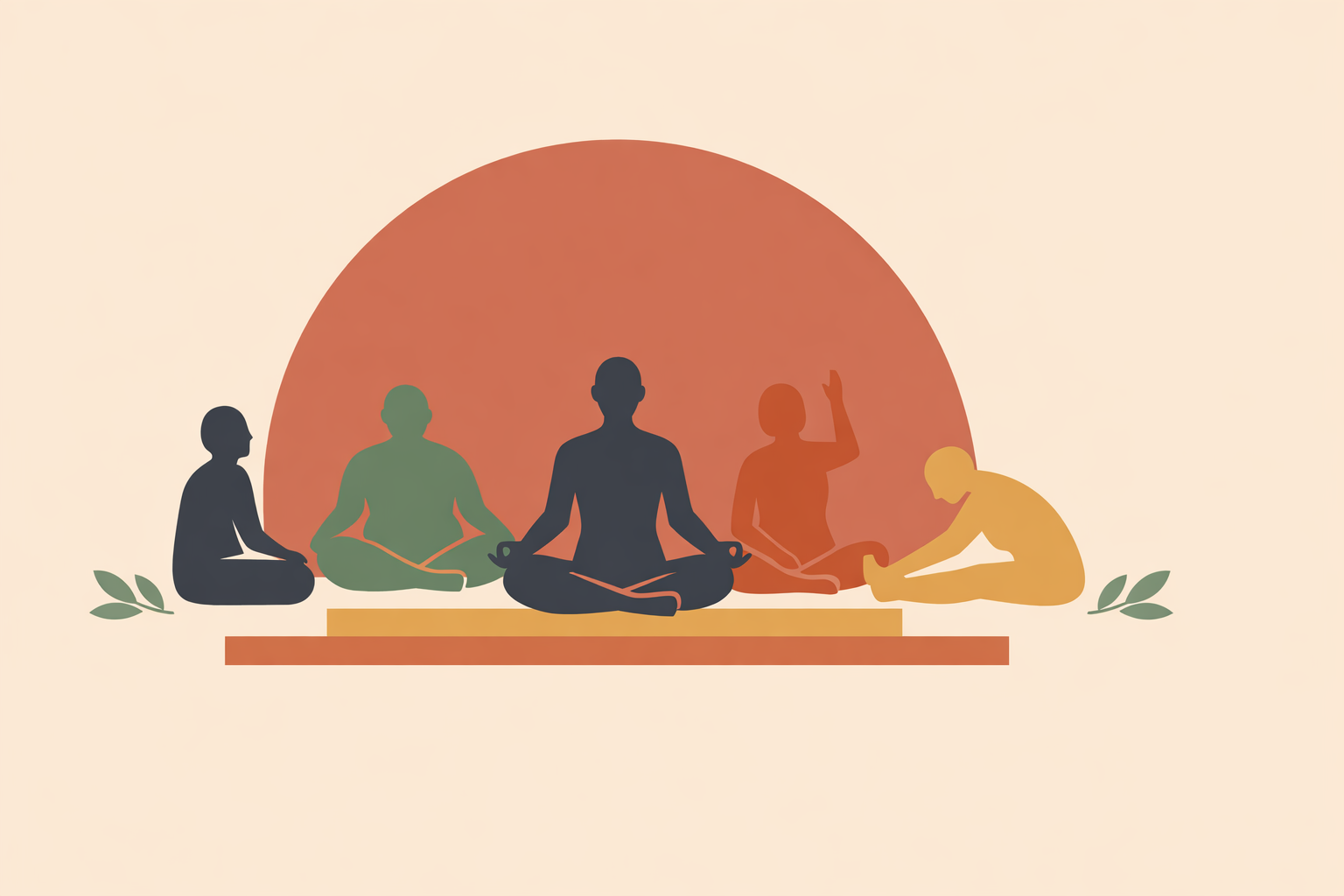
Drop-in beginner rooms can be beautiful—and a little unpredictable. Without an intake form, you’re meeting people in real time, so the class has to be safety-first, tradition-honouring, and genuinely welcoming.
Most public beginner offerings are walk‑in sessions, which means every class can include a wide spectrum of bodies, backgrounds, and experience levels. It’s no surprise these are often described as challenging spaces—not because beginners are “hard,” but because the teacher is holding a lot of unknowns at once.
At Naturalistico, the approach is practical and rooted. The Yoga Teacher Certification focuses on real client work and the skills that make drop-in teaching steadier: clear language, breath-led sequencing, and options that respect body wisdom.
Key Takeaway: When you don’t have intake forms, safety comes from how you teach in real time: lead with agency, keep sequencing simple and spine-led, use breath to regulate pace, and offer staged options so students can self-select what fits their body and nervous system.
Seeing Hidden Risks in Drop‑In Beginner Classes
The core risk in unscreened rooms is uncertainty. With no history on paper, your sequencing, cues, and presence become the safety net.
Beginner guidance consistently prioritizes classes that feel safe, accessible over chasing “perfect” shapes. Public beginner spaces often include mixed ages and abilities—sometimes multiple generations in one room—which is exactly why they’re named among the most challenging spaces to facilitate with care.
Many people arrive carrying stress or fatigue, long gaps in movement, or total newness—and they won’t necessarily say any of this at the door. Add communities that are often present but under-recognised (including older people, LGBTQ+ practitioners, and disabled practitioners), and adaptable teaching stops being a “nice-to-have.” It becomes the baseline.
That’s also why studios value hireable teachers who can read the room, rely on alignment literacy, and stay calm while offering real options. You teach what you see, moment to moment—not what a form might have suggested.
Let Yogic Principles Lead Safety
Traditional principles—ahimsa (non-harm), agency, and svadhyaya (self-study)—aren’t abstract philosophy in a drop-in class. They’re a practical safety system: kind, clear, and immediately usable.
Start by centering agency. A line like “You’re the expert of your body today” isn’t just friendly—it sets a boundary that keeps choice with the student and supports agency‑supportive teaching. From there, shift from “fixing” to facilitating: offer two or three versions, normalise pausing, and keep the pace humane. Inclusive teaching frames this as non‑hierarchical choice.
Integrity holds it all together—well-being first, with the humility to remember you’re guiding a process, not defining someone else’s experience. That aligns with Naturalistico’s commitment to integrity. In practice, it means scanning for strain or confusion and responding with options rather than judgement, echoing the advice to observe non‑critically and then support.
Trauma-informed perspectives deepen this same yogic foundation by reinforcing inner listening, steady attention, and breath-led pacing. As trauma‑informed work grows, the overlap with classic yoga’s emphasis on breath and awareness becomes even more visible.
Designing a Beginner Class Safe for Most Bodies
A strong beginner class doesn’t need complexity. Keep it short, simple, and steady, and sequence around the spine rather than spectacle so more people can participate comfortably.
Short, simple, and steady
- Keep class near 60 minutes to reduce overwhelm and fatigue.
- Use a warm, clear tone and aim for light, simple rather than intense or performative.
- Rely on repeatable patterns and accessible poses that build breath, strength, and awareness without complicated choreography.
- End on time, and normalise that some may leave early. Think of it as self-regulation, not “not keeping up.”
Sequencing around the spine
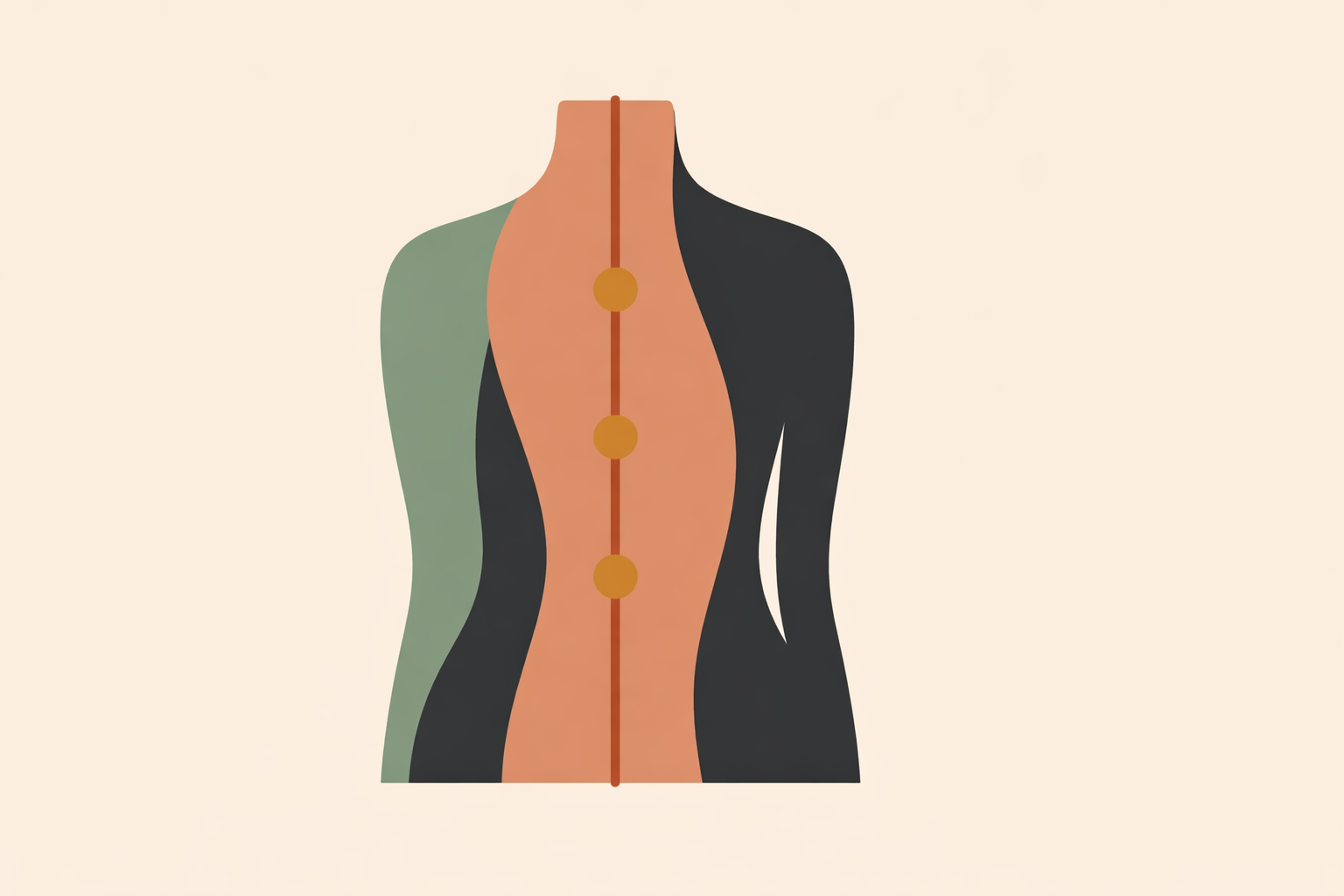
Design movement around functional ranges rather than peak-pose pressure. A simple, reliable frame is moving the spine in six directions, then layering hip and shoulder mobility as capacity allows.
Keep breath as the metronome. Even gentle cat–cow linked to breath can help settle the whole system; stress-support resources regularly include cat–cow for its steadying effect. Essentially, a spine-first, breath-led structure lets you meet many bodies at once—even when you don’t know their stories.
Breath as Your First Line of Care
In an unscreened beginner room, breath is the most adaptable, low-effort tool you have. Start simple, then adjust pace and length to shape the tone of the space.
Beginning with coherent breathing
Begin with 6–10 minutes of coherent breathing to create a calmer baseline before movement. If phones on silent are acceptable, a visual guide like Breathing App can give beginners a gentle tempo to follow without needing prior experience.
Exhale‑focused practices for unsettled rooms
When the room feels buzzy or scattered, lean into longer exhalations. In my own classes, 6–8 rounds of a 4:0:6:2 ratio—inhale 4, no hold, exhale 6, pause 2—often quiets things quickly, in line with approaches that emphasise exhale‑focused breathing for anxious energy.
Modern findings often echo what traditional practice has long taught: breath shifts state. Work on practices such as cyclic sighing links prolonged exhalations with improved mood and calmer physiology compared with some other approaches. Other research shows slow rhythmic breathing and deep rest can reduce oxygen consumption, and longer practice is associated with greater breath‑holding time and respiratory strength over time.
Teach Less, Notice More in Beginner Rooms
In beginner spaces, performance doesn’t equal presence. Fewer demos and clearer words create more room for felt experience—and safer choices.
Minimal demos, maximal awareness
Lean on language, timing, and pacing. Many studios prefer experienced teachers in beginner rooms because they can hold steady structure with precise verbal cues rather than constant modelling. Newcomers will naturally glance around, but guidance still suggests minimising demonstrations so students learn to feel instead of copy.
Try facing the room, keep cues short, and leave intentional pauses so people can locate sensation; many seasoned teachers advocate more silence. As you scan, respond early to strain or confusion with calm options like “try this version,” or “pause and breathe.”
Close simply. Warm thanks, a nod, and relaxed closure cues help beginners feel held. It also helps to normalise early exits—those smiles and nods become part of the room’s safety culture.
Inclusive Options When You Don’t Know People’s Stories
Inclusivity becomes real through practical choices: staged options, thoughtful props, and language that welcomes different bodies and identities without making anyone the “exception.”
Staging poses and honouring different bodies
Think in layers. For balance work like tree, offer foot to ankle, calf, or thigh; hands on hips, at heart, or overhead. This staged approach—often demonstrated with tree pose—lets students self-select stability without shame.
Inclusivity is physical and cultural. Training highlights changes that support inclusive yoga communities, including older practitioners, LGBTQ+ practitioners, and disabled students. In the room, prioritise function over aesthetics; Naturalistico emphasises functional alignment cues that adapt to different proportions and shapes.
Set the tone through your words and the range of options you offer. In our curriculum, comfort-forward resets (blankets, floor-based awareness, slower pacing) are built in as normal—not as a “special case.” Even 10‑minute practices can build subtle connection and sustainable alignment over time.
Supporting Anxiety and Trauma Responses in Class
When overwhelm shows up, your role is steadiness and clear scope. Offer grounding shapes, longer exhales, and simple choices—then pause and encourage outside support when needed.
Grounding shapes and slow transitions
If someone looks flooded or jittery, downshift the whole room without spotlighting them. Offer a few minutes in child’s pose or legs-up-the-wall; anxiety-support protocols often recommend holds around 3–5 minutes. Pair slow transitions with long exhales—for example, table to child with an extended out-breath—to invite steadiness in real time.
Evidence mirrors long-held practitioner experience: yoga can reduce heart rate and other stress-related markers soon after practice. Early trauma-informed programs also reported reductions in difficult symptoms for many participants.
Knowing when to pause and refer out
Stay within a supportive, educational scope. If someone appears distressed, offer resting options, water, and permission to step outside and return when ready. For newcomers, it often helps to keep closing rest shorter and gently guided—beginner guidance suggests shorter and guided endings for busy minds.
After class, a quiet check-in can be supportive. When appropriate, encourage seeking additional support beyond the studio; mainstream resources increasingly recognise yoga’s role in better mental health. The teacher’s role is to complement someone’s wider support system, not replace it.
Growing Your Professional Practice Without Losing Your Roots
Safety deepens as your practice deepens. When you keep returning to tradition, community, and study, beginner rooms naturally become kinder, clearer, and more inclusive.
Reflective practice, community, and ongoing study
Work in cycles: reflect after class, trade observations with peers, and learn from mentors who respect both yogic roots and modern realities. Naturalistico is designed as a community‑driven space—built for ongoing evolution rather than a static marketplace.
Skills studios value—alignment literacy, inclusive cues, trauma-aware choices, and a nonreactive presence—grow through consistent practice and feedback. Modular study pathways that blend posture, breath, and reflective journaling can anchor both personal growth and teaching clarity, with study-group access to keep learning connected.
Keep returning to the basics. Short foundation practices—like classic 20‑minute flows—help all levels re-meet breath and simple shapes. Think of it like sharpening a blade: each revisit brings more ease and precision into your drop-in classes.
Designing Safer Beginner Yoga Classes Without Formal Intake
Without intake forms, let tradition lead: kindness first, breath as the throughline, spine-led sequencing, staged options, and a teacher presence that notices more than it performs.
One practical change to try right away: begin with five minutes of paced, exhale-emphasised breathing, then return to that rhythm in every transition. It sets a steady tone for agency and choice before any posture becomes “important.”
Over time, light, simple, inclusive experiences are what bring people back—and consistency is what creates deeper change. Regular practice has been shown to rewire the nervous system and reshape stress responses, while traditional yoga has used breath, awareness, and accessible shapes to steady the mind for centuries. Contemporary research also echoes shifts in stress hormones, heart rate, and mood that practitioners have long observed.
Train for real beginner rooms
Build breath-led, inclusive, safety-first teaching skills in the Yoga Teacher Certification.
Explore Yoga Teacher Certification →