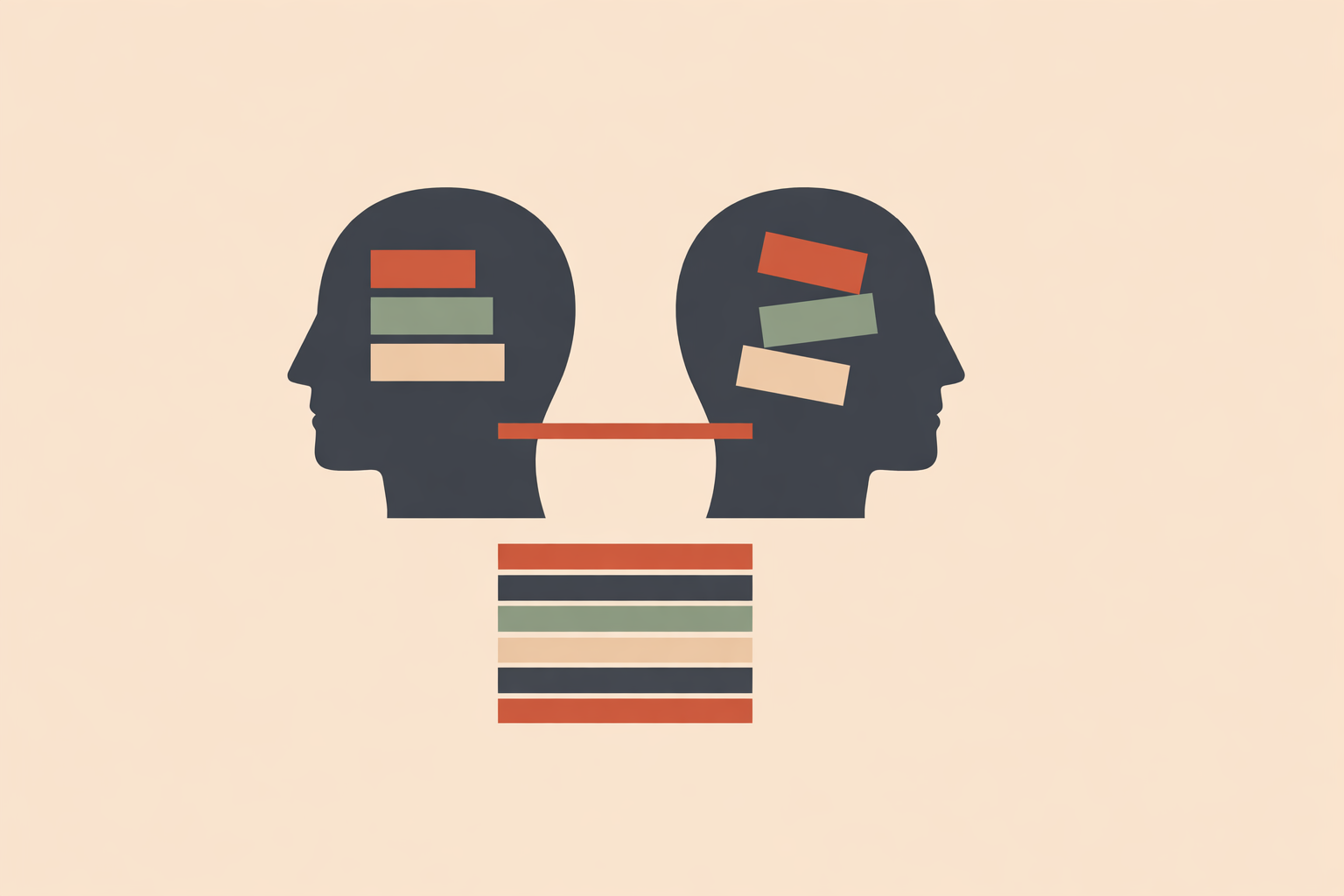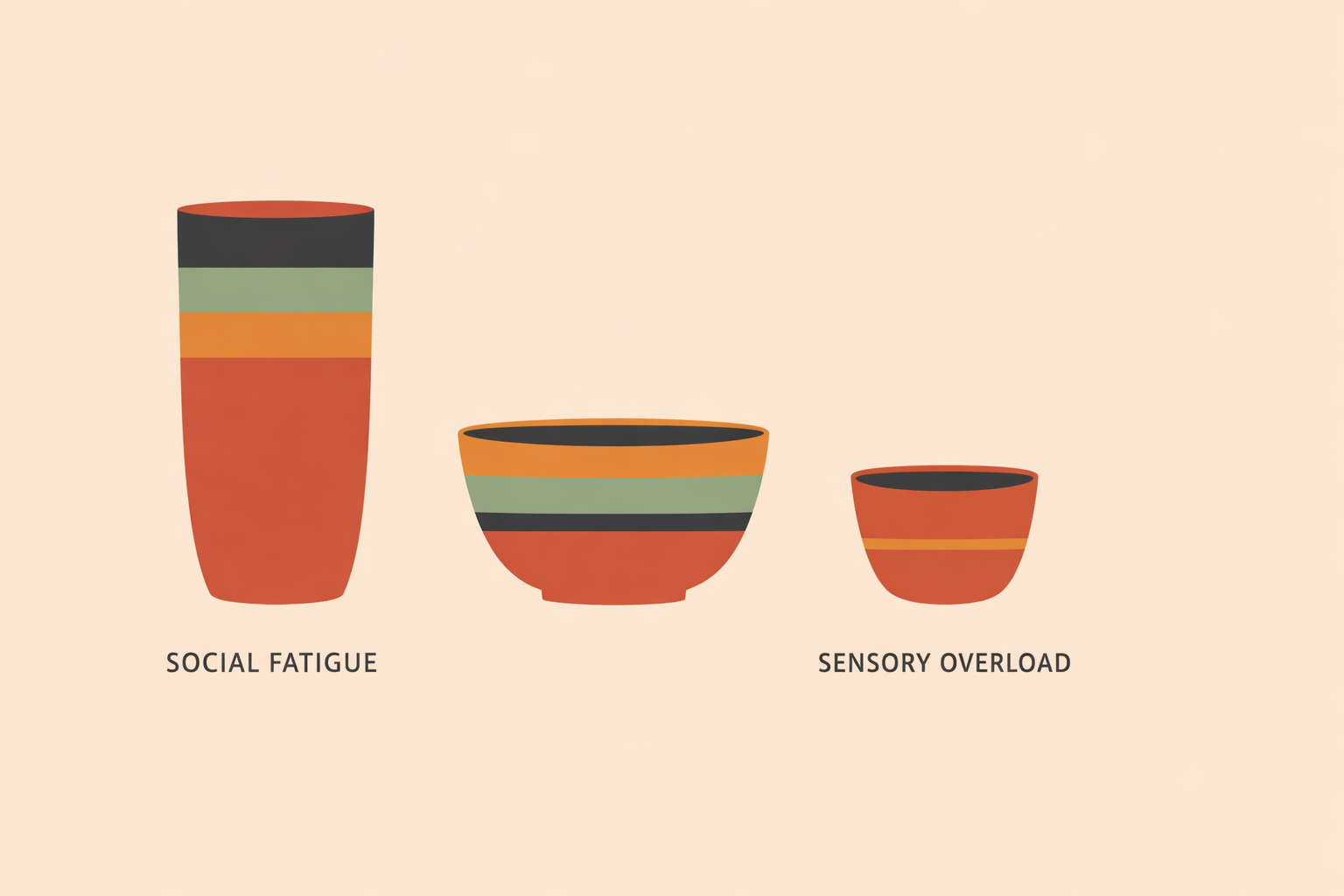
Many sensitive practitioners can hold a room with precision and care—and then feel it later. Energy drops between back-to-back sessions. Noise, lighting, and strong emotion can linger long after the call ends. You try quick resets, tweak your schedule, or add another technique, yet the swings keep returning because the real driver is cumulative load you aren’t tracking.
One practical response is to turn sensitivity into structure with a light-touch self-care log you use around every session. When you capture a few consistent signals—energy, sensory inputs, emotion, resets, and boundary choices—you make the invisible visible. That small layer of structure helps you notice overload earlier, adjust pace without breaking rapport, finish with more steadiness, and make wiser choices about capacity over time.
Key Takeaway: A light-touch self-care log can help sensitive practitioners spot cumulative sensory and emotional load early, protect their energy across back-to-back sessions, and make clearer boundary and scheduling decisions. Tracking just a few consistent signals turns “I feel off” into actionable patterns.
Seeing the invisible: what actually drains you in sessions
Most drains stay “background” until you name them. Once you can identify the sensory, emotional, and relational inputs that tip your system, you can track them gently and adjust before they snowball.
On the research side, sensitive profiles are associated with differences in brain regions linked with empathy and interoception (your sense of what’s happening inside you). Reviews of SPS research note insula activity differences, which fits what many sensitive practitioners already know in their bodies: relational nuance can land vividly, and it can take real energy to metabolize.
In practice, overstimulation often shows up through a few familiar sensory channels:
- Auditory: background noise, HVAC hum, street sounds, overlapping voices
- Visual: screen glare, cluttered spaces, intense lighting, rapid visual input online
- Tactile: tight clothing, uncomfortable chairs, room temperature, headset pressure
- Olfactory: fragrances, cleaning agents, food smells, incense or candles
Elaine Aron’s work includes practical prompts that help many HSPs recognize these patterns; her sensory checklists can be a useful starting point when you’re learning your own “tipping points.”
Then there’s the relational channel. Empathy is central to effective support, and practitioners who lead with empathy often perceive more nuance and more emotional cues—which can be both a gift and a load. It’s often described as the heart of strong relational work.
Traditional lineages understood this long before modern language for “sensitivity” existed. Many cultures intentionally paired perceptive community roles with rhythm and ritual: quiet alone time, time on the land, breathing patterns, prayer, seasonal observances. Think of it like an embodied “log”—a living way of tracking how environment touches body and spirit. When you combine that kind of inherited wisdom with modern, simple tracking, you’re continuing a very old impulse: respect the nervous system of the person who holds space for others.
Put simply: if you sense more, cumulative load can build faster. Tracking won’t change who you are—but it gives you a clear mirror, so you can respond with kindness instead of guessing.
From scattered notes to a simple HSP self-care log
The log only works if it stays light. Five anchors—touched briefly before, during, and after sessions—are usually enough to create a clear picture without adding mental clutter.
Here are five anchors to track every time:
- Energy (1–10): before and after the session
- Sensory inputs: one or two words (e.g., “glare,” “noise,” “scent”)
- Emotion: one feeling word + intensity (1–10); optional: “mine / theirs / mixed”
- Rest/ritual: minutes of quiet, breath, tea, nature, or movement around sessions
- Boundary decisions: any “yes/no” (extensions, extra messaging, discounts) and how your body felt afterward
Keep it minimal: one notebook page, one note on your phone, or one simple app. Use a number and a few words—nothing more. The value of reflective logs is often in the next decision they make easier; they’re used to support better decisions later, not to produce perfect writing.
If you prefer ultra-simple formats, bullet journaling can work beautifully because it stays uncluttered. Learning log research also suggests the habit matters more than volume; consistency in learning logs appears more important than length.
The principle is steady: less text, more signal. Track the same five anchors each time, and let the patterns speak.
Using your log inside sessions without overwhelming anyone
Your log should feel like a quiet ally, not a new task. A gentle 15-minute arc—spread across the session—can support your energy without pulling attention away from the client.
Here’s a simple structure that works across many modalities:
- Two minutes before: jot your energy (1–10) and any sensory spikes; take one breath, sip water
- Opening (3 minutes): co-create pace (“What pace would feel most supportive today?”); privately note your emotion word + intensity
- Midway micro-check (2 minutes): ask “Is my body at a 6 or higher?” If yes, choose one adjustment (slower cadence, brief silence, one clean reflective question instead of three)
- Closing (5 minutes): ask “What felt most supportive?” and capture their wording; feeling supported is linked with better next-day wellbeing in many helping relationships
- Two minutes after: final energy (1–10), any boundary note (yes/no), then one tiny reset (three breaths, face splash, standing stretch)
Over time, this kind of session-based tracking tends to reveal dependable patterns: certain times of day that cost more, specific formats that require longer recovery, or predictable sensory triggers. Reflective logs are valued because they help practitioners see and interrupt draining patterns sooner.
It can stay minimal for clients, too. Many people respond better to one good check-in question than a complex survey, and a minimalist approach can support both honesty and consistency. In groups, sharing patterns (without private details) can also reduce isolation; peer-supported reflection is often associated with less loneliness and a stronger sense of being understood.
As Jenn Granneman notes, sensitive coaches can “deeply listen” and build safety quickly. A simple log is there to protect that capacity so it can be offered generously, without constant depletion.
Turning your self-care log into weekly decisions
The log isn’t the goal—the choices it informs are. Used consistently, it helps you shape your week so sensitivity has room to breathe.
Two levers usually make the biggest difference:
- Boundaries you can feel: track “yes/no” moments and your energy about an hour later. You’ll quickly see which extras genuinely feel good—and which create heaviness. Reflective work on relationship dynamics has been linked to improved assertiveness and relational ease.
- Best hours mapping: sort your week into high-focus, social, and recovery windows based on energy ratings. Many practitioners notice real productivity gains when their calendar matches their natural rhythms—and when simple tracking supports those choices.
Then add regulation practices that have deep roots in tradition: breath, rhythm, land, water, and simple rituals that help you “digest” what you carry. Modern research also supports what many lineages have long taught—nature steadies the system. Forest bathing research has reported reductions in cortisol and improvements in mood for many participants. For sensitive practitioners, this might be a short walk between sessions, a few minutes sitting by a tree, or stepping outside and letting your senses settle.
On the digital side, your log may show that overload peaks when notifications and last-minute messages never stop. Simple boundaries like notification-free blocks, message cut-off times, or occasional “tech sabbaths” can reduce that background buzz and make rest more complete.
Finally, calibrate client load with compassion. Many highly sensitive people thrive with more buffer time, especially after emotionally intense conversations. The intention isn’t necessarily to do less—it’s to do what you do with regulated, generous presence that stays sustainable across years.
Consistency does the real lifting. Regular reflection through logs has been associated with increased satisfaction and effectiveness over time. Small weekly adjustments truly add up.
When the log feels heavy: perfectionism, empathic carryover, and cultural roots
Even a simple log can feel like “one more thing” if perfectionism or emotional weight kicks in. The way through is kindness and cultural fit—so the practice supports you instead of policing you.
Perfectionism is common in sensitive people. Missing a day isn’t failure; it’s information. Many HSPs wrestle with perfectionism because they care deeply and see so many angles. The antidote is “good enough” logging: five anchors, one pass, no rewrites. If your energy dips low, the only required entry can be the number.
You can also add a single micro-check for empathic carryover: “Did I carry someone else’s feelings home?” If yes, choose one reset (nature, water, breath, music, movement) and one boundary for tomorrow (buffer time, not opening messages after hours, clean end-times). Ethical coaching frameworks consistently highlight self-awareness and boundaries as essential themes in coaching ethics.
Cultural roots matter here, too. If someone’s background includes Ayurveda, ancestral prayer, seasonal ceremony, or other traditional practices, you can invite them—respectfully—to notice how those rhythms might shape their logging: seasonal energy notes, storytelling, song, or lunar cycles. The point is never to lift practices out of context, but to let people ground their self-care in wisdom they already carry. Honoring diverse traditions supports inclusion and long-term engagement.
Community can also steady the heart. Peer circles that share patterns (not private stories) often normalize sensitive experiences and soften the sense of being “too much.”
As one coach reflected, sensitivity is a vital part of who you are. And as Elaine Aron has noted, HSPs can feel like targets in fast-paced cultures — another reason to practice steady, compassionate logging that protects your energy.
When the practice gets heavy, shrink it. One line is enough. Continuity matters more than completeness.
Conclusion: letting tracking self-care in sessions become part of your lineage of wisdom
A simple self-care log isn’t busywork; it’s a bridge. On one side are ancestral rhythms—quiet, land, and ritual—that have steadied sensitive people for generations. On the other are modern signals—energy numbers, sensory notes, a few words about what supported you. When you meet them in the middle, session by session, you build a way of working that respects your system and supports clients with clarity.
Over time, gentle tracking tends to deepen self-trust and satisfaction. Reflective journals and learning logs suggest that people who keep up consistent, simple reflection often report greater ease and steadiness than those who don’t. Let it be small, repeatable, and kind.
Train as an HSP Coach
Deepen these tracking and boundary skills in the Highly Sensitive Person (HSP) Coach course.
Explore the HSP Coach →