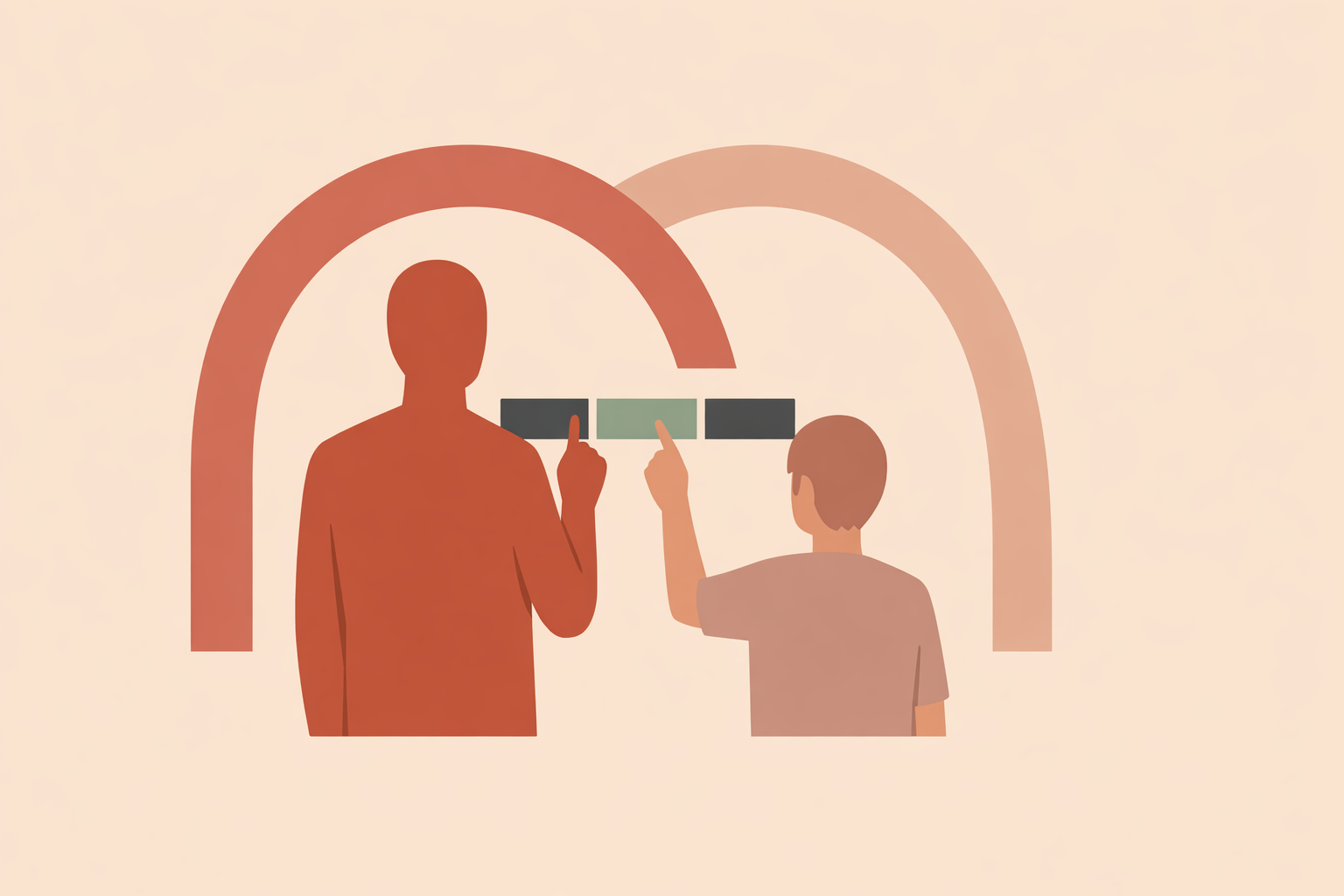
Most teen-focused coaches and educators get pulled into the same tug-of-war: parents want clear progress and fewer late-night scrambles, while teens shut down the moment tracking feels like surveillance. Add a checklist or a time-tracking app, and the “data” either vanishes—or becomes a new battleground. Parents often escalate monitoring; teen motivation drops; and sessions drift from skill-building into conflict repair. The missing piece is a simple, credible way to show momentum without turning support into compliance control—especially when the earliest wins are subtle (starting sooner, planning steps) and easy to overlook.
A more workable frame is collaborative scaffolding: tracking that the teen helps design, that protects attention and energy, and that still gives parents updates that actually land. Instead of chasing outcomes only, you track executive behaviors and a few stress markers, then translate them into a one-page snapshot with a clear next step the teen chooses.
Key Takeaway: Teen time-management tracking works best when teens co-design it as supportive scaffolding, not surveillance. Track a few executive-skill behaviors and stress markers, then translate them into a simple, one-page weekly snapshot with specific examples and a teen-chosen next step parents can understand.
Shift 1: Track Teen Time Management as Support, Not Surveillance
Teens lean in when tracking feels like scaffolding for freedom, not a microscope. The practical move is to co-create structure that protects attention and energy—and make the teen the author of the plan.
Parents usually ask for tracking because they want relief from missed alarms, late assignments, and reminder fatigue—common reasons families reach for extra support. Teens resist because monitoring often lands as mistrust. A shared system bridges both: time becomes a resource to steward together, and that kind of structure is associated with reduced stress and steadier day-to-day functioning.
When teens learn to plan, they build a sense of agency that carries into school, hobbies, and relationships. That matters because the brain systems tied to planning and impulse control are still maturing through adolescence. Support works best when it’s collaborative rather than top-down.
Start with a respectful agreement ritual—something humans have relied on for generations in households and communities: clear roles, shared expectations, and dignity. Invite the teen to draft their first weekly scaffold. Self-directed schedules can strengthen intrinsic motivation and reduce pushback at the same time.
Or, as John Whitmore summarized, coaching is unlocking potential, not policing it. And because “coaching works because it’s all about you,” teens feel respected—then they’re far more willing to track honestly.
Shift 2: Choose Metrics That Show Executive Skills and Stress Relief
Measure behavior, not just results. When you track initiation, planning, and a few energy markers, parents can see the deeper skills forming beneath the grades.
Independent time management is a predictor of readiness for higher education and adult responsibilities. And in real life, “grades rise last”: training that strengthens planning and prioritizing tends to improve time management before report cards catch up.
So you track what changes first—the executive behaviors. These can be more accurate indicators of growth than grades alone. Keep it concrete:
- “Time to start” after sitting down
- “Steps identified before starting”
- “Deadline met without rushing”
Add one lightweight pattern note per day to explain the “why”: what preceded procrastination, what supported initiation, and how the teen handled a snag without prompting. Think of it like field notes—small observations that reveal the path, not just the destination.
Then include a few balance markers, because stress often hides in the margins. Sleep is especially informative: warm, realistic guardrails are associated with steadier routines, and sleep quality (ease of falling asleep, fewer wake-ups) is a practical stress signal. When a time structure is truly supporting a teen, sleep steadies surprisingly often.
Hold it all in a growth frame. A messy week becomes information, not failure—exactly the attitude Carol Dweck’s mindset work is known for. Here’s why that matters: your tracking should reflect capacity rising, not just compliance.
Shift 3: Turn Tracking Data Into Simple Parent Progress Reports
Less data, more story. Translate observations into a one-page snapshot that highlights effort, patterns, and next steps in the teen’s own words.
Parents don’t need your spreadsheet—they need meaning. Lead with a 2–3 sentence narrative and co-author it with the teen. Youth programs show that shared reflection builds self-awareness and ownership, which is exactly what makes the skills stick.
Then add a tiny visual: for example, a simple bar with three segments (Initiation, Planning, Follow-through) shaded for the week. Paired with practical visual tools, even small progress becomes easier for both teens and parents to feel and remember.
Keep examples behavioral and specific: “Wrote steps before starting biology lab,” not “more responsible.” Using specific examples tends to lower conflict and makes it clearer what to repeat next week. Close with one focus chosen by the teen—one tweak, not a whole new life plan.
A final touch many families love: a teen quote or short audio note. On Naturalistico, we encourage saving brief reflections so teens can see their own patterns over time. “We have observed tangible results in our child’s ability to be better organized and create systems that work for her,” as one parent shared—and those “systems” become much easier to recognize when you capture them simply.
Shift 4: Track Daily Habits and Focus Without Power Struggles
Choose 2–3 micro-habits that matter and track them in ways that preserve connection. Agreements beat arguments, and tiny rhythms beat willpower.
Modern teens are up against relentless pings. Notifications contribute to digital distraction, and even brief interruptions can knock a teen out of a focused block. Many education guides also highlight how interruptions make it harder to stay with challenging work.
Counter this with short, predictable focus windows that respect natural attention rhythms. Many youth programs use 45–60 minute focus windows followed by real breaks. Track only what you’ll actually use:
- Focus blocks completed
- Minutes before the first phone check
- Break quality (movement, fresh air, water, or a mindful pause)
To avoid power battles, shift the language. Offer structured choices (“before or after dinner?”), set clear expectations when everyone is calm, and let the tracker reflect the agreement—not a verdict.
“A healthy, self-disciplined, motivated teenager has a strong sense of control over their lives,” notes Christine L. Carter, Ph.D., emphasizing how perceived control supports motivation and well-being.
That’s why this style of tracking works: it builds control from the inside out. The tone is firm, warm, and future-focused—more like mentorship than monitoring.
Shift 5: Adapt Tracking for Neurodiverse and Sensitive Teens
Make the system fit the teen—not the other way around. Offer visual, choice-based, strengths-focused options that reduce pressure and increase wins.
For teens with ADHD or autistic traits, concrete supports often beat abstract plans. Color-coded checklists, “time left” timers, and step-wise task cards reduce mental load and make starting easier. Many practitioners find visual schedules reduce decision fatigue, and offering multiple options (whiteboard, wall chart, tabbed notebook) helps teens choose what actually fits their brain.
Choice is regulating. Letting teens decide when to do high-focus work within agreed windows can lower shame and increase motivation, aligning with choice-oriented approaches. For sensitive nervous systems, scale down the measurement: count “starts” instead of minutes, or “two steps completed” instead of “finished the whole assignment.”
Keep the language soothing and specific. Curiosity (“What made starting hard today?”) often de-escalates perfectionism. And steady, supportive parenting with realistic guardrails links with steadier routines, including sleep—so the goal is not pressure, it’s predictability.
Finally, track strengths on purpose: “You built a checklist,” “You asked for a five-minute co-start,” “You reset after distraction.” A sense of agency is linked with better outcomes later in life, and these small behaviors are how agency is built.
Shift 6: Turn Parent Check-Ins Into Trust-Building Rituals
Keep reviews brief, predictable, and warm. A 10–15 minute weekly ritual—where teens lead—turns data into dialogue and reduces reactive conversations.
Instead of long debriefs after conflict, set a fixed weekly check-in the family can count on. Many parenting specialists recommend family meetings to normalize problem-solving before tensions spike. Traditional cultures have long used their own versions of this—regular councils where people share facts, feelings, and next steps with respect.
Keep the rhythm simple: two wins, one challenge, one micro-adjustment. That warm, affiliative tone matters—daily diary research links gentler evening interactions with better sleep. The same work also found that when parents took a bit more lead around bedtime, teens tended to sleep longer, without clear signs that it was harmful over-control.
Focus on tools, not guilt. Adolescent sleep summaries emphasize giving parents practical tools they can use immediately. And when a neutral coach holds the frame, the household dynamic often softens. As one parent reflected, “Having a coach has been beneficial because she has a person she trusts to provide her with advice and guidance, rather than having it come from her parents….”
Shift 7: Build a Signature Tracking System Into Your Teen Coaching Practice
Codify what works. Turn these shifts into a clear, branded framework that lives inside your sessions, rituals, and reports—then evolve it as you learn.
Name your pillars (for example: Autonomy Agreements, Focus Blocks, Energy Markers, Weekly Council). Create one-page templates for each, plus a 10-minute “Fast Report” you can complete right after a session. A simple, consistent model helps families relax because they know what to expect—and it helps them notice wins sooner.
Build your system where you learn and work. Naturalistico’s Teen Life Coach training emphasizes time management support, routines, and communication tools that bridge learning with real client work, so progress tracking naturally fits into sessions and parent touchpoints.
This investment pays off over time. Independent time management is linked with higher performance in later education, and documented expectations can reduce repeated power struggles. Just as importantly, your framework makes your values visible: kindness in language, integrity in what you track, and respect for each family’s culture and rhythms.
As Sarah Durrant reminds us, coaching helps people unearth their inner resources—pressure turns coal into diamonds, grit into pearls. A signature system is simply the container that helps those inner resources show up week by week.
Conclusion: Track Teen Time Management in a Way Parents Trust and Teens Embrace
When tracking becomes scaffolding, teens feel respected, parents see real growth, and home life often gets calmer. The recipe is steady and human: co-authored agreements, a handful of executive-skill and stress markers, a simple visual snapshot, and a short weekly ritual led by the teen.
Blend cultural wisdom—councils, predictable rhythms, mindful breaks—with modern evidence about attention and sleep. Adapt for neurodiversity with visual tools and choice-forward options. Keep language precise and specific so reports reflect skills gained rather than judgments made.
As with any framework, keep it flexible: the goal is supportive structure, not perfection. Codify what works, refine what doesn’t, and make sure the teen’s voice stays central. Used this way, tracking isn’t control—it’s a practical path toward autonomy, trust, and growing confidence in a teen’s own rhythm.
Coach Teen Autonomy Better
Apply these tracking rituals in your sessions with the Teen Life Coach course.
Explore Teen Life Coach →