In 2026, city food is at a real turning point. Vertical farms are shifting from novelty to neighborhood fixture in many places—but they’re still only one strand in a living urban food web. The most effective practitioners will ride this momentum while staying rooted in culture, community, and real-world access.
As cities grow, the daily logistics of fresh, nourishing food get tighter. The UN projects 68% urban by 2050, pushing food from background convenience to a frontline wellbeing concern in every neighborhood.
It’s no surprise vertical farming has captured attention. Analysts expect strong market growth, driven by urbanization, climate turbulence, and demand for fresher produce. Done well, it can deliver reliable greens close to where people live. Still, a Frontiers review is clear: long-term value comes from integrated planning, not isolated tech.
Traditional wisdom offers a strong compass here. As the FAO reminds us, “Urban and peri-urban agriculture can contribute to local economic development, poverty alleviation and social inclusion … and the productive reuse of urban wastes.” When efforts are rooted in cultural practice, they strengthen community identity alongside nourishment.
Key Takeaway: Vertical farming’s real impact in 2026 comes from integration—not isolation—by linking controlled-environment harvests to community access, cultural foodways, and local partnerships. Treat indoor farms as one node in a wider city-region ecosystem so reliability and efficiency strengthen equity, belonging, and everyday food skills.
Why Urban Food Is Being Reimagined in 2026
The familiar model—distant fields feeding dense cities—feels less steady and less fair than it once did. Climate strain, supply disruptions, and a growing hunger for local voice are reframing food as a foundation of urban wellbeing.
Recent years made fragility impossible to ignore. Between 2019 and 2022, the number of people facing hunger rose by roughly 150 million, with many city neighborhoods hit especially hard by long, brittle supply chains. During COVID-19, research found that systems relying on distant suppliers were more vulnerable than those with stronger regional ties.
Day-to-day congestion adds friction too: deliveries into major metros are often delayed by about 16 minutes in traffic on average. Combine that with weather extremes, and instability compounds. The FAO reports climate change is already affecting yields, prices, and reliability—especially for fresh foods people depend on for daily energy and balance.
At the same time, many are questioning long-distance food on ecological grounds. Bringing production and distribution closer—through urban growing and smarter local logistics—can reduce carbon footprint by shortening the last mile.
And people are reclaiming agency. As La Via Campesina puts it, “Food sovereignty is the right of peoples to healthy and culturally appropriate food … and their right to define their own food and agriculture systems.” Community gardens have lived this for decades, and studies link them with better fruit and vegetable intake, stronger social ties, and improved perceived wellbeing.
Vertical Farming’s Promise and Limits in City Life
Vertical farming shines where cities need dependability: consistent local harvests, efficient water use, and protection from weather swings. And still, no LED can replace what seasons, soil, and story pass from one generation to the next.
On the promise side, controlled environments can use up to 95% less water than field agriculture. With stacked layers and tuned lighting, systems can achieve higher yields per square meter—essentially, more harvest in less city space.
Proximity is a real advantage. “Indoor vertical farms can shorten supply chains … but they must be integrated with wider food systems to contribute to sustainability goals,” note Gomez and Izquierdo. Here’s why that matters: the most resilient projects connect with local markets, public programs, and neighborhood food culture instead of operating like standalone factories.
There are also practical constraints. Lighting and climate control make energy use a central design question, especially where power still comes largely from fossil fuels. Many observers also flag energy demand as a major challenge for the vertical farming sector.
Crop diversity can be another pinch point. Many facilities prioritize a narrow range of leafy greens. From a holistic perspective, that narrowness can flatten biodiversity and weaken cultural memory. A city can benefit most when the January basil and the seed-saving auntie work in the same ecosystem.
Weaving Traditional Foodways into High-Tech Urban Farming
The real opportunity isn’t choosing tech or tradition—it’s braiding them. When vertical farms meet ancestral knowledge, urban food becomes more than calories; it becomes relationship, belonging, and continuity.
Indigenous and community-led food systems show what long-view stewardship can look like. FAO and Bioversity note these systems manage landscapes holding up to 80% of remaining biodiversity. Ethnobotanical work also documents thousands of edible and supportive plants tended through home gardens and shared practice—far beyond what most vertical racks grow today.
Soil, too, is more than a growing medium; it holds memory. Research on community plots suggests that growing in soil and honoring cultural planting rhythms can strengthen intergenerational ties, food identity, and a sense of belonging. As the FAO puts it, “Indigenous Peoples’ food systems are built on intimate knowledge … and a holistic vision of the interrelationship between people, food and nature.”
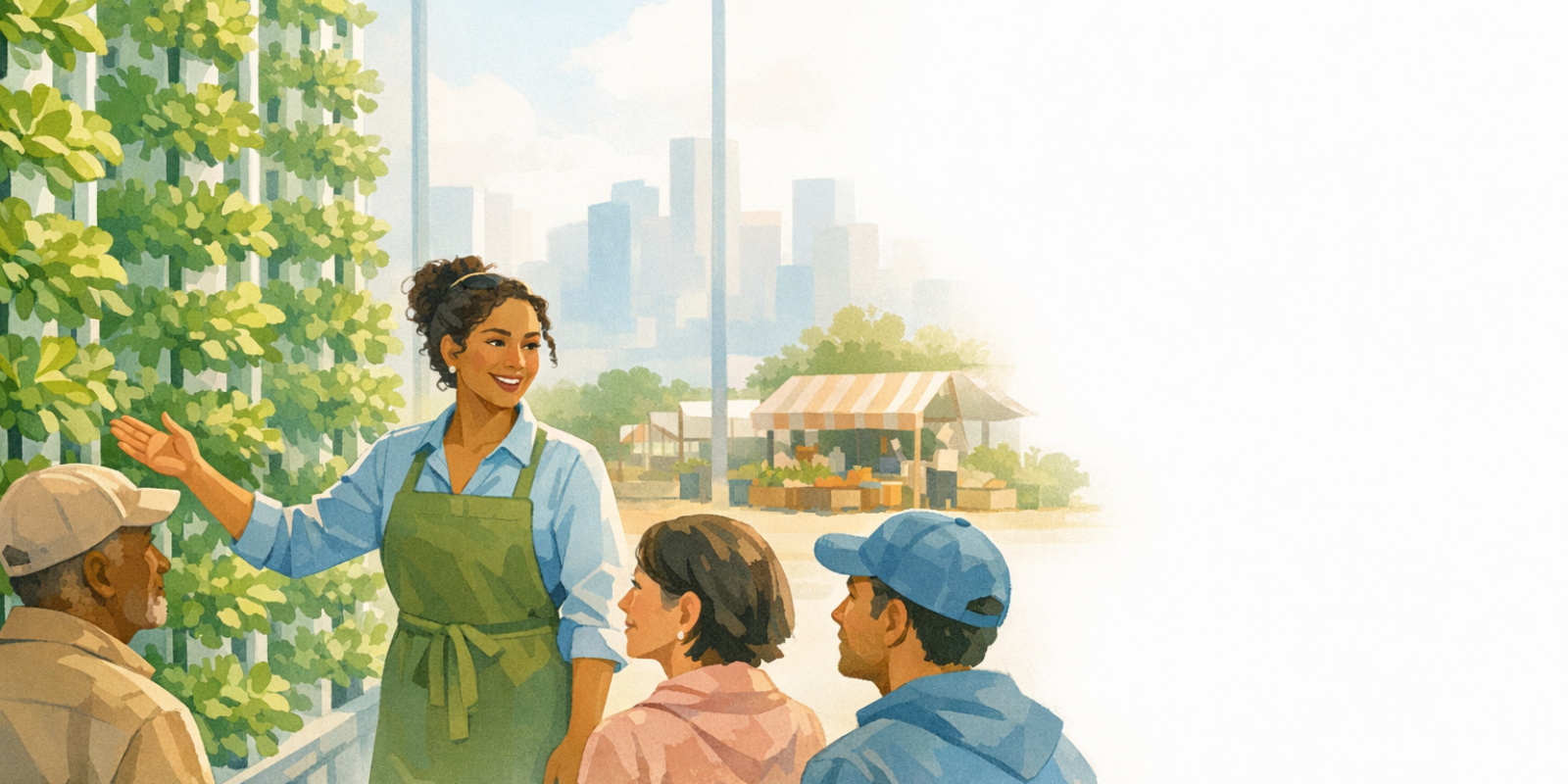
When city farms intentionally include cultural crops, seed-saving, and seasonal celebrations, case work suggests higher engagement than yield-only approaches. Put simply: keep the feast days, recipes, and seed stories close—this is how high-tech stays human.
Mapping the Urban Food Ecosystem Around Vertical Farms
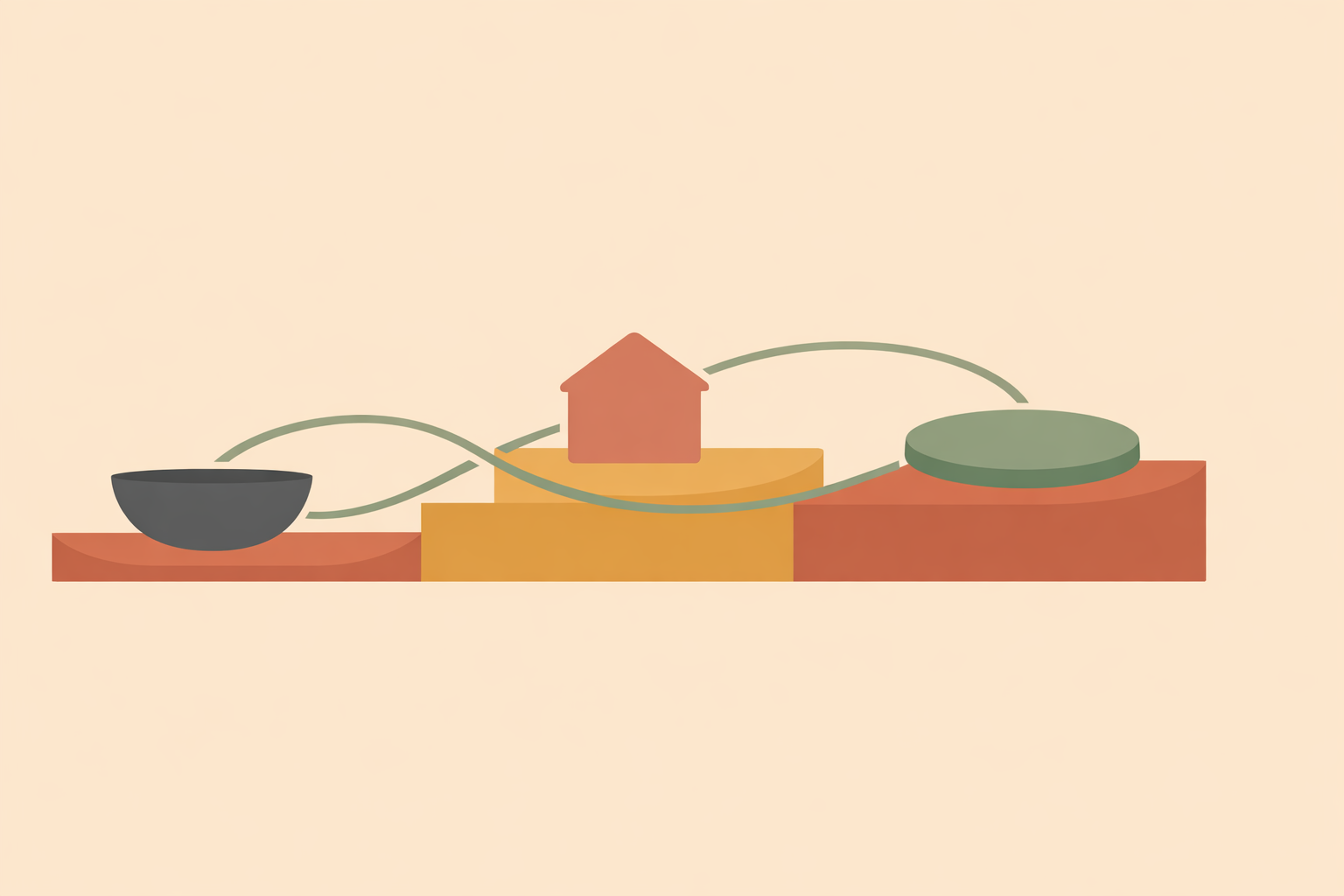
Think of a vertical farm as one node in a mosaic. Your work grows in influence when you connect that node to rooftops, community plots, kitchens, markets, and the wider region that feeds your city.
The city-region food systems concept—CRFS—links urban centers with rural and peri-urban “arteries.” When cities braid markets, urban growers, public procurement, and social initiatives into one strategy, results tend to carry more impact than isolated projects.
Rooftops can pull double duty. A review suggests well-designed rooftop farms can grow vegetables while managing stormwater, reducing building energy use, and creating learning spaces. Or, as IPES-Food summarizes, sustainable food systems require a mosaic of complementary initiatives.
Network research adds a helpful insight: hubs that link growers, processors, cooks, educators, and community groups are often more resilient than single-point solutions. Essentially, mapping your local web helps you choose where your strengths can serve the whole system.
Positioning Your Practice in 2026 Urban Food Transitions
Clarity beats hustle. Aim for one or two roles that keep you close to vertical farming while amplifying culture, access, and everyday food skills.
Four roles to consider:
- Educator: Translate controlled-environment harvests into weekly meals and seasonal rhythms.
- Connector: Bridge vertical farms, rooftop growers, markets, and cultural kitchens into one neighborhood web.
- Advocate: Work with councils and co-ops to align policy with community priorities and cultural crops.
- Designer of experiences: Create hands-on programs where people grow, cook, and share—together.
These roles fit the moment. Over 60% of consumers say they’ll pay more for eco-social alignment, and community food programs are linked with higher food literacy and agency. The broader wellbeing economy also places nutrition-focused coaching among the fastest-growing segments.
And you won’t be doing this alone. “Pivotal role” is how IPES-Food describes locally embedded actors. Research on change agents also highlights boundary-spanners—people who connect technical specialists and traditional knowledge holders. That’s a powerful lane to occupy: fluent in LEDs and lived food heritage, without reducing either to a trend.
Designing Offerings that Connect People and Urban Farms
Turn positioning into offerings people genuinely want to attend. Make it tactile, tasty, and culturally familiar, and keep the through-line clear: where food comes from and how it fits real life.
Formats that tend to engage:
- Harvest-to-kitchen circuits: Start in a vertical farm or rooftop, end with a 30-minute cook-up using cultural staples. This kind of hands-on pathway builds nutrition knowledge and practical confidence.
- Seasonal lunch clubs: Monthly gatherings that spotlight one crop—mizuna, shiso, moringa—with guest elders or chefs sharing origin stories.
- Microgreens + memory: Pair quick-growing greens with heritage spices, ferments, or grains. Adult cooking programs are associated with more home cooking and better perceived diet quality.
- Neighborhood farm tours: Rotate between indoor farms, soil plots, and cultural kitchens. Direct grower contact can build trust and a better feel for seasonal eating.
- Family seed circles: Teach seed-saving basics, swap stories, and align planting calendars with cultural festivals.
Keep the learning simple and participatory. “Experiential learning approaches that involve growing, preparing and sharing food” consistently support food literacy. And when programs center culturally familiar recipes and ingredients, participation and satisfaction tend to reach higher levels.
A practical design tip: give everyone a take-home card—storage guidance, a 3-ingredient recipe, and one seasonal teaching. Think of it like a small bridge from farm to fridge.
Ethics, Access, and Cultural Respect in Urban Food Work
Integrity is the through-line. High-tech farms can widen access and dignity—or, without care, they can deepen inequity. Strong practice means building with communities, not simply delivering to them.
Start with access. Many low-income and predominantly Black and Brown neighborhoods still have less access to fresh, affordable produce. Urban agriculture can help, but studies caution that without intention some projects may contribute to gentrification or primarily serve those already well-resourced.
“Food justice seeks to ensure that the benefits and risks of how food is grown and shared are fairly distributed,” write Alkon and Agyeman, “and that communities most impacted have a central voice.” For Indigenous partnerships, the FAO emphasizes FPIC and fair benefit-sharing when traditional knowledge is involved.
A practical ethics checklist for offerings and partnerships:
- Co-design: with local residents; compensate cultural knowledge holders and translators. Use co-design and sliding-scale models to balance access and viability.
- Price transparently: reserve spots for neighbors on public assistance; offer pay-it-forward options.
- Honor culture: use people’s language for their foods; ask permission before sharing stories or seeds; credit lineages.
- Mind energy: if you feature vertical farms, ask about renewable power and waste streams; share that context with participants.
- Protect dignity: avoid nutrition moralizing; celebrate small changes and family traditions.
Conclusion: Your 2026 Urban Food Systems Action Plan
A grounded plan turns insight into real momentum. Here’s a practical path to position around vertical farming while staying true to tradition and community wellbeing.
Step 1: Map your ecosystem. List indoor farms, rooftops, soil gardens, cultural kitchens, markets, and regional producers. City strategies increasingly rely on civil society—your map becomes your entry point.
Step 2: Choose your role. Pick educator, connector, advocate, or experience designer, and set a 90-day focus.
Step 3: Form two partnerships. One high-tech (vertical or rooftop), one culture-rooted (community garden, kitchen, or seed group). Align values and calendars early.
Step 4: Pilot one offering. Keep it small and sensory. Track sign-ups and attendance, plus simple outcomes like vegetable tries, home-cooking frequency, and sense of belonging.
Step 5: Build equity guardrails. Co-design, sliding-scale options, and FPIC where relevant. Share openly how pricing supports access.
Step 6: Iterate. Debrief with partners and participants, then refine timing, format, and recipes. Food systems change reviews point to iterative, learning-based practice as a core engine of progress.
Step 7: Stay in the learning stream. Follow city food councils and public institutions. As the UN notes, transformation takes coordinated action—and local voices are part of that chorus.
Keep food as relationship: between light and leaf, soil and season, stories and the table. Position near the LEDs if that’s where your city is investing attention—but let your roots reach elders, seeds, and kitchens that make urban food feel like home.
Ready to Go Deeper?
Take the next step with a Naturalistico certification — designed for practitioners ready to deepen their expertise.
Explore the Course →